Table of Contents >> Show >> Hide
- Why Patreon Is Pushing Free Fan Connections
- What New Free Connection Tools Actually Mean
- 1. Free memberships make Patreon less intimidating
- 2. Community chats give fans an actual place to gather
- 3. Gifting and discounts help creators convert interest into membership
- 4. Commerce gives creators another way to earn from free fans
- 5. Livestreams and richer media make Patreon more interactive
- Why This Matters for Creators
- Why Fans Might Love It Too
- The Catch: Free Can Be Great, but It Is Not Magic
- How Smart Creators Will Use These Features
- Patreon’s Bigger Bet on the Future of Fandom
- Real-World Experiences: What This Shift Feels Like for Creators and Fans
- Conclusion
For years, Patreon was best known as the place where fans pulled out a credit card, picked a tier, and unlocked the good stuff. Simple. Clean. Effective. Also a little like showing up to a party and being asked for a cover charge before you even hear the music. Now Patreon is clearly steering in a bigger direction: let fans join for free, get them talking, give them reasons to stick around, and then turn the strongest connections into paid support over time.
That shift matters because the modern creator economy is crowded, noisy, and powered by algorithms that behave like moody raccoons. One day they deliver your content to the masses; the next day they bury it under dance clips, hot takes, and a suspicious number of productivity gurus. Patreon’s answer is to build a more direct relationship layer between creators and their audiences, starting with free access points that feel less like a sales funnel and more like a real community.
In plain English, Patreon is no longer acting like a members-only velvet rope. It is becoming a place where fans can enter for free, hang out, discover your work, and gradually decide whether they want the VIP wristband. That is a smart business move, a smart community move, and honestly, a smart sanity-preservation move for creators who are tired of rebuilding their audience from scratch every time a social platform changes its mind.
Why Patreon Is Pushing Free Fan Connections
The old Patreon model worked well for loyal superfans, but it left a giant middle group in limbo: people who liked a creator, wanted updates, but were not ready to pay monthly just yet. Maybe they were curious. Maybe they were broke. Maybe they had already signed up for six subscriptions and were one click away from a budgeting intervention. Whatever the reason, they were interested but not committed.
Patreon’s newer strategy recognizes that this audience is valuable. Free members are not freeloaders by default. They are potential buyers, future patrons, word-of-mouth marketers, live event attendees, digital product customers, and community participants. Instead of forcing creators to choose between “public on social media” and “paid on Patreon,” the platform is building a middle lane where fans can follow, interact, and receive updates without paying upfront.
This changes the creator journey in a meaningful way. Instead of asking someone to go from “I saw your clip once” to “I will now commit $8 every month forever,” creators can nurture the relationship in stages. Free members can sample the vibe, see public and free posts, join selected chats, receive announcements, and get a clearer sense of what the creator’s world actually feels like. That makes the eventual paid upgrade feel earned rather than forced.
What New Free Connection Tools Actually Mean
1. Free memberships make Patreon less intimidating
The biggest shift is the free membership option. Fans can now join a creator’s Patreon without paying right away, which sounds obvious in hindsight but is actually a huge strategic change. It turns Patreon from a pure subscription gate into a relationship hub. Free members can follow updates, discover posts, and stay in the creator’s orbit without making a financial decision on day one.
That may sound small, but it solves one of the internet’s oldest problems: friction. Every extra decision kills momentum. A free join button is easier than a pricing page, easier than a tier comparison chart, and definitely easier than that awkward inner debate where someone asks, “Do I love this podcast enough to spend the price of a burrito every month?”
2. Community chats give fans an actual place to gather
Patreon has also expanded community chat features, and this is where the platform starts to feel less like a paywall and more like a clubhouse. Chats let creators talk with fans in real time, build recurring conversations, and create a stronger sense of belonging than comment sections usually manage. Comment threads are where ideas go to get lost. Chats are where a community begins to form an identity.
The clever part is that creators can decide who gets access. Some chats can stay paid-only, while others can include free members. That means a creator might keep premium behind-the-scenes discussion for paying supporters but open a general chat for all members to welcome newcomers. It is a layered approach: public energy on the outside, deeper membership perks on the inside.
3. Gifting and discounts help creators convert interest into membership
Patreon has also rolled out gifting and discount tools, which make the free-to-paid journey much smoother. A fan can receive a gifted membership. A creator can offer a limited-time discount to free followers. Suddenly, the upgrade path feels less like a hard sell and more like a friendly invitation. “Here, try the good snacks before you commit to the full meal.”
This matters because many fans are not resistant to paying. They are resistant to uncertainty. Discounts and gifts lower the risk. They give people a reason to step inside the paid experience, and once they do, some will stay for the value, the habit, and the community.
4. Commerce gives creators another way to earn from free fans
Another important piece of the strategy is commerce. Not every fan wants a monthly subscription, but plenty will pay for one product, one class, one special episode, one digital bundle, or one exclusive recording. Patreon’s commerce tools give creators a way to sell individual items directly, which is perfect for fans who are curious but commitment-phobic.
That means free connection does not automatically mean zero revenue. A creator can welcome someone in for free, build trust through regular posts and chats, then offer one-time products that make sense for that audience. It is a more flexible business model and a more realistic one, especially in an economy where people increasingly juggle subscriptions like circus performers with anxiety.
5. Livestreams and richer media make Patreon more interactive
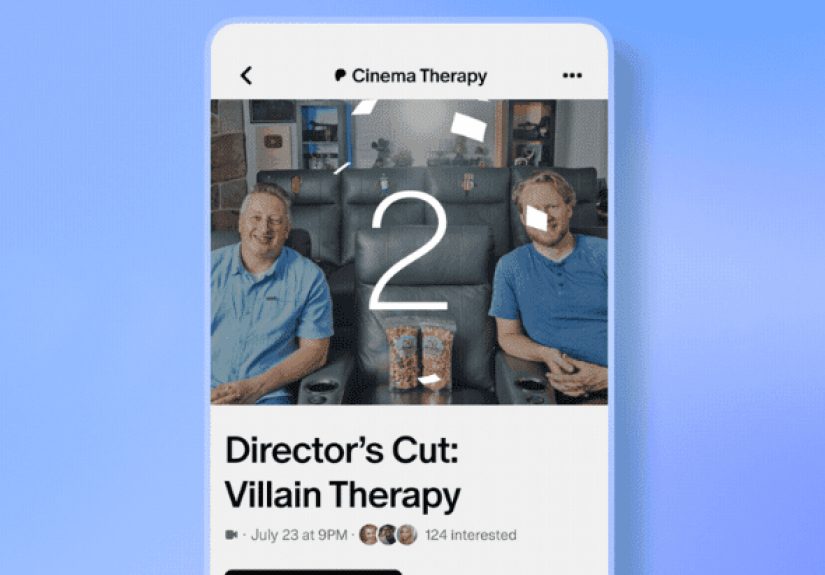
Patreon’s push into live video and richer media formats shows it wants more of the fan relationship to happen on-platform. That includes live experiences, chat-based participation, and shareable media that can help creators pull fans from outside social platforms into their own community space. The goal is obvious: do not just monetize fandom, host it.
This is important because fans do not connect with creators through price charts. They connect through moments. A live Q&A, a casual update, a chat thread after a new release, or a behind-the-scenes preview can do more to strengthen loyalty than a polished sales pitch ever will. Patreon seems to understand that now.
Why This Matters for Creators
For creators, the appeal is huge. First, free memberships create a cleaner audience pipeline. Instead of constantly begging followers on Instagram, TikTok, YouTube, or X to “go somewhere else,” creators can give those fans a low-pressure next step. Join for free. Stay updated. Hang out here. See what this community is about.
Second, this gives creators more control over communication. Social platforms are rented land. Patreon is closer to a direct relationship asset. Fans who join there are more reachable, more trackable, and more likely to receive updates without being filtered through a feed that thinks your biggest competition is a lip-syncing golden retriever.
Third, free members can improve retention. Not every cancellation has to become a goodbye. Some supporters may stop paying but remain as free members, which keeps the relationship alive. That is a subtle but important win. A creator does not lose every canceled member forever; some simply move to a lighter level of participation until they are ready to return.
Fourth, creators can build different audience layers with intention. Casual fans can stay at the free level. Core fans can buy one-off products. Superfans can subscribe monthly. The smartest creators will not treat these groups as better or worse. They will treat them as different stages of trust.
Why Fans Might Love It Too
Fans benefit because free access removes the awkward pressure of immediate payment. They can explore first. They can see whether a creator posts often, whether the community is fun, whether the perks look worth it, and whether the tone fits. It is easier to support someone once you know what you are stepping into.
There is also a simple emotional benefit: belonging. A lot of fans do not just want more content; they want more connection. They want to comment, react, ask questions, show up for live moments, and feel like they are part of something. Patreon’s newer tools lean into that. A free member may not be paying yet, but they are still participating, and participation is often the first step toward loyalty.
And for people who cannot afford recurring subscriptions, free membership is not just convenient. It is inclusive. It gives them a way to stay connected to creators they care about without feeling shut out. That is good for fans and good for creators who want their communities to feel welcoming rather than transactional.
The Catch: Free Can Be Great, but It Is Not Magic
Of course, free access is not a miracle potion. A creator can collect thousands of free members and still struggle to make money if the content strategy is messy, the offers are weak, or the community experience feels like an abandoned group chat with one tumbleweed rolling by.
Free fans need a reason to stay engaged. Creators have to think carefully about what free members get, what paid members get, and how each tier feels distinct without feeling stingy. Too much free access can flatten the paid offer. Too little free access can make the experience feel like a trailer that never reaches the movie.
There is also the time factor. Community-building takes work. Chats need moderation. Livestreams need planning. Promotions need strategy. One-time products need packaging. Patreon is giving creators more tools, but tools are not the same thing as a business plan. A guitar does not write the song. A whisk does not bake the cake. And a chat tab does not build a fan culture by itself.
How Smart Creators Will Use These Features
The most effective creators will probably use Patreon’s free connection tools like a ladder, not a free buffet. They will welcome fans with accessible posts, useful updates, and lively conversations. Then they will gradually introduce reasons to go deeper: exclusive series, early access, bonus communities, special live events, or one-time products.
A podcaster, for example, might let free members join a general chat, read announcements, and access occasional bonus clips. Paid members could get ad-free episodes, private Q&As, and a monthly live hangout. A musician could offer free studio updates and previews while reserving early song drops, demo access, or intimate live sessions for paying supporters. A visual artist could post free sketches and works in progress, then sell process videos, digital packs, or members-only classes.
The pattern is simple: free creates familiarity, interaction builds trust, and paid access delivers depth. That is a much healthier funnel than shouting “Subscribe now!” into the void and hoping the void has a debit card.
Patreon’s Bigger Bet on the Future of Fandom
What Patreon is really betting on is that fandom is more durable than reach. Viral moments are fun, but they are unstable. Community is slower, messier, and much more valuable. When fans feel connected to a creator and to one another, they stay longer, buy more, forgive the occasional weird experimental project, and often become the strongest marketers a creator could ask for.
That is why these free connection features matter beyond the product updates themselves. Patreon is trying to become the home base where fandom is managed, not just monetized. It wants to be the space where creators gather attention, keep attention, and turn attention into a sustainable business without depending entirely on social platforms that change the rules every other Tuesday.
In that sense, the company’s move is less about generosity and more about architecture. It is redesigning the path from stranger to follower, from follower to free member, from free member to customer, and from customer to loyal supporter. That is not flashy, but it is smart. And in creator business terms, smart usually pays better than flashy.
Real-World Experiences: What This Shift Feels Like for Creators and Fans
Imagine you are a small creator with a loyal but scattered audience. Some people follow you on YouTube, some on Instagram, some through a newsletter, and a few diehards already support you directly. Before Patreon’s newer free connection tools, your sales pitch probably felt a little dramatic: “Please leave the platform you are already on, go to my Patreon, choose a tier, enter payment details, and trust that I will be worth it.” That is a lot to ask from someone who discovered you 18 minutes ago while hiding from homework or avoiding a spreadsheet.
Now the pitch can be gentler and far more realistic: “Join my Patreon for free and come hang out.” That one sentence changes the emotional temperature. It sounds welcoming, not transactional. It invites curiosity instead of demanding commitment. For many creators, that alone can make promotion easier because they are no longer asking fans to marry them on the first date. They are asking them to grab coffee.
From the fan side, this feels better too. A free member can step into a creator’s world, get updates, read posts, maybe pop into a community chat, and see how active the creator really is. Fans can tell whether the energy is warm, funny, generous, weird in a good way, or weird in a “why is this person posting 14 blurry screenshots of their calendar” way. That kind of preview builds confidence.
There is also a practical emotional effect that should not be underestimated: a fan who joins for free is still choosing a closer relationship. They are raising a hand and saying, “Yes, I want more of this.” That small action creates momentum. Once someone has joined, commented, chatted, or attended a free live session, upgrading to a paid tier no longer feels like a leap across a canyon. It feels like one more step down a path they are already walking.
For creators, the most encouraging part may be that free members are not dead ends. They can become future paying members, one-time buyers, gifted membership recipients, or simply the kind of loyal audience members who share your work and keep the community lively. Even those who never pay can still add social proof, conversation, and energy. Sometimes the value of a fan is not just what they spend. It is how they show up.
That is why Patreon’s plan feels important. It acknowledges something creators have known for years: people rarely support work because they saw a price. They support work because they felt a connection. Patreon is building more ways for that connection to happen before money enters the room. And honestly, that may be the smartest thing the platform has done in a long time.
Conclusion
Patreon’s new direction is not just about letting fans in for free. It is about building a stronger bridge between attention and support. Free memberships, chats, gifting, discounts, commerce, and live experiences all point toward the same idea: creators need more ways to gather people before they monetize them, and fans need more ways to belong before they buy.
That makes Patreon more flexible for creators, more inviting for fans, and more competitive in a creator economy that increasingly rewards direct relationships over borrowed reach. The platform is no longer just selling subscriptions. It is trying to host fandom itself.
And that is probably the right move. Because in 2026, the internet does not need another platform yelling for attention. It needs better places for real communities to form. Patreon seems to have gotten the memo, and this time, it actually looks ready to build around it.