Table of Contents >> Show >> Hide
- What Counts as Pelvic Pain?
- Common Causes of Pelvic Pain in Women
- 1) Menstrual cramps (dysmenorrhea) and ovulation pain
- 2) Endometriosis
- 3) Uterine fibroids
- 4) Ovarian cysts (and, rarely, torsion)
- 5) Pelvic inflammatory disease (PID)
- 6) Urinary causes: UTIs, kidney stones, and bladder pain syndrome (IC/BPS)
- 7) Gastrointestinal causes: IBS, constipation, and appendicitis
- 8) Musculoskeletal and pelvic floor pain
- 9) Pelvic organ prolapse
- 10) Pregnancy-related causes (urgent to rule out)
- Symptoms That Help Narrow Down the Cause
- When Pelvic Pain Is an Emergency
- How Pelvic Pain Is Evaluated
- Treatments: What Actually Helps (Depends on the Cause)
- At-Home Relief: Practical, Evidence-Informed Strategies
- Putting It Together: A Simple Decision Guide
- of “Experience”: What Pelvic Pain Often Feels Like in Real Life
- Conclusion
Pelvic pain is one of those symptoms that can feel like a vague “somewhere down there” discomfort… until it suddenly becomes the
only thing you can think about. And here’s the tricky part: the pelvis is crowded. You’ve got reproductive organs, the bladder,
bowel, muscles, nerves, and a whole support system of ligaments and connective tissue sharing a small neighborhood. So pelvic pain
can come from a lot of placesand the “why” matters, because the right relief depends on the cause.
This guide breaks down the most common causes of pelvic pain in women, what symptoms can suggest, how clinicians evaluate it,
and what treatments (and at-home relief strategies) are actually backed by real-world medical practice. We’ll keep it practical,
clear, andbecause pain is already doing enoughjust a little lighter in tone where appropriate.
What Counts as Pelvic Pain?
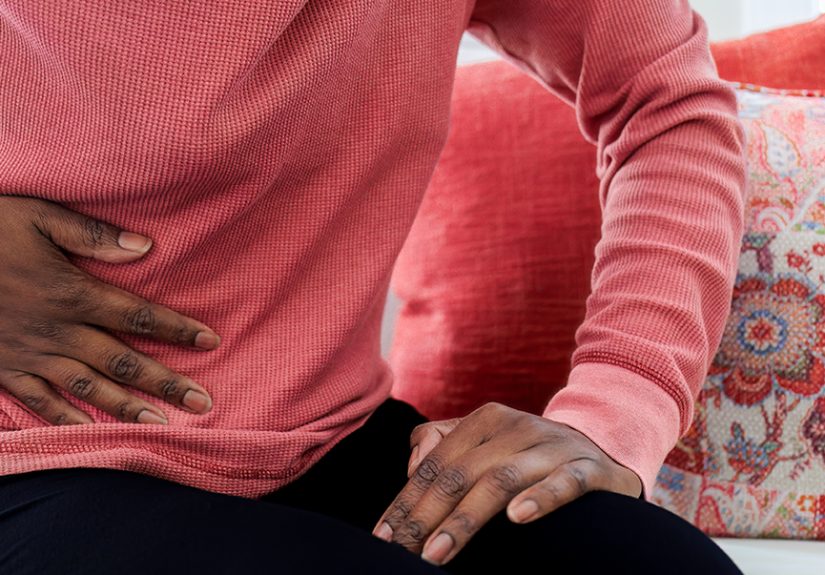
Pelvic pain usually means pain felt in the lower abdomen (below the belly button) and between the hips. It can be:
acute (sudden and severe), intermittent (comes and goes), or chronic
(lasting or recurring for months). Chronic pelvic pain is often defined as pain lasting 6 months or longer.
The pain may feel dull, crampy, sharp, burning, pressure-like, or like a deep ache. It might be constant, tied to your menstrual
cycle, triggered by movement, related to urination or bowel movements, or flare with stress (yes, your nervous system keeps receipts).
Common Causes of Pelvic Pain in Women
Pelvic pain can be gynecologic (reproductive system), urologic (urinary system), gastrointestinal (digestive system),
musculoskeletal (muscles/joints), neurologic (nerves), or a mix of several.
1) Menstrual cramps (dysmenorrhea) and ovulation pain
For many women, pelvic pain shows up as period crampsranging from “annoying but manageable” to “I would like to unsubscribe from
having a uterus.” Some also feel mid-cycle pain around ovulation (“mittelschmerz”), often one-sided and short-lived.
If cramps are severe, worsening over time, or accompanied by heavy bleeding, pain with sex, or pain outside your period, it’s worth
checking for underlying conditions like endometriosis or fibroids.
2) Endometriosis
Endometriosis happens when tissue similar to the uterine lining grows outside the uterus. It commonly causes pelvic pain that is
often linked with menstrual periods and may worsen over time. Some women also experience pain with bowel movements, urination, or
sex, especially around the menstrual cycle.
Example: Someone who used to have “regular cramps” starts noticing pain beginning days before bleeding starts, peaking during
the period, and lingering afterwardplus fatigue and pain during workouts. That pattern can be a clue to investigate endometriosis.
3) Uterine fibroids
Fibroids are common, usually benign growths in or around the uterus. Many cause no symptoms, but when they do, they can lead to
pelvic pressure, heavy or painful periods, frequent urination, low back discomfort, or pain during sex. Rarely, fibroids can cause
sharper pain (for example, if a fibroid twists on a stalk or degenerates).
4) Ovarian cysts (and, rarely, torsion)
Ovarian cysts are often harmless and may go away on their own. But larger cysts can cause pelvic pain (sometimes one-sided),
bloating, a feeling of fullness, or pain during sex. A cyst that ruptures can cause sudden pain. Ovarian torsion (twisting of the
ovary) is less common but is an emergencytypically sudden, severe pain, often with nausea or vomiting.
5) Pelvic inflammatory disease (PID)
PID is an infection of the upper reproductive organs (uterus, fallopian tubes, ovaries) and is often related to sexually
transmitted infections. Symptoms can include lower abdominal/pelvic pain, fever, abnormal discharge, pain with urination, bleeding
between periods, or pain during sex. PID requires prompt medical evaluation and antibiotic treatment to reduce the risk of long-term
complications like infertility, ectopic pregnancy, and chronic pelvic pain.
6) Urinary causes: UTIs, kidney stones, and bladder pain syndrome (IC/BPS)
Urinary tract issues can mimic gynecologic pain. A UTI often causes burning with urination and urinary urgency/frequency, and it can
sometimes cause lower pelvic discomfort. Kidney stones may cause severe flank pain that can radiate downward.
Interstitial cystitis/bladder pain syndrome (IC/BPS) is different: it’s chronic bladder pressure/pain (sometimes pelvic pain) that
typically occurs without a typical infection on testing. Symptoms often include frequent urination and urgency, and some people feel
worse with bladder filling.
7) Gastrointestinal causes: IBS, constipation, and appendicitis
The bowel shares space with pelvic organs, so digestive issues can show up as pelvic pressure or pain. Irritable bowel syndrome
(IBS) commonly involves abdominal pain linked to bowel movements plus changes in stool frequency/consistency (diarrhea, constipation,
or both). Constipation alone can cause significant pelvic discomfort.
Appendicitis can start as vague abdominal discomfort and become more localized (often right lower abdomen) with worsening pain, fever,
nausea, or loss of appetitethis needs urgent evaluation.
8) Musculoskeletal and pelvic floor pain
Pelvic pain isn’t always “an organ problem.” Pelvic floor muscles can become tense, weak, or uncoordinated, contributing to chronic
pelvic pain, pain with sitting, or pain triggered by movement. Prior injuries, surgeries, childbirth, high-impact exercise, or chronic
stress can contribute. Hernias, hip problems, and lower back issues can also refer pain to the pelvis.
9) Pelvic organ prolapse
Pelvic organ prolapse happens when the support structures for the uterus, bladder, or rectum weaken, allowing an organ to press into
the vaginal canal. Some women feel pelvic heaviness, pressure, or a “bulge” sensation. It’s treatable, and management depends on
severity and symptoms.
10) Pregnancy-related causes (urgent to rule out)
Pelvic pain in someone who could be pregnant needs careful attention. Early pregnancy cramping can be normal, but severe pain,
heavy bleeding, dizziness/fainting, or shoulder pain can be warning signs of ectopic pregnancy or miscarriage. If pregnancy is
possible and pain is significant, urgent medical evaluation is the safest move.
Symptoms That Help Narrow Down the Cause
Clinicians often look at timing, triggers, and associated symptoms. A few patterns:
- Cycle-related pain: cramps that track with periods, pain around ovulation, worsening pain before/during menstruation
- Urinary symptoms: urgency, frequency, burning, bladder pressure
- Bowel symptoms: bloating, constipation/diarrhea, pain relieved or worsened by bowel movements
- Infection signs: fever, unusual discharge, pelvic tenderness, pain with urination
- Pressure/heaviness: fibroids or prolapse can feel like fullness or dragging
When Pelvic Pain Is an Emergency
Seek urgent care (ER/911 depending on severity) for pelvic pain that is:
- Sudden and severe, especially with nausea/vomiting
- Accompanied by fainting, dizziness, or signs of shock
- With heavy vaginal bleeding or bleeding plus severe pain
- With fever or severe illness
- Possible pregnancy plus significant pain (or pain with bleeding)
How Pelvic Pain Is Evaluated
There’s no single “magic test” for pelvic pain. A good evaluation usually combines history, exam, and targeted testing. Expect some
version of:
1) A detailed history (yes, even the “awkward” parts)
You may be asked when the pain started, where it is, what it feels like, what makes it better/worse, and whether it relates to
periods, sex, urination, or bowel movements. Past infections, surgeries, pregnancies, contraceptive use, and any history of
endometriosis or fibroids can matter. Keeping a brief pain diary for a few weeks can be surprisingly helpful.
2) Physical and pelvic exam
Clinicians may check for abdominal tenderness, pelvic tenderness, discharge, or signs of pelvic floor muscle pain.
(You can always ask them to explain each step before they do ityour body isn’t a “surprise quiz.”)
3) Common tests
- Pregnancy test when relevant (often early, because it changes the whole decision tree)
- Urinalysis for UTI or blood that can suggest stones
- STI testing when infection risk is present
- Blood tests if infection or anemia is suspected
- Pelvic ultrasound to look for cysts, fibroids, or other structural issues
If symptoms persist or are complex, further imaging, referrals (gynecology, urology, GI), or procedures (like laparoscopy in select
cases) may be considered.
Treatments: What Actually Helps (Depends on the Cause)
The best treatment is targeted. But even when a single cause isn’t obvious, many people still improve with a structured planoften
a combination of medical treatment, physical therapy, and pain-management strategies.
Medications and medical treatments
-
NSAIDs (like ibuprofen or naproxen): often used for period pain and inflammatory pelvic pain. They tend to work best
when started early (for example, at the beginning of cramps) and taken as directed. -
Hormonal therapies: birth control pills, hormonal IUDs, or other hormonal options can reduce cycle-related pain and
are commonly used for dysmenorrhea and endometriosis symptom control. - Antibiotics: essential for PID and certain infections. Prompt treatment matters to reduce complications.
-
Fibroid management: options may include watchful waiting, medications to manage bleeding or symptoms, and procedures
or surgery depending on size, symptoms, and pregnancy goals. -
Ovarian cyst management: many cysts are monitored; pain control and follow-up imaging may be used. Emergencies like
torsion require urgent care. -
IC/BPS management: typically layered carediet changes, stress management, pelvic floor PT when indicated, and
sometimes medications or bladder-focused therapies.
Pelvic floor physical therapy (a big deal for chronic pelvic pain)
If your pelvic floor muscles are tight, tender, or not coordinating well, pelvic floor physical therapy can be a game-changer.
This isn’t “just do Kegels.” In fact, for some people, strengthening is the wrong first steprelaxation and retraining come first.
Many guidelines and clinical summaries highlight pelvic floor PT as a beneficial option for certain types of chronic pelvic pain.
Behavioral and pain-focused therapies
Chronic pain can “rewire” how the nervous system processes signals (sometimes called central sensitization). That doesn’t mean the
pain is imaginaryit means the body has learned the pain pathway too well. Approaches like cognitive behavioral therapy (CBT),
stress-reduction strategies, and multidisciplinary pain management can reduce suffering and improve function, especially when pain has
been present for months.
At-Home Relief: Practical, Evidence-Informed Strategies
At-home relief works best alongside medical evaluationespecially if pain is new, severe, or persistent. Still, these strategies are
commonly recommended and often useful:
Heat therapy
Heating pads or warm baths can relax pelvic muscles and ease cramping. If you’re going to become a heat pad connoisseur, welcome to
the clubmembership includes a blanket hoodie and the ability to identify every couch stain by name.
Gentle movement
Light walking, stretching, and low-impact exercise can reduce muscle tension and improve blood flow. If movement worsens pain, scale
down and consider evaluation for pelvic floor or musculoskeletal contributors.
Track triggers and patterns
Try noting: timing in your cycle, foods, bowel habits, bladder symptoms, sleep, and stress. This isn’t to make you your own
full-time research labit’s to give your clinician better data than “it hurts… sometimes… I think?”
Support your bowel and bladder habits
Constipation can amplify pelvic pain. Adequate hydration, fiber (as tolerated), and regular bathroom habits may help. If urinary
urgency/frequency is a major feature, discuss UTI testing and the possibility of bladder pain syndrome with your clinician.
Reduce pelvic muscle guarding
When pain hits, the body often “guards” by tensing muscles. Try diaphragmatic breathing (slow belly breathing), relaxing the jaw and
shoulders, and gently releasing tension around the hips and pelvic floor. Some people find guided relaxation or mindfulness helpful
as part of a broader plan.
Putting It Together: A Simple Decision Guide
- Sudden severe pain or pain with fainting/heavy bleeding/fever → urgent evaluation.
- Cycle-linked pain that’s worsening or disabling → consider endometriosis, fibroids, adenomyosis, and discuss options.
- Urinary urgency/frequency with pelvic pressure → rule out UTI; consider IC/BPS if persistent without infection.
- Bloating + bowel changes with pain → IBS or constipation may be contributing; evaluate persistent red flags.
- Months-long pain with multiple triggers → pelvic floor dysfunction and chronic pain pathways may be part of the picture.
of “Experience”: What Pelvic Pain Often Feels Like in Real Life
If you ask women what pelvic pain is like, you’ll hear a wide range of descriptionsbut a few themes show up again and again.
First: many people spend a long time trying to “normalize” it. They’ll say things like, “Maybe I’m just bad at periods,” or
“Everyone gets cramps, right?” The problem is that pelvic pain can be common without being normal, and treating it like background
noise can delay getting real help.
A frequent story goes like this: pain starts as predictable cramps, then slowly changes. It arrives earlier, lasts longer, or shows
up outside the menstrual window. Workouts become inconsistent because some days the pelvis feels heavy or sharp for no obvious reason.
Someone might switch to looser pants because pressure feels uncomfortable, or they skip social plans because sitting for long periods
triggers aching. At first, it’s “annoying.” Later, it’s planning your life around where the closest bathroom or heating pad might be.
Another common experience is “symptom whiplash.” One month the pain feels like cramping. The next month it’s a stabbing sensation on
one side. Then it’s bladder pressure and urgency that tests normal for infection. People often bounce between specialists because
pelvic pain doesn’t respect clinic boundaries: gynecology may focus on the uterus and ovaries, urology on the bladder, GI on the
bowel, and physical therapy on muscles. In reality, pelvic pain can involve more than one system at oncelike a combo meal you did
not order.
Many women describe the emotional layer as almost as exhausting as the pain: worry that they won’t be believed, frustration at
“normal” test results, and the mental math of deciding when pain is “bad enough” to seek care. (For the record: if pain is affecting
your daily life, it’s already “bad enough.”) People who eventually get relief often say two things helped most: (1) tracking patterns
in a simple waycycle timing, triggers, bladder/bowel symptomsand (2) finding a clinician who takes a stepwise approach instead of
dismissing symptoms.
On the practical side, women frequently mention a handful of reliable tools: heat, early NSAID use for cramping (when safe for them),
gentle movement, and pelvic floor physical therapy when muscle tension is part of the problem. Some describe pelvic floor PT as the
first time anyone explained how chronic pain can lead to muscle guardingand how that guarding can keep pain going, even after an
initial trigger has passed. Others talk about learning pacing: doing less on high-pain days and not “punishing” themselves by trying
to catch up all at once the next day.
The biggest takeaway from real-life experience is that pelvic pain is often treatablebut it may take time, teamwork, and a plan
that treats you like a whole person, not a single organ. Relief is rarely one magic fix. It’s usually a smart combination of
diagnosis, targeted treatment, symptom management, and consistent follow-throughplus a little self-compassion on the rough days.
Conclusion
Pelvic pain in women can come from many causessome mild, some urgent, and many overlapping. The most important steps are recognizing
patterns, watching for red flags, and getting a thorough evaluation when pain is severe, persistent, or disruptive. With the right
diagnosis and a tailored planoften combining medical treatment, pelvic floor physical therapy, and practical self-caremost women
can achieve meaningful relief and reclaim daily life from the “pelvic pain tax.”