Table of Contents >> Show >> Hide
- What makes a parenting tactic “toxic,” exactly?
- Why do these tactics get labeled “normal”?
- 30 “Normal” Parenting Tactics People Are Calling Outand What to Do Instead
- What healthier discipline looks like in real life
- If you recognize these tactics in your family
- Extra: of Real-World Experiences People Share Around “Normal” Toxic Tactics
- Conclusion
Somewhere between “Because I said so” and “Stop crying or I’ll give you something to cry about,” a lot of us learned an awkward lesson:
some parenting habits can be incredibly common… and still be harmful.
To be clear, calling out toxic tactics isn’t the same thing as calling parents “bad.” Parenting is stressful, many adults were raised the same way,
and plenty of people are doing the best they can with what they were taught. But “I survived it” isn’t a scientific study (and it’s definitely not a parenting plan).
The goal is simple: swap fear, shame, and control for guidance, connection, and respect.
Below are 30 “normal-looking” parenting moves people are rethinkingplus what healthier, more effective alternatives can look like in real life.
If you recognize a few from your childhood, you’re not alone. If you catch yourself doing a few as a caregiver, you’re also not alone. Awareness is where change starts.
What makes a parenting tactic “toxic,” exactly?
A tactic becomes toxic when it repeatedly harms a child’s emotional safety, self-worth, or sense of stabilityespecially when it relies on fear, humiliation,
manipulation, or unpredictable reactions. It’s often less about one imperfect moment (everyone loses their patience sometimes) and more about a pattern:
the child learns they must walk on eggshells, manage an adult’s emotions, or earn love through compliance.
Healthy discipline still includes rules, boundaries, and consequences. The difference is that effective discipline teaches skillslike self-control, problem-solving,
and empathywithout crushing the kid’s dignity in the process.
Why do these tactics get labeled “normal”?
- They’re generational: If you grew up with it, it can feel like “just how families are.”
- They’re fast: Shame and fear can create short-term compliance (even if it costs long-term trust).
- They’re socially reinforced: Some communities reward “tough love” and treat kids’ emotions like a nuisance.
- Parents are overloaded: Stress, burnout, financial pressure, and lack of support can push adults into reactive habits.
The good news: parenting isn’t about perfection; it’s about repair and skills. You can set limits and still be kind. You can be firm without being frightening.
You can apologize and still be the adult in charge. (Wild concept, I know.)
30 “Normal” Parenting Tactics People Are Calling Outand What to Do Instead
Love and connection used as leverage
-
Silent treatment (“I’m not talking to you until you behave”). It teaches kids that conflict means abandonment, not communication.
Try instead: Take a short cool-down (“I need five minutes to calm down”), then come back and talk.
-
Withholding affection (“No hugs until you apologize”). It turns comfort into currency and makes kids fear needing closeness.
Try instead: Separate behavior from connection: “I didn’t like what happened, and I still love you.”
-
Conditional love (“If you loved me, you’d…”). This trains kids to earn love by pleasing othersprime people-pleasing fuel.
Try instead: Ask directly for the behavior you want and explain why it matters.
-
Guilt-tripping (“After all I do for you…”). Kids shouldn’t feel indebted for being cared for.
Try instead: Name your need: “I’m overwhelmed. I need help with dishes tonight.”
-
Making the child responsible for adult emotions (“You made me yell”). It teaches kids they control adults’ reactionswhich they don’t.
Try instead: Own your response: “I got too angry. I’m working on using a calmer voice.”
Control disguised as “protection”
-
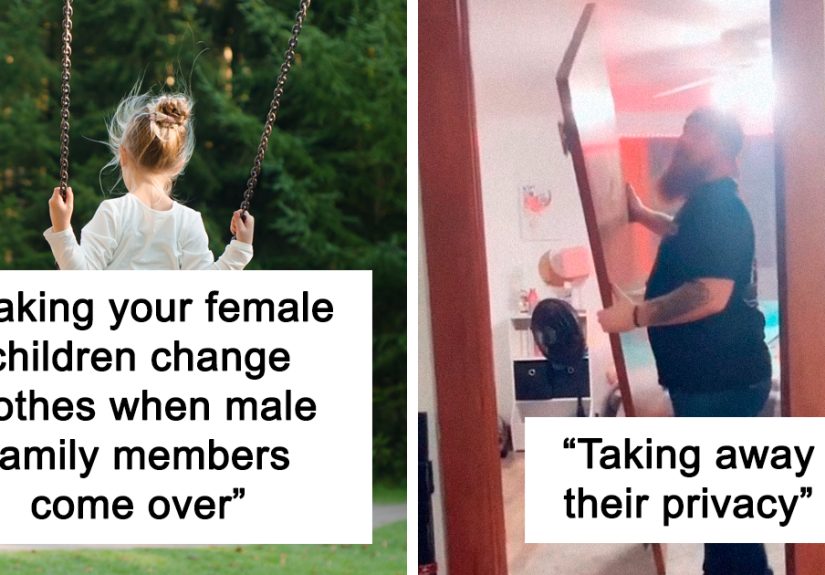
Invading privacy by default (reading journals/messages “just because”). Trust can’t grow in a constant search warrant.
Try instead: Use privacy with safety checks: clear expectations, and intervene only for real risk.
-
“Because I said so” as a lifestyle. It ends learning and starts power struggles.
Try instead: Give a short reason: “Safety rule. Cars don’t see you.”
-
Over-controlling friendships/identity (mocking their interests, policing their personality). It sends the message: “Be who I want.”
Try instead: Be curious: “Tell me what you like about them.” Keep boundaries about safety and values.
-
Threatening abandonment (“I’ll leave you here!”). Even as a “joke,” it hits a child’s deepest fear.
Try instead: Use proximity and calm: “I’m right here. We’re leaving when you’re ready to walk safely.”
-
Tracking and monitoring with no conversation. Surveillance without trust becomes secrecy training.
Try instead: Make a family tech agreement: what’s monitored, why, and how independence increases with responsibility.
Discipline that humiliates
-
Public shaming (“Tell everyone what you did”). Shame might stop behavior temporarily, but it damages self-worth.
Try instead: Correct privately. Praise publicly when possible.
-
Name-calling (“lazy,” “brat,” “dramatic”). Labels stick. Kids often grow into the story you repeat.
Try instead: Describe behavior: “Homework isn’t done yet. Let’s make a plan.”
-
Yelling as the default setting. Loud doesn’t equal effectiveit often triggers fear and shuts down learning.
Try instead: Lower your volume to raise your influence. If you yell, repair: apologize and reset.
-
Spanking/hitting framed as “discipline.” It may create compliance, but it also models aggression and fear.
Try instead: Use time-limited consequences, loss of privilege tied to the behavior, and coaching.
-
Sarcasm and mockery (“Nice job, genius”). Kids don’t hear “humor,” they hear contempt.
Try instead: Keep feedback respectful. Save sarcasm for your group chat, not your kid.
-
“I’ll give you something to cry about.” It teaches that emotions are punishable offenses.
Try instead: Validate feelings and set limits: “You’re upset. It’s okay to cry. It’s not okay to hit.”
Emotions treated like inconveniences
-
Dismissing feelings (“You’re too sensitive”). Kids learn to distrust their own emotions and perceptions.
Try instead: Try “That makes sense” before problem-solving.
-
Forced positivity (“You have nothing to be sad about”). Gratitude isn’t a mute button.
Try instead: “Two things can be true: you’re grateful and you’re having a hard day.”
-
Getting angry at big emotions. It teaches kids to hide distress rather than manage it.
Try instead: Co-regulate first (calm presence), then coach: breathing, naming feelings, choices.
-
Minimizing stress (“It’s not a big deal”). What’s small to you can be huge to them.
Try instead: Ask scale questions: “On a 1–10, how big does this feel?”
-
Weaponizing vulnerability later (“Remember when you cried about…?”). It kills trust faster than a broken phone screen.
Try instead: Treat disclosures as confidential unless safety requires help.
Boundaries flipped upside down
-
Parentification (child becomes the emotional caretaker). Kids need parents; they shouldn’t be one.
Try instead: Share age-appropriate info and lean on adult support systems for adult problems.
-
Using kids as messengers in adult conflict. It puts them in the middle and spikes anxiety.
Try instead: Adults communicate directly. Kids shouldn’t manage adults’ relationships.
-
Oversharing adult details (“You’re my only one who understands”). It feels like closeness, but it can be a heavy burden.
Try instead: Create closeness through shared activities, not adult emotional dumping.
-
Demanding respect while modeling disrespect. Kids learn more from tone than lectures.
Try instead: Mutual respect: firm limits delivered calmly.
Achievement and image over wellbeing
-
Only noticing outcomes (grades/trophies) and ignoring effort. Kids learn “I’m loved for performance.”
Try instead: Praise process: persistence, strategies, asking for help.
-
Comparisons (“Why can’t you be like your sibling?”). Comparison breeds resentment, not motivation.
Try instead: Focus on the child in front of you: goals, strengths, support.
-
Body-shaming or “helpful” comments about weight/looks. Even “jokes” can land as lifelong insecurity.
Try instead: Talk about health habits (sleep, movement, nourishment) without judging bodies.
Fear-based independence
-
Threatening financial or housing insecurity to control behavior (“I’ll kick you out at 18”). Fear doesn’t build maturity; it builds panic.
Try instead: Teach life skills earlybudgeting, cooking, communicationand set clear expectations with support.
-
Punishing mistakes instead of teaching skills. If every error gets humiliation, kids stop tryingor they start lying.
Try instead: Use consequences that are related, respectful, and reasonable. Then practice the skill together.
What healthier discipline looks like in real life
Positive parenting doesn’t mean “no rules.” It means rules with coaching. Think of discipline as skill-building:
kids are learning emotional regulation, impulse control, time management, and empathy. Those are not “installed at birth.”
Better tools that actually work (and don’t require humiliation)
- Clear rules + predictable follow-through: Fewer surprises, fewer explosions.
- Labeled praise: “I noticed you put your plate in the sinkthank you.” Specific beats vague every time.
- Natural/logical consequences: Related to the behavior, respectful in tone, reasonable in size.
- Repair after conflict: “I shouldn’t have yelled. You didn’t deserve that. Let’s try again.”
- Coaching in the moment: “You’re mad. Let’s take three breaths, then tell me what you need.”
If you’re thinking, “Okay, but my kid will turn into a tiny CEO of chaos,” remember: warmth plus structure is not permissive.
It’s authoritative (the good kind): firm boundaries, strong connection, and respect.
If you recognize these tactics in your family
If you’re a teen or young adult reading this: you don’t have to diagnose your parents to validate your experience. If something feels scary,
humiliating, or chronically invalidating, it matters. Consider talking to a trusted adult (relative, school counselor, coach, teacher, or healthcare provider)
about what you’re dealing withespecially if you feel unsafe or constantly on edge at home.
If you’re a parent or caregiver reading this: noticing a pattern doesn’t mean you’re doomed. It means you’re awake. Start small:
pick one tactic to replace (like yelling) and one replacement tool to practice (like a calm script plus a consequence that fits the behavior).
Small changes done consistently beat big promises done once.
Extra: of Real-World Experiences People Share Around “Normal” Toxic Tactics
People often describe these “normal” tactics not as one dramatic scene, but as everyday moments that quietly shaped how safe they felt in their own home.
Here are a few experiences that come up again and againcomposites of what many adults and teens report when they talk about toxic parenting patterns.
1) The House of Sudden Weather. A kid learns to scan footsteps, doors, and sighs the way other kids scan the fridge for snacks.
The rule isn’t written, but it’s clear: one wrong tone can flip the whole evening. As an adult, they realize they still do this in friendshipsreading tiny cues,
assuming people are mad, apologizing before anyone even complains. It’s not “being considerate.” It’s living in anticipation of punishment.
2) The Silent Treatment Marathon. After a mistakespilling something, talking back, getting a B instead of an Athe parent goes quiet for hours or days.
No explanation, no repair, just emotional exile. The child learns that love can disappear without warning, so they become a little expert in earning it back:
extra chores, forced cheerfulness, walking on tiptoes. Later, conflict feels terrifying because it’s coded as abandonment, not problem-solving.
3) The “Joke” That Always Lands Like a Punchline. Families can tease, sure. But some kids grow up as the family’s main comedy material:
“We’re just kidding!” after comments about being dumb, lazy, or dramatic. In the moment, the child laughs to survive.
Years later, compliments feel suspicious and criticism feels like proof they were never enough. Humor can be bondingor it can be camouflage for contempt.
4) The Mini-Therapist Role. An oldest child becomes the emotional support human: hearing about money stress, relationship problems, or how hard parenting is.
They give advice, comfort tears, and keep the peace between adults. On paper, they look “mature.”
Inside, they’re exhausted. As they grow up, they either rescue everyone (and burn out) or avoid closeness because closeness always meant responsibility.
5) The Privacy “Borrowing Program.” A teen writes in a journal, then finds it quoted back during an argument. Or their messages get read “for safety,”
but the real goal is control. They learn not to communicate betterthey learn to hide better. Eventually, secrecy becomes a habit even in healthy relationships,
because openness once felt dangerous.
6) The Apology That Wasn’t Allowed to Be Human. A child is ordered to apologize immediately, even when they’re still overwhelmed.
The words come out stiff and resentful because they weren’t coached through what happened. The lesson becomes:
apologies are for avoiding punishment, not for understanding impact.
Later in life, they either over-apologize for everything or refuse to apologize at allbecause “sorry” feels like surrender, not repair.
7) The Achievement Treadmill. Kids describe homes where love felt loudest after winning and quietest after struggling.
Report cards became mood reports for the whole family. The child learns to chase approval and fear failure like it’s a disaster.
As an adult, rest feels “lazy,” and asking for help feels like weakness. The irony: the parent often wanted success, but accidentally taught anxiety.
These experiences aren’t about shaming familiesthey’re about naming patterns so they can change. The healthiest shift people describe is surprisingly simple:
adults who are willing to say, “That wasn’t okay,” and then do something different next time.
Conclusion
A lot of toxic parenting tactics survive because they look “normal” from the outside: teasing, yelling, strict rules, guilt, silent treatment, constant criticism.
But normal isn’t the same as healthy. The thread running through all 30 answers is emotional safety: kids thrive when love isn’t conditional, boundaries are clear,
and discipline teaches skills without humiliation.
If you take one idea from this list, let it be this: the opposite of toxic parenting isn’t perfect parentingit’s responsive parenting.
Repair matters. Respect matters. And yes, you can be the adult in charge without turning your home into a tiny, unpaid reality show called
“Who’s Walking on Eggshells Tonight?”