Table of Contents >> Show >> Hide
- The Short Answer: Do Potatoes Raise Cholesterol?
- Why Potatoes Get a Bad Reputation
- What Potatoes Actually Offer Nutritionally
- Potatoes and Cholesterol: The Fact-Based Breakdown
- Best Ways to Eat Potatoes If You Are Watching Your Cholesterol
- When You Should Be a Little More Careful
- Common Myths About Potatoes and Cholesterol
- The Bottom Line
- Real-Life Experiences: What This Looks Like in Everyday Life
If potatoes had a publicist, that person would be exhausted. One day the potato is a comforting hero in a cozy dinner. The next day it is blamed for everything from weight gain to heart trouble to the collapse of civilization. Somewhere between the baked potato and the giant fast-food fry, the truth got a little mashed.
So let’s clear it up: potatoes themselves are not the villain in the cholesterol story. A plain potato is naturally cholesterol-free because cholesterol comes from animal foods, not plants. The bigger issue is usually what happens to the potato before it lands on your plate. Deep frying it, loading it with butter, bacon, cheese, or heavy cream, and turning it into a sodium-packed side dish can transform a wholesome vegetable into a less heart-friendly meal.
This article breaks down what potatoes actually do, what they do not do, and how to enjoy them without picking a fight with your lipid panel. If you have ever stared at a baked potato and wondered whether it is helping your dinner or sabotaging it, you are in the right place.
The Short Answer: Do Potatoes Raise Cholesterol?
On their own, no. Potatoes do not contain cholesterol, and they are not a direct source of the saturated fat that is most strongly linked with raising LDL, the so-called “bad” cholesterol. In plain English, a basic potato is not out here plotting against your arteries.
That said, potatoes are not automatically a magical heart-health food either. They are a starchy vegetable, which means they provide carbohydrates and calories. If they are prepared in ways that add a lot of saturated fat, trans fat, sodium, or excess calories, the overall dish may support the kind of eating pattern that can worsen cholesterol numbers and cardiovascular risk over time.
Think of the potato as a neutral team player. It takes on the personality of the company it keeps. Pair it with olive oil, beans, herbs, salsa, or steamed broccoli, and it looks pretty heart-smart. Dunk it in a vat of oil and shower it with cheese sauce, and suddenly it is hanging out with the bad influences.
Why Potatoes Get a Bad Reputation
The potato-cholesterol confusion usually comes from three things: cooking method, toppings, and portion size.
1. Frying changes the conversation
A baked or boiled potato is very different from fries or chips. Once a potato is deep-fried, it can absorb fat and become much more calorie-dense. Depending on the oil and the rest of the meal, that can mean more saturated fat and a less heart-friendly plate. This is one reason potatoes often get blamed for problems that really belong to the preparation method.
2. Toppings can do the damage
A plain baked potato and a loaded baked potato are practically distant relatives. Butter, sour cream, bacon, and full-fat cheese can add a hefty amount of saturated fat. That matters because saturated fat is one of the main dietary factors that can raise LDL cholesterol. In other words, the potato may be innocent, but its accessories can be a financial crime against your cholesterol budget.
3. Refined, oversized, or frequent potato dishes can crowd out better choices
Potatoes can absolutely fit into a healthy diet, but the overall pattern matters. If your meals are built around giant portions of fries, chips, and creamy casseroles, you may end up eating fewer beans, oats, fruits, and other foods that supply the soluble fiber known to help lower LDL cholesterol. The issue is not the potato existing. The issue is what it replaces and what comes with it.
What Potatoes Actually Offer Nutritionally
Potatoes bring more to the table than many people realize. A medium plain potato provides carbohydrates for energy, some protein, fiber, vitamin C, and potassium. When eaten with the skin, it also delivers more fiber than many people expect. That matters because fiber supports fullness, digestive health, and, in the case of soluble fiber across the broader diet, healthier cholesterol levels.
Now, to be precise, potatoes are not the superstar source of soluble fiber that oats, beans, barley, and psyllium are. If your main goal is to lower LDL cholesterol, those foods deserve the loudest applause. But potatoes can still play a useful supporting role in a heart-conscious eating pattern, especially when they replace less nutritious sides and are cooked simply.
Potatoes also contain potassium, which supports healthy blood pressure, another important part of heart health. Cholesterol does not exist in a vacuum. Your heart loves it when the whole diet improves, not just one number on one lab test.
Potatoes and Cholesterol: The Fact-Based Breakdown
Fact #1: Plain potatoes contain no cholesterol
This is the big one. Potatoes are plant foods, and plant foods do not naturally contain cholesterol. So if you are asking whether a plain baked, boiled, or roasted potato contains cholesterol, the answer is no.
Fact #2: The real concern is saturated fat, not the potato itself
When people are trying to improve cholesterol numbers, especially LDL, the more important dietary target is usually saturated fat and trans fat, not plain potatoes. Meals heavy in fatty meats, full-fat dairy, butter, and highly processed fried foods are much more likely to work against your goals than a plain potato with a sprinkle of herbs.
Fact #3: Potatoes can fit into a heart-healthy pattern
A heart-smart eating pattern focuses on fruits, vegetables, legumes, whole grains, nuts, lean proteins, and healthier fats while keeping saturated fat in check. Potatoes can fit in that framework just fine. They work especially well when paired with high-fiber, low-saturated-fat foods like black beans, lentils, salsa, vegetables, and a drizzle of olive oil.
Fact #4: Portion size and preparation still matter
Even a nutritious food can become less helpful when portions are oversized or when it pushes out other beneficial foods. Potatoes are starchy and can raise blood sugar more quickly than non-starchy vegetables. For people managing diabetes, triglycerides, insulin resistance, or weight, that does not mean potatoes are banned. It means they should be eaten thoughtfully: reasonable portions, balanced meals, and better cooking methods.
Best Ways to Eat Potatoes If You Are Watching Your Cholesterol
If cholesterol is on your mind, you do not need to swear off potatoes like they personally offended your cardiologist. You just need a smarter playbook.
Choose heart-friendlier cooking methods
- Bake them: Simple, easy, and low in added fat.
- Boil them: A classic option for potato salads, soups, or mash.
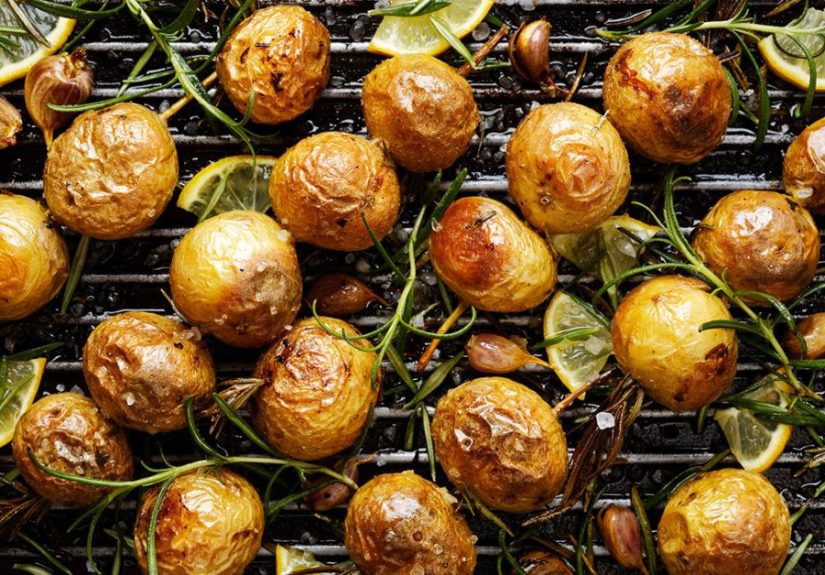
- Roast them: Use a modest amount of olive oil instead of butter or shortening.
- Air-fry them: You can get crisp edges with far less oil than deep frying.
Upgrade the toppings
Instead of building your potato like it is headed to a tailgate buffet, try toppings that support your goals:
- Plain Greek yogurt instead of sour cream
- Salsa instead of cheese sauce
- Steamed broccoli or sautéed spinach
- Black beans or lentils for extra fiber
- Chives, garlic, paprika, black pepper, or herbs for flavor without the fat bomb
- A small drizzle of olive oil instead of a large slab of butter
Pair potatoes with cholesterol-friendly foods
Potatoes work best when they are part of a balanced plate. Pair them with salmon, grilled chicken breast, tofu, beans, or lentils, plus a generous serving of vegetables. This helps keep the meal satisfying while improving its overall nutrient quality.
Keep portions realistic
A medium potato is different from a restaurant-sized potato that could moonlight as a bowling ball. Keeping portions moderate helps control calories and carbohydrates without making potatoes off-limits.
When You Should Be a Little More Careful
There are a few situations where potatoes deserve a more strategic approach.
If you have high LDL cholesterol
Your main goal should be reducing saturated fat and building a higher-fiber overall eating pattern. Potatoes can stay, but they should not crowd out oats, beans, barley, fruits, vegetables, and other foods with stronger cholesterol-lowering evidence. Think of potatoes as “allowed,” not “mission critical.”
If you have diabetes or insulin resistance
Potatoes can raise blood sugar more quickly than non-starchy vegetables, especially when served in large portions or in highly processed forms. Pairing them with protein, healthy fat, and fiber can soften the impact. Cooling cooked potatoes and eating them in balanced meals may also help some people manage fullness and portion control better, though the overall meal pattern still matters most.
If you are trying to lose weight
Potatoes are not automatically fattening. In fact, plain potatoes can be filling. The real trap is the high-calorie add-ons and restaurant-style portions. A baked potato with chili beans and vegetables is a very different situation from extra-large fries plus a bacon cheeseburger plus a milkshake plus the firm belief that tomorrow is a new day.
Common Myths About Potatoes and Cholesterol
Myth: Potatoes are high in cholesterol
Reality: Plain potatoes contain no cholesterol.
Myth: If you have high cholesterol, you must avoid potatoes
Reality: Many people with high cholesterol can still eat potatoes in moderation, especially when they are prepared in heart-healthy ways.
Myth: All potato dishes are equally unhealthy
Reality: A boiled potato, a tray of roasted potatoes, potato chips, and loaded fries are not nutritionally interchangeable. Preparation changes everything.
Myth: Potatoes have no nutritional value
Reality: Potatoes provide fiber, potassium, vitamin C, and other nutrients, especially when eaten with the skin.
The Bottom Line
Potatoes do not contain cholesterol, and they are not automatically bad for your heart. The bigger cholesterol story is about the overall eating pattern, especially saturated fat intake, total fiber intake, and how often heavily processed or fried foods show up on the menu.
If you enjoy potatoes, good news: you do not need to break up with them. Just choose better cooking methods, watch the toppings, keep portions reasonable, and make sure your diet also includes foods that are especially good at lowering LDL, like oats, beans, fruits, vegetables, and other fiber-rich staples.
In short, the potato is not the problem. The potato can be part of the solution, provided you do not dress it like a cheese-covered dare.
Real-Life Experiences: What This Looks Like in Everyday Life
One of the most common experiences people report is simple confusion. They hear “watch your cholesterol,” then look at a plate with a baked potato and assume the potato has to go. In real life, that usually is not where the trouble started. A middle-aged office worker trying to improve his cholesterol might cut potatoes for a month, then realize he is still eating breakfast sandwiches, creamy coffee drinks, buttery restaurant sides, and takeout several nights a week. The big breakthrough often comes when he stops blaming the potato and starts noticing the saturated fat packed into the rest of the menu.
Another common experience comes from home cooks who make one small change and see the whole meal improve. For example, someone who used to serve loaded baked potatoes with butter, bacon, sour cream, and cheddar may switch to roasted potatoes with olive oil, garlic, black pepper, and herbs. The result still feels comforting, but it fits much better into a cholesterol-conscious routine. People often say they expected the “healthy version” to taste sad and apologetic, then get pleasantly surprised when crispy roasted potatoes with seasoning turn out to be genuinely satisfying.
There is also the experience many families have with restaurant portions. At home, a potato might be moderate and balanced with vegetables and lean protein. At a restaurant, the same meal can become giant fries, a creamy appetizer, a cheeseburger, and a sugary drink. Then the potato gets the blame in casual conversation, even though the overall meal was the real issue. This is why many dietitians encourage looking at patterns rather than isolating one food like it committed the whole crime alone.
People with high cholesterol sometimes describe a second stage of learning: discovering that what they add matters almost more than what they remove. A plain baked potato topped with black beans, salsa, and broccoli can feel hearty and comforting while bringing in more fiber and less saturated fat. That kind of meal tends to feel less like a punishment and more like normal eating, which matters a lot for consistency. Nobody wants a heart-healthy plan that feels like a long-term argument with dinner.
For people also managing blood sugar, experiences tend to be more nuanced. Some notice they do better with smaller potato portions, especially when those potatoes are paired with protein and vegetables. Others find that mashed potatoes disappear too quickly, while roasted potatoes with skin feel more filling and easier to portion. This does not make potatoes “good” or “bad.” It just shows how personal response, meal balance, and portion size can change the picture.
Older adults often have a practical take on the subject. Potatoes are affordable, familiar, easy to cook, and widely accepted by picky eaters. For many households, the realistic goal is not to eliminate potatoes. It is to make them work harder nutritionally by changing the preparation. Using less butter, skipping the heavy cream, keeping the skin on, and serving potatoes with beans, fish, or vegetables can turn a comfort food staple into something much more supportive of heart health.
The most helpful experience of all is when people stop seeing food in cartoon terms. Potatoes are not angels, and they are not villains. They are just food. When you understand that a plain potato has no cholesterol and that the bigger issues are saturated fat, fiber, and overall diet quality, decisions become much easier. You can eat with more confidence, less fear, and a lot fewer unnecessary side-eye glances at your dinner plate.