Table of Contents >> Show >> Hide
- Why Pressure Canning Is the Only Way to Can Most Soups
- The Big Safety Rules (Because Botulism Isn’t a Vibe)
- Master Method: How to Pressure Can Soup Safely (The Template You’ll Use Forever)
- 7 Pressure Canning Soup Recipes (Actually Better Than Store-Bought)
- 1) Classic Chicken & Garden Veg Soup (Clean, Cozy, and Not Salty)
- 2) Beef & Vegetable “Sunday Roast” Soup Base
- 3) Smoky Black Bean & Corn Soup Base (Taco Night in a Jar)
- 4) Turkey & White Bean Soup Base (The “Use the Leftovers” Upgrade)
- 5) Minestrone Base (All the Flavor, None of the Unsafe Pasta-in-the-Jar)
- 6) Spicy “Pho-Inspired” Beef Broth Soup Base (Weeknight Magic)
- 7) Clam Chowder Base (Yes, You CanJust Not the Cream Part)
- Flavor Upgrades That Make Home-Canned Soup Taste “Fresh”
- Common Mistakes (and How to Avoid the “Oops Jar”)
- Experience Notes from Real Home Canners (Add This and Your Soup Gets Even Better)
- Conclusion: Your Pantry Deserves Better Soup
Store-bought soup has its place. It’s there for you on chaotic Tuesdays, it stacks neatly in a pantry, and it will never judge you
for eating it straight from the pot at 10:47 p.m. But let’s be honest: a lot of canned soup tastes like it’s been to therapy for
“emotional blandness” and is still working through it.
Pressure-canned homemade soup is the opposite. It’s bold. It’s customizable. It’s “I made this” energy in a jarwithout needing
freezer space or a second mortgage to buy artisan broth. And when you do it the right way (read: safely), you get shelf-stable
soup that’s genuinely better than store-bought: cleaner flavor, better texture, less sodium, and ingredients you actually recognize.
Why Pressure Canning Is the Only Way to Can Most Soups
Most soups are made from low-acid ingredientsvegetables, beans, meat, poultry, stockso they must be pressure canned
to reach temperatures high enough to make the food safe for shelf storage. Water-bath canning doesn’t get hot enough for low-acid foods.
Pressure canning isn’t just a “best practice.” It’s the safe practice.
The Big Safety Rules (Because Botulism Isn’t a Vibe)
Before we get to the recipes, let’s talk about the rules that keep pressure-canned soup delicious and safe. The good news:
once you understand the logic, the rules are easy to follow.
1) Skip thickeners and starchy add-ins (for now)
Don’t can soup with flour, cornstarch, cream, milk, cheese, rice, pasta, noodles, dumplings, or other thickening agents. Those ingredients
can slow heat penetration and make the contents too dense for safe processing. Want creamy chicken noodle? Greatcan the base, then add dairy
and noodles when you heat it to serve.
2) Keep the jar “brothy,” not packed like a suitcase
A safe, go-to approach is to fill jars about half solids and half liquid, then top with hot broth/tomato juice/water and
leave the correct headspace. The goal is a soup that allows heat to move through the jar predictably.
3) Use only a real pressure canner (not an electric “smart cooker”)
Stovetop pressure canners are designed and tested for home canning. Electric multi-cookers have been shown to be inconsistent for canning
low-acid foods, especially at altitude. Translation: your “Instant Soup Jar Button” is not a real thing.
4) Vent the canner and don’t cheat the clock
Venting (“exhausting”) pushes air out so the canner reaches the proper temperature for the pressure. And if pressure ever drops below the
target during processing, you must bring it back up and restart the processing time. Yes, restart. No, you can’t “round up” with optimism.
5) Processing times and headspace basics
For the general “soup” method (hot pack), a common standard is:
1-inch headspace, then process pints for 60 minutes and quarts for 75 minutes
at the correct pressure for your canner type and altitude. If the soup contains seafood, it requires a longer processing time.
Master Method: How to Pressure Can Soup Safely (The Template You’ll Use Forever)
The recipes below are built around the same safe workflow. Once you learn it, you can make a whole season of soups without reinventing
the wheelor accidentally inventing a jar of regret.
-
Prep ingredients like you would for hot-pack canning.
Choose vegetables and meats that have established home-canning guidance. Wash, peel, and cut into uniform pieces so they heat evenly. -
Cook beans fully before canning.
If using dried beans/peas, rehydrate and boil them firstno dry beans in the jar. -
Simmer the soup briefly.
Combine solids with broth/tomatoes/water to cover. Bring to a boil and simmer a few minutes. -
Fill hot jars.
Ladle solids first (aim for about half the jar), then add hot liquid, leaving 1-inch headspace. Remove bubbles,
wipe rims, and apply lids fingertip-tight. -
Process in a pressure canner.
Vent the canner, bring to pressure, and process the full time for your jar size, canner type, and altitude. -
Cool correctly.
Let pressure return to zero naturally. Wait before opening the lid, then rest jars briefly in the canner, remove, and cool undisturbed.
Check seals after 12–24 hours.
7 Pressure Canning Soup Recipes (Actually Better Than Store-Bought)
These are designed as pressure-cannable soup bases. They’re flavorful straight from the jar, but you’ll also see
“Finish at Serving” ideas so you can turn a safe base into a bowl that tastes like you simmered it all day (even if you didn’t).
1) Classic Chicken & Garden Veg Soup (Clean, Cozy, and Not Salty)
Why it beats store-bought: real chicken flavor, brighter vegetables, and you control the salt.
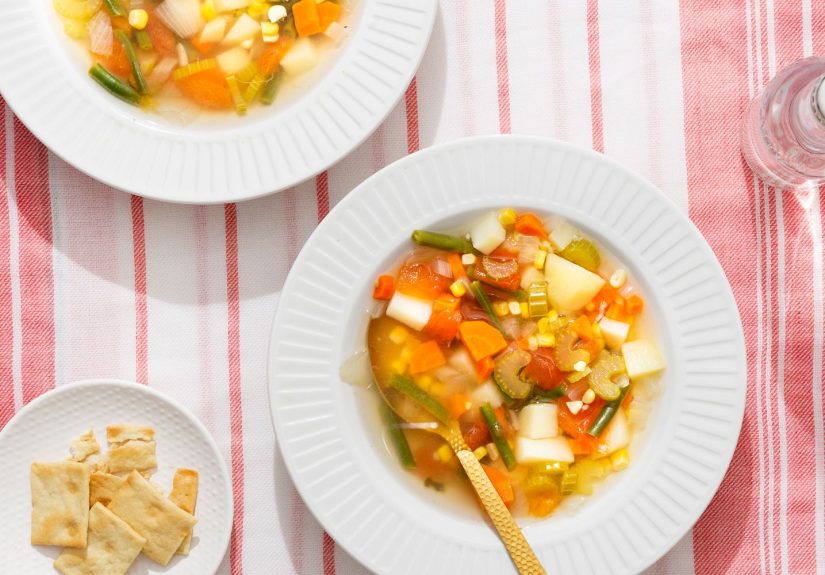
- Jar-friendly ingredients: cooked shredded chicken, carrots, onions, green beans, corn, peas, potatoes (optional), chicken stock
- Flavor builders: bay leaf, black pepper, thyme, a splash of lemon when serving
Cook: Simmer vegetables in stock until they’re hot-packed tender (not mush). Add cooked chicken near the end so it stays pleasant.
Fill: Half solids, half broth, 1-inch headspace.
Finish at serving: Add cooked noodles or rice, plus fresh parsley and lemon. Suddenly it tastes like a Sunday in a bowl.
2) Beef & Vegetable “Sunday Roast” Soup Base
Why it beats store-bought: deep beefy broth without the “mystery meat cube” vibe.
- Jar-friendly ingredients: cooked beef chunks (trim excess fat), onions, carrots, potatoes, tomatoes (diced), green beans, beef broth
- Flavor builders: garlic, black pepper, a pinch of smoked paprika, Worcestershire when serving
Cook: Brown beef for flavor, then simmer with broth and tomatoes. Add vegetables and simmer until hot-packed tender.
Finish at serving: Thicken with a quick cornstarch slurry (after opening) or stir in cooked barley for that “stew-ish” comfort.
3) Smoky Black Bean & Corn Soup Base (Taco Night in a Jar)
Why it beats store-bought: bold spices, better texture, and it doesn’t taste like “salt with beans.”
- Jar-friendly ingredients: fully cooked black beans, corn, diced tomatoes, onions, peppers, water or broth
- Flavor builders: cumin, chili powder, oregano, a little smoked paprika
Cook: Sauté onions/peppers, add tomatoes and broth, simmer, then add cooked beans and corn to heat through.
Keep it brothyno mashing or pureeing before canning.
Finish at serving: Add lime juice, cilantro, tortilla strips, and cheese or sour cream (after opening). Instant “better than a restaurant chain.”
4) Turkey & White Bean Soup Base (The “Use the Leftovers” Upgrade)
Why it beats store-bought: lean, satisfying, and not bland diet food pretending to be soup.
- Jar-friendly ingredients: cooked turkey, fully cooked white beans, carrots, onions, diced tomatoes or tomato juice, turkey stock
- Flavor builders: sage, thyme, black pepper
Cook: Heat everything together; simmer briefly. Keep pieces uniform and avoid turning it into a puree.
Finish at serving: Add a handful of kale or spinach while reheating (it wilts fast), plus a drizzle of olive oil for richness.
5) Minestrone Base (All the Flavor, None of the Unsafe Pasta-in-the-Jar)
Why it beats store-bought: tomato-rich broth with real vegetable biteand you get to add pasta without breaking rules.
- Jar-friendly ingredients: onions, carrots, green beans, diced tomatoes, cooked beans (kidney or cannellini), zucchini-free veggie mix, broth
- Flavor builders: Italian seasoning, garlic, bay leaf
Cook: Simmer vegetables in broth and tomatoes until hot-pack tender. Add cooked beans near the end. Keep it loose and brothy.
Finish at serving: Add cooked pasta, fresh basil, and parmesan. It’ll taste like you planned your life.
6) Spicy “Pho-Inspired” Beef Broth Soup Base (Weeknight Magic)
Why it beats store-bought: aromatic broth without the “artificial star anise perfume.”
- Jar-friendly ingredients: cooked beef slices or chunks, onions, carrots (optional), beef broth
- Flavor builders: toasted spices (cinnamon stick, star anise, clove) simmered in broth and strained before canning
Cook: Simmer spices in broth, then strain so the jar doesn’t turn into a spice drawer. Add cooked beef and vegetables, reheat to a boil.
Finish at serving: Add rice noodles (cooked separately), fresh herbs, and a squeeze of lime. You’ll wonder why you ever paid for mediocre takeout broth.
7) Clam Chowder Base (Yes, You CanJust Not the Cream Part)
Why it beats store-bought: briny clam flavor that isn’t muted by starch and filler.
- Jar-friendly ingredients: clams with juice, diced potatoes, onions, water (or light broth), salt/pepper
- What to avoid in the jar: butter, milk, cream (add later)
Cook: Simmer onions, potatoes, and clams with liquid briefly. Keep it brothy.
Finish at serving: After opening, reheat and stir in warmed milk/cream and a little butter. Thickening happens on the stovetop, not in the canner.
Flavor Upgrades That Make Home-Canned Soup Taste “Fresh”
Store-bought soup often tastes flat because it has to survive a long shelf life and still be polite. Your soup doesn’t.
Here’s how to make a pressure-canned base taste like it was made today:
- Use a “finish acid”: lemon juice or a splash of vinegar right before serving wakes up flavor instantly.
- Add fresh herbs late: parsley, cilantro, basil, dilladd at the end, not in the jar.
- Use texture toppers: tortilla strips, croutons, toasted nuts, or crispy onions.
- Stir in richness after opening: cream, cheese, yogurt, or coconut milk (for certain soups) belong in the reheat stage.
- Salt to taste at serving: canning-safe recipes often keep salt optional, so you get to choose your own adventure.
Common Mistakes (and How to Avoid the “Oops Jar”)
“I used my electric pressure cooker.”
Don’t. Use a stovetop pressure canner that’s designed for canning. Your soup deserves better than experimental countertop science.
“I thickened it so it would be heartier.”
Totally understandable. Still no. Can the base thin, thicken when you reheat. Your future self will thank youwhile eating soup safely.
“I packed the jar tight to fit more.”
That’s meal-prep instinct, and it’s great… for the fridge. For canning, keep it loose enough for heat to travel. Think “cozy sweater,” not “vacuum-sealed jeans.”
“The pressure dipped, but I kept timing.”
If pressure drops below the target, restart the processing time. It’s annoying, but so is foodborne illnessand foodborne illness doesn’t come with crackers.
Experience Notes from Real Home Canners (Add This and Your Soup Gets Even Better)
Let’s talk about the part nobody puts on a neat recipe card: what it actually feels like to pressure can soup at home, and the little
“I learned this the hard way” moments that make the next batch smoother.
First: the aroma. When you’re simmering a pot of soup meant for canning, the smell is wildly encouraging. It’s the opposite of opening a
factory-sealed can and getting hit with “salt and nostalgia.” Home-canned soup starts with real browning, real simmering, and real stockso
the kitchen smells like you’re doing something impressive even if you’re wearing sweatpants and a questionable ponytail.
Second: the rhythm matters. Most people who get hooked on soup canning eventually develop a flow: wash jars while broth heats, prep vegetables
in uniform sizes (this is the unsexy secret to good texture), and line up tools like a tiny soup assembly line. The biggest “upgrade” isn’t a
fancy gadgetit’s staging. Ladle, bubble remover, towel, lids, and a clean damp cloth for rims. When everything is within arm’s reach, you stop
doing the frantic “where did I put the funnel?” dance.
Third: you learn to love the “base” concept. The first time someone hears “Don’t add noodles,” they feel betrayed. The second time, they realize
the base is the whole point. A jar of chicken-and-veg base becomes chicken noodle, chicken and rice, lemon chicken, or creamy chicken soup depending
on what you add at serving. It’s like having a soup starter kit that adapts to your mood. People who keep pressure-canned bases on the shelf often
say they cook more at home, because the hard part (building flavor safely) is already done.
Fourth: fat management is a real thing. Home canners quickly notice that very fatty soups don’t store as nicely. Even when it’s safe, excess fat can
mess with qualitycloudy broth, weird mouthfeel, less clean flavor. The practical habit that shows up in experienced kitchens is simple: trim meat
well, brown and drain when appropriate, and chill broth so you can skim fat before you reheat it for jars. The result tastes cleaner and more like the
soup you actually wanted.
Fifth: pressure canning teaches patience. The canner isn’t a microwave. It wants you to vent properly, come up to pressure steadily, and cool naturally.
People who rush the cool-down learn quickly that shortcuts don’t save timethey just create siphoning (lost liquid), messy jars, and sometimes seal
failures. The funny part? Once you accept the pace, canning becomes oddly relaxing. You can’t hover it into finishing faster, so you stop hovering.
Finally: the “pop” is real joy. Ask almost any home canner what keeps them doing this, and you’ll hear about that moment when jars seal and the lids
pop as they cool. It’s the sound of future you winning. It’s also the sound of dinner insurance: a shelf of soup that can handle a snow day, a power
outage (when heated on a camp stove), a sick day, or the kind of week where cooking from scratch sounds like a fictional hobby.
So yespressure canning soup is a little work up front. But people who stick with it don’t talk about it like a chore. They talk about it like a
superpower: “I have dinner in a jar.” And honestly, that’s hard to beat.
Conclusion: Your Pantry Deserves Better Soup
Pressure-canned soup isn’t about being extra. It’s about being preparedwith food that tastes like real cooking, not like a chemistry set.
Follow safe guidelines, keep the jar brothy, leave thickeners and noodles for serving time, and you’ll build a shelf of soups that make store-bought
cans feel… a little embarrassed.