Table of Contents >> Show >> Hide
- First, a quick liver refresher (because your liver deserves it)
- The big picture: psoriasis and liver disease don’t “match” by accident
- Link #1: Inflammationthe same “fire alarm system” can ring in skin and liver
- Link #2: Metabolic syndromethe “middleman” that connects psoriasis and MASLD
- Link #3: Alcohol and the liverwhy psoriasis care often includes the “drink talk”
- Link #4: Psoriasis medications and liver healthwhat to know (without panic)
- Signs your liver might be struggling (and when to get help fast)
- Should people with psoriasis be screened for fatty liver disease?
- What actually helps both psoriasis and liver health?
- Questions to ask your dermatologist or primary care clinician
- The bottom line
- Real-World Experiences: What People Commonly Notice (and What Helps)
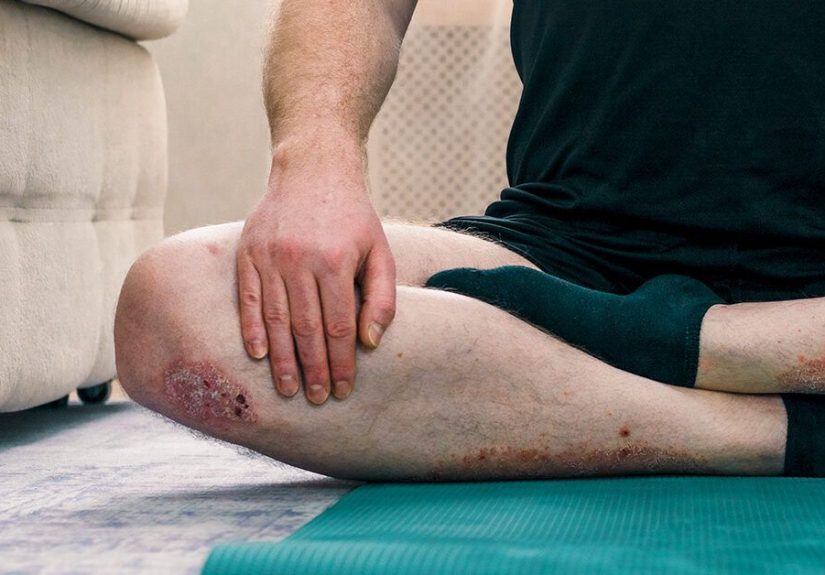
Psoriasis is famous for showing up on your elbows like it pays rent. But it’s not just a “skin thing.”
It’s a whole-body, immune-driven condition that can overlap with other health problemsespecially ones tied
to inflammation and metabolism. One of the most talked-about (and most underdiagnosed) companions is
fatty liver diseasenow commonly referred to as MASLD (metabolic dysfunction–associated steatotic liver disease).
If you’ve ever thought, “Wait… what does my skin have to do with my liver?” you’re not alone. The short answer:
shared inflammation, shared metabolic risk factors, and sometimes shared medication side effects.
The longer answer is what you’re here forso let’s connect the dots without turning this into a biology textbook
you regret opening.
First, a quick liver refresher (because your liver deserves it)
Your liver is your body’s all-purpose “processing department.” It manages nutrients, filters chemicals, helps with
digestion, and handles a huge chunk of medication metabolism. When fat builds up inside liver cells, that’s
fatty liver disease. If it’s driven by metabolic factors (like insulin resistance, high triglycerides, or obesity),
the modern umbrella term is MASLD. Some people still see the older term NAFLD used interchangeably.
Fatty liver disease can sit quietly for yearsoften with no symptomswhile inflammation and scarring slowly build.
The more aggressive inflammatory form is often called MASH (formerly “NASH”), and advanced scarring can lead
to cirrhosis and its complications. The tricky part is that many people feel totally fine until liver damage is
more advanced.
The big picture: psoriasis and liver disease don’t “match” by accident
Researchers have consistently found that people with psoriasis are more likely to have fatty liver disease than people
without psoriasis, even after accounting for common risk factors. That doesn’t mean psoriasis automatically causes
liver diseasebut it does mean the overlap is real enough that clinicians take it seriously.
Why the overlap happens
- Systemic inflammation: Psoriasis involves immune signals that don’t stay politely confined to the skin.
- Metabolic risk factors: Psoriasis is linked with higher rates of obesity, insulin resistance, and metabolic syndromemajor drivers of fatty liver.
- Medication considerations: Some effective psoriasis treatments can stress the liver, especially if fatty liver is already present.
- Lifestyle “collisions”: Alcohol use, diet patterns, and activity levels can influence both skin inflammation and liver health.
Link #1: Inflammationthe same “fire alarm system” can ring in skin and liver
Psoriasis is powered by immune pathways that amplify inflammation across the body. Certain inflammatory messengers
(cytokines) involved in psoriasis are also implicated in insulin resistance and fatty changes in the liver. Think of it
like this: the immune system in psoriasis can behave like an overenthusiastic group chatsending constant notifications
that keep multiple organs “activated.”
In fatty liver disease, inflammation and metabolic stress can trigger fat buildup and, in some people, progression
toward scarring (fibrosis). When psoriasis is more severe, the overall inflammatory burden can be higherone reason
some studies report more liver fibrosis risk in psoriasis populations with fatty liver.
Link #2: Metabolic syndromethe “middleman” that connects psoriasis and MASLD
Metabolic syndrome isn’t one single diseaseit’s a cluster of risk factors like abdominal obesity, high blood pressure,
high triglycerides, low HDL (“good cholesterol”), and impaired glucose control. It’s also one of the most common bridges
between psoriasis and fatty liver disease.
Many people first learn they have fatty liver because routine labs show mildly elevated liver enzymesor because imaging
incidentally reports “fatty infiltration.” Meanwhile, psoriasis may have been present for years. When clinicians step back
and look at the whole person, the pattern often includes weight gain, rising glucose, or changes in cholesterol over time.
A realistic example (not a diagnosisjust a familiar story)
Imagine someone with moderate plaque psoriasis who’s busy, stressed, and sleeping like it’s an optional hobby. Over a few years,
their weight creeps up, their A1C nudges into prediabetes territory, and a routine checkup reveals mildly elevated ALT. An ultrasound
shows fatty liver. Nothing “mystical” happenedthis is the classic metabolic pathway that can connect psoriasis and MASLD.
Link #3: Alcohol and the liverwhy psoriasis care often includes the “drink talk”
Alcohol doesn’t cause psoriasis, but it can worsen psoriasis flares for some people and can also increase liver injury riskespecially
when combined with medications that are processed through the liver. Even modest alcohol intake may be discouraged in certain treatment plans,
depending on your liver profile and your medication choices.
The point isn’t shame; it’s strategy. If your liver is already dealing with fat accumulation or inflammation, reducing alcohol can be one of
the simplest ways to lower the “total liver workload.” Your skin may thank you, too.
Link #4: Psoriasis medications and liver healthwhat to know (without panic)
Here’s where things can get confusing fast: psoriasis itself is linked to fatty liver disease, and some psoriasis treatments can affect the liver.
That doesn’t mean treatment is unsafeit means treatment should be chosen wisely and monitored appropriately.
Methotrexate: effective, affordable, and… yes, a liver conversation
Methotrexate has a long history in psoriasis care. With long-term use, it has been associated with fatty liver changes and liver fibrosis in a small
subset of patients. What makes risk higher? Often it’s not just the medicationit’s the presence of metabolic risk factors like obesity, diabetes, or
existing fatty liver disease. That’s why clinicians may check baseline labs and monitor over time, and why treatment decisions often factor in your
overall metabolic and liver profile.
Oral retinoids (like acitretin): helpful for some, but requires liver monitoring
Acitretin can raise liver enzymes in some people and rarely cause clinically apparent liver injury. It’s not a reason to fear the drug; it’s a reason
to use it with eyes openespecially if you already have liver disease or significant metabolic risk factors. Monitoring liver tests is a routine part
of safe use.
Cyclosporine and other systemic agents
Cyclosporine can sometimes cause mild, reversible changes in liver tests, though its biggest long-term concern is often kidney-related. Still, if you’re
on systemic therapy, periodic lab monitoring is part of responsible care. Your liver is not being “punished”it’s being protected.
Newer options and special cases
Some non-biologic oral agents have minimal direct liver toxicity in the published literature, and many biologic therapies are used safely in a wide range
of patients. However, if you have chronic viral hepatitis or past hepatitis B exposure, certain immunomodulating therapies can carry a risk of viral
reactivation. That’s why clinicians may screen for hepatitis markers and coordinate care when needed.
Signs your liver might be struggling (and when to get help fast)
Fatty liver disease is often silent. But advanced liver disease can declare itself in ways that are hard to ignore. Contact a clinician promptly if you
notice:
- Yellowing of the eyes/skin (jaundice)
- Dark urine or very pale stools
- New abdominal swelling, especially with ankle swelling
- Easy bruising or unusual bleeding
- Persistent nausea, vomiting, or severe fatigue that’s new for you
- Confusion or “brain fog” that’s unusual or worsening
If symptoms are severe, sudden, or accompanied by significant pain, fever, or confusion, seek urgent evaluation.
Should people with psoriasis be screened for fatty liver disease?
There isn’t one universal screening rule for everyone with psoriasis, but many clinicians have a low threshold to evaluate liver riskespecially if you
have any of the following:
- Overweight/obesity
- Prediabetes or type 2 diabetes
- High triglycerides or abnormal cholesterol
- High blood pressure
- History of significant alcohol use
- Planned or ongoing systemic psoriasis treatment that involves liver monitoring
What screening can look like
Your clinician might start with routine liver blood tests (ALT/AST and others), review medications and alcohol intake, and consider imaging (often an ultrasound).
In some situations, noninvasive fibrosis assessments may be used to estimate scarring riskbecause knowing whether there’s fibrosis can change management.
What actually helps both psoriasis and liver health?
The sweet spot is the overlap where liver-friendly habits are also inflammation-friendly habits. Not glamorous. Very effective.
1) Weight loss (if recommended) small changes can matter
Even modest weight loss can reduce liver fat. Bigger, sustained improvements often help more, but the key is realistic, maintainable progressnot crash diets
that burn bright and end in tears (and takeout).
2) Move your body in a way you’ll actually repeat
You don’t need a heroic workout montage. Regular walking, cycling, swimming, strength training, or anything that improves insulin sensitivity can support liver
health and may help systemic inflammation.
3) Make your diet boring in the best way
A consistent patternmore fiber, fewer ultra-processed foods, fewer sugary drinks, better portion balancetends to support both metabolic health and inflammation.
If you do best with a structured eating style (Mediterranean-ish, higher protein, lower added sugar), pick the one you’ll follow on a random Tuesday, not just
in a burst of motivation on January 2.
4) Limit alcohol when liver risk is on the table
If fatty liver disease is present (or suspected), alcohol reduction is often one of the highest-impact steps you can take. This is especially true if you’re
using a medication that requires liver monitoring.
Questions to ask your dermatologist or primary care clinician
- “Given my psoriasis severity and my health history, should we check for fatty liver disease?”
- “Do my lab results suggest liver inflammation or metabolic risk?”
- “Which psoriasis treatments fit best with my liver profile?”
- “If I have fatty liver disease, should I see a liver specialist?”
- “What lifestyle targets would make the biggest difference for my liver and psoriasis?”
The bottom line
The link between psoriasis and liver disease is less about “random bad luck” and more about shared biologysystemic inflammation and metabolic dysfunction.
Add in medication considerations, and the connection becomes clinically important.
The good news: many of the most effective steps for protecting your liver are also the steps that support whole-body healthand can make psoriasis management
smoother. The goal isn’t perfection. It’s reducing the total inflammation and metabolic burden so your skin (and liver) aren’t fighting an uphill battle.
Real-World Experiences: What People Commonly Notice (and What Helps)
This topic can feel abstract until it shows up in real lifeusually as a surprise lab result when you thought you were just refilling a prescription.
Below are common experiences clinicians hear and patients describe. These are illustrative patterns, not medical advice or any single person’s story.
Experience #1: “My skin was flaring… and my labs were, too”
A common theme is that psoriasis flares sometimes happen in the same season of life as metabolic changes: weight gain after a job change, less activity after an injury,
stress-eating during caregiving, or disrupted sleep. People may notice their plaques are angrier and more widespread, then learn their cholesterol and glucose have also
crept up. When liver enzymes come back mildly elevated, it can feel like the body is staging a coordinated protest.
What tends to help in these situations isn’t one magic supplementit’s addressing the “whole environment”: improving sleep routines, aiming for steady movement,
and making one or two diet changes that reduce added sugar and ultra-processed calories. Many people find that when their metabolic markers stabilize, their
psoriasis becomes more predictable and treatment response improves.
Experience #2: “I had fatty liver and suddenly methotrexate wasn’t an easy choice”
Another real-world scenario: someone does well on an oral systemic medication, then imaging or labs suggest fatty liver disease. The emotional whiplash is real:
“WaitI finally found something that works for my skin, and now my liver is in the group chat?”
In practice, this often becomes a shared decision-making moment. Clinicians may adjust the planmore frequent monitoring, addressing metabolic risk aggressively,
or choosing an alternative therapy with a different safety profile. Patients who do best here are usually the ones who treat the change as a strategy pivot,
not a personal failure. It’s not about blame; it’s about reducing risk while keeping psoriasis controlled.
Experience #3: “I felt fine… so I assumed my liver was fine”
People are often stunned that fatty liver disease can be silent. “No pain, no symptoms, no clue” is practically the unofficial motto. Sometimes the only hint is
mild fatigue that’s easy to blame on life, work, or stress. That’s why it’s common to hear: “If my doctor hadn’t checked, I never would’ve known.”
Once diagnosed, many people do well with concrete, measurable goalslike walking after dinner most days, swapping sugary drinks for water or unsweetened tea, or
targeting slow, sustainable weight loss if recommended. The experience can be empowering: instead of feeling trapped by “invisible disease,” patients can see
improvements in follow-up labs or imaging over time.
Experience #4: “Lifestyle advice felt overwhelming… until it got specific”
“Eat healthier and exercise more” is not a planit’s a fortune cookie. People report the biggest success when advice becomes specific and personalized:
a realistic activity target, a simple protein-and-fiber breakfast to reduce cravings later, meal-prep strategies for busy weeks, or a referral to a dietitian.
Many also find it helpful when clinicians connect the dots: “This isn’t just for your liver; it supports inflammation overall.”
In the long run, the best approach tends to be the least dramatic: consistent habits, regular monitoring when needed, and treatment choices that respect both skin
control and liver safety.