Table of Contents >> Show >> Hide
- What Is Red Raspberry Seed Oil?
- Why Do People Say Red Raspberry Seed Oil Works Like Sunscreen?
- Is Red Raspberry Seed Oil an Effective Sunscreen?
- How Red Raspberry Seed Oil Can Support Skin Health
- How to Use Red Raspberry Seed Oil in Your Skincare Routine
- Who Should Be Careful With Red Raspberry Seed Oil?
- Red Raspberry Seed Oil vs. Sunscreen: How They Should Work Together
- Common Myths About Red Raspberry Seed Oil
- What to Look for When Buying Red Raspberry Seed Oil
- Realistic Benefits of Red Raspberry Seed Oil
- Experience-Based Notes: What Using Red Raspberry Seed Oil Can Feel Like in Real Life
- Conclusion
Red raspberry seed oil sounds like the kind of beauty ingredient that was born in a farmers market, raised in a spa, and promoted by someone with flawless skin standing in golden-hour lighting. It is rich, plant-based, naturally fragrant in the faintest berry-adjacent way, and often praised as a multitasking oil for dry skin, dullness, irritation, and even sun protection.
But here is the million-dollar skincare question: Can red raspberry seed oil really work as sunscreen? The honest answer is: not reliably enough to replace a tested, broad-spectrum sunscreen. That may disappoint anyone hoping to swap their SPF bottle for a tiny amber dropper, but it is also great news for your skin. Red raspberry seed oil can still be a lovely supporting actor in a healthy skincare routineit just should not be cast as the superhero in charge of blocking ultraviolet rays.
This guide breaks down what red raspberry seed oil is, why people connect it with sunscreen, what the research actually suggests, and how to use it wisely for softer, calmer, better-moisturized skin.
What Is Red Raspberry Seed Oil?
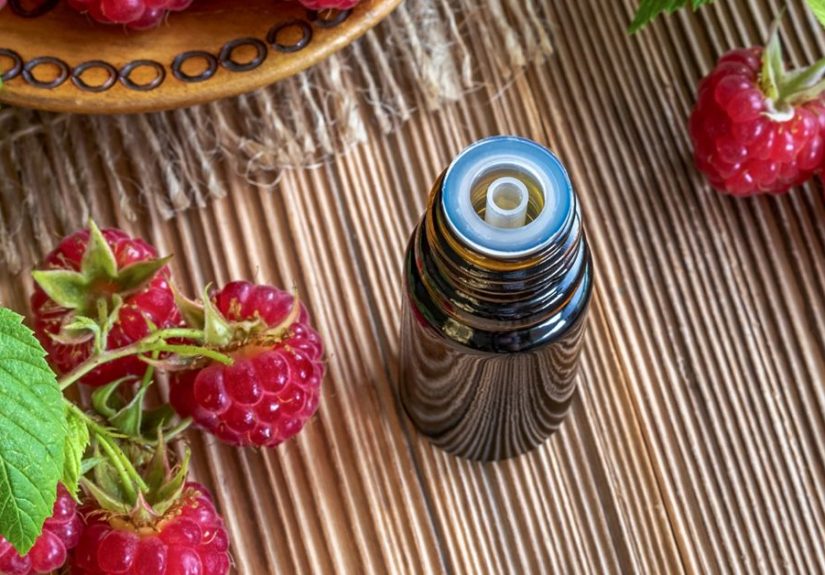
Red raspberry seed oil is a plant oil pressed from the tiny seeds of red raspberries, also known botanically as Rubus idaeus. Instead of coming from the juicy fruit itself, the oil is extracted from the seeds left behind after raspberry processing. In other words, it is a clever way to turn what might have been food-industry leftovers into a skincare ingredient with real cosmetic value. Mother Nature hates waste; apparently, she also enjoys a good face oil.
The oil is valued because it contains a high percentage of essential fatty acids, especially linoleic acid and alpha-linolenic acid. These fatty acids help support the skin’s lipid barrier, the protective layer that keeps moisture in and environmental annoyances out. A healthy skin barrier is like a polite but firm bouncer at the club door: hydration gets to stay, irritants are asked to leave.
Red raspberry seed oil also contains antioxidant compounds, including tocopherols, which are forms of vitamin E, along with phytosterols and other naturally occurring plant compounds. These components are why the oil is often included in moisturizers, facial oils, body oils, lip products, and after-sun formulas.
Why Do People Say Red Raspberry Seed Oil Works Like Sunscreen?
The sunscreen conversation started largely because some early laboratory research suggested that red raspberry seed oil might absorb certain ultraviolet wavelengths. Over time, that idea traveled through blogs, natural beauty forums, and DIY skincare recipes, eventually turning into the popular claim that red raspberry seed oil has an SPF somewhere around 28 to 50.
That number sounds impressive. It also sounds suspiciously convenient, like when someone says they “accidentally” made perfect sourdough on the first try. The problem is that sunscreen protection is not measured by wishful thinking, vibes, or how botanical an ingredient sounds. A true sunscreen must be tested under standardized conditions to confirm its SPF rating, broad-spectrum performance, water resistance, stability, and real-world effectiveness on human skin.
Red raspberry seed oil has not been proven to provide dependable broad-spectrum protection in the way a regulated sunscreen product must. More recent evaluations have found much lower SPF values than the viral claims suggest. That does not make the oil useless. It simply means it belongs in the moisturizer lane, not the “stand between your face and ultraviolet radiation” lane.
Is Red Raspberry Seed Oil an Effective Sunscreen?
No, red raspberry seed oil should not be used as your only sunscreen. It may offer limited photoprotective properties in certain laboratory settings, but it does not provide consistent, tested, broad-spectrum protection against both UVA and UVB rays.
That distinction matters. UVB rays are the rays most associated with sunburn. UVA rays penetrate more deeply and contribute to premature skin aging, uneven pigmentation, and long-term skin damage. A good sunscreen needs to help protect against both. That is why dermatologists recommend using a broad-spectrum sunscreen with SPF 30 or higher, especially when your skin is exposed outdoors.
Red raspberry seed oil also lacks the practical features people need from sunscreen. It is not tested for water resistance. It does not come with verified reapplication instructions. It does not form the same predictable protective film that properly formulated sunscreen does. And because plant oils can oxidize, separate, or change depending on quality and storage conditions, one bottle may not behave exactly like another.
The Bottom Line on SPF Claims
Red raspberry seed oil may be a useful skincare oil, but it is not a dependable replacement for sunscreen. If you are going outside, use a broad-spectrum SPF 30 or higher, reapply as directed, wear sun-protective clothing, seek shade, and treat raspberry seed oil as a nourishing add-onnot your entire sun-safety strategy.
How Red Raspberry Seed Oil Can Support Skin Health
Now that we have taken away its imaginary superhero cape, let’s give red raspberry seed oil credit for what it can actually do. As a cosmetic ingredient, it has several attractive properties, especially for dry, rough, or barrier-stressed skin.
1. It Helps Moisturize and Soften the Skin
Red raspberry seed oil is an emollient, meaning it helps smooth and soften the skin. It can reduce the feeling of roughness by filling in tiny gaps between skin cells on the surface. This is why facial oils often make skin look instantly glowier. They do not rebuild your entire skin barrier overnight, but they can make the surface feel more comfortable and less flaky.
For dry skin, a few drops of red raspberry seed oil layered over a moisturizer can help seal in hydration. Think of moisturizer as the drink of water and oil as the cozy blanket that helps keep that water from disappearing too quickly.
2. It Contains Essential Fatty Acids
The high concentration of linoleic acid and alpha-linolenic acid is one of red raspberry seed oil’s biggest selling points. Linoleic acid is especially interesting in skincare because it is naturally present in the skin’s barrier lipids. When the barrier is compromised, skin may feel tight, flaky, itchy, or easily irritated.
Using oils rich in essential fatty acids may help support a smoother, more comfortable skin surface. This does not mean red raspberry seed oil is a medical treatment for eczema, psoriasis, or dermatitis, but it may be a helpful cosmetic option for people whose skin feels dry or easily stressed.
3. It Offers Antioxidant Support
Red raspberry seed oil contains antioxidant compounds such as tocopherols. Antioxidants help defend the skin’s surface from environmental stressors, including pollution and oxidative stress. They are not a force field, and they will not make you immune to sun damage, but they can be a useful part of a well-rounded skincare routine.
This is where red raspberry seed oil pairs nicely with sunscreen. Sunscreen helps reduce UV damage; antioxidants help support the skin against environmental stress. They are teammates, not substitutes. One blocks the door, the other helps clean up the room.
4. It May Help Calm the Feeling of Dryness
Many people like red raspberry seed oil because it feels soothing on dry or uncomfortable skin. The fatty acid profile and emollient texture may help reduce the sensation of tightness. It can be especially pleasant after cleansing, when the skin sometimes feels a little too squeaky-clean.
The trick is to apply it correctly. Oils work best when layered over slightly damp skin or over a water-based moisturizer. If you apply oil to bone-dry skin and expect it to hydrate like a serum, your skin may look shiny but still feel thirsty underneath. Hydration and oil are related, but they are not identical twins.
5. It Can Add Glow Without a Heavy Finish
Compared with thicker oils, red raspberry seed oil often feels relatively lightweight. Many users describe it as smooth and cushiony rather than greasy. This makes it appealing in facial oils, body oils, and glow-boosting moisturizers.
That said, every skin type is different. Acne-prone skin, very oily skin, and sensitive skin should approach any new oil with caution. “Natural” does not automatically mean “your pores invited it to dinner.” Patch testing is always smart.
How to Use Red Raspberry Seed Oil in Your Skincare Routine
Red raspberry seed oil is easy to use, but a little strategy makes it more effective. You do not need to bathe in it like a salad dressing commercial. A few drops are usually enough.
For the Face
After cleansing, apply your water-based products first, such as toner, essence, hydrating serum, or moisturizer. Then warm one to three drops of red raspberry seed oil between your palms and press it gently onto the skin. If you use it during the day, apply sunscreen as the final skincare step before makeup.
If your sunscreen pills or separates when layered over oil, use the oil at night instead. Sunscreen needs to form an even film, and a slippery layer underneath can sometimes interfere with application. Your face oil can wait until bedtime; it is not offended.
For the Body
Apply red raspberry seed oil after a shower while the skin is still slightly damp. It can be used alone or mixed with an unscented body lotion. This is especially useful for elbows, knees, shins, hands, and other areas that tend to become dry.
For Hair Ends
A tiny amount can be smoothed over dry hair ends to reduce the look of frizz and add shine. Use less than you think you need. Hair oils have a way of going from “silky” to “I lost a fight with a french fry basket” very quickly.
Who Should Be Careful With Red Raspberry Seed Oil?
Most people can try red raspberry seed oil as a cosmetic ingredient, but it is not perfect for everyone. If you have very sensitive skin, a history of allergies to berries or botanicals, or a tendency to react to plant oils, test it on a small area first.
People with acne-prone skin should also introduce it slowly. Although oils rich in linoleic acid are often considered more suitable for breakout-prone skin than heavier oils, individual reactions vary. Use it two or three times a week at first and watch how your skin responds.
Also pay attention to freshness. Plant oils can go rancid when exposed to heat, light, and air. Choose cold-pressed oil from a reputable brand, store it in a cool, dark place, and toss it if the smell becomes sharp, sour, or paint-like.
Red Raspberry Seed Oil vs. Sunscreen: How They Should Work Together
The smartest way to use red raspberry seed oil is not as a sunscreen replacement but as a skin-conditioning partner. In the morning, your routine might look like this:
- Gentle cleanser
- Hydrating serum or moisturizer
- Broad-spectrum SPF 30 or higher
- Makeup, if desired
If you love red raspberry seed oil, consider using it at night:
- Cleanser
- Hydrating serum
- Moisturizer
- One to three drops of red raspberry seed oil pressed on top
This gives you the moisturizing and antioxidant benefits without risking interference with sunscreen application. It also keeps the message simple: sunscreen protects; red raspberry seed oil nourishes.
Common Myths About Red Raspberry Seed Oil
Myth 1: “It Has SPF 50, So I Can Skip Sunscreen.”
This is the big one, and unfortunately, it is not supported well enough for real-life use. SPF claims for oils are often based on limited or misunderstood research. A regulated sunscreen must be tested as a finished product, not assumed effective because one ingredient showed limited UV absorption.
Myth 2: “Natural Oils Are Safer Than Sunscreen.”
Natural ingredients can be useful, but natural does not always mean safer or more effective. Poison ivy is natural. So is a sunburn. Tested sunscreens exist because UV protection is too important to guess.
Myth 3: “If My Skin Doesn’t Burn, It’s Protected.”
Not burning does not mean your skin avoided damage. UVA exposure can contribute to long-term skin aging and pigmentation even when you do not turn red. This is one reason broad-spectrum sunscreen matters.
What to Look for When Buying Red Raspberry Seed Oil
Choose a product labeled cold-pressed, unrefined, and packaged in a dark glass bottle when possible. Cold pressing helps preserve delicate components, while dark packaging protects the oil from light exposure.
Check the ingredient list. If you want pure red raspberry seed oil, the label should list Rubus idaeus seed oil as the main or only ingredient. If the product is a blend, that is fine toojust make sure you know what else is in it, especially if your skin is sensitive to fragrance or essential oils.
A good oil should smell mild, earthy, nutty, or faintly fruity. It should not smell aggressively sour or stale. If it smells like an old cupboard with skincare ambitions, it is time to say goodbye.
Realistic Benefits of Red Raspberry Seed Oil
Here is the realistic scorecard: red raspberry seed oil may help soften dry skin, support the skin barrier, provide antioxidant compounds, improve the feel of rough patches, add glow, and make moisturizers feel more nourishing. It may be especially appealing for people who enjoy minimalist skincare and plant-based ingredients.
What it should not do is replace your daily sunscreen, treat serious skin conditions, cure acne, erase wrinkles, or make sun protection optional. Used wisely, it is a helpful cosmetic oil. Used recklessly, it becomes another example of the internet trying to turn a nice ingredient into a miracle.
Experience-Based Notes: What Using Red Raspberry Seed Oil Can Feel Like in Real Life
In real-world skincare routines, red raspberry seed oil often works best when expectations are practical. The first thing many people notice is texture. It is not as thick as castor oil and not as instantly disappearing as some ultra-light dry oils. It sits in a comfortable middle zone: rich enough to make skin feel cushioned, but not necessarily so heavy that your face looks like a glazed donut auditioning for a bakery window.
For dry skin, the most satisfying way to use it is usually at night. After cleansing, apply a simple moisturizer, then press two or three drops of red raspberry seed oil over the top. By morning, skin may feel softer and less tight, especially around the cheeks, mouth, and forehead. The effect is not dramatic like a peel or retinoid. It is more like your skin got a decent night’s sleep and stopped sending complaint emails.
For combination skin, the best approach is targeted application. Instead of spreading oil everywhere, apply it only where your skin feels dry. That may mean the outer cheeks in winter, the corners of the nose after a cold, or the jawline after using a strong cleanser. This avoids overloading oilier areas such as the T-zone.
For sensitive skin, patch testing matters. A practical test is to apply a tiny amount behind the ear or along the jaw for a few nights. If there is no redness, itching, burning, or new bumps, try it on a small facial area. This slow introduction may feel boring, but boring is underrated in skincare. Skin drama is expensive.
One common mistake is applying too much. Because oils feel luxurious, it is tempting to use half the bottle and call it self-care. Unfortunately, more oil does not always mean more benefit. Too much can make sunscreen slide, makeup separate, pillowcases stain, or pores feel congested. Start with one drop for oily skin, two drops for normal skin, and three drops for dry skin. Adjust only after seeing how your skin responds.
Another real-life lesson: red raspberry seed oil is better as a supporting product than a routine centerpiece. It pairs well with gentle cleansers, fragrance-free moisturizers, hyaluronic acid serums, ceramide creams, and mineral or chemical sunscreens. It may not pair as well directly under sunscreen if it leaves a slick finish. If your sunscreen starts pilling, streaking, or refusing to blend, move the oil to your evening routine.
People who spend a lot of time outdoors should be especially careful not to confuse “skin feels moisturized” with “skin is protected.” Red raspberry seed oil can make skin feel comfortable after washing or after sun exposure, but comfort is not the same as UV defense. For beach days, hikes, sports, gardening, driving, or long walks, use a tested broad-spectrum sunscreen, reapply it, and add hats, sunglasses, and shade. Your future skin will send a thank-you note.
As an after-sun comfort product, red raspberry seed oil can be pleasant when layered over aloe gel or a lightweight moisturizer after the skin has cooled down. However, it should not be applied to severe sunburn, blistered skin, or broken skin. In those cases, skip the beauty experimentation and focus on appropriate care.
The best experience with red raspberry seed oil comes from treating it like a high-quality finishing touch. It is not magic. It is not sunscreen in disguise. It is a nourishing plant oil with a useful fatty acid profile and a lovely skin feel. When used with realistic expectations, it can earn a steady place on the shelfright next to, not instead of, your SPF.
Conclusion
Red raspberry seed oil deserves attention, but it also deserves accuracy. It is a nutrient-rich botanical oil with essential fatty acids, antioxidant compounds, and moisturizing benefits that can support smoother, softer, more comfortable skin. It may be a wonderful addition to a nighttime skincare routine, a body-care ritual, or an after-sun moisturizing step.
However, the popular claim that red raspberry seed oil works as a reliable sunscreen is not strong enough for real-life sun protection. For daily UV defense, use a tested broad-spectrum sunscreen with SPF 30 or higher, reapply it properly, and combine it with shade and protective clothing. Let red raspberry seed oil do what it does best: nourish the skin. Let sunscreen do what your skin truly needs: protect it.
Note: This article is for general educational skincare content. Red raspberry seed oil should not replace a properly tested broad-spectrum sunscreen, especially during direct outdoor sun exposure.