Table of Contents >> Show >> Hide
- What Are Redecker Copper Cloths?
- Why Redecker Copper Cloths Stand Out
- What Redecker Copper Cloths Are Best For
- Where You Should Not Use Them
- How to Use Redecker Copper Cloths the Right Way
- Are Redecker Copper Cloths Sustainable?
- Who Should Buy Redecker Copper Cloths?
- Common Buying Questions
- Final Verdict
- Everyday Experiences with Redecker Copper Cloths
- SEO Tags
Some cleaning tools are all swagger and no substance. They promise miracles, then tap out the second they meet a casserole dish that has seen things. Redecker Copper Cloths are not that kind of tool. They are more like the calm, practical friend who walks into kitchen chaos, rolls up their sleeves, and quietly fixes the problem without making a speech about it.
These reusable copper cleaning cloths have built a loyal following because they hit a sweet spot that is surprisingly hard to find: they are tough on grime, gentle on many surfaces, and refreshingly low-tech. No batteries, no perfume cloud, no mysterious “active crystals.” Just woven copper fiber doing old-school cleanup work with a very modern level of efficiency.
If you have ever stared down burnt-on food, cloudy stainless steel, tea-stained mugs, or a sink that lost its sparkle three dinners ago, Redecker Copper Cloths may look suspiciously simple. That is part of the charm. They are a humble tool with a very un-humble work ethic.
What Are Redecker Copper Cloths?
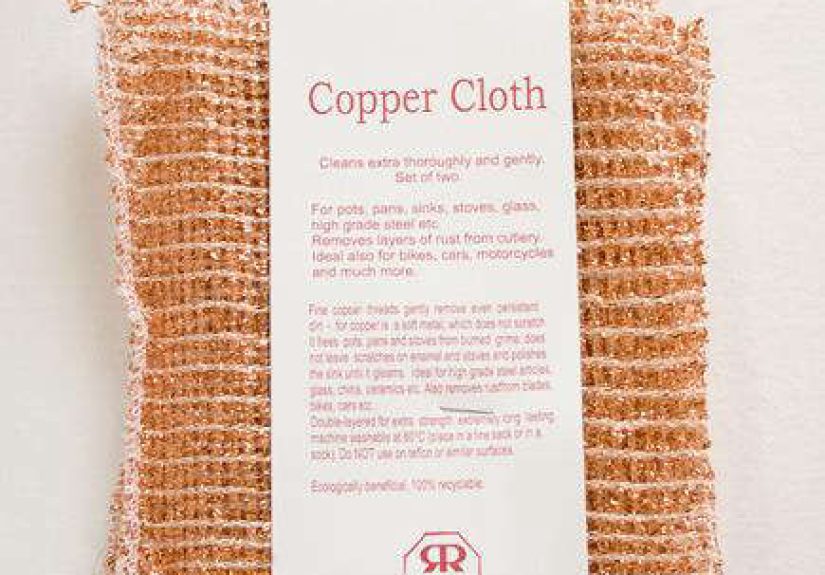
Redecker Copper Cloths are reusable cleaning cloths woven with fine copper fibers, usually sold as a set of two. The brand itself comes from Bürstenhaus Redecker, a German family company whose roots go back to 1935. Over the decades, Redecker has become known for household tools that blend craftsmanship, utility, and a no-nonsense design philosophy. In other words, they make products that actually want to work for a living.
The copper cloths are designed to remove stubborn dirt, burnt-on food, grease, and even light rust from certain items without acting like a wrecking ball. Because copper is a relatively soft metal, these cloths are marketed as a gentler alternative to harsher scouring tools when used correctly. That “used correctly” part matters, and we will get to it before anyone accidentally declares war on a favorite pan.
Why Redecker Copper Cloths Stand Out
They scrub without acting feral
The big selling point is controlled cleaning power. Redecker Copper Cloths are strong enough to tackle grime on pots, pans, sinks, ovens, glass, stainless steel, and ceramic cooktops, yet they are intended to do so without scratching many of those surfaces when used wet. That makes them appealing to people who want more scrubbing muscle than a soft sponge but less drama than steel wool.
They are reusable, not disposable divas
One reason these cloths keep showing up in curated kitchen shops is that they are built to last. Many product listings describe them as double-layered for extra durability, and the official care guidance says they can be machine washed. That means they are not a one-and-done cleaning fling. They stick around, which is great for your kitchen drawer and a little kinder to your trash can.
They make boring chores slightly less boring
There is something oddly satisfying about using a tool that feels physical and effective. A Redecker Copper Cloth does not glide around pretending to help. It grips. It works. It gives you that “wow, that pan had a bottom under all that mess” moment. Cleaning still is not a hobby for most people, but this at least moves it out of the punishment category.
What Redecker Copper Cloths Are Best For
These cloths shine most when the job is too tough for a dish rag but does not call for an industrial intervention. Common use cases include:
- Pots and pans: especially when food has baked itself on like it signed a lease.
- Sinks and faucets: useful for lifting grime and restoring shine on stainless surfaces.
- Glass and ceramic cooktops: good for removing residue when used with care and plenty of water.
- Ovens and stove areas: handy for greasy spots and cooked-on splatter.
- Cutlery and utensils: often recommended for removing surface rust from certain metal items.
- Stainless steel and chrome details: useful when you want clean, polished, and less sad-looking surfaces.
Some retailers also mention uses beyond the kitchen, such as bicycles, grills, tile backsplashes, and shiny metal parts around the house. That flexibility is a big part of the product’s appeal. It is one of those tools that starts in the kitchen and somehow ends up cleaning a dozen other things because you keep finding excuses to use it.
Where You Should Not Use Them
This is the section that deserves a tiny spotlight and perhaps a dramatic soundtrack: do not use Redecker Copper Cloths on Teflon or other nonstick surfaces. Multiple seller and care sources repeat this warning for good reason. Nonstick coatings are not fans of abrasive action, even when the abrasive is considered gentler than steel wool.
That means no heroic scrubbing of your favorite nonstick skillet, no experimental “just this one time,” and no treating the pan like a science project. If a surface has a delicate nonstick coating, back away slowly and choose a softer cleaning method instead.
It is also smart to test any unfamiliar surface first, especially polished finishes, specialty coatings, or decorative materials. “Gentle” is not the same as “universal.” Kitchens love exceptions almost as much as recipes do.
How to Use Redecker Copper Cloths the Right Way
Always use them wet
This is the golden rule. Redecker Copper Cloths are meant to be used with water, not dry. Moisture helps the copper fibers glide more safely across the surface and reduces the chance of scratching. Dry scrubbing is where confidence goes to make bad decisions.
Pair them with common sense
For everyday use, wet the cloth thoroughly and scrub with light to moderate pressure. Let the cloth do the work. You do not need to attack the pan like it insulted your family. On burnt-on messes, soaking the item first often makes the process easier and faster.
Rinse and clean after use
After cleaning, rinse the cloth well so trapped grease and food residue do not stay behind for an encore performance next time. Many sources note that the cloths are machine washable up to 60°C, ideally inside a laundry bag or even a sock to keep them from snagging during the wash. It is not glamorous advice, but neither is untangling a copper cloth from your laundry.
Are Redecker Copper Cloths Sustainable?
They can be a smart pick for people trying to reduce disposable cleaning waste. First, the cloths are reusable and washable, which already gives them an edge over single-use scrubbers that burn bright and die young. Second, copper itself is a recyclable material, which helps support the broader sustainability story often associated with durable household tools.
That said, “sustainable” works best when it is paired with “used for a long time.” The real environmental value here comes from buying fewer throwaway scrubbers and keeping one reliable tool in rotation. In practical terms, Redecker Copper Cloths fit well into a low-waste kitchen setup because they are simple, durable, and not engineered to fall apart the minute they meet a lasagna pan.
Who Should Buy Redecker Copper Cloths?
These cloths make the most sense for people who cook often, clean real messes, and appreciate tools that feel efficient rather than gimmicky. They are especially useful for:
- Home cooks who regularly deal with stainless steel, enamel, glass, or ceramic surfaces
- People who want a reusable scrubber instead of disposable pads
- Shoppers who like well-designed household tools that are practical and long-lasting
- Anyone tired of scrubbing with a sponge that behaves like an unpaid intern
They may not be essential for every kitchen. If you mainly use nonstick cookware and rarely face stuck-on messes, you may not unlock their full value. But for a household with mixed cookware, metal sinks, cooktops, and daily cleanup battles, Redecker Copper Cloths can earn their drawer space very quickly.
Common Buying Questions
Do they scratch?
When used wet and on appropriate surfaces, they are widely sold as a non-scratching or gentle option for many materials. Still, no cleaning tool gets a universal halo. Testing first on delicate or unfamiliar surfaces is always the adult thing to do, even if it is less exciting.
Can they remove rust?
Yes, light rust removal on suitable metal items is one of the uses repeatedly mentioned in product descriptions, especially for cutlery and shiny metal surfaces.
Can you wash them?
Yes. A major selling point is that they are washable and reusable. Machine washing up to 60°C is commonly recommended, preferably in a protective bag.
Are they better than steel wool?
For many household cleaning tasks, they can be a gentler and more versatile alternative. Steel wool may be more aggressive, but that is not always a compliment. Redecker Copper Cloths are often the better choice when you want scrubbing power without going full medieval on the cookware.
Final Verdict
Redecker Copper Cloths are the kind of product that wins people over by being useful, durable, and pleasantly unfussy. They are not flashy, but they solve a real problem: how to clean stubborn grime on many household surfaces without immediately reaching for harsher tools.
Their appeal comes from a smart combination of material, design, and practicality. They are reusable, washable, effective on many hard-working kitchen surfaces, and refreshingly honest about their limits. They are not for nonstick cookware, and they are not a magical substitute for all cleaning tools. But within their lane, they do a very good job.
If your kitchen tends to produce crusty pans, streaky sinks, and the occasional “how did cheese get up there?” mystery, Redecker Copper Cloths are easy to recommend. They are old-school in the best way: simple, dependable, and much more capable than they first appear.
Everyday Experiences with Redecker Copper Cloths
A typical experience with Redecker Copper Cloths starts with skepticism. They look too modest to be impressive. They are light, flexible, and not especially dramatic in appearance. Then you wet one, put it on a pan with a baked-on ring of dinner regret, and suddenly the cloth starts earning respect. Not in a flashy way. More in a quiet, competent, “I have done this before” way.
Picture a weekday evening cleanup. Pasta sauce splattered on the stove, a stainless pan with a browned patch that refuses to leave, and a sink that has somehow become both greasy and dull at the same time. A regular sponge usually handles the easy parts and then begins emotionally checking out. The copper cloth is where things get interesting. It grips the mess, lifts the residue, and makes progress fast enough that you stop planning your surrender speech.
Another common experience is discovering that the cloth feels more controlled than harsher scrubbers. It has bite, but not the wild, scratch-first-ask-questions-later energy of something like steel wool. On the right surfaces, the sensation is more like polishing through grime rather than gouging through it. That difference matters when you are cleaning glass, stainless steel, or enamel and would prefer not to create a whole new problem while solving the original one.
There is also the satisfying moment when an item looks brighter, not just cleaner. A sink regains shine. A tea-stained mug stops looking haunted. Cutlery that had started to look tired gets a little of its dignity back. These are small victories, but kitchen life is built on small victories. Nobody throws a parade for a clean stovetop, yet everyone secretly appreciates it.
People who like low-waste routines also tend to appreciate the cloth’s reusability. Instead of tossing another worn-out scrubber, you rinse the copper cloth, wash it, and bring it back for the next round. That repeat-use rhythm gives the product a practical, lived-in value. It starts to feel less like a novelty and more like one of those quietly essential tools you would replace immediately if it disappeared.
Of course, the real-world experience also includes learning the boundaries. The nonstick warning is not decorative. Once users understand that these cloths are for appropriate hard surfaces and not delicate coated cookware, the experience gets better. Used wet, used thoughtfully, and used where they belong, Redecker Copper Cloths often become the tool you reach for when a mess has crossed the line from “wipeable” to “annoyingly persistent.”
That is probably the best way to describe living with them: they are not magical, but they are deeply handy. They make cleanup less frustrating, rescue surfaces that look like they have given up, and bring a little order back to the kitchen without demanding much in return. For a simple woven copper cloth, that is a pretty strong résumé.