Table of Contents >> Show >> Hide
- What Wrist-Worn Heart Rate Monitors Actually Measure
- Consumer-Grade vs. Research-Grade: What Is the Real Difference?
- Where Wrist-Worn Heart Rate Monitors Perform Best
- Where Reliability Starts to Wobble
- Consumer Watches: Surprisingly Good, But Not Magic
- Research-Grade Wrist Monitors: Better Data, Higher Expectations
- The Accuracy Hierarchy: What to Trust Most
- Common Causes of Bad Heart Rate Readings
- How to Use Wrist Heart Rate Data Wisely
- Specific Examples: When the Number Makes Senseand When It Does Not
- What Buyers Should Look For
- Research Gaps Still Worth Watching
- Practical Experience: Living With Wrist Heart Rate Monitors
- Conclusion: Reliable, Useful, and Still Human-Supervised
Wrist-worn heart rate monitors have become the tiny coaches, nagging parents, and spreadsheet-loving lab assistants of modern fitness. One minute they are congratulating you for climbing the stairs; the next, they are politely suggesting that your “easy jog” looks suspiciously like a mild escape from a bear. But beneath the colorful charts and motivational confetti sits a serious question: how reliable are consumer and research-grade wrist-worn heart rate monitors?
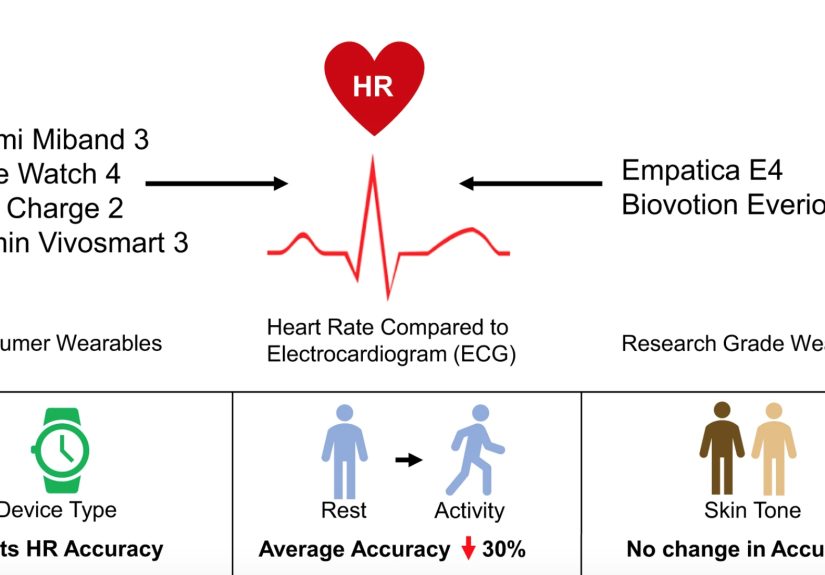
The answer is not a dramatic “yes” or “no.” It is more like: “Yes, often, but please stop asking your watch to behave like a hospital ECG while you are sprinting uphill, swinging kettlebells, and drinking coffee like it owes you money.” Wrist-worn heart rate monitors can be very useful for tracking trends, estimating exercise intensity, and building healthier habits. However, accuracy changes depending on the device, fit, skin contact, motion, exercise type, sensor quality, software, and whether your heart rhythm is steady or irregular.
This reliability check explains how wrist heart rate technology works, where consumer smartwatches perform well, where research-grade monitors raise the bar, and how to interpret your data without turning every beep into a personal medical mystery.
What Wrist-Worn Heart Rate Monitors Actually Measure
Most wrist-worn heart rate monitors use optical sensing, commonly called photoplethysmography, or PPG. The device shines light into the skin and measures changes in reflected light as blood volume shifts with each pulse. In plain English, your watch is watching tiny blood-flow changes under your skin and using math to estimate beats per minute.
This is different from an electrocardiogram, or ECG, which measures the electrical activity of the heart. Chest straps and medical monitors often rely on electrical signals, while wrist devices usually infer pulse from blood-flow patterns. That distinction matters. A clean electrical signal from the chest usually has a more direct relationship to the heartbeat. A wrist optical signal has to deal with movement, loose straps, tattoos, cold skin, sweat, ambient light, and the fact that wrists are bony little troublemakers.
Consumer-Grade vs. Research-Grade: What Is the Real Difference?
Consumer-grade wrist-worn monitors include smartwatches and fitness trackers from familiar brands. They are designed for daily use, comfort, battery life, app integration, workouts, sleep tracking, and easy summaries. Their greatest strength is convenience. You wear them all day, which means they can show patterns across weeks and months instead of one isolated snapshot.
Research-grade monitors are built for studies, clinical trials, lab testing, or high-quality data collection. They may offer better access to raw sensor data, more controlled sampling rates, detailed timestamps, signal-quality indicators, and validation documentation. Some research platforms are not as sleek or entertaining as consumer smartwatches; they will not cheer because you closed a ring. But they may give researchers better control over what is measured and how the data is analyzed.
The key difference is not that research-grade automatically means perfect. It means the device is usually designed for measurement transparency, repeatability, and scientific interpretation. A consumer watch may produce a beautiful dashboard. A research-grade device may produce messier data that is more useful to someone who knows how to analyze it.
Where Wrist-Worn Heart Rate Monitors Perform Best
1. Resting Heart Rate Trends
Wrist-worn monitors are often most reliable when you are still, relaxed, and wearing the device correctly. Resting heart rate is one of the most useful long-term metrics because it can reflect fitness, recovery, sleep quality, stress, illness, hydration, and training load. A single reading is not the whole story, but a consistent trend can be meaningful.
For example, if your usual resting heart rate is 58 beats per minute and it suddenly rises to 66 for several mornings, your body may be dealing with poor sleep, extra stress, dehydration, alcohol, an infection, or too much training. Your watch is not diagnosing you. It is waving a tiny digital flag and saying, “Something changed. Maybe check in with yourself.”
2. Steady-State Cardio
Wrist monitors generally do better during steady activities like walking, easy jogging, indoor cycling, or moderate aerobic exercise. When your wrist position is stable and your heart rate changes gradually, the optical sensor has a better chance of keeping up.
This makes wrist devices useful for heart rate zones during many everyday workouts. If you are doing a zone 2 run or a brisk walk, a good smartwatch may provide a reasonable estimate. It may not match a chest strap beat-for-beat every second, but it can still help guide intensity and show whether your training is trending in the right direction.
3. Long-Term Personal Baselines
Consumer wearables shine when used as personal trend trackers. Even if a device has small measurement errors, it may still be useful if it is worn consistently and compared against your own baseline. The trick is not to treat every number as a courtroom confession. Look at the pattern.
A month of resting heart rate, workout heart rate, sleep, and recovery data can provide helpful context. Did your easy pace improve at the same heart rate? Did your heart rate stay higher after a late-night meal? Did your recovery look worse after three hard workouts in a row? These are the kinds of questions wearables are good at helping you ask.
Where Reliability Starts to Wobble
1. High-Intensity Exercise
Wrist-worn heart rate monitors often become less accurate as exercise intensity increases. During intervals, sprints, hill repeats, CrossFit-style workouts, or fast transitions, the sensor may lag behind rapid heart rate changes. By the time your watch realizes your heart rate has exploded, you may already be lying on the floor reconsidering your life choices.
Rapid movement creates motion artifacts, which are signal distortions caused by the watch moving against the skin. The device must separate true pulse signals from noise. High-quality algorithms help, but they cannot defeat physics every time.
2. Strength Training and Arm-Dominant Movement
Lifting weights, rowing, boxing, tennis, elliptical workouts with moving handles, and kettlebell training can confuse wrist sensors. Muscle tension, gripping, wrist flexion, vibration, and changes in blood flow can reduce signal quality. During a heavy deadlift, your watch may not know whether your pulse is rising or your forearm is simply staging a rebellion.
If you need accurate heart rate during strength circuits or mixed-modal training, a chest strap or validated arm-worn sensor may perform better. Wrist devices can still estimate effort, but they may miss peaks or show sudden drops that do not match how you feel.
3. Poor Fit
A loose watch is one of the easiest ways to get unreliable readings. If light leaks under the sensor or the device slides around, accuracy suffers. The band should be snug but not tourniquet-tight. For workouts, many manufacturers recommend wearing the device slightly above the wrist bone where there is better skin contact.
Cold weather can also be a problem. When your hands and wrists are cold, blood flow near the skin may decrease, making optical readings harder. That is one reason your winter run may produce a heart rate chart that looks like abstract art.
4. Irregular Heart Rhythms
Wrist-worn monitors may be less dependable in people with certain arrhythmias, including atrial fibrillation. Irregular rhythms can make pulse detection more complicated, especially during exercise. Some smartwatches offer ECG features or irregular rhythm notifications, but these tools are not the same as a full clinical evaluation.
If you have known heart disease, unexplained palpitations, chest pain, fainting, or exercise restrictions, use wearable data as supporting informationnot as the final judge. A healthcare professional may recommend an ECG, Holter monitor, patch monitor, or other medical-grade test.
Consumer Watches: Surprisingly Good, But Not Magic
Modern consumer smartwatches have improved dramatically. In many tests, top-tier devices perform well during rest and moderate exercise. Some models have shown strong heart rate accuracy compared with reference devices, especially when worn correctly and used in steady conditions.
But consumer watches are general-purpose devices. They balance heart rate tracking with notifications, battery management, sleep analysis, GPS, apps, design, comfort, and cost. Their algorithms are often proprietary, meaning users and researchers may not know exactly how raw signals are filtered, corrected, or smoothed.
This is why two watches can produce different readings on the same wrist during the same workout. One may update faster; another may smooth the data more aggressively. One may prioritize battery life; another may sample more frequently during exercise mode. The number on your screen is not just sensor data. It is sensor data plus software decisions.
Research-Grade Wrist Monitors: Better Data, Higher Expectations
Research-grade wrist-worn heart rate monitors are used when data quality matters more than casual convenience. In studies, researchers often care about sampling frequency, missing data, signal artifacts, time synchronization, participant compliance, and whether the device has been validated for the population being studied.
For example, a sleep researcher may need overnight pulse data with reliable timestamps. A cardiology researcher may compare wearable heart rate patterns against ECG data. A sports scientist may test how device accuracy changes during running, cycling, resistance exercise, and recovery. In each case, the device is only one part of the reliability chain. The protocol, placement, data cleaning, and reference standard matter just as much.
A research-grade label should not be accepted blindly. The best question is: validated for what? A device validated for resting heart rate in healthy adults may not be validated for high-intensity intervals, older adults with cardiovascular disease, darker skin tones, cold outdoor conditions, or people with arrhythmias.
The Accuracy Hierarchy: What to Trust Most
When accuracy is critical, the general hierarchy looks like this:
- Medical ECG or clinical monitor: best for diagnosis and medical decision-making.
- Chest strap ECG-style monitor: excellent for exercise heart rate accuracy.
- Validated arm-worn optical monitor: often strong during workouts because the upper arm can provide better sensor stability than the wrist.
- Wrist-worn optical monitor: convenient and useful, especially at rest and during steady activity.
- Random app with no validation: fun for curiosity, not for serious decisions.
This does not mean wrist monitors are bad. It means they should be used for the right job. A butter knife is useful. It is not a chainsaw. Please do not remodel your house with it.
Common Causes of Bad Heart Rate Readings
If your wrist monitor suddenly reports a heart rate that seems wildly wrong, do not panic. First, check the boring things. Boring things cause a shocking number of “technology failures.”
- Loose band: The sensor needs stable contact with your skin.
- Wrong placement: Try wearing it slightly higher on the wrist during exercise.
- Cold skin: Warm up gradually and give the sensor time to settle.
- Motion artifacts: Fast wrist movement can confuse optical readings.
- Sweat or lotion: Clean the sensor and skin contact area.
- Tattoos or heavy hair: These may affect optical light transmission for some users.
- Low battery or power-saving mode: Some devices reduce sensor frequency to save energy.
- Not starting workout mode: Exercise mode may increase sampling frequency.
How to Use Wrist Heart Rate Data Wisely
Use Trends, Not Isolated Numbers
One weird spike does not mean your heart joined a drumline. Look for repeated patterns. If your resting heart rate rises for several days, your workout heart rate is unusually high at normal pace, or your recovery feels poor, then the data may be worth investigating.
Compare With Perceived Effort
Your body still gets a vote. If your watch says 112 bpm but you are gasping during hill repeats, trust your lungs. If it says 190 bpm while you are calmly making toast, check the sensor fit before writing your dramatic memoir.
Use a Chest Strap for Precision Workouts
Athletes doing interval training, threshold sessions, cardiac rehabilitation, or coach-directed heart rate zones may benefit from a chest strap. Chest straps are not glamorous, but they are often more reliable when rapid heart rate changes matter.
Do Not Self-Diagnose
Wearables can support health awareness, but they should not replace medical care. Seek medical advice if you experience chest pain, fainting, severe shortness of breath, unexplained dizziness, persistent palpitations, or unusual heart rate patterns that concern you.
Specific Examples: When the Number Makes Senseand When It Does Not
Example 1: The Easy Run That Got Easier
Suppose you run three miles at a 10-minute pace. In January, your average heart rate is 152 bpm. In March, after consistent training, the same route and pace average 142 bpm. That trend may suggest improved aerobic fitness. The exact numbers may not be perfect, but the direction is useful.
Example 2: The Interval Workout With Missing Peaks
During 30-second sprints, your watch may show only a modest heart rate rise because optical sensors can lag behind rapid changes. Your true heart rate may peak after the interval ends, or the watch may smooth the spike away. For intervals, a chest strap is usually a better tool.
Example 3: The Mystery Spike While Sitting
You are watching TV and your watch briefly reports 165 bpm. Before assuming disaster, check whether the watch was loose, your wrist was bent, or the sensor lost contact. If the spike repeats, lasts, or comes with symptoms, take it seriously and contact a healthcare professional.
What Buyers Should Look For
When choosing a wrist-worn heart rate monitor, do not buy only because the product page has heroic mountain photos and someone named Chad looks very hydrated. Look for independent validation, comfort, exercise mode options, battery life, data export, compatibility with chest straps, and clear privacy policies.
Athletes should consider whether the device supports external heart rate sensors. Health-focused users may value resting heart rate trends, irregular rhythm notifications, ECG features, and clear reports they can discuss with a clinician. Researchers should prioritize access to raw data, timestamps, sampling rate documentation, validation studies, and participant adherence features.
Research Gaps Still Worth Watching
Wearable heart rate monitoring is improving, but several gaps remain. More validation is needed across age groups, body sizes, skin tones, medical conditions, exercise types, and real-world environments. Lab tests are useful, but life does not happen on a perfectly calibrated treadmill with polite lighting and a researcher adjusting your watch strap.
Future devices will likely improve with better sensors, multi-wavelength optical systems, machine learning, signal-quality scoring, and smarter integration of motion data. Still, the best wearables will be the ones that clearly communicate uncertainty. A device that says, “This reading may be unreliable” is more helpful than one that confidently gives a wrong number while wearing a tiny digital tuxedo.
Practical Experience: Living With Wrist Heart Rate Monitors
After using wrist-worn heart rate monitors in everyday fitness routines, the biggest lesson is that they are excellent companions but imperfect referees. For daily walking, easy runs, resting heart rate, sleep-related trends, and general wellness, a good wrist monitor can be genuinely helpful. It keeps you aware. It nudges you to move. It shows when your body may be tired before your brain admits it.
The most useful experience comes from learning your personal baseline. Once you know your normal resting heart rate, typical walking heart rate, and usual workout zones, the device becomes more meaningful. Without a baseline, every number floats in space. With a baseline, you can notice when your body is under stress, when training is working, or when recovery needs more attention.
In real life, the watch works best when treated like a weather forecast. Usually useful, occasionally wrong, and not something you should argue with during a thunderstorm. If the watch says your heart rate is low during a relaxed walk, that may be reasonable. If it says your heart rate is 88 while you are halfway through brutal hill repeats, the watch may be the one needing a recovery day.
Fit matters more than many users realize. Tightening the band slightly before exercise can dramatically improve readings. Moving the watch a finger or two above the wrist bone helps too. Cleaning the sensor also matters, especially after sweaty workouts. A dirty optical sensor is basically trying to read your pulse through yesterday’s ambition.
Another practical lesson: start the correct workout mode. Many watches collect heart rate continuously throughout the day, but exercise mode often increases measurement frequency and improves context. If you forget to start a workout, the chart may look less precise. For casual users, that is not a crisis. For structured training, it can make the data less useful.
During steady cardio, wrist data often feels believable. During strength training, it becomes more hit-or-miss. Push-ups, pull-ups, rowing, battle ropes, and weightlifting can produce strange readings because the wrist is moving, flexing, gripping, and changing pressure against the sensor. This is where users often learn that “wearable” does not mean “omniscient.”
For athletes, the best setup is often a hybrid approach. Use the smartwatch for daily tracking, GPS, sleep, recovery, and general trends. Use a chest strap for workouts where exact heart rate matters. That combination gives convenience without pretending convenience is the same as laboratory precision.
For health-conscious users, the best approach is calm curiosity. Wearables can highlight patterns worth discussing with a doctor, but they should not become anxiety machines. If a reading looks strange, repeat it, check the fit, compare it with how you feel, and look for patterns. If symptoms are present or unusual readings persist, get medical advice. The watch can start a conversation; it should not finish one.
The most balanced conclusion from everyday use is this: wrist-worn heart rate monitors are reliable enough to be valuable, but not flawless enough to be worshiped. They are best at trends, routines, and motivation. They are weaker at sudden changes, complex movement, and clinical certainty. Use them with curiosity, a little skepticism, and enough humor to survive the occasional reading that claims your heart rate doubled while you were folding laundry.
Conclusion: Reliable, Useful, and Still Human-Supervised
Consumer and research-grade wrist-worn heart rate monitors have changed how people understand exercise, recovery, and daily health. They make heart rate data accessible in a way that was once limited to labs, clinics, and serious athletes. That is a major achievement.
Still, reliability depends on context. At rest and during steady movement, many wrist monitors perform well. During high-intensity exercise, irregular motion, poor fit, cold conditions, or arrhythmias, accuracy can decline. Research-grade devices may offer better data access and validation, but even they require careful protocols and proper interpretation.
The smartest way to use wrist heart rate data is to focus on trends, confirm important readings with better tools when needed, and avoid making medical decisions based only on a smartwatch. Your wrist monitor is a helpful guide, not a cardiologist with a silicone band.
In the reliability check, wrist-worn heart rate monitors passbut with conditions. Trust them for awareness. Use them for motivation. Respect their limits. And when precision truly matters, bring in the chest strap, the clinician, or the medical-grade monitor.