Table of Contents >> Show >> Hide
If you’ve ever finished an episode of Revolutionary Girl Utena and thought, “Wait… what did I just watch and why am I crying in front of a cartoon castle in the sky?”, you’re not alone. This 1997 anime has quietly become one of the most talked-about, analyzed, and rewatched series in anime history. Critics still call it one of the most important and ambitious shows ever made, thanks to its mix of surreal imagery, swords, roses, and brutal takedowns of gender roles and power structures.
Because the fandom loves a good list almost as much as it loves overanalyzing dueling monologues, this guide combines rankings and opinions on the show’s best arcs, episodes, and characters, drawing on fan polls, critic essays, and long, late-night forum debates. Think of it as a companion piece for your next rewatch or your first walk up that endless dueling staircase.
Why Revolutionary Girl Utena Still Ranks So High
Before we rank anything, it helps to understand why this show keeps appearing on “best magical girl,” “best anime of the ’90s,” and “most influential” lists. Utena is technically a shoujo series with uniforms, a student council, and a magical duel system, but it’s also a queer coming-of-age story, a satire of fairy tales, and a psychological drama about trauma and self-image.
Critics frequently highlight three core reasons it still stands out:
- Gender and role deconstruction: Utena wants to be the prince, not the princess, while Anthy plays the “Rose Bride” who quietly exposes how damaging passive roles can be. The show relentlessly questions who gets to be powerful, who gets objectified, and what “happily ever after” even means.
- Symbolism and surreal storytelling: From the upside-down castle to shadow-play girls and recurring roses, almost everything onscreen is symbolic. The story deliberately loops, repeats, and reframes events so you’re constantly rethinking what you saw an episode ago.
- Emotional honesty under the weirdness: Themes like abuse, self-worth, memory, and the weight of the past are handled with surprising nuance. Even the most theatrical duel often hides a character’s very real struggle with shame or desire.
In short: it looks like a fairy tale, sounds like a rock opera, hits like a therapy session.
Ranking the Main Story Arcs
The TV series is usually broken into three big arcs: the Student Council Saga, the Black Rose Saga, and the Apocalypse Saga. There’s also the movie, Adolescence of Utena, which has its own devoted fanbase (and a very famous car scene).
1. Apocalypse Saga (Episodes 34–39)
If we’re talking raw emotional impact and pay-off, many fans and critics put the final “Apocalypse” arc at the top. These episodes pull together the show’s themes about patriarchy, performance, and self-sacrifice as Utena and Anthy confront Akio and the larger system that keeps them trapped.
Key reasons it ranks so high:
- Peak character development: Utena begins to question what it really means to be a “prince,” while Anthy’s pain and agency are pushed to the forefront.
- Some of the best episodes in the series: Fan episode rankings frequently put “The Rose Crest,” “The One to Revolutionize the World,” and “And Someday, Together, We’ll Shine” among the top-rated entries.
- That ending: Without spoiling specifics, the finale reframes the entire show as a story about escaping oppressive narratives rather than winning within them.
Opinion time: this arc is where Utena stops being “a weird but cool ’90s anime” and becomes the series people call life-changing.
2. Black Rose Saga (Episodes 13–24)
The Black Rose arc is divisive for first-time viewers but deeply beloved by long-time fans and analysts. It features a new antagonist, Souji Mikage, and a string of duels where seemingly minor characters are pushed to emotional breaking points. According to multiple essays, this arc focuses on how the past and buried trauma shape people’s present identities.
Why it ranks so high in critical opinion:
- Brilliant use of supporting characters: Side characters like Wakaba get rich, heartbreaking focus episodes that reveal how “normal” students suffer in the same system as the dueling elite.
- Metaphors for memory and death: Critics and fans interpret the black roses as symbols of burned-out futures, the dead controlling the living, and the way people stay stuck in idealized or falsified memories.
- Mikage as a mirror: Mikage has been read as a cautionary example of someone who never grows out of a role assigned in youth, paralleling what might happen if Utena never challenges the system’s rules.
My take: the Black Rose arc is like the show whispering, “So you thought those early episodes were intense? Cute. Let’s talk about repressed feelings now.”
3. Student Council Saga (Episodes 1–12)
The opening arc introduces the dueling system, the iconic stairway transformation sequence, and the wonderfully theatrical Student Council. While later arcs dig deeper thematically, many fans still rank some of these early episodes among their favorites, especially “The Terms of a Duelist.”
Why it deserves respect in any ranking:
- Instantly memorable style: Giant rose sign, catchphrases, shadow-play chorus girls, and those operatic duel songs it’s a full aesthetic meal right out of the gate.
- Foundation for the show’s gender critique: From Saionji’s abusive behavior to Touga’s manipulative “prince” routine, the arc introduces the toxic masculinity that Utena will spend the entire series confronting.
- Utena’s initial idealism: Early on, she still believes in a noble, pure “prince” ideal. Watching that ideal get interrogated is a big part of the series’ emotional journey.
Fair warning: this is the portion most likely to trick new viewers into thinking they’re just watching a quirky tournament anime. Keep watching. The castle is only getting started.
4. Adolescence of Utena (The Movie)
The theatrical film Adolescence of Utena isn’t just a recap. Many critics describe it as a surreal remix or emotional distillation of the series that leans even more heavily into metaphor and queer romance.
Why it’s often ranked separately but highly:
- Laser-focused on Utena and Anthy: The movie compresses the ensemble into a story that emphasizes their relationship and the struggle to leave a closed, oppressive world behind.
- Even wilder symbolism: The infamous car imagery and the castle’s transformations push the idea that “growing up” means literally changing shape and form to escape old narratives.
- Standalone impact: Fans debate whether to watch it before or after the series, but either way, it ranks highly for how boldly it reinterprets core themes.
Personal opinion: the film feels like being handed your feelings about the show, pressed into one very stylish, very confusing, very cathartic mixtape.
Fan-Favorite Episodes and Why They Matter
Fan episode rankings often highlight specific stories that best capture what makes Utena special. Lists built from viewer ratings commonly put the final episodes and key Black Rose entries at the top, including “And Someday, Together, We’ll Shine,” “End of the World,” “The Rose Crest,” and “The Terms of a Duelist.”
Some patterns in those rankings:
- Episodes where illusions crack: High-ranked episodes often show characters confronting the gap between who they think they are and what the system has turned them into.
- Big Anthy moments: As fans and analysts have noted, the series slowly reveals Anthy as more than a passive victim; episodes where her agency, anger, or grief surfaces are frequently rated very highly.
- Structural or visual experimentation: Episodes that play aggressively with visuals, repetition, or staging tend to stick in people’s memories and thus rise in rankings.
In other words, the fan-favorite list is basically a “most emotionally devastating, most thematically dense” highlight reel.
Ranking the Characters (With a Little Bias)
Every Utena fan has a different character tier list, but certain names keep floating to the top when critics and viewers talk about the show’s impact.
Top-Tier Characters
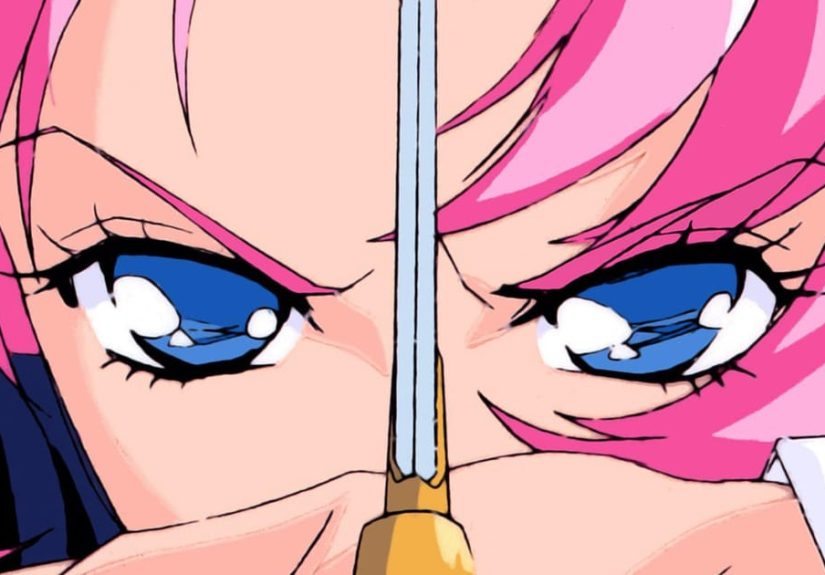
- Utena Tenjou: The pink-haired prince who wants to save others without realizing how deeply she’s still stuck inside patriarchal myths about heroism. Analysts often describe her journey as one from role-playing “prince” to becoming an authentic, flawed person who chooses others over the system.
- Anthy Himemiya: The Rose Bride, simultaneously a victim and an accomplice to the system that hurts her. Essays interpret her as Utena’s “shadow,” a reflection of internalized oppression and repressed rage.
- Akio Ohtori: The charming, horrifying core of the system. Critics describe him as a predator who weaponizes stories of “rescue” and “romance” to maintain control, embodying the most insidious forms of patriarchal power.
Fan-Favorite Supporting Characters
- Wakaba Shinohara: Frequently cited as the “ordinary” student whose Black Rose episode devastates viewers by showing how invisible girls get written out of fairy tales until they break.
- Juri Arisugawa: A stoic fencer whose repressed love and self-loathing make her duels some of the most emotionally charged in the show, often highlighted in thematic breakdowns of self-image.
- Mikage Souji: The villain of the Black Rose arc, commonly ranked high in discussions of the show’s antagonists for the way he personifies getting stuck in the past.
Do people argue endlessly about whether Touga is fascinating, infuriating, or both? Absolutely. Does that help rankings? Emotionally, yes.
Big Picture: What These Rankings Reveal About the Show
When you step back from episode lists and character tier charts, a pattern emerges: the episodes and arcs that rank the highest are not necessarily the ones with the flashiest fights, but the ones where characters break out of or painfully fail to break out of the roles they’ve been given.
Across academic-leaning essays and fan analysis sites, Utena is repeatedly framed as a story about how people internalize harmful narratives about gender, love, and power, and how hard it is to walk away from those narratives even when you know they’re hurting you.
So in a sense, every ranking is also a mirror: the episodes we put at the top are usually the ones where someone takes a step toward revolution even if they stumble on the way up that very long staircase.
of Utena-Inspired Experience: Watching, Rewatching, and (Over)Thinking
If you hang around Utena fans long enough, you’ll notice that nobody just “watched” the show. They had an experience. It’s the kind of series people revisit at different ages just to see how much their interpretation has changed and it almost always has.
On a first watch, especially if you come in expecting a standard ranked list of cool duels and dramatic monologues, the series can feel like puzzle art. You might find yourself picking favorite moments for fairly simple reasons: Utena being effortlessly cool in her uniform, Anthy making a quietly cutting remark, or the sheer spectacle of the transformation sequence and duel songs. The rankings in your head are about surface pleasure: “Which fight looked the coolest?” “Which Student Council speech made me laugh?”
On a second watch, the same scenes start to feel different. Suddenly, you’re noticing that the castle in the sky never really comes any closer, or that the dueling system is suspiciously convenient for keeping everyone busy with staged conflicts instead of questioning who is pulling the strings. You start ranking arcs based on how deeply they dig into the characters’ emotional scars and how sharply they critique the school’s power dynamics.
Over time, fans often talk about specific episodes turning into emotional checkpoints. The Black Rose episodes, for example, tend to creep up many people’s lists after they’ve had more life experience more understanding of regret, complicated friendships, and the way old hurts can suddenly resurface. Those quiet, character-focused episodes that looked like “side stories” on a first watch often become central on a rewatch because they mirror how messy real emotional growth is.
There’s also a very specific experience that comes with sharing Utena with someone new. You get to play the role of slightly chaotic tour guide. You watch their face during the first duel, the first appearance of the shadow-play girls, or the moments when the show’s queerness steps fully into view. Your private rankings start to include things like “best episode to hook a skeptical friend” or “best moment to watch someone else’s jaw drop.”
And then there’s the experience of growing up alongside the show’s themes. For viewers who originally discovered Utena as teenagers or young adults, returning years later can feel like unlocking a director’s commentary that was always there but required a bit more life behind you. Akio might look more frightening because you now recognize grooming and manipulation patterns. Anthy might feel less like an enigma and more like someone whose coping strategies you sadly understand. Utena herself may look less like a flawless hero and more like a person doing her best within stories she didn’t write which somehow makes her more inspiring, not less.
All of that seeps into how you rank and judge the series. “Best” becomes less about a fixed tier list and more about which episodes speak to who you are right now. A finale that once felt confusing might suddenly seem perfect. A character you dismissed as “annoying” might climb your personal rankings once you see your own younger self in them.
Ultimately, the experience of Revolutionary Girl Utena is a lot like the show’s own revolution: it doesn’t hand you a polished, final ranking and say, “This is the truth.” Instead, it invites you to keep reordering, reinterpreting, and re-watching and maybe to question a few of the roles you’ve been quietly playing in your own life. If a series can get you to laugh at an over-the-top duel one minute and rethink your ideas about love, gender, and power the next, it has more than earned its high place in any ranking.
And if you still can’t decide which arc is “best”? That’s fine. Just pick the one that makes you want to walk up the staircase again.