Table of Contents >> Show >> Hide
- What Is the Riedel Tumbler Spey Whisky Glass?
- First Impressions: Why the Spey Looks More Expensive Than It Feels
- Build Quality and Materials
- How It Feels in the Hand
- Performance for Whisky: Neat, On the Rocks, or Mixed?
- Design Style: Traditional Detail Meets Modern Use
- Who Should Buy the Riedel Spey?
- Potential Drawbacks
- Value for Money
- Final Verdict: Is the Riedel Tumbler Spey Worth It?
- Extended Experience: Living With the Riedel Spey in the Real World
If whisky glasses could talk, the Riedel Tumbler Spey would probably clear its throat politely, adjust its invisible cufflinks, and say, “Let’s keep this classy, but not too serious.” That sums up this glass surprisingly well. It has the visual charm of old-school cut crystal, the ease of a modern everyday tumbler, and the kind of quiet confidence that makes even a simple pour of bourbon feel like a better life decision.
In a market crowded with oversized rocks glasses, ultra-thin tasting vessels, and “luxury” barware that seems designed mainly to impress your camera roll, the Riedel Spey whisky glass lands in a sweet spot. It looks elegant without becoming fussy. It feels substantial without turning into a hand workout. And it manages to be versatile enough for whisky, cocktails, and even casual weeknight pours when your dinner was cereal and your ambition was “survive Tuesday.”
This review takes a close look at the Riedel Tumbler Spey whisky glass from a practical, style-conscious perspective. We’ll cover design, comfort, performance, durability, value, and the real-world experience of using it at home. If you’re wondering whether this glass is worth a place in your cabinet, your bar cart, or your “I’m definitely an adult now” starter collection, read on.
What Is the Riedel Tumbler Spey Whisky Glass?
The Riedel Tumbler Spey is part of Riedel’s tumbler collection, a line that steps away from the brand’s famous wine-first reputation and into the world of spirits and cocktails. The Spey design stands out for its decorative cut pattern, which gives it a more traditional, almost vintage-inspired appearance than minimalist contemporary tumblers.
Depending on the version you buy, you’ll usually see the Spey offered in whisky, single old fashioned, double old fashioned, or long drink formats. The whisky version commonly sits around the 10.4-ounce range, while other Spey formats vary in size. That matters because the general visual language stays consistent across the collection: textured crystal, a slightly dressy silhouette, and a design that feels equally at home beside a decanter or next to a very unglamorous bowl of pretzels.
In plain English, this is not a laboratory-style tasting glass. It is not trying to be the final boss of whisky snobbery. It is a handsome tumbler made for enjoying spirits in a relaxed but elevated way.
First Impressions: Why the Spey Looks More Expensive Than It Feels
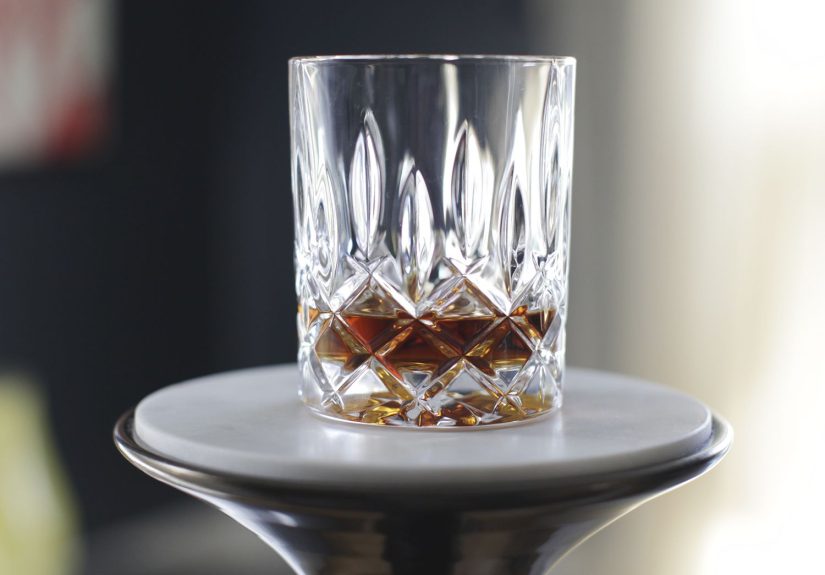
The first thing most people notice about the Riedel Spey is the cut-crystal look. The pattern catches light beautifully, giving the glass a sparkle that feels richer than its relatively accessible price point suggests. It has that “Did this come from a fancy department store?” energy, even if you grabbed it while also buying dish soap and paper towels online.
That decorative pattern is a big part of the appeal. It brings old-world style without going full Victorian drama. The cuts are refined rather than flashy, which makes the Spey a great option for people who want barware with personality but do not want something so ornate it starts competing with the drink itself.
There’s also a tactile benefit here. The textured exterior gives the glass a satisfying grip, which is especially welcome if you enjoy serving drinks over ice or tend to entertain. A slick tumbler can feel elegant until it becomes a tiny crystal hockey puck in your hand. The Spey avoids that problem nicely.
Build Quality and Materials
Riedel positions the Spey as a crystal glass tumbler, and that matters for both appearance and user experience. Crystal tends to deliver a cleaner, brighter look than standard everyday glass, and the Spey absolutely benefits from that clarity. Amber whisky, ruby cocktails, and even plain sparkling water all look better in it. Yes, even water somehow feels fancier. Hydration, but make it cinematic.
The glass is machine-made rather than mouth-blown, which is not a knock in this category. In fact, machine production helps keep the price more approachable and makes the Spey feel more suited to repeat use. This is barware for people who want elegance without the stress of treating every sip like museum handling protocol.
Another practical plus is care. The Spey is commonly listed as dishwasher safe, which instantly boosts its appeal for regular use. That single detail moves it out of the “special occasion only” category and into “I can use this whenever I want without needing a post-cocktail emotional support sponge.” For busy households, that matters more than brands sometimes realize.
How It Feels in the Hand
A whisky tumbler lives or dies by hand feel. You can admire design, capacity, and sparkle all day, but if the glass feels awkward, too heavy, too thin, or weirdly top-heavy, the romance ends quickly.
The Riedel Spey does very well here. It has a satisfying weight that suggests quality without becoming clunky. The proportions are comfortable, and the textured sides make it pleasant to hold. The glass feels secure, balanced, and nicely grounded on a table.
That balance contributes to its “casual elegance” personality. Some whisky glasses feel like they want you to sit up straight and discuss oak influence in a hushed voice. The Spey is more relaxed. It works just as well when you’re thoughtfully sipping a single malt as when you’re having an old fashioned while arguing about what movie to stream.
Performance for Whisky: Neat, On the Rocks, or Mixed?
For Neat Whisky
If you prefer whisky neat, the Spey offers a visually pleasing and comfortable drinking experience, though it is not specifically shaped to concentrate aroma like a Glencairn or dedicated nosing glass. That means it favors relaxed enjoyment over analytical tasting.
For many drinkers, that’s actually a plus. Not every pour needs to become a masterclass. The wider opening makes it easy to sip naturally, and the crystal clarity helps showcase the color of the spirit. It feels luxurious in a low-pressure way.
For Whisky on the Rocks
This is where the Spey really shines. The tumbler format suits ice beautifully, whether you prefer one large cube, several standard cubes, or that one odd-shaped freezer survivor you decided was “good enough.” The sturdy feel and decorative sides make it especially enjoyable for colder serves.
The glass looks excellent with a classic pour over ice. If your whisky ritual includes the sound of cubes dropping into crystal, the Spey absolutely understands the assignment.
For Cocktails
The Spey is also a strong contender for cocktails like an old fashioned, boulevardier, Negroni, or whisky sour served over ice. Its formal-meets-relaxed aesthetic works especially well for spirit-forward drinks. The decorative pattern adds visual interest without distracting from garnishes, color, or presentation.
In other words, if you buy this glass for whisky and end up using it for half your home bar menu, that is not mission drift. That is smart shopping.
Design Style: Traditional Detail Meets Modern Use
One of the smartest things about the Riedel Spey is how it bridges two worlds. On one side, it nods to classic cut crystal and old-fashioned barware. On the other, it is durable enough and practical enough to fit modern daily life.
That combination gives the glass broad appeal. It can work in a traditional dining room, on a minimalist bar cart, or in an apartment kitchen where the decor theme is technically “rent-friendly compromise.” The Spey has enough ornamentation to feel special, but not so much that it limits your style choices.
It also makes a strong gift. If you are shopping for someone who likes whisky, bourbon, Scotch, or classic cocktails, the Spey feels thoughtful and polished. It looks giftable straight out of the box, which is helpful when your backup plan was a gift card and a vague apology.
Who Should Buy the Riedel Spey?
This glass makes the most sense for a few types of buyers.
The Stylish Everyday Drinker
If you want a whisky glass that looks elevated but still fits into regular life, the Spey is a strong match. It gives you the visual pleasure of crystal without demanding white-glove treatment.
The Casual Entertainer
For people who host friends, build simple cocktails, or enjoy a polished table setting, the Spey offers instant atmosphere. It makes a home bar look more intentional without requiring a complete glassware overhaul.
The Gift Buyer
The Spey is an easy win as a present because it feels premium, recognizable, and broadly useful. It appeals to whisky fans, cocktail lovers, and people who simply appreciate attractive glassware.
The Practical Luxury Shopper
If you like the idea of “affordable luxury,” this is your lane. The Spey delivers on appearance, usability, and brand reputation without shooting into ultra-premium territory.
Potential Drawbacks
No review is complete without a reality check, so here it is: the Riedel Spey is not the ideal glass for every type of drinker.
First, serious whisky tasters who want maximum aroma concentration may still prefer a purpose-built nosing glass. The Spey is more about experience and presentation than precision analysis.
Second, if you love extremely minimalist barware, the cut pattern may feel more decorative than you want. This is a design-forward tumbler, not a sleek blank canvas.
Third, crystal glass, even when dishwasher safe, still deserves sensible handling. It is practical, but it is not invincible. Tossing it carelessly into a crowded sink is a bold choice in all the wrong ways.
Value for Money
The value proposition is one of the Spey’s strongest selling points. You get a recognizable premium glassware brand, attractive crystal construction, dishwasher-safe practicality, and a design that looks more luxurious than many entry-level tumblers. That is a compelling combination.
It also performs well beyond whisky alone. Because it works for cocktails, mixed drinks, and even nonalcoholic serves, it earns its cabinet space. A glass that only comes out twice a year may be beautiful, but a glass that gets used often and still feels special is usually the better buy.
For shoppers comparing the Spey against plain double old fashioned glasses, the extra cost goes toward aesthetics, tactile comfort, and brand cachet. Whether that matters depends on your priorities, but for many buyers, it is exactly the point.
Final Verdict: Is the Riedel Tumbler Spey Worth It?
Yes, especially if you want a whisky glass that blends elegance, usability, and visual charm. The Riedel Tumbler Spey succeeds because it does not overcomplicate the experience. It is beautiful without being stiff, practical without being boring, and refined without drifting into “special occasion prison.”
This is the kind of glass that quietly upgrades your routine. Your whisky looks better in it. Your cocktails feel more intentional in it. Your table setting instantly gains some polish. And because it is comfortable, versatile, and dishwasher safe, you are far more likely to actually use it.
In a phrase, the Spey delivers casual elegance exactly as promised. It is for people who appreciate nice things but still want to live like normal humans. That may not sound revolutionary, but in the world of glassware, it is surprisingly rare.
Extended Experience: Living With the Riedel Spey in the Real World
After the novelty of a new glass wears off, what really matters is whether you keep reaching for it. That is where the Riedel Spey earns extra credit. It slips into daily life with almost suspicious ease. One evening it feels perfect for a neat pour of bourbon after dinner. The next, it is holding a quick ginger-and-whisky mix while you stand in the kitchen pretending you absolutely meant to make appetizers and not just open chips.
There is also something undeniably satisfying about the way the Spey changes the mood of ordinary moments. A Tuesday night drink in a generic tumbler is just a drink. That same pour in the Spey feels a little more intentional, a little more composed, and a little more like you have your life together. Even if your laundry says otherwise.
Guests tend to notice it too. Not in a loud, theatrical way, but in that subtle “oh, these are nice” pause when they pick one up. The cut pattern catches light from overhead fixtures, candles, or even a boring kitchen bulb and gives the whole setup a lift. You do not need a dedicated bar room or a leather armchair and jazz playlist to make the glass work. It manages to bring some ceremony without demanding a full lifestyle rebrand.
It is also surprisingly flexible across seasons. In colder months, the Spey feels right at home with Scotch, rye, or dark stirred cocktails. In warmer weather, it still works for spritz-like whisky drinks, chilled cocktails, or even sparkling water with citrus when you want the illusion of sophistication before noon. That year-round usefulness is part of what makes it feel less like decorative clutter and more like a genuinely smart purchase.
Another real-world advantage is the emotional low-stakes factor. Because the glass is attractive but not absurdly precious, you are more likely to enjoy it freely. You do not have to reserve it for holidays, anniversaries, or visits from people you secretly clean for. You can use it on a random evening, rinse it or run it through the dishwasher, and pull it out again tomorrow. That ease matters. Luxury that cannot survive ordinary life starts to feel less like luxury and more like a chore.
Over time, the Spey starts to feel like one of those rare home items that hits multiple marks at once: it is functional, attractive, giftable, and satisfying to use. That may sound like a lot to ask from a glass, but the best barware always does more than hold liquid. It shapes the experience. The Riedel Spey does that with enough polish to feel special and enough practicality to stay in rotation, which is probably the highest compliment any everyday whisky glass can earn.