Table of Contents >> Show >> Hide
- What Makes This Savory Matzo Farfel Recipe So Good?
- Ingredients for Savory Simmered Matzo Farfel
- How to Make Savory Simmered Matzo Farfel for Passover
- Expert Tips for the Best Matzo Farfel
- Variations for Passover Meals
- What to Serve with Savory Simmered Matzo Farfel
- Storage and Reheating
- Common Mistakes to Avoid
- Why This Recipe Works for Passover
- Personal Experience: Cooking Savory Matzo Farfel for a Passover Table
- Conclusion
If Passover had a comfort-food sidekick, matzo farfel would be wearing the cape. Crisp little pieces of matzo may look humble in the box, but once they meet golden onions, warm broth, eggs, herbs, and a gentle simmer, they turn into a cozy, savory side dish that belongs next to brisket, roast chicken, matzo ball soup, or roasted vegetables. This savory simmered matzo farfel recipe for Passover is simple, satisfying, and friendly enough for a weeknight holiday mealbut special enough to earn a place on the Seder table.
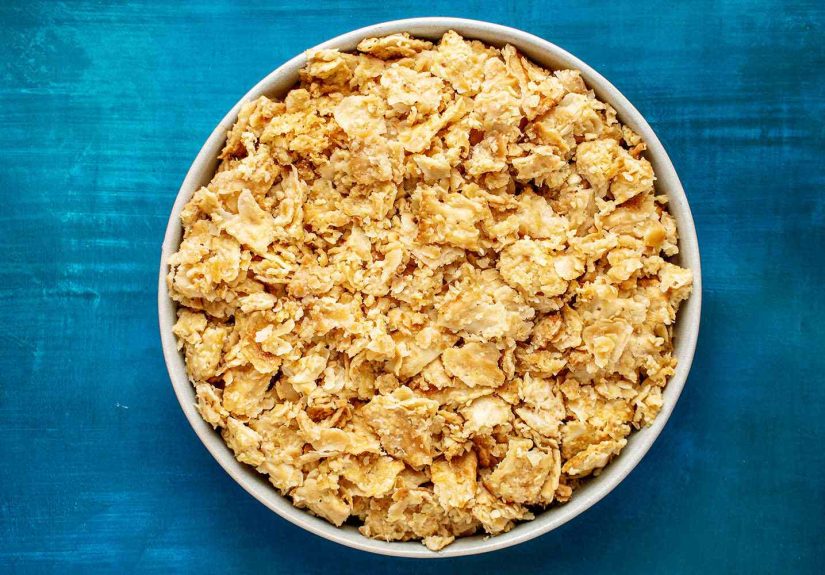
Matzo farfel is essentially matzo broken into small pieces. During Passover, when regular bread and many grain-based foods are avoided, farfel becomes a smart, versatile substitute for noodles, stuffing cubes, or small pasta. It can be baked into kugel, stirred into soup, turned into stuffing, or simmered with broth until tender. In this recipe, we focus on a moist, savory, spoonable versionsomewhere between a pilaf, stuffing, and matzo brei’s well-behaved cousin.
What Makes This Savory Matzo Farfel Recipe So Good?
The magic is in the texture. Plain matzo can be dry enough to make your water glass nervous, but matzo farfel loves liquid. When simmered gently in broth, it softens without becoming mushy, especially if you control the liquid and cook it just until tender. Sautéed onions add sweetness, celery adds a little crunch, mushrooms bring earthy flavor, and eggs help bind everything into a soft, hearty side dish.
This is also a highly flexible Passover recipe. You can make it with chicken broth for a rich, traditional flavor, or use vegetable broth for a vegetarian version. You can keep it simple with onions and herbs, or add mushrooms, carrots, garlic, parsley, dill, or thyme. Think of it as a blank canvasexcept the canvas tastes like toasted matzo and doesn’t require an art degree.
Ingredients for Savory Simmered Matzo Farfel
This recipe serves 6 to 8 people as a side dish. If your table includes enthusiastic farfel fansor relatives who claim they are “just taking a tiny spoonful” before returning three timesconsider doubling the recipe.
Main Ingredients
- 3 cups matzo farfel or 6 to 7 sheets of matzo, broken into small pieces
- 2 tablespoons olive oil or neutral oil suitable for Passover
- 1 medium yellow onion, finely chopped
- 2 celery stalks, finely chopped
- 1 cup mushrooms, chopped such as button, cremini, or a mix
- 2 cloves garlic, minced
- 1 1/2 cups chicken broth or vegetable broth, certified kosher for Passover if needed
- 2 large eggs, lightly beaten
- 1 teaspoon kosher salt or to taste
- 1/2 teaspoon black pepper
- 1/2 teaspoon dried thyme or 1 teaspoon fresh thyme leaves
- 2 tablespoons chopped fresh parsley
Optional Flavor Boosters
- 1 small carrot, grated, for color and gentle sweetness
- 1 tablespoon chopped fresh dill for a classic Jewish holiday flavor
- 1/4 teaspoon paprika for warmth
- 1 tablespoon chicken schmaltz instead of part of the oil for deeper flavor
- A squeeze of lemon juice before serving to brighten the dish
How to Make Savory Simmered Matzo Farfel for Passover
Step 1: Prepare the Matzo Farfel
If you purchased matzo farfel, measure out 3 cups and set it aside. If you are making it from whole matzo sheets, place the sheets in a large zip-top bag and crush them gently with your hands or a rolling pin. Aim for small, irregular pieces about the size of cereal flakes or tiny crackers. Do not pulverize the matzo into meal; we are making farfel, not edible beach sand.
Step 2: Sauté the Vegetables
Heat the olive oil in a large skillet or wide saucepan over medium heat. Add the chopped onion and celery. Cook for 5 to 7 minutes, stirring often, until the onion turns soft and lightly golden. Add the mushrooms and cook for another 5 minutes, until they release their moisture and begin to brown. Stir in the garlic, thyme, salt, and pepper, then cook for 30 seconds until fragrant.
This step builds the savory foundation of the recipe. Onions bring sweetness, mushrooms add depth, and garlic gives the dish a warm backbone. If the vegetables start sticking, add a splash of broth rather than more oil.
Step 3: Add Broth and Simmer
Pour the broth into the skillet and bring it to a gentle simmer. Reduce the heat to low, then stir in the matzo farfel. Mix until all the pieces are moistened. Cover the skillet and let the farfel simmer for 3 to 5 minutes, stirring once or twice. The farfel should absorb most of the broth but still look moist.
The key is restraint. Too little liquid makes the dish dry; too much liquid turns it soggy. Add broth gradually if needed. You want tender farfel that still has a little body, not a matzo swamp.
Step 4: Stir in the Eggs
Remove the skillet from the heat and let the mixture cool for 2 minutes. Slowly stir in the beaten eggs, mixing constantly so they coat the farfel instead of scrambling immediately. Return the skillet to low heat and cook for 2 to 3 minutes, stirring gently, until the eggs set and bind the farfel together.
This creates a soft, spoonable texture similar to savory stuffing. If you prefer a firmer dish, transfer the mixture to a greased baking dish and bake at 350°F for 15 to 20 minutes until the top is lightly crisp.
Step 5: Finish and Serve
Stir in the fresh parsley. Taste and adjust the seasoning with more salt, pepper, or herbs. Serve warm as a Passover side dish with brisket, roast chicken, turkey, salmon, or roasted vegetables.
Expert Tips for the Best Matzo Farfel
Use Broth, Not Plain Water
Water works in a pinch, but broth makes the dish taste intentional. Chicken broth gives the farfel a rich, holiday-table flavor, while vegetable broth keeps it lighter and vegetarian. For Passover, always check that your broth and seasonings match your kosher-for-Passover needs.
Do Not Oversoak the Farfel
Matzo farfel absorbs liquid quickly. Add broth slowly and cook gently. If the mixture looks dry, add a tablespoon or two more broth. If it looks wet, uncover the pan and cook for another minute so the excess moisture evaporates.
Brown the Vegetables First
The difference between “nice side dish” and “who made this?” is often a few extra minutes of sautéing. Let the onions soften and the mushrooms brown before adding the broth. That browning adds flavor you cannot fake later with salt.
Make It Ahead
Savory matzo farfel can be made several hours ahead and reheated gently. Add a splash of broth before warming it in a covered skillet or baking dish. If baking, cover with foil first, then uncover for the last few minutes to lightly crisp the top.
Variations for Passover Meals
Mushroom Onion Matzo Farfel
Double the mushrooms and cook them until nicely browned. Cremini mushrooms add a deeper flavor than white button mushrooms, while shiitake mushrooms bring a more intense savory note. This version pairs especially well with brisket or roast chicken.
Vegetarian Matzo Farfel
Use vegetable broth and olive oil. Add carrots, spinach, or zucchini for extra color. If you use spinach, squeeze out extra moisture before stirring it in so the farfel stays fluffy rather than watery.
Herby Spring Farfel
Add fresh parsley, dill, chives, and a little lemon zest at the end. This version tastes bright and fresh, making it a great match for fish, roasted asparagus, or a lighter Passover lunch.
Crispy-Topped Baked Farfel
After simmering and mixing in the eggs, spread the farfel in a greased baking dish. Brush the top with a little oil and bake at 350°F until lightly golden. This gives you the soft interior of simmered farfel with the crisp top of a kugel.
What to Serve with Savory Simmered Matzo Farfel
This dish works beautifully with classic Passover mains. Serve it alongside braised brisket and let the farfel soak up the pan juices. Pair it with roast chicken for a simple, family-style meal. Add it to a plate with roasted carrots, green beans, or asparagus for a colorful spread. It also makes a nice partner for matzo ball soup, especially when you want a meal that feels cozy but not too heavy.
For a balanced Passover menu, think in layers: a rich main dish, a fresh vegetable, a bright salad, and this savory farfel as the warm starch. It fills the space normally occupied by bread, rice, pasta, or stuffing, while still feeling right for the holiday.
Storage and Reheating
Store leftovers in an airtight container in the refrigerator for up to 3 days. To reheat, add a splash of broth and warm gently in a covered skillet over low heat. You can also reheat it in a 325°F oven, covered with foil, until hot. For a crispier top, uncover it during the last 5 minutes.
Freezing is possible, but the texture may soften after thawing. If you plan to freeze it, bake the farfel in a dish, cool completely, wrap tightly, and freeze for up to 1 month. Thaw overnight in the refrigerator before reheating.
Common Mistakes to Avoid
Using Too Much Liquid
Matzo farfel should be moist, not soupy. Start with the recommended broth amount and add more only if needed. The farfel will continue absorbing liquid as it rests.
Skipping the Seasoning
Matzo is plain by design, which means it needs help from salt, herbs, broth, and sautéed vegetables. Taste before serving and adjust. A little extra pepper or parsley can wake up the whole dish.
Cooking the Eggs Too Fast
Add the eggs off the heat and stir constantly. This helps them bind the farfel instead of turning into separate scrambled bits. Low heat is your friend here. High heat is the relative who means well but reorganizes your kitchen.
Why This Recipe Works for Passover
Passover cooking often asks home cooks to be creative. Without regular bread, pasta, and many everyday starches, matzo becomes the foundation for everything from soup dumplings to kugel to stuffing. Matzo farfel is especially useful because it already has a small, irregular shape that absorbs flavor quickly. It behaves like tiny pieces of toast, soaking up broth while still offering texture.
This savory simmered version keeps the preparation practical. You do not need a long ingredient list or complicated technique. The recipe uses familiar kitchen staples: onions, celery, mushrooms, broth, eggs, herbs, and matzo. The result is warm, comforting, and deeply adaptablethe kind of dish that tastes like someone’s grandmother approved it, even if your grandmother’s official review system was mostly eyebrow-based.
Personal Experience: Cooking Savory Matzo Farfel for a Passover Table
The first thing you notice when making savory simmered matzo farfel is how quickly the kitchen starts to smell like a holiday meal. It does not begin with drama. There is no towering layer cake, no sizzling roast, no complicated sauce that requires three pans and emotional support. It starts quietly with onions in oil. Then celery joins in, mushrooms follow, and suddenly the room smells warm, familiar, and reassuring.
One of the best parts of this dish is that it feels forgiving. During Passover, the cooking schedule can become a tiny household Olympics. The soup needs attention, the chicken is resting, someone is looking for the Haggadah, and someone else has strong opinions about how many chairs can fit around the table. In the middle of all that, matzo farfel behaves like the calm guest. It waits. It absorbs. It cooperates.
I like this recipe because it solves a common Passover problem: what do you serve when you want something starchy, savory, and comforting, but you do not want another potato dish? Potatoes are wonderful, of course. Potatoes have carried many holiday meals on their sturdy little shoulders. But after mashed potatoes, roasted potatoes, potato kugel, and maybe one secret forkful of cold leftover potatoes from the refrigerator, matzo farfel feels like a welcome change.
The simmering method gives the farfel a softer, more spoonable texture than a fully baked kugel. That makes it especially good with saucy mains. Put a scoop next to brisket, and it catches the gravy like it trained for the job. Serve it with roast chicken, and it becomes almost stuffing-like, but lighter and more Passover-friendly. Add roasted carrots or asparagus on the side, and the plate feels complete without being fussy.
Another useful experience: children and picky eaters often like this dish when the flavors are kept simple. If mushrooms are controversial at your tableand mushrooms do have a way of causing family debateschop them finely or leave them out. If herbs are beloved, add extra parsley and dill. If your crowd likes stronger flavor, use more garlic or a little paprika. Matzo farfel adapts without throwing a culinary tantrum.
The most important lesson is to watch the liquid. The first time many cooks make farfel, they worry it will be dry and add too much broth. Then the dish becomes heavy. Add the broth gradually, let the farfel absorb it, and trust the process. The goal is tender, moist farfel that still has shape. Once you find that balance, this recipe becomes one of those quiet holiday staples people ask for againnot because it is flashy, but because it belongs.
Conclusion
This savory simmered matzo farfel recipe for Passover is proof that simple ingredients can become something memorable with the right technique. Broken matzo, broth, eggs, onions, vegetables, and herbs come together in a dish that is tender, flavorful, practical, and deeply comforting. It works for a Seder, a weekday Passover dinner, or a next-day leftovers plate when everyone is moving a little slower but still hungry.
Whether you serve it soft from the skillet or bake it for a crisp top, savory matzo farfel deserves a spot in your Passover recipe collection. It is easy to customize, simple to reheat, and charmingly humble. In other words, it is exactly the kind of holiday side dish that does not need applausebut usually gets a second helping anyway.
Note: Use ingredients certified kosher for Passover when preparing this recipe for observant holiday meals, and adjust broth, oil, and seasonings according to your household’s traditions.