Table of Contents >> Show >> Hide
- What Are Scalloped Potatoes, Exactly?
- Why Scalloped Potatoes Are So Popular
- The Best Potatoes for Scalloped Potatoes
- Key Ingredients That Make the Magic Happen
- How to Make Scalloped Potatoes That Taste Like You Know What You’re Doing
- Common Mistakes That Can Ruin Scalloped Potatoes
- Easy Variations to Try
- What to Serve with Scalloped Potatoes
- Can You Make Scalloped Potatoes Ahead?
- Why This Dish Never Really Goes Out of Style
- Scalloped Potatoes: The Experience of Eating Them
- Conclusion
Some side dishes know their role. Scalloped potatoes do not. They arrive at the table acting like support staff and somehow end up as the main event, stealing attention from the roast, the ham, the chicken, and occasionally your dignity when you go back for a third helping. This classic potato casserole is rich, cozy, golden on top, and gloriously soft in the middlethe culinary equivalent of a warm blanket that also happens to smell like butter.
If you have ever wondered why scalloped potatoes show up at holiday dinners, Sunday suppers, potlucks, and “I need comfort food immediately” moments, the answer is simple: they work. They are affordable, familiar, deeply satisfying, and surprisingly elegant when done right. A good pan of creamy scalloped potatoes hits the sweet spot between rustic and impressive. It says, “Yes, I have excellent taste,” without forcing you to build a sugar sculpture or clarify consommé.
What Are Scalloped Potatoes, Exactly?
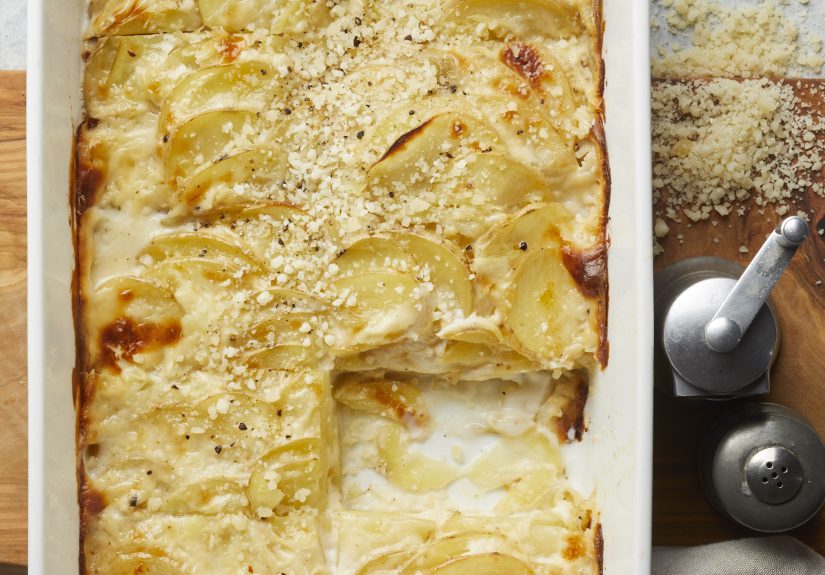
Scalloped potatoes are thinly sliced potatoes baked in a creamy sauce until tender, bubbling, and lightly browned. The slices are typically layered in a casserole dish with seasonings and sometimes onion or garlic. In the most traditional sense, scalloped potatoes without cheese are distinct from potatoes au gratin, which usually lean harder into the cheese drawer. That said, American kitchens are wonderfully rebellious, so many modern versions of scalloped potatoes include cheddar, Gruyère, Parmesan, or whatever delicious thing is hanging out in the refrigerator waiting to become relevant.
The beauty of this dish is that it can be either simple or a little fancy. At its core, it is just potatoes plus dairy plus seasoning plus heat. But once you understand the structure, you can dress it up with herbs, caramelized onions, bacon, ham, leeks, fennel, or a shower of cheese. It is one of those recipes that rewards confidence, patience, and a decent knife. A mandoline helps too, although it should be approached with the caution normally reserved for chain saws and internet comment sections.
Why Scalloped Potatoes Are So Popular
There are plenty of potato recipes in the world, and many of them are excellent. But scalloped potatoes have a special sort of staying power because they deliver several things at once:
1. They feel generous
A casserole dish full of layered potatoes looks abundant. It feeds a crowd, stretches a budget, and somehow makes the entire meal feel more complete.
2. They pair with almost everything
Ham, roast beef, turkey, pork chops, baked chicken, grilled sausagescreamy potato casserole plays nicely with nearly any savory main dish. It is the reliable friend who can get along with every personality at the dinner table.
3. They taste luxurious without being fussy
Scalloped potatoes taste like a dish that took more effort than it actually did. Thin slices, a silky sauce, and a golden top create maximum comfort with minimal drama.
The Best Potatoes for Scalloped Potatoes
Choosing the right potato is one of the biggest factors in whether your casserole turns out velvety or vaguely tragic. Russet potatoes are often a top pick because their starch helps thicken the sauce and creates that soft, spoonable texture people love. Yukon Gold potatoes are also excellent if you want a slightly creamier, more buttery bite with slices that hold their shape a bit better.
If you love a classic, plush texture, russets are your best friend. If you want a smoother, more elegant layered effect, Yukon Golds are terrific. Either way, the real rule is this: slice them thinly and evenly. If some slices are paper-thin while others are built like hockey pucks, your casserole will bake unevenly. That is not “rustic.” That is chaos.
Key Ingredients That Make the Magic Happen
Potatoes
The star of the show. Peel them if you want a traditional look, or leave thin skins on Yukon Golds for a slightly more rustic feel.
Milk, cream, or half-and-half
This is where the rich texture comes from. A mix of milk and cream often gives the best balance: creamy enough to feel indulgent, but not so heavy that each bite feels like a dare.
Butter and flour
Many versions begin with a simple roux to create a creamy sauce. This helps prevent the dreaded watery bottom layer, also known as the casserole’s emotional support puddle.
Onion and garlic
These add sweetness, depth, and aroma. Even a subtle amount makes the whole dish taste more complete.
Salt, pepper, and nutmeg
Salt matters more than people think in potato dishes. Potatoes are eager little sponges; they soak up flavor but rarely bring enough of their own. Black pepper adds warmth, and a tiny pinch of nutmeg can give the sauce that classic old-school comfort-food depth.
Cheese, if you want it
Traditionalists may clutch their aprons, but cheese is welcome in many modern versions. Gruyère adds nuttiness, cheddar adds bold comfort, and Parmesan gives the top a salty golden finish.
How to Make Scalloped Potatoes That Taste Like You Know What You’re Doing
Step 1: Slice the potatoes thinly
Aim for slices around 1/8 inch thick. Thin slices cook more evenly, absorb flavor better, and create those gorgeous tender layers that separate just enough on the fork.
Step 2: Build a flavorful sauce
Cook onion or garlic in butter, whisk in flour, then slowly add milk, cream, or both. Season as you go. The sauce should taste slightly more seasoned than you think it needs to, because the potatoes will mellow everything out once baked.
Step 3: Layer with purpose
Arrange the potatoes in overlapping layers. Pour over some sauce, repeat, and continue until the dish is full. This is not the moment to fling ingredients around like you are filming a chaotic cooking show. Neat layers help the casserole bake evenly and slice beautifully.
Step 4: Cover first, uncover later
Bake the dish covered for most of the cooking time, then uncover near the end so the top can brown. This protects the top from overcooking while the potatoes soften all the way through.
Step 5: Let it rest
Resist the urge to attack it the instant it leaves the oven. Resting for 10 to 20 minutes helps the sauce thicken and settle so you get creamy layers instead of potato soup with ambition.
Common Mistakes That Can Ruin Scalloped Potatoes
Not slicing evenly
Uneven slices mean uneven cooking. Some potatoes end up silky, others still have the personality of raw root vegetables.
Underseasoning
Potatoes need enough salt. Season the sauce well, and if you are layering directly in the dish, season the layers too.
Using too much liquid
More dairy does not automatically mean creamier potatoes. Too much liquid can leave you with a loose, watery casserole. Thickening the sauce before baking helps keep things luxurious instead of soupy.
Skipping the foil
If the top browns too fast before the center is tender, the casserole becomes a beautiful lie. Covering the dish early keeps the surface from overdoing it.
Serving too soon
Fresh from the oven, the sauce is often still bubbling and loose. Give it a few minutes. Good things come to those who wait, especially those holding a serving spoon.
Easy Variations to Try
Cheesy scalloped potatoes
Add shredded cheddar, Gruyère, or Parmesan between the layers or on top. This version is especially good for holiday meals, potlucks, and anyone who believes cheese is not a garnish but a worldview.
Scalloped potatoes with ham
Turn the side dish into a hearty main by layering in diced or sliced ham. It is one of the best ways to use leftovers and makes the casserole feel extra cozy.
Herbed scalloped potatoes
Fresh thyme, rosemary, or chives add brightness and balance the richness. A little herb goes a long way.
French onion-inspired scalloped potatoes
Caramelized onions folded into the sauce add sweetness and serious depth. This variation tastes like a winter dinner party even if you are eating it in sweatpants.
What to Serve with Scalloped Potatoes
One reason homemade scalloped potatoes are such a reliable side dish is that they complement both simple weeknight meals and holiday spreads. Pair them with baked ham, roast chicken, grilled steak, pork tenderloin, meatloaf, or turkey. Add something fresh and green on the sideroasted asparagus, green beans, a crisp salad, or Brussels sproutsto balance the richness.
For holiday menus, scalloped potatoes are a natural match for glazed ham or prime rib. For regular dinners, they bring enough drama to make plain roasted chicken feel unexpectedly fancy. They are the potato equivalent of putting on a blazer over a T-shirt and suddenly calling it an outfit.
Can You Make Scalloped Potatoes Ahead?
Yes, and that is part of their charm. You can assemble the casserole ahead of time and refrigerate it before baking, which is helpful when the kitchen already feels like a competitive sport. Some cooks also partially bake the dish, cool it, and reheat it later. Either way, a make-ahead approach is excellent for holidays and entertaining.
If preparing ahead, keep the potato slices from browning and make sure the sauce is well-seasoned. When reheating, cover the dish so it warms gently, then uncover near the end to refresh the top. This is not a dish that minds a little planning. In fact, scalloped potatoes are among the most cooperative foods you can invite to dinner.
Why This Dish Never Really Goes Out of Style
Food trends come and go. One year everything is smoked, the next year everything is whipped, and at some point someone tries to convince us that cauliflower is living its best potato life. But scalloped potatoes remain. They are classic because they are rooted in comfort, practicality, and flavor. They make ordinary ingredients feel generous. They look nostalgic without being old-fashioned in a bad way. And they can be adjusted for casual dinners or dressed up for celebrations.
Most of all, scalloped potatoes remind people why simple food matters. With a handful of pantry ingredients and a little patience, you get something deeply satisfying, fragrant, creamy, and memorable. No foam. No microgreens. No performance art. Just a casserole dish full of potato excellence.
Scalloped Potatoes: The Experience of Eating Them
There are foods you admire, and then there are foods you remember. Scalloped potatoes belong firmly in the second category. They are not flashy enough to dominate a restaurant menu photo shoot, but they have a sneaky power once they hit the table. People who planned to “just take a little” suddenly start negotiating for corner pieces with the browned edges. Grandparents nod approvingly. Kids who claim they are not hungry somehow find room. Someone always asks who made them, as if the cook has discovered a forbidden dairy spell.
Part of the experience is the smell. Before the dish even lands on the table, the kitchen fills with the buttery, savory aroma of baked potatoes, warm cream, and onion. It smells like company. It smells like weekends. It smells like a dinner worth sitting down for instead of balancing a plate over the sink while pretending that counts as self-care. A pan of scalloped potatoes changes the mood of a meal before anyone has taken a bite.
Then there is the texture, which is really where the magic happens. A great batch has a tender top kissed by color, soft layers underneath, and a sauce that clings to every slice without drowning it. The fork moves through it with barely any resistance, but the layers still hold together enough to make each serving look intentional. It is a small miracle of structure and softness, the sort of thing that makes people close their eyes for a second after the first bite and then act embarrassed that they did.
Scalloped potatoes also carry emotional baggage, but in a good way. For many people, they are tied to Easter hams, Thanksgiving leftovers, Christmas dinners, church potlucks, neighborhood gatherings, and family tables crowded with mismatched serving dishes. They often show up in older recipe boxes on worn index cards with notes like “use more pepper” or “cover longer.” That is part of the charm. This dish does not feel invented for the internet. It feels inherited.
Even when made for an ordinary Tuesday, scalloped potatoes have a way of making dinner feel more human. They encourage people to sit longer, to go back for seconds, to talk while scraping the last creamy bits from the side of the dish. They are deeply practical and a little sentimental at the same time. In a world of rushed meals and distracted eating, that matters.
And perhaps that is why the dish stays relevant. Scalloped potatoes are not just about flavor, though the flavor is excellent. They are about atmosphere. They slow the meal down. They make the table feel fuller. They turn a simple dinner into something with memory attached to it. That is not bad for a pan of sliced potatoes, butter, milk, and seasoning. Frankly, it is impressive. Potatoes have always been overachievers.
Conclusion
Scalloped potatoes remain one of the great comfort food side dishes because they are dependable, adaptable, and undeniably delicious. Whether you keep them classic with a creamy sauce and tender layers or add cheese, ham, herbs, or caramelized onions, the dish rewards care without demanding culinary theatrics. Use the right potatoes, slice them evenly, season confidently, and let the casserole rest before serving. Do that, and you will have a dish that is rich, golden, crowd-pleasing, and very likely to outshine whatever you thought was the star of dinner.