Table of Contents >> Show >> Hide
- The Bond Villa Is Back in the Spotlight
- What Makes Villa Roc Fleuri So Expensive?
- Why the Home Feels Bigger Than Real Estate
- The Price Tag Is Wild, But Not Random
- What the Villa Says About Luxury in 2026
- Who Actually Buys a Home Like This?
- The Real Luxury Here Is the Mood
- An Experiential Take: What a Day at the Bond Villa Might Actually Feel Like
- Conclusion
If real estate had a tuxedo, this listing would be wearing it with a perfect bow tie and an expression that says, “No, Mr. Buyer, we expect you to gasp.” Sean Connery’s former French Riviera villa has returned to the spotlight, and it is exactly the kind of property you’d expect from the man who made James Bond feel less like a character and more like a lifestyle upgrade. Perched above the water in Nice, wrapped in old-world glamour, and packed with enough drama to make ordinary mansions feel like beige office parks, the estate is a reminder that some homes are sold by square footage, and some are sold by aura.
And this one has aura for days.
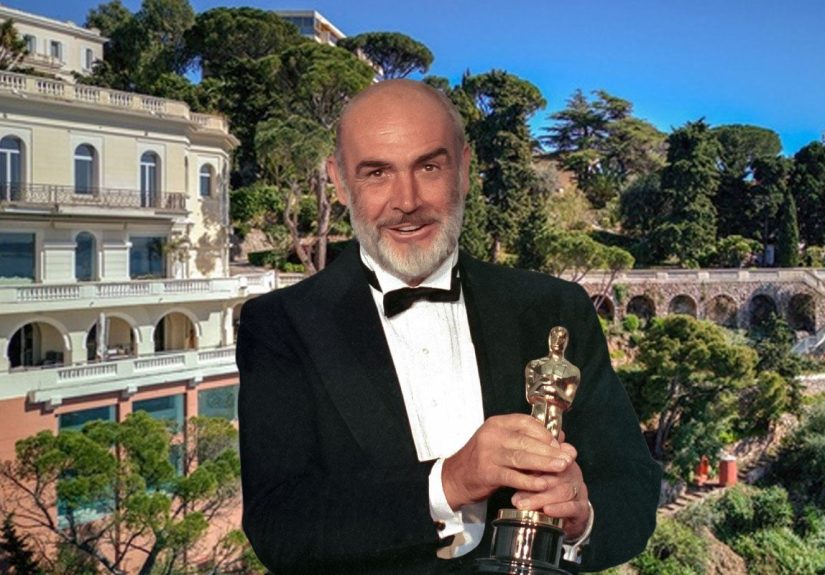
Known as Villa Roc Fleuri and nicknamed the “Bond Villa,” the home has made fresh rounds in celebrity real estate coverage thanks to a headline-grabbing asking price and a backstory that is almost unfairly photogenic. We are talking about a historic Riviera residence associated with Sean Connery, sweeping Mediterranean views, preserved Art Deco and Belle Époque character, terraces, pools, spa amenities, and the kind of cinematic mystique that makes even your browser tab feel expensive.
So why has this house captured so much attention? Because it is more than a luxury home. It is a fantasy object. It is part architecture, part celebrity folklore, part coastal fever dream, and fully the kind of listing that makes regular people say, “Sure, I can’t afford it, but I can absolutely judge the throw pillows.”
The Bond Villa Is Back in the Spotlight
The villa tied to Sean Connery’s name has been widely reported as returning to market at about €23.5 million, or roughly $26.4 million, a number that instantly vaulted it into the category of homes that require both a fortune and a very calm financial advisor. Earlier coverage from 2020 placed the property closer to €30 million, which means the villa has already had one of the world’s fanciest plot twists. More recently, some live listing pages have shown a higher figure again, which is luxury real estate’s way of reminding the rest of us that price tags at this level can move like stock tickers wearing loafers.
Even without the number games, the core appeal is obvious. The house sits in Nice, near Mont Boron, with panoramic views over the port, the Mediterranean, and Cap d’Antibes. It is the kind of location that makes a morning coffee feel like a European film montage. The property has long been associated with Connery and his wife, Micheline Roquebrune, who reportedly owned it during the 1970s and 1980s, right in the era when the Bond connection felt less like branding and more like common sense.
Locals reportedly referred to it as “Sean’s place” or the “Bond Villa,” and honestly, both names work. One sounds warm and familiar. The other sounds like you should arrive by speedboat.
What Makes Villa Roc Fleuri So Expensive?
A French Riviera Address That Does Most of the Talking
Location always matters in real estate, but on the French Riviera it practically writes the invoice. Nice is already one of the most coveted stretches of coastline in Europe, and Mont Boron has a reputation for privacy, prestige, and water views that seem almost offensively pretty. This villa is set directly above the seafront, which means it does not merely see the Mediterranean. It performs with it.
That matters because ultra-luxury buyers are rarely purchasing just walls and roofs. They are buying a feeling. They want sunlight that hits differently, terraces that make cocktails seem more sophisticated, and a setting that turns every guest into an accidental poet. This house delivers all of that with the confidence of a property that knows exactly what it is.
Historic Style Without the Museum Vibes
One reason this home stands out is that it has managed to preserve original architectural details without feeling trapped in amber. Coverage consistently points to mosaic inlays, wood paneling, wrought-iron banisters, ceiling moldings, and even an original lift cabin. In other words, the house still has bones worth bragging about.
That balance is hard to pull off. Plenty of historic homes lean too far in one direction. Either they are lovingly preserved but awkward to live in, or they have been renovated so aggressively that all the soul has been pressure-washed out of them. Villa Roc Fleuri appears to live in the sweet spot: glamorous enough to feel storied, polished enough to feel livable, and dramatic enough to make modern minimalism look a little emotionally unavailable.
The Amenities Are Not Exactly Subtle
This is not one of those celebrity homes where the big reveal is a “chef’s kitchen” and a really committed marble island. The villa is reported to include a spa area, a gym, an indoor-outdoor heated infinity pool, expansive terraces, guest accommodations, and landscaped grounds that stretch down toward the sea. Some coverage has emphasized the main house as a five-bedroom showpiece, while current listing material points to a larger seven-bedroom total across the estate, reflecting the guest and ancillary spaces on site.
So yes, it has the expected luxury flourishes. But what makes them interesting is how they work with the setting. The pools are not just pools. They are Riviera pools. The terraces are not just terraces. They are “linger here until you forget what day it is” terraces. Even the roof deck reportedly comes with the kind of view that makes ordinary outdoor furniture suddenly feel underdressed.
Why the Home Feels Bigger Than Real Estate
Celebrity real estate often gets attention because people are nosy. That is not even an insult; it is just anthropology with better countertops. But Sean Connery’s villa attracts something a little different. It is not just famous because a famous person owned it. It is famous because the owner and the property reinforce each other’s mythology.
Connery was not merely an actor with a recognizable face. He was the original Bond for millions of viewers, the man whose screen presence made danger look elegant and sarcasm look tailored. A home associated with him, especially one on the Riviera, feels uncannily on-brand. Of course his villa would be dramatic. Of course it would overlook the sea. Of course it would look like the sort of place where everyone would speak softly and order martinis with unnecessary precision.
The Bond connection is not just metaphorical, either. Coverage dating back to the earlier listing ties the property to Never Say Never Again, the 1983 Bond film that filmed around Nice, Monaco, and nearby areas, with reporting noting that scenes were shot at the villa itself. That kind of cinematic overlap gives the house a rare advantage in the luxury market: it comes with a narrative already installed.
The Price Tag Is Wild, But Not Random
$26.4 million is the kind of number that makes most people involuntarily check their bank account even though they already know the answer. But in the context of trophy properties, the pricing logic is not entirely irrational. You are paying for the French Riviera, for protected views, for a celebrity tie-in, for architectural character, and for the shrinking supply of homes that feel simultaneously iconic and usable.
There is also scarcity at work. You can build a large new luxury house. You can import stone, install a pool, and commission a wine cellar dramatic enough to deserve its own lighting designer. What you cannot easily manufacture is cultural residue. You cannot fake the sense that a place has history, lore, and a nickname everyone already knows.
That is why this listing hits differently. A buyer is not just buying a Mediterranean mansion. A buyer is buying bragging rights, atmosphere, and an address with built-in dinner-party conversation. In a market where ultra-rich buyers often chase one-of-one assets, that matters more than any spreadsheet wants to admit.
What the Villa Says About Luxury in 2026
This listing also says something bigger about the current appetite for homes with identity. For years, the upper end of the market leaned heavily on clean-lined neutrality: giant white rooms, endless glass, kitchens so pristine they looked morally opposed to spaghetti sauce. That aesthetic is not dead, but the pendulum has clearly swung toward properties with more personality.
Villa Roc Fleuri fits that shift perfectly. It is glamorous, a little theatrical, deeply tied to place, and not remotely interested in pretending it could be anywhere else. It wants to be on the Riviera. It wants to stare at the water. It wants to be memorable. That confidence is part of the product.
And buyers at the very top of the market increasingly seem to want that. They do not just want luxury. They want distinction. They want something that photographs beautifully, yes, but also something that cannot be confused with the next billionaire’s floating glass rectangle. They want a home with a pulse.
Who Actually Buys a Home Like This?
Not to be exclusive, but probably not someone comparison-shopping with a condo and a standing desk.
The likely buyer for a property like this is someone seeking a legacy asset: a second, third, or sixth home that functions as both a private retreat and a status object. It may appeal to a collector of historic properties, a global business figure with a taste for Riviera living, or a buyer who wants a residence that can perform beautifully both in real life and in photographs.
But beyond wealth, the buyer probably needs a certain temperament. This is not a low-maintenance home for someone who wants to disappear into simplicity. This is a home for someone who enjoys a little grandeur, who finds romance in architectural details, and who does not mind if every visitor has the exact same reaction: “Good grief.”
The Real Luxury Here Is the Mood
That may sound ridiculous in an age where every high-end listing comes with a spa, a gym, and a sentence about indoor-outdoor living. But mood is the dividing line between expensive and unforgettable. Plenty of homes are costly. Fewer are transporting.
Sean Connery’s former villa appears to belong to that second category. The view, the era, the nickname, the preserved details, the film connection, the cliffside drama, the Riviera light, the sense that you are standing inside a place that has actually lived a life before you arrived: all of that creates a rare kind of emotional premium.
In other words, the asking price may leave you shaken and stirred, but the atmosphere is what really seals the deal. The money gets the headline. The mood gets the memory.
An Experiential Take: What a Day at the Bond Villa Might Actually Feel Like
Imagine arriving in the late afternoon, when the Riviera light starts doing what Riviera light does best: flattering everything within a five-mile radius. You come through the gate and the house does not so much appear as stage an entrance. There is sea below, sky above, and that cinematic in-between where architecture suddenly feels less like construction and more like choreography.
The first sensation would probably be scale, but not the cold, echoing kind. More the kind that makes your shoulders drop. Rooms open toward the view. Terraces invite lingering. Windows seem to understand that their main job is not just daylight but theater. In a house like this, even silence feels curated.
Then there is the strange luxury of proximity to water. You are high enough to command a panorama, yet close enough to feel the pull of the sea. It changes the rhythm of a day. Coffee becomes a longer ritual. Conversations stretch out. Lunch does not end so much as drift. You stop checking the time, partly because it feels vulgar and partly because the house has already convinced you that clocks are for less scenic people.
Walking through a place like this would also deliver that particular thrill only historic homes can offer: the awareness that you are not the first person to be stunned here. Someone else paused at the same railing. Someone else watched evening settle over the water and thought, quite reasonably, that they had won at life. Add Connery’s shadow to the story, and the experience acquires an extra layer of myth. You are not just in a luxury property. You are in a setting that already belongs to cultural memory.
The pool area would be one of those spaces that messes with your sense of proportion, because the line between built environment and natural horizon starts to blur. It is the kind of place where a simple swim feels suspiciously close to a lifestyle statement. Even the act of doing absolutely nothing would seem elevated. Reclining here is no longer laziness. It is commitment to ambiance.
By early evening, the villa would probably hit its peak. Warm stone, cooler air, lights beginning to glow, the sea turning darker and more reflective by the minute. This is when homes like this stop being impressive and start becoming persuasive. You understand why buyers chase them. You understand why headlines write themselves. You understand why a nickname like “Bond Villa” sticks. The whole property seems designed to flirt with your common sense.
Dinner on a terrace here would not need much embellishment. The setting would do most of the heavy lifting. A few candles, a breeze off the water, glasses catching the last of the light, and suddenly every meal feels like a scene that should end with a witty line and a fade to black. You would probably become more eloquent against your will. At minimum, you would begin overusing the word “extraordinary.” The house would make you do that.
And that, ultimately, is the experience this listing is really selling. Not just shelter. Not even just luxury. It is selling suspension of disbelief. It offers the temporary conviction that life can, in fact, look this polished, this cinematic, this beautifully over-the-top. For one afternoon, one sunset, one dinner, one long look at the Mediterranean, you get to inhabit a fantasy sturdy enough to have walls.
That is why the villa fascinates people who will never buy it. It lets the rest of us tour a version of life in which the views are enormous, the history is glamorous, and even the air seems to have better taste. In a world full of listings, that kind of feeling is rare. In a world full of celebrity homes, it is even rarer.
Conclusion
Sean Connery’s former Riviera villa is not merely another celebrity property with a shiny headline and a giant number attached. It is a case study in why certain homes become legends. The setting is exceptional, the architecture has genuine character, the Bond connection is unusually organic, and the overall atmosphere feels curated by destiny and a very talented location scout.
Yes, the price is eye-watering. Yes, the average reader is more likely to own a martini glass than a cliffside villa in Nice. But that is exactly why this story works so well. It offers escapism with floor plans. It gives readers the fantasy of stepping into a life where the Mediterranean is your backdrop, design details are worth savoring, and Sean Connery’s old address can become your latest irrational daydream.
In luxury real estate, plenty of listings are expensive. A much smaller number feel iconic. This one, shaken or stirred, still clearly knows how to make an entrance.