Table of Contents >> Show >> Hide
- What This Sink Is (and Why People Obsess Over It)
- Why Two Basins Can Be a Game-Changer
- Where This Sink Works Best
- Before You Buy: The Details That Decide Whether You’ll Love It
- Ceramic, Fireclay, and Enameled Finishes: What to Expect
- Installation Game Plan (So It Doesn’t Become a Three-Weekend Saga)
- Care and Cleaning: Keeping “Range White” Actually White
- Design Ideas: Making “Vendanges” Feel Like a Whole Mood
- Should You Choose Double-Bowl or Switch to Single-Bowl?
- FAQ
- Conclusion
- Experiences: What Living With a Two-Basin White Ceramic Timbre d’Office Sink Is Really Like (Extra Notes)
A sink is basically the unofficial CEO of your home: it manages mess, mediates family debates about “who left the spoon in the mug,” and somehow ends up hosting half your meal prep even when you swear you’ll keep the counter clear this time.
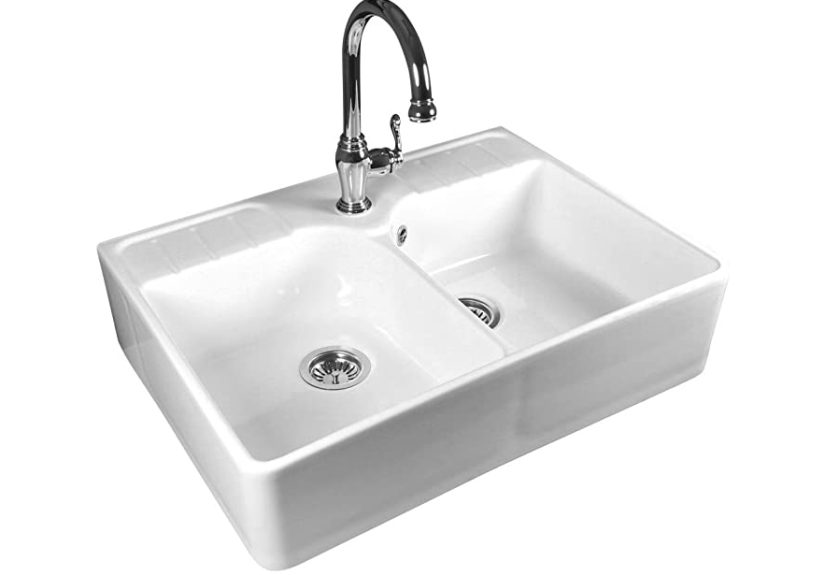
The Sink 2 Bins Timbre D’Office “Vendanges” Range White leans into that workhorse role with two basins (a.k.a. “two bins”) wrapped in a crisp, retro-white ceramic look. The name “Vendanges” nods to grape harvest seasonfitting, because this sink is made for real work: rinsing, soaking, washing, prepping, and generally rescuing your day from chaos.
What This Sink Is (and Why People Obsess Over It)
“Timbre d’office” is a French term often used for a practical, traditional utility-style sinkthink classic farmhouse vibes, but with a European accent. In plain American English, it signals a deep, durable, no-nonsense sink that looks intentionally old-school while functioning like a modern multitasking station.
Quick snapshot of the “Vendanges” Range White style
- Two basins for separating tasks (wash vs. rinse, prep vs. soak, clean vs. “please don’t look at this yet”).
- White ceramic finish that brightens a space and pairs well with everything from brass to matte black fixtures.
- Rectangular, retro silhouette that reads “classic” without feeling precious.
If you’re drawn to interiors that feel warm, grounded, and a little bit “I buy butter in a paper wrap,” this sink fits right in. But it’s not only about lookstwo-bowl layouts can improve workflow in ways you’ll notice every single day.
Why Two Basins Can Be a Game-Changer
1) Cleaner workflow (without needing a bigger kitchen)
Two basins let you divide and conquer. You can soak sticky pans in one side while still having a usable basin for rinsing produce or washing hands. If you cook often, this separation helps keep food prep from colliding with dish duty.
2) Less cross-contamination drama
One basin can be dedicated to food preprinsing berries, washing greens, thawing something safelywhile the other deals with the aftermath. It’s a subtle upgrade, but it changes the “flow” of your kitchen or utility space in a very real way.
3) It looks intentional, not utilitarian
Double-bowl sinks used to be standard, then single bowls became trendy, and now the pendulum swings depending on how people actually live. A white ceramic double-basin sink feels classic and architectural, especially when paired with simple hardware and natural materials.
Where This Sink Works Best
In a kitchen that does real cooking
If you regularly wash sheet pans, strain pasta, rinse produce, or fill big pots, you’ll appreciate having two zones. One bowl can handle the heavy lifting while the other stays available for quick tasks.
In a laundry room, mudroom, or pantry
Utility spaces are where “timbre d’office” sinks shine. They’re great for washing paint brushes, cleaning muddy garden tools, soaking stained clothes, or bathing a small pet who absolutely did not consent to this spa day.
In a bathroom as a bold double-basin statement
Two basins aren’t just for kitchens. In the right setup, a double-basin ceramic sink can act like a shared vanity solutionespecially in busy homes where mornings feel like a competitive sport.
Before You Buy: The Details That Decide Whether You’ll Love It
Size, cabinet fit, and “will this even go here?”
Double-basin ceramic sinks are often heavier than stainless steel and can demand more support than a typical drop-in sink. You’ll want to confirm cabinet width, clearance for plumbing, and whether the surrounding countertop can accommodate the sink’s footprint. If you’re replacing an existing sink, be prepared for adjustmentsespecially if the old sink was smaller or single-bowl.
Installation style matters more than most people expect
Sinks generally install in a few common ways:
- Top-mount (drop-in): sits on the counter cutout; the rim supports the weight.
- Undermount: mounts beneath the counter for a clean look; requires solid fastening and sealing.
- Apron-front / farmhouse-style: exposes the front face and often needs cabinet modification and reinforcement.
The right choice depends on your countertop material, cabinet structure, and whether you want that seamless “wipe crumbs straight in” look or prefer an easier swap-in installation.
Drain and faucet planning
Two basins can mean one drain per basin or a shared drainage configuration depending on the sink design. Either way, your plumber will look at trap placement, venting, and whether you’re adding a disposal. Faucet reach matters tooespecially with wider sinksso choose a spout that comfortably reaches both basins without requiring you to do a weird wrist yoga move.
Ceramic, Fireclay, and Enameled Finishes: What to Expect
Why white ceramic stays popular
White ceramic (and closely related fireclay styles) is loved for its timeless look, solid feel, and the way it makes a space feel brighter. It’s also quieter than thin metal sinksless clatter, more calm.
Durability is real, but it’s not indestructible
Ceramic-style sinks can handle everyday use beautifully, but they can chip if heavy cookware is dropped hard enough. The finish can also show stains if you let things sit too longthink coffee, wine, rust from metal cans, or that mystery “orange ring” that appears when you ignore a cast-iron pan overnight.
Weight and support: the unglamorous truth
The most important “not pretty but absolutely critical” detail: these sinks are heavy. If your installation involves an apron-front or undermount approach, you typically need reinforcement and a support frame or ledger system inside the cabinet. This is not the moment for “eh, it’ll probably be fine.”
Installation Game Plan (So It Doesn’t Become a Three-Weekend Saga)
Step 1: Reinforce before the sink arrives (or before you lift it)
Heavy farmhouse-style installations often use plywood reinforcement and solid bracing inside the cabinet. The goal is to transfer the load to the cabinet structurenot to your countertop seam or a few hopeful screws.
Step 2: Measure the actual sink, not just a template
Real-world manufacturing tolerances exist. Always confirm the sink’s real dimensions before final cabinet cuts or countertop fabrication. This is especially true for retro-inspired ceramic sinks where the edges and curves can be slightly variable.
Step 3: Seal like you enjoy having dry cabinets
For undermount setups, sealing at the countertop interface is essential. For top-mount, a clean silicone bead at the rim prevents water from sneaking under the edge. Either way, water always wins if you leave it a path.
Care and Cleaning: Keeping “Range White” Actually White
Daily habits that do most of the work
- Rinse after use (especially after coffee, wine, tea, tomato sauce, and anything that loves drama).
- Wipe with a soft cloth or sponge and a mild detergent.
- Dry it if you have hard waterthis reduces mineral spots and dulling.
What to avoid
Skip harsh chemicals and abrasive scrubbers that can dull or scratch the surface over time. If you need extra cleaning power, use gentle methods first before escalating to stronger products.
A simple stain playbook
- Hard water marks: use a targeted hard-water remover, then rinse thoroughly and dry.
- Everyday dullness: baking soda can help lift grime without being aggressively abrasive when used gently.
- Metal marks: can appear as gray scuffs; treat them carefully with non-scratch methods before assuming they’re permanent.
Accessories that protect the sink (and your sanity)
Consider sink grids or mats to reduce chipping risk from heavy cookware. A fitted cutting board can also turn one basin into prep spacehandy in smaller kitchens where every inch matters.
Design Ideas: Making “Vendanges” Feel Like a Whole Mood
French country without the cliché
Pair the white ceramic sink with warm oak or walnut tones, aged brass or unlacquered brass hardware, and simple zellige-style tile or classic subway tile. Add one “soft” elementlinen café curtains or woven basketsand you’ll get that lived-in charm without turning your kitchen into a costume set.
Modern farmhouse, but cleaner
Keep the sink as the hero and simplify everything else: flat-front cabinets, minimal pulls, one strong pendant light, and a muted palette. The crisp white sink becomes a visual anchor instead of another “farmhouse sign” moment.
Unexpected pairing: contemporary + retro sink
A retro ceramic sink in a modern space can be stunning when the contrast is deliberate. Think: matte black faucet, honed stone counter, streamlined cabinetry, and the sink as your one nostalgic statement.
Should You Choose Double-Bowl or Switch to Single-Bowl?
This is the part where preferences get personal. Some people will never give up a double-bowl sink because multitasking is their love language. Others want one giant basin for sheet pans and stockpots.
A practical way to decide: think about your most common sink tasks. If you frequently do “wash + rinse” cycles, handle food prep while dishes pile up, or want separation, double-bowl makes sense. If your biggest pain point is washing large items, a single-bowl might feel more freeing.
FAQ
Is the Sink 2 Bins Timbre D’Office “Vendanges” Range White a kitchen sink or a bathroom sink?
It can work in either context depending on how it’s installed and what your plumbing setup supports. Two basins make sense in kitchens, utility rooms, and certain shared-bathroom layouts.
Will a white ceramic sink stain?
Any light-colored sink can show stains if strongly pigmented foods or metal items sit too long. The good news: consistent, gentle cleaning usually keeps it bright, and small daily habits prevent most stubborn buildup.
Do I need professional installation?
If the installation requires cabinet modification, added support framing, or complex plumbing changes, professional installation is often worth itespecially with heavier ceramic or farmhouse-style designs.
Conclusion
The Sink 2 Bins Timbre D’Office “Vendanges” Range White is for people who want their sink to be both a functional workstation and a design statement. Two basins make daily life smoother, while the white ceramic finish delivers that bright, classic look that plays nicely with nearly any stylefrom cozy French country to crisp modern minimalism.
The biggest “grown-up” considerations are support and maintenance: make sure your cabinet and installation approach can handle the weight, and adopt simple cleaning habits that keep the finish looking fresh. Do that, and you’ll have a sink that feels charming, capable, and ready for everything from weeknight pasta to full-on holiday chaos.
Experiences: What Living With a Two-Basin White Ceramic Timbre d’Office Sink Is Really Like (Extra Notes)
Homeowners who switch to a two-basin ceramic sink often say the biggest surprise is how quickly it becomes the “default organizer” of the kitchen. One basin naturally turns into the active workspacerinsing produce, filling a pot, draining pastawhile the other becomes the staging area for soaking, air-drying, or temporarily parking dishes. It’s not glamorous, but it’s deeply satisfying in the same way that having two monitors makes you feel instantly more competent at work.
The second most common observation is about sound. Ceramic tends to feel quieter and more solid than thinner stainless steel, so you don’t get that sharp “clang” every time a spoon taps the basin. People describe it as calmer, especially in open-plan homes where kitchen noise travels. On the flip side, that solidity comes with weight. Even if you’re not installing it yourself, you’ll notice the logistics: deliveries, careful handling, and the reality that “just shifting it a little” is a two-person sentence.
Aesthetic-wise, the “Range White” look is a crowd-pleaserbut white also tells the truth. If you have hard water, you’ll likely see spots faster than you would on a darker sink. Many owners end up keeping a small microfiber cloth nearby and doing a quick wipe-down while coffee brews. It sounds fussy, but it’s the kind of 20-second habit that prevents the more annoying Saturday deep-clean. If you’re the type who loves an always-photo-ready kitchen, white ceramic rewards you. If you’re the type who treats the sink like a confession booth for dirty dishes, you may want to add a sink grid or protective mat so the finish stays bright and the basin stays chip-resistant.
People also talk about how a double-basin sink changes entertaining. During parties, one basin can discreetly hold the “evidence” (glasses, serving spoons, the tongs that vanished for 45 minutes), while the other stays usable for water, rinsing, and quick cleanup. That split keeps the kitchen from feeling overwhelmed, even when the rest of the house is living its best chaotic life. And yesif the “Vendanges” name makes you want to open a bottle of wine, you are not alone. Many owners lean into the theme: warm lighting, a wood cutting board, maybe a vintage-inspired faucet, and suddenly the sink area feels like a small, daily ritual space instead of a chore corner.
Finally, long-term owners often say the real win is that the sink becomes a design anchor. It’s not just a fixture; it’s part of the room’s personality. When paired with thoughtful hardware, it can make even a modest remodel feel intentional. The practical takeaway from these experiences is simple: plan the installation carefully, protect the surface with the right accessories, and keep a gentle cleaning routine. Do that, and a two-basin white ceramic timbre d’office sink can stay beautiful while doing the unglamorous work it was born to do.