Table of Contents >> Show >> Hide
- The Viral Miley Cyrus Gucci Photo: What People Thought They Saw
- The Important Correction: The Image Was Not Official Gucci Material
- Why Miley Cyrus and Gucci Make Such a Clickable Combination
- Bleached Brows, Micro Bangs, and the Internet’s Fear of Fashion
- AI Images Have Changed Celebrity Gossip Forever
- The Body-Shaming Problem Beneath the Frenzy
- What the Real Gucci Flora Campaign Says About Miley’s Image
- Why Fans Reacted So Strongly
- What Social Media Users Can Learn From the Miley Cyrus Gucci Frenzy
- Experience Section: What This Viral Moment Feels Like in Real Life
- Conclusion: The Real Story Is Bigger Than One Viral Picture
A single image can now do what a full publicity tour once needed a month to accomplish: hijack the internet, start a debate, panic a fandom, annoy a luxury brand, and make everyone in the comments section suddenly act like a forensic image analyst with a PhD in eyebrows. That is exactly what happened when a viral Miley Cyrus picture, allegedly connected to a Gucci Flora campaign, began circulating across social media with the harsh phrase "skin and bones" attached to it.
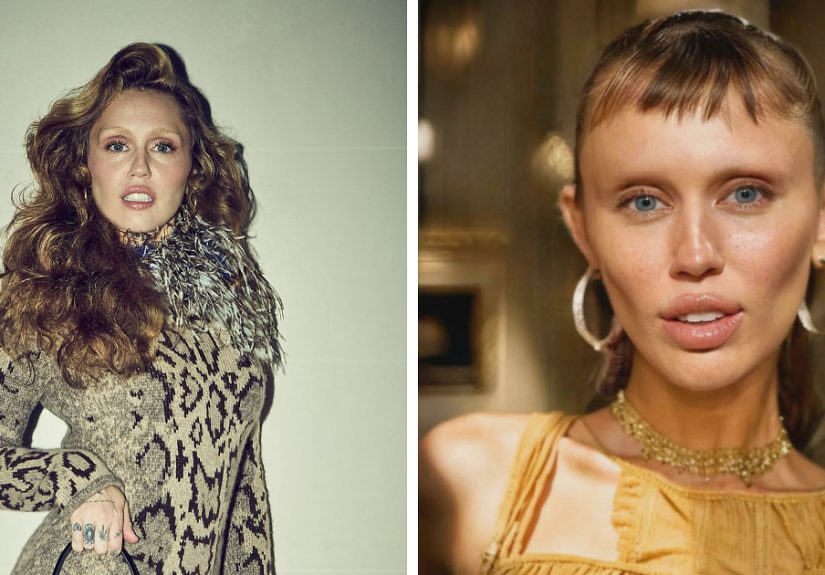
The photo appeared to show Cyrus looking dramatically gaunt, with hollowed cheeks, exaggerated facial features, micro bangs, and barely visible brows. Some users reacted with concern. Others mocked the look. A few immediately blamed Gucci. Then came the plot twist: the image was not an official Gucci campaign photo. Reporting around the frenzy identified it as an altered or AI-assisted creation, while Gucci’s real Flora campaign materials showed a very different Miley Cyrus: polished, glamorous, playful, and fully in control of her long-running chameleon image.
So, what actually happened here? Why did the picture travel so fast? And why did a fake-looking image spark a very real conversation about celebrity bodies, AI images, fashion marketing, and the strange way the internet talks about women? Let’s unpack the drama without losing our eyebrows in the process.
The Viral Miley Cyrus Gucci Photo: What People Thought They Saw
The image spread because it hit several internet pressure points at once. First, it involved Miley Cyrus, a celebrity whose career has been defined by reinvention. Second, it was tied to Gucci, a luxury fashion house known for theatrical visuals and high-concept beauty campaigns. Third, the alleged look included details that already divide audiences: bleached brows, extreme thinness, sharp styling, and a slightly alien editorial mood.
That combination was practically engineered for quote tweets. Some users described the image as unsettling. Others joked that high fashion had finally left Earth and forgotten to pack snacks. The phrase "skin and bones" appeared in reactions not as a verified description of Cyrus herself, but as a blunt example of how cruel and careless online commentary can become when a celebrity image looks unusual.
The problem, of course, is that social media often reacts before it verifies. A picture looks shocking, so people share it. A caption says it is from a Gucci campaign, so people believe it. A celebrity appears different, so strangers begin diagnosing, judging, or insulting her body. The cycle is fast, messy, and usually wearing very expensive sunglasses.
The Important Correction: The Image Was Not Official Gucci Material
The key fact is simple: the viral image was not confirmed as an official Gucci campaign photo. Reports noted that users later compared it with actual Gucci Flora campaign materials and found clear differences. The official Gucci imagery for Miley Cyrus presented a softer, more intentional fragrance-world aesthetic, not the extreme, distorted look that triggered the backlash.
Gucci’s real Flora campaign history with Cyrus is well documented. The brand has featured her as the face of Gucci Flora fragrances across multiple chapters, including Gucci Flora Gorgeous Gardenia, Gorgeous Orchid, and Gorgeous Gardenia Intense. The official campaign language centers on creativity, self-love, dreamlike Los Angeles scenery, floral sensuality, and Cyrus’s free-spirited public persona.
In other words, the real campaign was selling perfume, not panic. The viral image, however, sold outrage. And outrage, as every social media platform knows, has excellent distribution.
Why Miley Cyrus and Gucci Make Such a Clickable Combination
Miley Cyrus is not just another celebrity face in a fragrance ad. She is a pop culture shapeshifter. From her Disney Channel years to Bangerz, from rock-influenced eras to the Grammy-winning success of "Flowers," Cyrus has made reinvention part of her brand. Her image changes are not side effects of fame; they are part of the performance.
That makes her a natural match for Gucci Flora. Fragrance advertising often sells identity more than scent. Nobody can smell a campaign through a phone screen, so the visual has to do the heavy lifting. Gucci has leaned into color, fantasy, flowers, sensuality, and surreal glamour. Cyrus brings the attitude. The bottle brings the notes. The internet brings the chaos. Everybody does their job.
Her 2024 Gucci Flora Gorgeous Orchid campaign placed her in a dreamy Los Angeles setting, using the Hollywood sign and floral imagery to tell a story about creativity and self-expression. The campaign fit the post-"Flowers" era perfectly: independent, glamorous, confident, and a little theatrical. By 2025, her Gucci Flora Gorgeous Gardenia Intense visuals leaned into a bolder beauty mood, including bleached brows and sharp styling. That real trend may have helped make the fake or altered photo seem believable to casual scrollers.
Bleached Brows, Micro Bangs, and the Internet’s Fear of Fashion
One reason the fake image fooled people is that fashion already loves exaggeration. Bleached brows have been everywhere, from runways to celebrity editorials. Micro bangs come and go like a rebellious cousin at Thanksgiving. High-fashion lighting can sharpen cheekbones, flatten color, and make a person look dramatically different from their usual red-carpet self.
So when users saw an extreme image of Cyrus, some assumed it was simply another avant-garde Gucci moment. That assumption says a lot about how far beauty marketing has moved from ordinary portraiture. In luxury fashion, looking slightly unreal is often the point. Campaigns are not passport photos. They are mood boards with cheekbones.
Still, there is a line between creative styling and digital distortion. The viral Miley Cyrus picture appeared to cross that line. It used the credibility of a famous face and a famous brand to make people believe they were reacting to a real campaign. That is where the story becomes less about fashion taste and more about media literacy.
AI Images Have Changed Celebrity Gossip Forever
Not long ago, celebrity photo debates usually involved Photoshop, filters, awkward lighting, or a badly timed paparazzi angle. Now, AI-assisted images can create a convincing visual fiction in seconds. A face can be altered, aged, thinned, widened, glamorized, or made strange enough to spark engagement while still looking close enough to reality to fool casual viewers.
That is dangerous for celebrities and confusing for audiences. A fake image can damage a reputation, encourage body shaming, create false health rumors, or mislead fans into blaming a brand for a campaign it never released. It can also spread faster than the correction. The original post gets the fire. The correction gets the smoke alarm after everyone has already left the building.
This Miley Cyrus moment shows why viewers need a new habit: pause before reacting. Check the brand’s official account. Search for the campaign on reputable entertainment, fashion, or beauty outlets. Compare the image with verified photos. Look for visual oddities around hands, teeth, shadows, skin texture, and symmetry. Basically, do not let an algorithm turn you into a volunteer gossip cannon.
The Body-Shaming Problem Beneath the Frenzy
The most uncomfortable part of the viral conversation was not the confusion over Gucci. It was the speed at which people discussed Cyrus’s body as if it were public property. Words like "skinny," "scary," "sick," and "skin and bones" appeared in reactions, often with little concern for whether the image was real or whether those comments might affect real people reading them.
Celebrity body commentary has a long history, but social media has made it more immediate and more casual. A user can post a cruel remark in three seconds and move on to lunch. The person being discussed, and millions of people with similar bodies or body-image struggles, may carry the impact much longer.
There is also a double standard. When a female celebrity gains weight, the internet speculates. When she loses weight, the internet speculates. When she changes makeup, the internet speculates. When she ages naturally, people ask what happened. When she uses styling to look different, people ask why she is trying so hard. The only way to win is apparently to remain frozen in one universally approved face from 2013, which sounds exhausting and very bad for skincare.
What the Real Gucci Flora Campaign Says About Miley’s Image
The official Gucci Flora campaigns are not built around shock for shock’s sake. They frame Cyrus as a symbol of freedom, creativity, intensity, and self-expression. Gucci Flora Gorgeous Orchid leaned into a dreamlike Hollywood atmosphere, while Gorgeous Gardenia Intense emphasized a richer, woodier, more grown-up mood. Both fit Cyrus’s current public image: glamorous, mature, independent, and a little wild around the edges.
That distinction matters. The real campaign uses Cyrus’s persona to sell a fragrance fantasy. The altered viral image used her likeness to sell engagement. One is marketing. The other is manipulation. They may look similar to a fast-scrolling eye, but ethically they are worlds apart.
For Gucci, the lesson is clear: brands working with high-profile celebrities now need rapid-response strategies for fake visuals. A campaign no longer lives only on billboards, magazines, and official Instagram posts. It also exists in screenshots, reposts, edits, fan accounts, parody pages, and AI remixes. The brand may own the campaign, but the internet owns the confusion.
Why Fans Reacted So Strongly
Miley Cyrus fans are protective because they have watched her grow up in public. Many remember the intense scrutiny she faced during the transition from child star to adult performer. They remember how every outfit, haircut, relationship, and award-show performance became a referendum on who she was supposed to be. So when an alarming image spreads, fans do not see it in isolation. They see it as one more chapter in a long history of public judgment.
There is also genuine fatigue with extreme beauty standards. Many viewers are tired of celebrity images that appear over-edited, over-sculpted, and over-filtered. The fake Gucci photo became a lightning rod for that frustration. Even though the image itself was not official, the reaction was connected to something real: people are increasingly suspicious of beauty content that looks less human and more algorithmically assembled.
That suspicion is healthy when it leads to critical thinking. It becomes harmful when it turns into attacking a real person’s body. The best response is not "How dare she look like that?" It is "Is this real, who made it, and what is it trying to make me feel?"
What Social Media Users Can Learn From the Miley Cyrus Gucci Frenzy
1. Viral Does Not Mean Verified
A viral image can be false, altered, old, taken out of context, or attached to the wrong brand. Popularity is not proof. Sometimes it just means a post found the right emotional button and pressed it with both hands.
2. Celebrity Health Speculation Is Not Harmless
Commenting on a celebrity’s body may feel distant, but it normalizes the habit of judging bodies in everyday life. A cruel comment about a famous person can still wound someone unknown who sees themselves in that description.
3. Luxury Fashion Is Often Weird on Purpose
Not every unusual look is a scandal. Bleached brows, dramatic hair, sheer fabrics, strange poses, and surreal lighting are part of fashion’s visual language. Weird does not automatically mean unhealthy, fake, or wrong.
4. AI Makes Skepticism Essential
AI-generated celebrity content is becoming more convincing. Before sharing, check whether the image appears on official brand accounts, trusted publications, or the celebrity’s verified channels.
Experience Section: What This Viral Moment Feels Like in Real Life
The most relatable part of the Miley Cyrus Gucci photo frenzy is how familiar the pattern feels. Someone drops an image into a group chat with the digital equivalent of a siren: "Have you seen this?" Within seconds, everyone becomes an expert. One friend says it has to be AI. Another says fashion has gone too far. Someone else zooms in until the pixels beg for mercy. Then a fourth person, usually the calm one, asks the only question that matters: "Where did this come from?"
That small pause is the difference between being entertained by the internet and being used by it. Most people have experienced this kind of moment, even if it was not about Miley Cyrus. Maybe it was a fake celebrity breakup announcement, a manipulated red-carpet image, a dramatic before-and-after photo, or a screenshot with no source and suspiciously perfect timing. The emotional rush is real. The information may not be.
For fans, these moments can feel strangely personal. Miley Cyrus is not a stranger in the usual sense. Millions of people grew up hearing her voice, watching her performances, or tracking her public transformations. When a shocking image appears, fans may feel protective, worried, angry, or defensive. That emotional connection is exactly why fake or altered celebrity content spreads so well. It does not ask people to think first. It asks them to feel first.
For casual viewers, the experience is different but still powerful. A person scrolling during a coffee break sees the image, reads a sharp caption, and forms an opinion before the latte cools. The post becomes a tiny piece of cultural evidence: "This is what fashion is now," or "This is what celebrities are doing," or "This is why social media is bad." The image may be fake, but the conclusion feels real because it confirms something the viewer already suspected.
For writers, editors, and bloggers, the lesson is even bigger. A viral claim should never be treated as fact just because it is trending. The responsible angle is not to amplify the insult. It is to explain the confusion, separate verified campaign material from manipulated content, and avoid turning a woman’s appearance into a public courtroom. The better headline is not "What happened to Miley?" The better question is "Why were so many people ready to believe this?"
For brands, the experience is a warning. Gucci can release a polished campaign, but a distorted image can hijack the conversation if it looks close enough to the brand’s visual world. In the AI era, fashion houses need monitoring, clarification, and fast communication. Silence may look elegant on a runway, but online it often leaves room for nonsense to put on heels and sprint.
For ordinary social media users, the practical takeaway is simple: slow down. Search before sharing. Be careful with body comments. Treat shocking visuals as claims, not facts. And remember that the person in the picture, famous or not, is still a person. The internet may reward speed, but truth usually shows up fashionably late.
Conclusion: The Real Story Is Bigger Than One Viral Picture
The "skin and bones" Miley Cyrus Gucci frenzy was not just about a strange picture. It was about how quickly altered visuals can become public debate, how easily celebrity bodies become comment-section property, and how luxury fashion’s taste for surreal beauty can blur with AI distortion. The alleged Gucci image sparked outrage because it looked close enough to believable and extreme enough to demand reaction.
But the real Gucci Flora campaigns tell a different story: Miley Cyrus as a confident, expressive, Grammy-winning artist whose image continues to evolve on her own terms. The fake or altered picture may have started the conversation, but it should not define it.
The smarter takeaway is not to mock the look or panic over the celebrity. It is to become better viewers. In 2026 and beyond, digital literacy is not optional. It is the new beauty filter for the brain. Use it generously.