Table of Contents >> Show >> Hide
- What Is a Smart Kitchen?
- How a Smart Kitchen Works
- How a Smart Kitchen Makes Your Life Easier
- Common Smart Kitchen Features
- What a Smart Kitchen Does Not Solve
- How to Build a Smart Kitchen Without Overspending
- Who Benefits Most From a Smart Kitchen?
- Real-Life Smart Kitchen Experiences: What Daily Use Actually Feels Like
- Final Thoughts
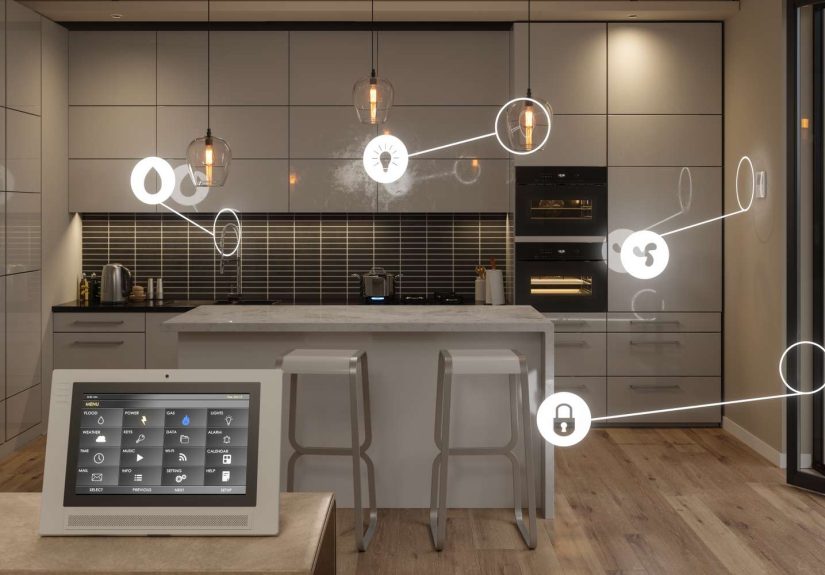
The kitchen used to be the room where you juggled timers, guessed whether the chicken was done, and opened the fridge three times just to remember why you walked over there in the first place. Now, thanks to connected appliances, app-based controls, sensors, and voice assistants, the modern kitchen is getting a serious brain upgrade. Welcome to the smart kitchena space designed not just to look sleek, but to actually make cooking, cleaning, organizing, and everyday living easier.
If that phrase sounds a little too futuristic, don’t worry. A smart kitchen is not a robot chef barking orders while your toaster develops opinions. In real life, it usually means practical upgrades: an oven you can preheat from your phone, a dishwasher that tells you when the cycle is done, lighting that adjusts with a voice command, a faucet you can turn on without touching it with raw-chicken hands, and appliances that help you save energy instead of quietly plotting against your utility bill.
At its best, a smart kitchen is less about gimmicks and more about reducing friction. It helps busy families move faster, supports safer cooking, improves food storage, and even makes kitchens more accessible for older adults or anyone with mobility challenges. In other words, it is not just “tech for tech’s sake.” It is technology with an apron on.
What Is a Smart Kitchen?
A smart kitchen is a kitchen that uses connected devices, automation, sensors, and digital controls to improve how the space functions. These tools often connect through Wi-Fi, Bluetooth, or a smart-home platform, allowing appliances and gadgets to communicate with each other or with you through an app, touchscreen, or voice assistant.
That can include major appliances like smart refrigerators, ovens, ranges, microwaves, and dishwashers. It can also include smaller upgrades such as smart plugs, air fryers with app controls, touchless faucets, leak detectors, smart lighting, voice-controlled speakers, and digital food thermometers.
The main goal is simple: less guesswork, less wasted time, and fewer small annoyances. A smart kitchen turns routine tasks into easier ones. It can remind you, monitor things, automate steps, and help you make better use of your time, groceries, and energy.
How a Smart Kitchen Works
Most smart kitchens are built around three things: connected appliances, automation, and control. Connected appliances share information, whether that means sending alerts when a cycle is done or letting you adjust settings remotely. Automation handles repetitive tasks, such as turning on lights at a certain time or starting the coffee maker before you’re fully awake enough to be trusted around sharp knives. Control comes from apps, smart displays, or voice assistants that let you monitor and manage the kitchen without standing directly in front of every appliance.
Some systems are simple and modular. You might start with a smart speaker and a few smart plugs. Others are more advanced, with appliances that work together through a home ecosystem. Either way, the smartest setup is usually the one that solves real problems rather than showing off at dinner parties.
How a Smart Kitchen Makes Your Life Easier
1. It Saves Time on Busy Days
This is the biggest selling point, and honestly, it’s a good one. A smart oven can preheat while you’re still commuting home. A multicooker can send an alert when dinner is done. A smart dishwasher can notify you when the cycle finishes so clean dishes don’t sit overnight like an awkward family secret. Motion-sensor lighting can brighten work areas without requiring you to fumble for a switch while carrying groceries.
Small conveniences add up fast. When your kitchen removes five or six tiny hassles a day, it starts to feel less like a work zone and more like a support system.
2. It Helps You Cook More Confidently
Smart kitchens are especially useful for people who enjoy cooking but do not enjoy uncertainty. Connected thermometers and guided cooking programs can help you monitor temperature more accurately, reducing the odds of serving chicken that is either dangerously undercooked or cooked into a substance best described as “vintage drywall.”
Many smart ovens and ranges offer preset cooking modes, remote monitoring, and alerts. Some can recommend settings for specific foods. Others can help you manage multiple dishes more efficiently, which is a lifesaver during holidays, dinner parties, or weeknights when everyone is hungry five minutes earlier than expected.
3. It Improves Food Storage and Organization
A smart refrigerator will not magically turn leftovers into a three-course meal, but it can help keep food safer and more organized. Better temperature monitoring, flexible storage zones, internal cameras on some models, and maintenance alerts can make it easier to manage what you have and reduce waste.
Even simpler tools matter here. Smart labels, grocery-list apps synced to a family account, and inventory reminders can prevent the classic household problem of buying a third jar of mustard while insisting you had none.
4. It Can Increase Safety
Safety is where smart kitchens become more than just convenient. Alerts can tell you if an appliance is left on, a refrigerator temperature rises, or a leak is detected under the sink. Induction cooking adds another layer of protection because the cooktop itself stays cooler than traditional surfaces and heats cookware more directly.
Touchless faucets can also reduce mess and contamination during meal prep. And smart thermometers make food-safety practices easier to follow, especially when cooking meat, poultry, and leftovers that need to reach proper internal temperatures.
5. It May Lower Energy Use
A well-designed smart kitchen can help you use energy more efficiently. Some connected appliances track usage and suggest better operating times. Others improve performance through software updates or eco modes. Choosing efficient electric appliances, particularly newer induction and ENERGY STAR-certified options where available, can also reduce waste and support a more efficient kitchen overall.
That does not mean every “smart” feature saves money automatically. The real benefit comes when smart tools help you run appliances more intentionally instead of more often.
6. It Supports Accessibility and Aging in Place
This benefit deserves more attention than it usually gets. Voice controls, visual and audible alerts, remote monitoring, easy-to-read interfaces, and touchless features can make kitchens more usable for people with arthritis, mobility limitations, low vision, or hearing challenges. For older adults who want to remain independent at home, smart kitchen upgrades can make everyday tasks easier and safer.
In practical terms, that might mean turning on lights by voice, checking whether the oven is off from another room, using a faucet without gripping a handle, or receiving app notifications instead of relying only on beeps that are easy to miss.
Common Smart Kitchen Features
Smart Ovens and Ranges
These often offer remote preheating, cooking notifications, guided settings, and in some cases camera or probe integration. They are most useful for busy households, meal preppers, and people who want more predictable cooking results.
Smart Refrigerators
These may include temperature tracking, flexible storage zones, maintenance alerts, family calendars, shopping tools, and interior cameras. Not everyone needs a refrigerator with a personality, but temperature monitoring and better organization features can be genuinely helpful.
Smart Dishwashers
These typically send cycle updates, maintenance reminders, and sometimes energy-management features. Their greatest strength is convenience, not drama. A dishwasher text is not thrilling, but it is useful.
Smart Faucets
Touchless, motion-activated, and voice-enabled faucets are popular because they are practical. They reduce germ spread, make cleanup easier, and can help with portioning water for tasks like filling bottles or pots.
Smart Lighting and Plugs
These are affordable entry points for a smart kitchen. You can automate under-cabinet lights, create brighter task lighting, or control countertop appliances with schedules and voice commands.
Smart Sensors
Leak detectors, open-door sensors, and air-quality monitors are not glamorous, but they are quietly useful. They help catch small problems before those problems become expensive ones.
What a Smart Kitchen Does Not Solve
Let’s be honest: a smart kitchen is not a cure for poor planning, bad groceries, or the mysterious family habit of leaving one spoon in the sink while the dishwasher sits open and empty. Technology can streamline the space, but it cannot replace good kitchen habits.
It also comes with tradeoffs. Some smart appliances require reliable Wi-Fi for key features. Privacy matters, too. Connected appliances collect data, and not every product handles that data equally well. Compatibility can be another headache if devices live in different ecosystems and refuse to cooperate like feuding cousins at Thanksgiving.
That is why the best approach is selective, not excessive. Buy the features you will actually use. Skip the ones that sound cool in theory but would mostly become expensive wallpaper.
How to Build a Smart Kitchen Without Overspending
You do not need a luxury remodel to create a smart kitchen. In fact, starting small is usually smarter. Begin with the pain points that frustrate you most.
Start with These High-Value Upgrades
If you want the most practical payoff, consider smart lighting, a digital food thermometer, a smart plug for a coffee maker, a leak detector under the sink, or a touchless faucet. These upgrades are often more useful day-to-day than flashy refrigerator screens.
Upgrade Major Appliances Only When Needed
If your oven, dishwasher, or fridge is already nearing retirement, that is a good time to compare smart options. But replacing perfectly functional appliances just to get app notifications is rarely the financial slam dunk people imagine.
Choose One Ecosystem
Try to keep your devices within a compatible platform so setup stays simple. A kitchen should produce dinner, not weekly troubleshooting sessions.
Prioritize Security
Use strong passwords, enable two-factor authentication when available, keep software updated, and secure your home Wi-Fi network. A smart kitchen should not become the weakest link in your home’s digital security.
Who Benefits Most From a Smart Kitchen?
Busy parents benefit from automation and remote monitoring. Home cooks benefit from guided cooking and temperature control. Older adults and people with disabilities benefit from voice control, alerts, and touchless design. Small households benefit from better organization and reduced food waste. And anyone who has ever forgotten whether they turned off the oven will appreciate the extra peace of mind.
That said, not every home needs every feature. The ideal smart kitchen is customized. It reflects how you cook, clean, shop, and move through the space. If you mostly microwave leftovers and order takeout, your version of a smart kitchen may be basic. If you cook every day and juggle family logistics, a more connected setup may earn its keep quickly.
Real-Life Smart Kitchen Experiences: What Daily Use Actually Feels Like
Living with a smart kitchen is less like starring in a sci-fi movie and more like getting a really competent assistant who never complains, never steals your fries, and occasionally saves dinner. The first thing many people notice is not some dramatic “wow” moment. It is the slow disappearance of friction. You stop making as many unnecessary trips across the kitchen. You stop checking the oven every six minutes like a suspicious detective. You stop wondering whether the dishwasher is clean, whether the fridge door sealed properly, or whether you remembered to turn the coffee maker off.
For families, the experience often feels like improved coordination. One person can start preheating the oven while leaving work. Another can check the grocery list from the store. Kids can see visual timers or voice reminders without someone constantly acting as the household alarm clock. A kitchen that once felt chaotic starts to feel more readable. That may not sound glamorous, but when your evenings are busy, “less chaos” is a luxury category.
For people who cook a lot, the biggest change is confidence. A connected thermometer or guided cooking setting reduces mental load. You do not have to rely on vague instincts or guesswork as often. That can make cooking more enjoyable, especially for newer home cooks who want help without feeling like they are in culinary school. Even experienced cooks often appreciate precise alerts, especially when multitasking. It is easier to chat with guests, help a child with homework, or fold laundry when your kitchen is keeping watch instead of demanding constant supervision.
There is also a cleanliness factor that sneaks up on you. Touchless faucets are one of those upgrades people often dismiss until they use one. Then suddenly it feels absurd to grab a handle with sticky dough hands or raw-meat fingers. The same goes for smarter lighting. Good task lighting under cabinets or inside drawers does not just make a kitchen prettier. It makes prep, cleanup, and finding things easier, especially early in the morning or late at night when your eyes are negotiating with the rest of your body.
Of course, real-life experience is not all polished convenience. Sometimes an app needs an update. Sometimes Wi-Fi acts dramatic. Sometimes a feature sounds useful in the showroom and turns out to be completely unnecessary in daily life. This is why the happiest smart-kitchen owners are usually the ones who chose tools for specific needs instead of buying every connected gadget with a power button. The best smart kitchen experience comes from thoughtful layering: one feature that saves time, one that improves safety, one that reduces mess, and one that simply makes the room easier to use.
Over time, that is what people tend to value most. Not novelty. Not a refrigerator that can perform a digital impression of a tablet. What matters is that the kitchen becomes easier to live with. Dinner feels less rushed. Cleanup feels less annoying. The room works harder so you do not have to. And in a part of the house that sees so much daily traffic, that kind of help is not flashy. It is just smart.
Final Thoughts
A smart kitchen is not about filling your home with gadgets for bragging rights. It is about creating a kitchen that is safer, more efficient, more comfortable, and better aligned with how real people actually live. When chosen thoughtfully, smart kitchen features can save time, reduce stress, support accessibility, improve food safety, and help you manage energy more wisely. The trick is to focus on useful technology, not just shiny technology. If a feature helps you cook better, clean faster, stay safer, or simply feel less frazzled at 6:17 p.m., it is doing its job. That is the real promise of a smart kitchenand honestly, that is smart enough.