Table of Contents >> Show >> Hide
- What Are Small Square Peat Pots?
- Why Gardeners Use Square Peat Pots Small
- When Small Square Peat Pots Work Best
- How Small Should Small Be?
- How to Use Small Square Peat Pots Correctly
- The Most Important Rule: Plant the Pot Fully Below Soil Level
- Common Problems With Small Square Peat Pots
- Peat Pots vs. Plastic Cells vs. Soil Blocks
- Buying Tips for Square Peat Pots Small
- Experience: What Using Small Square Peat Pots Actually Feels Like
- Conclusion
If you have ever stared at a tray of seedlings and thought, “Please survive long enough to become tomatoes instead of compost,” then small square peat pots may be your kind of gardening sidekick. They are simple, biodegradable seed-starting containers designed to reduce root disturbance when it is time to transplant. They are also the kind of product that sounds wonderfully foolproof until you discover that one dry afternoon can turn them into tiny moisture thieves. In other words, small square peat pots are useful, but they work best when you understand what they do well, what they do badly, and which plants actually appreciate them.
This guide takes a close look at small square peat pots, including what they are, why gardeners use them, the crops they suit best, the mistakes people make with them, and how to get better results from the first sowing to the final transplant. If you are comparing peat pots with plastic cells, soil blocks, paper pots, or other biodegradable containers, this article will help you sort out the hype from the genuinely helpful advice.
What Are Small Square Peat Pots?
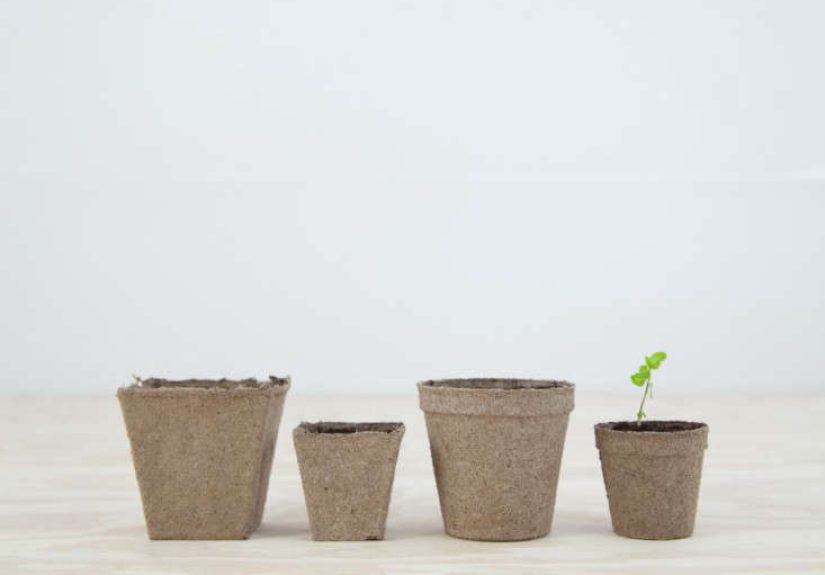
Small square peat pots are compact biodegradable containers usually used for starting seeds indoors. They are often made from peat moss blended with wood fiber or paper-like plant material, pressed into shape so they hold together long enough for germination and early seedling growth. The “square” shape matters more than it first appears: square pots make better use of tray space than round pots, allowing gardeners to fit more seedlings under lights without wasting corners.
Most small options fall in the 2-inch to 3-inch range. That size is practical for home gardeners because it balances three things reasonably well: enough room for roots, manageable moisture, and efficient use of shelf or grow-light space. A 2-inch square pot is common for younger seedlings and small starts, while a 3-inch pot gives more room to crops that resent being moved too often.
The whole sales pitch is simple: start the seed in the pot, grow the transplant, and plant the entire pot into the garden or into a larger container later. Theoretically, that means less transplant shock and less plastic clutter. In practice, it can work nicely, especially for seedlings with sensitive roots, but only if the pot is handled correctly.
Why Gardeners Use Square Peat Pots Small
1. They can reduce root disturbance
The biggest advantage of small peat pots is that the seedling can be transplanted with the container rather than being popped out, squeezed, tapped, or otherwise evicted from its first home. That makes them attractive for crops that dislike having their roots disturbed, such as cucurbits and a handful of fast-growing flowers and herbs.
2. They are space-efficient
Square pots fit snugly into trays. For indoor gardeners working with a sunny windowsill, a wire rack, or a modest grow-light shelf, that matters. You can fit a tidy grid of seedlings with less wasted room, which is exactly the sort of minor victory that feels huge in seed-starting season.
3. They reduce plastic use
Many gardeners like biodegradable containers because they create less long-term plastic storage and less seasonal waste. Instead of washing and storing piles of cell packs, you can focus on the plants instead of maintaining a side hobby in cracked black nursery tray management.
4. They are helpful for direct-to-garden transplanting
For gardeners who want a quick handoff from indoor seed-starting to the garden bed, small square peat pots offer a convenient path. They are especially useful when the transplant window is short and the plant should not linger too long in a starter container.
When Small Square Peat Pots Work Best
Not every plant needs or benefits from a peat pot. In fact, some crops do better in standard trays, and others should be direct-sown outdoors. The sweet spot for small square peat pots is usually seedlings that grow quickly, dislike root disturbance, or benefit from being moved pot-and-all into the soil.
Best candidates
- Cucumbers
- Melons
- Watermelons
- Squash and pumpkins
- Okra
- Dill
- Sweet peas and some flowers with touchy roots
These plants often appreciate a container large enough to hold them until transplanting time without requiring too much extra handling. A small square 2-inch or 3-inch pot can be a good match, depending on how long they will stay indoors.
Plants that usually do fine in other systems
Tomatoes, peppers, lettuce, broccoli, kale, cabbage, onions, and eggplant usually transplant well from trays or plastic cells. They do not always need peat pots to succeed. If you already own reusable trays, those crops may not justify switching systems unless you strongly prefer biodegradable containers.
Plants that are better direct-sown
Beans, corn, and carrots generally do not love the transplant process. If your goal is simplicity, putting them straight into the garden is usually smarter than trying to force an indoor head start and negotiating a dramatic root-related meltdown later.
How Small Should Small Be?
When shoppers search for square peat pots small, they are often looking for a practical size rather than a poetic one. A tiny pot may look charming, but seedlings do not care about charm. They care about moisture, root room, and whether you remembered to water them before leaving for lunch.
2-inch square peat pots
This is a useful size for short indoor growing periods. It works well if you plan to transplant relatively quickly and do not want oversized containers crowding your trays. It is also a logical option for gardeners who start many seedlings at once and need to maximize limited grow-light space.
3-inch peat pots
A 3-inch pot gives noticeably more root room and can be the better choice for cucumbers, squash, or other plants that grow fast and dislike being disturbed. If your seedlings may stay indoors a little longer because of weather, that extra volume can be the difference between “healthy transplant” and “tiny hostage negotiating with the calendar.”
Square versus round
Square pots usually win on efficiency. They pack neatly into trays, stay organized, and make labeling easier. For small-scale indoor seed starting, that geometric tidiness is not just satisfying; it is genuinely useful.
How to Use Small Square Peat Pots Correctly
Start with the right mix
Use a light seed-starting mix, not dense garden soil. Seedlings need a loose medium that holds moisture while still draining well. A heavy mix can slow germination, compact around young roots, and turn your neat little peat pot into a soggy brick.
Pre-moisten the growing medium
Moisten the mix before filling the pots. You want it damp enough to hold shape when squeezed, but not wet enough to drip. This helps seeds make better contact with the medium and reduces dry pockets.
Make sure there is drainage
Good seed-starting containers need drainage, and peat pots are no exception. Even biodegradable containers can fail spectacularly if they sit in stagnant water for too long. Use a tray, but do not let the pots remain permanently waterlogged.
Water carefully
One of the biggest challenges with peat pots is that their porous walls dry out faster than plastic. That can be an advantage if you tend to overwater, but it can also turn into a problem because the pots lose moisture from the sides as well as the surface. Many gardeners find that bottom watering helps keep moisture more even. Let the pots absorb water from a tray, then drain away excess.
Do not leave seedlings in them too long
Small peat pots are starter homes, not forever homes. Once roots fill the container and the seedling is ready, transplant promptly. Waiting too long can lead to stunted growth, drying, and frustration. The pots hold together long enough for seed-starting, but they are not designed for months of occupancy.
Harden off before transplanting
Even the best seedling can struggle if it goes from cozy indoor lighting to full outdoor wind and sun without a transition. Hardening off is the gradual process of exposing seedlings to outdoor conditions over several days. Skip this step, and your plant may respond with the leafy equivalent of a panic attack.
The Most Important Rule: Plant the Pot Fully Below Soil Level
This is where many gardeners get tripped up. When transplanting a seedling in a peat or fiber pot, the rim of the pot should not stick up above the soil line. If it does, the exposed material can act like a wick and pull moisture away from the root zone. That is bad for the seedling and annoying for the gardener, which is a classic lose-lose arrangement.
Before planting, check the pot carefully. If the top edge rises above the soil, tear that exposed portion away. Many experienced gardeners also loosen or remove part of the bottom and sidewall if the pot seems especially tough. This can help roots move outward more easily, especially if the container has not softened much yet.
In other words, biodegradable does not mean magical. It still needs good technique.
Common Problems With Small Square Peat Pots
They dry out fast
This is the most common complaint. Because the sides are porous, the pot loses moisture more quickly than plastic. In a warm indoor setup under lights, that can mean daily monitoring.
They can mold or grow algae
A little mold or algae on biodegradable pots is not unusual, especially in humid conditions. It is usually more cosmetic than catastrophic, but it is still a sign to improve airflow and avoid overwatering.
Not all pots break down at the same speed
Some peat and fiber pots degrade faster than others. If the material seems stubborn, tear or score the pot before planting. Roots need a clear path outward, and your peppery optimism is not always enough.
They are not always the cheapest option
For large-volume seed-starting, reusable trays can be more economical over time. Small square peat pots tend to make the most sense when you want biodegradable convenience or are growing crops that benefit from minimal root disturbance.
Peat Pots vs. Plastic Cells vs. Soil Blocks
Peat pots
Best for sensitive-rooted seedlings, gardeners who want less plastic, and quick transplanting. Watch moisture closely.
Plastic cells
Best for durability, easy moisture control, and repeated use. Great for many vegetables that transplant easily.
Soil blocks
Best for gardeners who enjoy a low-plastic method and do not mind a little extra setup. Soil blocks can reduce root binding and transplant shock, but they require the right mix and technique.
If you grow a wide range of crops, the smartest approach may be using more than one system. Small square peat pots are excellent for certain seedlings, while trays or soil blocks may be better for everything else.
Buying Tips for Square Peat Pots Small
- Choose the size based on crop speed and root sensitivity.
- Look for sturdy but not overly rigid walls.
- Buy enough trays to support bottom watering.
- Use labels immediately because all seedlings look confident and mysterious in week one.
- Do not assume every biodegradable pot performs the same way.
If you are starting fast-growing cucurbits, a small square 3-inch pot is often the safer bet. If you are short on space and transplant quickly, 2-inch square pots can work beautifully.
Experience: What Using Small Square Peat Pots Actually Feels Like
The first time you use small square peat pots, they can seem almost too simple. Fill the pots, sow the seeds, mist the top, set them under lights, and suddenly you feel like the sort of person who owns color-coded twine and says things like “my seedlings are coming along nicely.” Then the real relationship begins.
At first, the square shape is a delight. The pots line up neatly in trays, everything looks organized, and the whole setup feels more efficient than the usual mix of round pots and random containers. You can fit plenty into a small shelf, which is a big deal when indoor space is limited. The seedlings emerge, and for a few glorious days you believe you have unlocked the secret to civilized gardening.
Then you notice how fast the pots dry. Plastic trays forgive forgetfulness. Small peat pots do not. One warm day under grow lights and the sides can go from damp to crispy with surprising speed. That is usually the moment gardeners learn to bottom water properly. Instead of splashing from above like an anxious rain cloud, you set the tray in water, let the mix absorb moisture, and remove the excess. Once you get the rhythm right, the system feels less fussy and more predictable.
The best part comes with seedlings that hate being bothered. Cucumbers, squash, melons, and a few flowers seem much happier when they do not have to be tugged out of a plastic cell. You can move the whole pot into the garden with far less root handling, which feels gentler and more efficient. There is something satisfying about transplanting without performing tiny root surgery on the patio table.
Still, the learning curve is real. If you leave the rim of the pot sticking above the soil, the container can wick moisture away and make the transplant struggle. If you wait too long to plant, the roots may press against the walls and stall. If the pot seems slow to soften, tearing the bottom and a bit of the side can make a real difference. These are not dramatic mistakes, but they are the sort that separate “pretty good results” from “why are these seedlings acting betrayed?”
Over time, many gardeners settle into a mixed approach. They use small square peat pots for plants that resent root disturbance and reusable trays for tougher crops like tomatoes or lettuce. That ends up being the most realistic takeaway. Small peat pots are not a miracle tool, and they are not useless either. They are a specialized piece of equipment that works very well when matched with the right crop, the right timing, and a gardener willing to keep an eye on moisture.
And honestly, that is part of the charm. Gardening is rarely about finding one perfect product. It is more about learning which tool solves which problem. Small square peat pots solve a specific problem neatly: how to start certain seedlings in a compact, biodegradable container without turning transplant day into a root-level catastrophe. When used well, they make the whole process feel smoother, tidier, and a little more hopeful.
Conclusion
Square peat pots small are a smart seed-starting option when you need compact, biodegradable containers for seedlings that dislike root disturbance. Their square footprint makes efficient use of tray space, and their plant-it-all approach can reduce transplant shock when used correctly. The key is understanding that they are not maintenance-free. They dry faster than plastic, they need careful watering, and they should always be planted fully below soil level.
For cucumbers, melons, squash, okra, dill, sweet peas, and other touchy-rooted seedlings, they can be genuinely helpful. For easygoing crops like tomatoes and peppers, they are optional rather than essential. Used with a good seed-starting mix, proper hardening off, and timely transplanting, small square peat pots can be one of the most practical tools in an indoor seed-starting setup. Just remember: biodegradable does not mean carefree. It means useful, with opinions.