Table of Contents >> Show >> Hide
- The Look, in Plain English
- Start Like a Preservation Nerd (Compliment)
- Color & Surfaces: The Calm Backdrop That Makes the Brass Pop
- Fixtures That Feel Period-Friendly (Without Being Precious)
- Lighting & Accessories: Where the Brooklyn Personality Sneaks In
- The Unsexy Stuff That Makes the Pretty Stuff Last
- “Steal This Look” Shopping Strategy: Where to Splurge, Where to Save
- A Practical Cheat Sheet: From Dream to Done
- Conclusion: Make It Feel Like It Belongs
- Field Notes: Real Renovation Experiences (So You Don’t Learn the Hard Way)
Brooklyn has a special talent: it can make a room feel like it’s been there forever and like it just got a glow-up
from a very tasteful time traveler. Nowhere is this magic harder (or more satisfying) to pull off than in the bathroom
the one room in the house where “character” has to coexist with “please don’t leak into my downstairs neighbor’s ceiling.”
This article is your friendly blueprint for recreating a classic Brooklyn historic-bath vibe: softly muted walls, warm brass,
a pedestal sink that looks like it could tell stories, and those timeless surfacessubway tile and hex mosaicthat read
“1920s-ish” even when installed yesterday. We’ll borrow inspiration from a well-loved Park Slope-era look, then translate it
into practical choices you can actually execute in an old home (brownstone, co-op, prewar, or “my walls are basically
historical documents”).
The Look, in Plain English
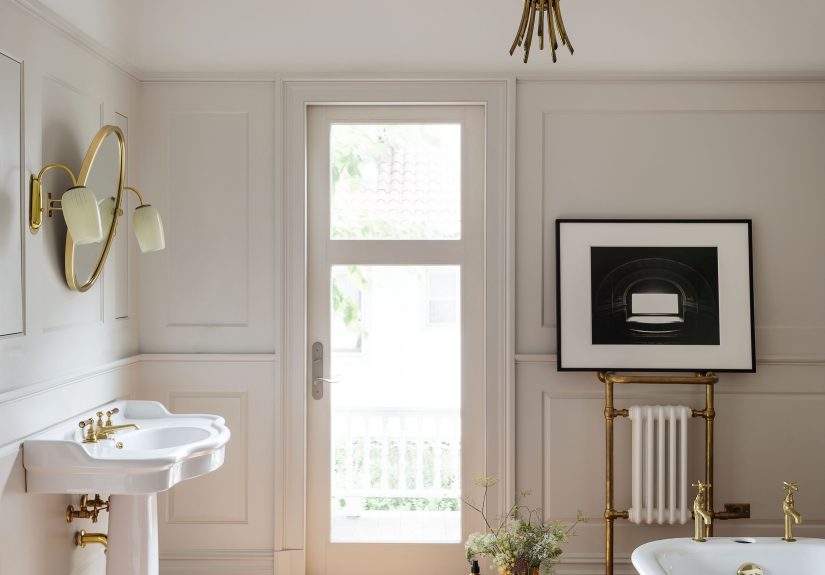
Think: quiet, creamy whites + soft stone-gray paint + burnished brass + porcelain + a few vintage-feeling accents.
The goal isn’t a museum set. It’s a bathroom that feels like it belongs in a Brooklyn historic buildingpolished, calm,
and just quirky enough to pass as original.
The “signature moves” that sell the illusion
- Soft neutral wall color (stone/putty/gray) that makes fixtures look intentional, not “builder beige.”
- Classic white tile (subway or simple field tile) paired with small-format floor tile (hex or penny).
- Porcelain pedestal sink (or console) with a deck-mounted brass faucet.
- Clawfoot tub or a tub that nods vintage, plus a tub filler that feels “old-world,” not “airport bathroom.”
- Warm metal accents (mirror, lighting, towel bars) that matchmostly.
- One unexpected “Brooklyn” accessory: a wood bath mat, a vintage rug, or an antique-ish towel warmer.
Start Like a Preservation Nerd (Compliment)
Historic bathrooms are a balancing act: preserve what’s special, upgrade what’s unsafe, and don’t fight the building.
Preservation guidance for historic interiors basically boils down to: identify what defines the character, protect it during
construction, and avoid “radical changes” that erase the story of the space. That doesn’t mean you can’t renovateit means
you renovate with eyes open.
1) Do an “honest inventory” before you demo
In older Brooklyn homes, the most valuable bathroom features are often the least flashy: original door trim, old
five-panel doors, chunky baseboards, vintage heat registers, or a little transom window that’s been quietly flexing since
Theodore Roosevelt was a new idea.
Even if your tile is too far gone to keep, take photos and measurements. Patterns, grout width, and trim profiles can help
you recreate the spirit laterwithout recreating the mold.
2) Keep plumbing where it is whenever possible
In a Brooklyn brownstone, moving a toilet or tub can spiral from “simple refresh” to “why is there a pipe in my soul?”
Keeping fixtures roughly where they already live often saves money, time, and neighborly diplomacy.
3) Assume nothing is square. Because it isn’t.
If your walls are slightly bowed, your floors slope like they’ve been gently melting for a century, or your corners measure
89 degrees on a good day, congratulations: you own a historic building. Plan tile layouts and trim details that can
tolerate real life.
Color & Surfaces: The Calm Backdrop That Makes the Brass Pop
Historic-style bathrooms look “right” when the background is quiet and the details do the talking. A soft stone-gray paint
is a classic choice for this style (one inspiration uses a pale gray known for reading warm and architectural rather than icy).
Walls: Choose a gray that behaves
In bathrooms, light bounces off tile, mirrors, and water, so paint can shift fast. “True” grays can turn blue. Creamy whites
can turn yellow. Aim for a neutral with a subtle warm undertonethink limestone, putty, or plaster.
- Pro move: test paint next to the tile you’ll use, not in isolation.
- Historic vibe tip: matte walls + semi-gloss trim feels old-house correct and hides wavy walls better.
Tile: Subway + hex is the Brooklyn handshake
White subway tile is practically a Brooklyn accent. Pair it with a small-format floor (hex or penny) and you get that
“prewar, but make it clean” feeling instantly. If you want extra authenticity, keep the field tile simple and let the floor
carry the pattern.
And here’s a delightfully local footnote: early American tile production included companies in and around the New York
areayes, including Brooklynso you’re not just copying a look; you’re continuing a regional tradition.
Grout: The unglamorous star of the show
A historic bathroom look can be ruined by the wrong grout color faster than you can say “why is it bright white?” Choose a
grout that’s a shade or two warmer than your tilelight gray, warm gray, or “bone”so the surface reads calm, not graph-paper.
If you’re restoring existing tile, grout work matters. Re-grouting and sealing (done correctly) can revive old surfaces and
prevent water from getting where it shouldn’t. If your grout is crumbling, stained beyond hope, or missing, treat it like a
functional issue, not just a cosmetic one.
Fixtures That Feel Period-Friendly (Without Being Precious)
The secret to “historic” is not buying the fanciest vintage thing in the universe. It’s choosing shapes and proportions that
feel timelessand pairing them with modern reliability.
The sink: Pedestal or console, always crisp
A porcelain pedestal sink is basically the little black dress of bathroom design: it works in small spaces, it looks
architectural, and it doesn’t hog floor area the way a vanity does. For the Brooklyn look, aim for classic curves, not
ultra-modern rectangles.
- Design cue: visible plumbing can be charminguse clean lines and matching finishes.
- Reality cue: you’ll need storage elsewhere (medicine cabinet, shelves, or a slim freestanding cabinet).
The faucet: Warm brass, not shiny “new penny”
A deck-mounted brass faucet with traditional lines instantly reads historic. Go for a finish described as “burnished,”
“aged,” or “living” if you want the patina to feel believable. (Bonus: it hides water spots better than super-polished chrome.)
The tub: Clawfoot, yesif your building can handle it
A clawfoot tub is the poster child of vintage bathrooms, and it’s a perfect match for a Brooklyn historic renovation look.
But it’s also heavy, especially filled with water, and older buildings can have quirky framing. Talk to your contractor (and
if needed, an engineer) before committing.
Already have an old tub? Refinishing can be a cost-effective way to keep the vintage vibe. It’s often far less expensive than
replacement, and it preserves the “it’s always been here” feeling.
Shower details that won’t scream “2026 showroom”
If your bathroom needs a shower setup, keep the lines classic: a simple shower arm, a traditional-style handle/trim, and a
shower curtain (yes, really) can look more authentic than a frameless glass boxespecially in a compact bath.
Lighting & Accessories: Where the Brooklyn Personality Sneaks In
Historic bathrooms don’t rely on one dramatic chandelier. They win with restrained, well-placed lighting and a few details
that feel collected, not curated by an algorithm.
Lighting: A canopy sconce is a cheat code
A canopy-style sconce in brass gives you that tailored “old-meets-new” look. Place a sconce beside a mirror (or two flanking
it) for flattering light that feels architectural.
Mirror: Pivot hardware makes it feel vintage
A round pivot mirror (especially with aged brass hardware) is one of those small details that whispers “historic” without
requiring you to source an actual antique mirror from someone’s great-aunt’s attic.
Accessories that make the room feel lived-in
- Towel warmer: practical in winter and instantly “fancy old building” energy.
- Wood bath mat: warm, spa-like, and a great counterpoint to all the porcelain and tile.
- Vintage rug: yes, in a bathroomjust choose one that can handle it and keep ventilation strong.
The Unsexy Stuff That Makes the Pretty Stuff Last
In a historic bathroom renovation, durability is the main character. If you get the bones right, the design will look better
for longerand you’ll spend less time in your bathtub Googling “why does my grout look haunted.”
Ventilation: Your bathroom needs to breathe
Old Brooklyn homes weren’t built with modern moisture loads in mind (multiple daily showers, steam, hair dryers, the full
production). A properly sized exhaust fan helps prevent mold, peeling paint, and that mysterious “basement smell” that
appears out of nowhere.
- Rule of thumb: about 1 CFM per square foot of bathroom area, with 50 CFM as a common minimum for small baths.
- Best practice: vent to the outdoors (not to an attic, wall cavity, or “the vibes”).
- Small but mighty: leave enough under-door clearance for makeup air so the fan can actually do its job.
Waterproofing: Old houses deserve modern membranes
Historic style should not mean historic waterproofing. Tile and grout are not inherently waterproof; they’re a wear surface.
Behind them, you need a proper systemespecially in showers and around tubs.
Lead paint: Assume it’s there until proven otherwise
Many Brooklyn homes predate 1978, which matters because older paint may contain lead. Renovation workespecially sanding,
scraping, or disturbing trimcan create hazardous dust. In the U.S., there are specific lead-safe requirements for many
professional renovation projects in pre-1978 housing. Even if you’re DIY-ing, it’s smart to follow lead-safe practices and
keep dust contained.
Historic tile: Preserve when you can, replace when you must
If you have a historic tile floor that’s mostly intact, preservation guidance tends to favor maintenance first and selective
replacement when neededrather than ripping everything out. That can mean careful cleaning, repairing small failures, and
replacing only damaged sections with close matches.
But if the substrate has failed, tiles are popping everywhere, or water damage is widespread, replacement may be the safest
move. The “historic” win is choosing materials and patterns that honor what was there, not pretending water damage is
“patina.”
Permits & approvals: Brooklyn logistics are part of the design
Depending on where you live in Brooklyn and what kind of building you’re in, you may need permits, building approvals, or
(in some cases) landmarks-related reviewespecially for work that triggers Department of Buildings permits or affects certain
regulated elements. In co-ops and condos, you may also have board approval, insurance requirements, and strict work hours.
“Steal This Look” Shopping Strategy: Where to Splurge, Where to Save
A historic bathroom renovation doesn’t require a five-figure faucet. It requires thoughtful priorities.
Splurge (if you can)
- Faucet + shower trim: you touch these every day; good hardware feels better and lasts longer.
- Lighting: a single statement sconce can elevate the entire room.
- Tile installation: small-format tile looks simple but punishes sloppy layout.
Save (smartly)
- Subway tile: classic white field tile is widely available at many price points.
- Paint: color selection matters more than brand. Buy quality, but don’t chase a logo.
- Accessories: vintage rugs, trays, and hardware can come from local shops, salvage, or online marketplaces.
Weekend upgrades that make a real difference
- Swap a builder mirror for a pivot-style mirror.
- Replace mismatched hardware so the metals coordinate.
- Add a wood bath mat and a small vintage runner (with good ventilation).
- Upgrade lighting temperature (warm-white bulbs usually flatter stone grays and brass).
A Practical Cheat Sheet: From Dream to Done
- Document the room: photos, measurements, what you’ll keep, what must go.
- Set priorities: “historic vibe” choices + “must be watertight” choices.
- Confirm constraints: plumbing locations, structural realities, building rules.
- Select surfaces: wall color, tile field, floor tile, grout tone.
- Choose fixtures: sink style, faucet finish, tub plan (new, refinished, or replacement).
- Plan lighting: placement first, fixture second. (Wire locations are everything.)
- Lock ventilation: size the fan correctly and vent it outdoors.
- Build the waterproof system: membranes, proper transitions, careful detailing.
- Install tile with intention: thoughtful layout, clean cuts, consistent grout lines.
- Finish like a stylist: mirror, towel warmer (optional), bath mat, rug, and a couple of lived-in details.
Conclusion: Make It Feel Like It Belongs
A historic bathroom renovation in Brooklyn isn’t about copying a single photo. It’s about capturing a mood: a room that feels
calm, classic, and quietly confidentlike it’s always been there, just waiting for you to notice how good it looks.
Keep the palette restrained. Let brass and porcelain do the talking. Use tile patterns that have earned their place in
prewar design history. And above all: build it like you live in a real building with real water, real steam, and very real
neighbors below you.
Field Notes: Real Renovation Experiences (So You Don’t Learn the Hard Way)
People who renovate older Brooklyn bathrooms tend to agree on one thing: the design part is fun, but the building has its
own opinions. The most common “I wish someone told me” lesson is that historic homes hide surprises in the most
inconvenient placesusually behind tile and under floors. Homeowners often start with a simple plan (“new tile, new sink,
done by spring”) and quickly discover that the old plumbing has been doing heroic work for decades. Corroded shutoff valves,
undersized drains, and mystery pipe routes can turn a weekend project into a multi-week saga. The good news is that once
the infrastructure is updated, the bathroom behaves better and the historic look feels even more intentional.
Another universal experience: nothing is level. Tile makes this painfully obvious. People who get the best results often
spend extra time on prepflattening walls, correcting substrate issues, and planning layouts that hide imperfections.
That prep isn’t glamorous, but it’s what keeps subway tile from looking like it’s slowly sliding downhill. A common pro tip
is to treat your first tile row like a sacred ritual: use a level line, double-check it, then check it again, because every
row above it will follow its lead like obedient little ceramic soldiers.
Materials also teach lessons. For example, the “perfect” grout color can look wildly different once it dries, especially in a
room with changing daylight and warm bulbs at night. Homeowners who avoid regret usually test grout samples on spare tile
and view them in the bathroom lighting. Ventilation is another repeat lesson. Folks who skipped a proper fan (or vented it
to nowhere in particular) often end up with peeling paint, foggy mirrors that never clear, or mildew that returns like an
unwanted sequel. The people who love their bathrooms five years later are the ones who sized the fan correctly, vented it
outdoors, and made sure air can actually enter the room so the fan can move it out.
Storage is where the “historic” look collides with modern life. Pedestal sinks are beautiful, but they don’t hold your
skincare collection, hair tools, or the 47 tiny bottles you swear you’ll finish someday. Renovators who stay happy with a
pedestal sink usually plan a second storage zone: a recessed medicine cabinet, a slim linen tower, or shelves that look
built-in rather than bolted on as an afterthought. And yes, the vintage rug in the bathroom is doablepeople do it all the
timebut the ones who succeed choose washable options, keep rugs away from direct splash zones, and make sure the room
dries quickly. The rug is the personality; the ventilation is the insurance policy.
Finally: if you live in a multi-unit building, the real experience is scheduling. Many Brooklyn renovators say the
difference between “smooth project” and “chaos project” is planning deliveries and labor around building rulesservice
elevator hours, debris hauling, approved contractors, and neighbor notifications. It’s not sexy, but it’s the reality of
renovating in a city. The best mindset is to treat logistics like part of the design: when the timeline is realistic and the
work is properly approved, you get to enjoy the fun partstepping into a bathroom that feels historic, looks polished, and
functions like it was made for modern life.