Table of Contents >> Show >> Hide
- What Is the Limpid Jar, Exactly?
- Why This Jar Still Feels Relevant
- Where the Merchant No. 4 Limpid Jar Works Best
- Design Strengths That Make It Stand Out
- Honest Trade-Offs Before You Fall in Love
- How to Style the Limpid Jar Without Making It Look Over-Managed
- Who Should Buy It?
- Experience: Living With a Jar Like This Every Day
Some storage containers are born to hide in a cabinet behind a half-used bag of lentils and a suspicious number of soy sauce packets. The Limpid Jar from Merchant No. 4 is not one of them. This is the kind of storage piece that wants to be seen. It is practical, yes, but it also has that rare gift shared by the best home goods: it can make your kitchen look more organized even before you have fully earned the right to call it organized.
Sold through Merchant No. 4 and associated with Chabatree, the Limpid Jar was introduced as a refined spin on the classic canning jar. That description still fits beautifully. It takes the familiar honesty of old-school pantry storage and gives it a quieter, more design-forward personality. Think less “grandma’s basement preserves,” more “someone in this house owns good olive oil and a label maker but is trying not to brag about it.”
For anyone interested in pantry organization, countertop styling, or simply finding a glass storage jar that does not scream for attention, the Merchant No. 4 Limpid Jar deserves a closer look. Its appeal is not only in what it stores, but in how it changes the visual rhythm of a room. In a world of bulky plastic bins and hyper-engineered canisters, this jar feels calm, clean, and unusually grown-up.
What Is the Limpid Jar, Exactly?
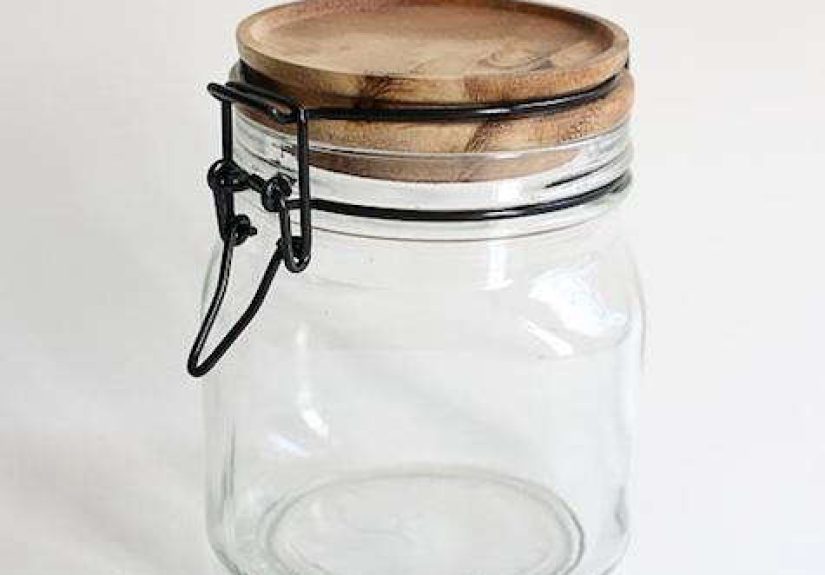
The Limpid Jar is best understood as a minimalist glass storage container with a natural wood lid. Period product descriptions highlighted mouth-blown glass, a removable rubber sealing ring, and a warm wood top that softened the look of traditional food storage. The result is a container that feels handcrafted without becoming rustic cosplay. It nods to the past, but it does not get stuck there.
That balance matters. Plenty of kitchen storage jars either lean too industrial or too precious. The Limpid Jar lands in a more useful middle ground. Its profile is simple, its materials are familiar, and its details do the heavy lifting. The glass body keeps contents visible. The wooden lid adds warmth. The rubber ring suggests a practical concern for freshness without turning the whole object into a science project.
The name “limpid” also helps tell the story. Limpid means clear, transparent, easy to see through. That is not just a poetic flourish. It is the product’s whole organizing philosophy in one word. You can see what is inside. You can identify quantity at a glance. You do not need to open five mystery containers to find the sugar. That kind of visual clarity is not glamorous, but in everyday life it feels a little magical.
Why This Jar Still Feels Relevant
Clear storage is not a trend by accident
Home editors, professional organizers, and pantry makeover enthusiasts keep returning to clear containers for one simple reason: they work. Seeing what you own helps reduce duplicate purchases, makes ingredients easier to find, and turns loose bags of dry goods into a system that feels intentional. The Limpid Jar fits that logic perfectly. It supports visibility without looking cold or clinical.
That is one reason the jar still feels relevant years after its early design features. It solves an everyday problem with materials people continue to trust. Glass remains popular because it is durable, easy to clean, resistant to odor retention, and more visually appealing than cloudy plastic that has survived one too many tomato sauce incidents.
The wood lid adds soul
If the glass is the practical half of the design, the wood lid is the emotional half. A clear canister without warmth can look sterile fast. Add a natural wood top and suddenly the container belongs not just in a pantry, but on open shelving, on a coffee station, or beside the stove. It can hold ingredients and contribute to the room at the same time.
That warmth is important for kitchens and baths, two spaces where hard surfaces dominate. Tile, stone, metal, and glass can create a beautiful room, but they can also feel sharp or overly polished. The Limpid Jar softens that landscape. It is a small design move, yet it has a large visual effect.
It respects the modern love of sustainability without preaching
Merchant No. 4 built a reputation around artisan-made, environmentally conscious goods, and the Chabatree connection reinforced the use of natural materials and a less disposable mindset. That does not mean the Limpid Jar is a moral lecture in canister form. It simply belongs to a category of objects that encourage longer use, better care, and more intentional buying.
In practical terms, that means you are not buying a throwaway organizer that will crack, discolor, or become visually offensive by next spring. You are buying one good container that can move from pantry to bathroom to office without ever looking like a backup plan.
Where the Merchant No. 4 Limpid Jar Works Best
In the kitchen
This is the most obvious setting, and for good reason. The Limpid Jar is especially well suited to ingredients you reach for often and want to keep visible: sugar, rice, coffee beans, loose tea, nuts, granola, dried fruit, lentils, or pasta in smaller formats. On an open shelf, it creates that elusive “I have my life together” effect without requiring a full pantry renovation.
It also shines on the countertop. Many jars are either too commercial-looking or too decorative to justify prime space. The Limpid Jar threads the needle. It looks appropriate next to a kettle, a cutting board, or a ceramic utensil crock. It can be part of the kitchen, not just hidden storage for it.
In the bathroom
Design sites have long pointed out that elegant storage jars do not need to stop at food. The Limpid Jar makes excellent bathroom storage for cotton rounds, bath salts, soaps, hair ties, or even individually wrapped items that usually live in a drawer of chaos. Because the container is clear, it keeps supplies easy to track. Because the lid is wood, it avoids the apothecary-lab look that some glass containers create.
There is also something quietly luxurious about everyday bathroom items being stored beautifully. It does not make your routine faster, exactly, but it does make the room feel more deliberate. And sometimes that is enough.
In the office or studio
Paper clips, rubber bands, washi tape, pushpins, small tools, brushes, or tiny hardware all benefit from clear storage. The Limpid Jar makes visual order feel less corporate. It is especially useful in creative spaces where functionality matters but the room also needs to feel inviting. A standard desk organizer says “administration.” A well-chosen glass jar says “creative person who has, against all odds, found the scissors again.”
Design Strengths That Make It Stand Out
It is simple without being boring
Minimalism can go terribly wrong when it forgets texture. The Limpid Jar avoids that trap. The glass offers clarity and lightness; the wood brings grain, warmth, and contrast. Those material differences create enough interest to keep the object from disappearing into generic kitchenware.
It looks better as it is used
Some containers only look good when they are empty and freshly arranged for a photo. The Limpid Jar actually benefits from being filled. Coffee beans become part of the palette. Rolled oats add a soft neutral tone. Colorful lentils, herbal tea, or bath salts turn the jar into functional decor. The object is complete on its own, but it becomes more charming when it starts doing its job.
It bridges classic and modern design
Traditional kitchens can use it because it references older canning jars. Modern kitchens can use it because the lines are clean and restrained. Farmhouse, Scandinavian, transitional, even slightly industrial spaces can all make room for it. This kind of flexibility is harder to find than it sounds. Many storage pieces are stylish only inside one narrow aesthetic lane. The Limpid Jar travels well.
Honest Trade-Offs Before You Fall in Love
No storage piece is perfect, and the Limpid Jar should not be treated like the messiah of pantry canisters. If your goal is maximum space efficiency, square or rectangular containers often outperform round jars. Corners matter in tight cabinets. A beautifully shaped glass jar may waste a little space compared with a stackable modular system.
There is also the matter of maintenance. Wood lids require gentler care than fully synthetic tops, and product guidance historically recommended hand washing. That is not a deal-breaker, but it is worth knowing. If you want something you can aggressively fling into the dishwasher with no emotional consequences, this is probably not your soulmate.
Glass, of course, is heavier than plastic and less forgiving when dropped. That is part of its charm and part of its risk. The Limpid Jar feels substantial, not flimsy. But if you have a kitchen full of flying elbows, toddlers, or one very ambitious cat, placement matters.
Finally, this jar is best for thoughtful storage, not bulk-hoarding theater. It is wonderful for frequently used ingredients and small household items. It is less ideal if you are trying to warehouse an apocalyptic volume of cereal.
How to Style the Limpid Jar Without Making It Look Over-Managed
The secret is restraint. One or two jars on a countertop look curated. Twelve identical jars lined up like a tiny transparent army can tip into performance art. The Limpid Jar is most effective when it is allowed to breathe visually.
Start with ingredients or objects that are naturally attractive: coffee beans, tea sachets, raw sugar, pistachios, dried citrus slices, cotton rounds, bath salts, or wooden clothespins in a laundry nook. Group the jar with contrasting materials such as ceramic bowls, a linen towel, or a wood cutting board. That kind of material layering makes the space feel lived-in, not staged for an algorithm.
Labels are optional. If the contents are obvious, skip them. The whole point of clear glass is visual recognition. If you do label, keep it quiet. A clean adhesive label or subtle tag works better than anything that looks like it escaped from a craft supply explosion.
And please, for the love of your future self, do not decant everything. A stylish jar should reduce chaos, not create a part-time job. Use it where it adds convenience and beauty. Let the boxed crackers keep their own packaging drama.
Who Should Buy It?
The Merchant No. 4 Limpid Jar makes the most sense for people who care about both storage and atmosphere. If you want your home goods to do their jobs quietly while still contributing to the room, it is a smart choice. It is especially appealing for people building a kitchen or bath that leans natural, calm, and collected rather than slick and ultra-technical.
It is also a good fit for anyone tired of disposable organization. One well-made jar that works in several rooms is often more satisfying than a giant set of containers that all look tired within a year. The Limpid Jar is the sort of object that rewards slow decorating. You buy it because you like it. You keep it because it stays useful.
On the other hand, shoppers focused purely on budget, maximal stackability, or full-set uniformity may prefer a more modular solution. That is fine. Not every storage decision needs romance. But if you want a container with practicality and presence, this one earns its place.
Experience: Living With a Jar Like This Every Day
Here is the thing people do not always say about beautiful storage: it changes behavior. Not in a dramatic, life-coach, sunrise-journaling sort of way. More in a quiet, everyday way. When you live with a jar like the Limpid Jar from Merchant No. 4, you start noticing how often you reach for the same ingredients, how much easier it is to keep track of staples when they are visible, and how satisfying it feels when an object is both useful and pleasant to look at.
Imagine starting the morning and seeing coffee beans in a clear glass jar with a warm wooden lid instead of a crumpled bag folded over with a chip clip that has somehow migrated from another room. It is still coffee, obviously. The caffeine molecules are not more elegant. But the ritual feels more composed. You scoop what you need, close the lid, and the counter still looks calm. There is no wrestling match with packaging, no avalanche of beans from a torn corner, no tiny sense that the day has already become untidy before breakfast.
The same thing happens in the pantry. Oats look like oats. Rice looks like rice. You can tell instantly whether you have enough lentils for dinner or whether your granola situation is more fantasy than fact. Clear storage reduces friction. It removes those low-level annoyances that pile up over time: opening the wrong container, forgetting what you have, buying duplicates, or discovering that a bag in the back of the shelf contains either couscous or a science experiment.
There is also an emotional side to it. A jar like this makes ordinary ingredients feel worth keeping nicely. That may sound silly until you realize how often home organization fails because it treats practical things like visual clutter instead of part of the home itself. Flour, tea, cotton balls, bath salts, paper clips, dog treatsthese are not design mistakes. They are daily-life objects. The Limpid Jar gives them a better stage.
In a bathroom, the experience shifts slightly. The jar becomes less about cooking rhythm and more about calm. Cotton rounds stacked neatly behind glass, a small collection of soaps, or a bath soak blend sitting on a shelf feels cleaner and more intentional than torn packaging and miscellaneous containers. It can make a guest bathroom feel considered. It can make your own bathroom feel less like a utility stop and more like a room someone actually thought about.
What stands out most over time is that the jar does not become annoying. Some stylish home goods are exciting for two weeks and then reveal themselves to be high-maintenance little divas. This type of jar tends to do the opposite. It settles in. It becomes part of your routines. You refill it, move it, repurpose it, and keep finding reasons not to get rid of it. One month it holds tea. Six months later it holds almonds. After a kitchen reshuffle, it ends up in the bathroom with bath salts and looks like that was always the plan.
That is probably the best argument for the Limpid Jar from Merchant No. 4. It is not just attractive on arrival. It ages well in real life. And in the grand tradition of objects that quietly improve a home, that may be the most impressive trick of all.