Table of Contents >> Show >> Hide
- What Is Artecnica TranSglass?
- Why the Greenhouse in Brooklyn Setting Matters
- The Design: Bottle DNA, Tabletop Elegance
- Why TranSglass Works as Tabletop Decor
- Sustainability Without the Sermon
- Artecnica’s Design with Conscience Angle
- Museum Credibility: From Bottle to MoMA
- How to Style Artecnica TranSglass at Home
- Buying and Collecting Tips
- Why This Tabletop Idea Still Feels Fresh
- Care Tips for Recycled Glass Tableware
- The Bigger Lesson: Design Can Make Reuse Desirable
- of Experience: Living With the TranSglass Mood
- Conclusion
Some tabletop pieces whisper. Artecnica TranSglass, on the other hand, leans across the dinner table and says, “Yes, I used to be a wine bottle, and frankly, I’ve had quite the glow-up.” The collection, once spotted at Greenhouse Eco-Friendly Living in Brooklyn, is one of those rare design stories where sustainability, craftsmanship, and good old-fashioned table envy meet without bumping elbows.
The original appeal is easy to understand: recycled glassware that does not look like a craft-night apology. TranSglass, designed by Tord Boontje and Emma Woffenden, transforms discarded wine and beer bottles into refined carafes, tumblers, candle holders, and vases. At Greenhouse in Brooklyn, the pieces fit naturally into a shop built around eco-conscious living, thoughtful home goods, and the idea that “green” design should still have taste, texture, and a bit of theatrical sparkle.
This article explores why Artecnica TranSglass remains a memorable tabletop design, how it works in a Brooklyn-style interior, what makes the collection environmentally interesting, and how to style it without making your dining table look like it is auditioning for a recycling PSA.
What Is Artecnica TranSglass?
Artecnica TranSglass is a recycled glass tabletop collection designed by Dutch designer Tord Boontje and British glass artist Emma Woffenden. The project began in 1997, first produced in the designers’ London studio, and later became part of Artecnica’s Design with Conscience program. That program paired international designers with artisan communities, emphasizing responsible production, recycled materials, and handmade work with real economic value.
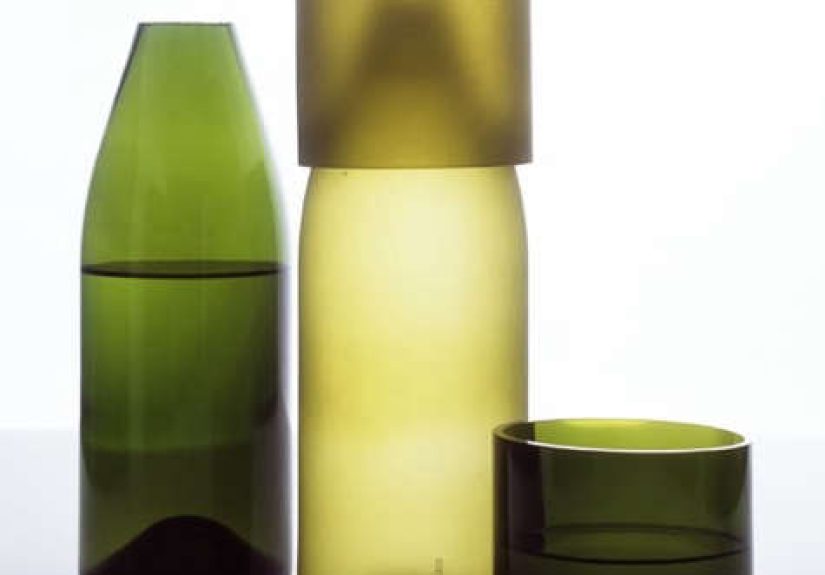
In practical terms, TranSglass takes post-consumer bottles and gives them a second career. The silhouettes still hint at their original bottle forms: necks become spouts, shoulders become curves, bases become tumblers, and cut edges become polished design details. The collection includes lidded carafes, small tumblers, vases, candle holders, and sculptural vessels. Each piece feels familiar and strange at the same time, like seeing someone from high school at a black-tie gala and realizing they are now astonishingly chic.
Why the Greenhouse in Brooklyn Setting Matters
Greenhouse Eco-Friendly Living was a Brooklyn shop associated with sustainable furniture, organic linens, non-toxic ceramics, and design-forward home accessories. Located on Atlantic Avenue between Boerum Hill and Brooklyn Heights, Greenhouse represented a particular late-2000s Brooklyn design mood: local, ethical, edited, and allergic to ugly compromise.
TranSglass made sense there because it did not separate sustainability from beauty. Many early eco-products carried an unfortunate “good intentions, questionable aesthetics” energy. TranSglass did the opposite. It offered an elegant tabletop object first, then revealed the environmental story as a delightful bonus. That is powerful retail magic. People might come in looking for a vase, then leave with a small lecture on recycled glass, except the lecture is shaped like a graceful carafe and does not ruin brunch.
The Design: Bottle DNA, Tabletop Elegance
Shapes That Remember Their Past
The best part of TranSglass is that it never tries to erase its origins. A tumbler may still carry the weight and curve of a bottle base. A carafe may use the bottle neck as an elegant pourer. A vase may preserve the shoulder line of a wine bottle, then cut it at an unexpected angle. The result is not disguise; it is transformation.
This is what separates good upcycled design from ordinary reuse. Anyone can put a flower in an empty bottle. TranSglass asks what happens when the bottle is cut, polished, etched, balanced, and reintroduced as a finished object. Suddenly, the table is not decorated with leftovers. It is decorated with evidence that materials can have plot twists.
Finishes: Satin, Polished, and Quietly Dramatic
The original Greenhouse selection included pieces in satin and polished finishes, with colors such as green, clear, and brown. The polished finish feels clean and bright, perfect for catching candlelight or sunlight near a kitchen window. The satin finish has a softer mood, almost sea-glass-like, as though the bottle took a vacation, read poetry, and returned emotionally available.
Color matters here. Green glass brings a natural, botanical note to the table. Clear glass works in minimalist interiors and lets the shape do the talking. Brown glass is warmer and earthier, especially handsome beside wood, linen, stoneware, and brass flatware. Together, these tones create a palette that feels relaxed, urban, and quietly sophisticated.
Why TranSglass Works as Tabletop Decor
Great tabletop design has to do more than sit there looking expensive. It has to earn its space. TranSglass does this through versatility. A lidded carafe can serve water, iced tea, or a batch cocktail. Small tumblers can hold drinks, nuts, olives, tea lights, or a single dramatic flower. Vases can anchor a dining table without blocking conversation, which is important unless your centerpiece strategy is “mystery guest behind hydrangeas.”
Because the pieces are handmade from recycled bottles, they also bring slight variations. That individuality matters. In a world of identical glassware marching across shelves like tiny transparent soldiers, TranSglass gives the table a human touch. The shapes are controlled but not sterile. They look designed, not manufactured into submission.
Sustainability Without the Sermon
Glass has one major advantage in sustainable design: it can be recycled repeatedly without losing quality or purity. That makes it a natural candidate for circular thinking. Still, recycling systems are not perfect, and plenty of glass ends up underused or discarded. TranSglass addresses this problem in a more direct and poetic way by turning existing bottles into desirable household objects.
This is not just recycling; it is value elevation. A bottle that might have been crushed, melted, or thrown away becomes a carafe worthy of a carefully set table. The environmental benefit is not only material reuse but also emotional durability. People keep objects they love. A beautiful recycled glass vase has a better chance of staying in a home for years than a generic cup bought in a panic before a party.
Artecnica’s Design with Conscience Angle
Artecnica’s Design with Conscience program is central to the TranSglass story. The initiative was built around humanitarian and environmentally sensitive production, often involving artisan communities and recycled or low-impact materials. TranSglass production involved Guatemalan craftspeople using glass-cutting and finishing skills to turn discarded bottles into refined tableware.
That matters because sustainable design is not only about what an object is made from. It is also about who makes it, how skills are valued, and whether production supports meaningful work. TranSglass is compelling because it combines a clear environmental gesture with craft labor and design authorship. It is not a faceless eco-object. It has hands behind it.
Museum Credibility: From Bottle to MoMA
TranSglass is not merely a charming boutique find. It is also recognized in museum design collections, including the Museum of Modern Art in New York. That museum context confirms what many design lovers notice immediately: the collection is clever, but not gimmicky. It uses a common material, applies disciplined craft, and creates a new typology of tabletop object.
The Corning Museum of Glass has also documented TranSglass pieces, noting their recycled post-consumer glass, cut and acid-etched surfaces, and relationship to Artecnica and artisan production. In other words, this is not “some bottle someone sanded down in a garage while avoiding emails.” It is a serious design project with a clear lineage, strong material logic, and enduring visual appeal.
How to Style Artecnica TranSglass at Home
For a Brooklyn Brownstone Table
Pair green TranSglass vases with white linen napkins, matte ceramic plates, and a walnut table. Add a few stems of ranunculus, anemones, or wild greenery. The mood is relaxed but intentional, like someone who owns both a compost bin and a very good corkscrew.
For a Minimalist Apartment
Use clear polished tumblers and one sculptural vase on a pale oak or white table. Keep flowers minimal: one branch, three tulips, or a small cluster of herbs. The recycled glass becomes a subtle focal point rather than a shouty centerpiece.
For Dinner Parties
A TranSglass carafe works beautifully for water service because it brings height and shine without feeling formal. Pair it with mixed recycled glass tumblers for a table that looks collected, not chaotic. If anyone asks whether the pieces are recycled, you may smile modestly, then absolutely tell the whole story.
Buying and Collecting Tips
Because TranSglass has been sold through design retailers over the years, availability can vary. Some pieces appear through specialty design shops, resale platforms, vintage marketplaces, or collectors. When buying, check for chips along cut edges, cracks near the base, and cloudiness that may affect appearance. Handmade variation is normal; damage is not.
Look carefully at finish descriptions. Satin pieces have a softer, frosted look, while polished pieces are clearer and more reflective. If you are building a set, do not worry about perfect uniformity. In fact, a slight mix of tones and profiles may be the most TranSglass way to collect TranSglass. The collection is about transformation, not rigid matching.
Why This Tabletop Idea Still Feels Fresh
What makes Artecnica TranSglass at Greenhouse in Brooklyn worth revisiting is not nostalgia alone. It is the fact that the design conversation has caught up with the object. Today, people talk constantly about circular design, responsible sourcing, artisan economies, and buying fewer, better things. TranSglass was already living that conversation years ago, calmly sitting on a shelf, looking gorgeous, and waiting for everyone else to stop panic-buying plastic.
The collection also reminds us that sustainable interiors do not need to look rustic, beige, or suspiciously like a cabin rented by a philosophy professor. They can be polished, urban, colorful, and refined. They can sit comfortably in a Brooklyn shop, a modern apartment, a farmhouse kitchen, or a dinner table that has seen both takeout noodles and anniversary champagne.
Care Tips for Recycled Glass Tableware
Recycled glass deserves gentle care, especially when pieces are handmade or cut from existing bottles. Wash by hand with mild soap and warm water. Avoid sudden temperature changes, especially with very cold or very hot liquids. Use a soft cloth for drying to protect the finish and keep polished surfaces bright.
If using TranSglass as a vase, rinse after flowers fade so mineral deposits do not build up. For candle holders, let wax cool completely, then remove it carefully rather than scraping aggressively. Think of each piece as both tableware and design object. Yes, it can be used. No, it does not want to be thrown into the sink under a mountain of forks like it owes you money.
The Bigger Lesson: Design Can Make Reuse Desirable
The genius of TranSglass is that it changes the emotional status of waste. A discarded bottle is easy to ignore. A beautifully cut recycled glass carafe is hard to forget. That shift is essential for sustainable design. People do not adopt better habits only because they are told to. They adopt them when better choices feel attractive, functional, and socially rewarding.
Artecnica TranSglass proves that reuse can be elegant. It can have museum credibility. It can support craft. It can make a tabletop feel layered and alive. And it can do all of this while still being useful enough for water, wine, flowers, candles, or whatever emergency snack situation your evening requires.
of Experience: Living With the TranSglass Mood
Imagine walking into a Brooklyn apartment on a late Saturday afternoon. The windows are open just enough for city noise to sneak in: a bus sighing at the curb, someone laughing too loudly downstairs, the distant clink of a restaurant patio getting ready for dinner. On the dining table, there is a TranSglass carafe filled with cold water, a few recycled glass tumblers, and a green vase holding stems that look casually arranged but definitely took eleven minutes and one small emotional crisis.
The first thing you notice is the light. TranSglass does wonderful things with light. Polished pieces throw small reflections across the table, while satin pieces soften the glare and make everything feel more relaxed. Green glass beside herbs or leafy branches creates a greenhouse feeling without needing an actual greenhouse, which is helpful if your apartment has room for exactly one basil plant and a dream.
Using these pieces changes the rhythm of a meal. A regular water pitcher is just a pitcher. A TranSglass carafe becomes a tiny conversation starter. Someone will pick it up and notice the bottle neck. Someone else will ask whether it is recycled. Then the table gets that pleasant pause where design becomes social. The object has done its job: not by showing off, but by making people look twice.
There is also a tactile pleasure to recycled glass. It feels sturdy, grounded, and slightly imperfect in the best way. The rim may remind you that a human hand shaped it. The color may vary a little. The form may carry a ghost of its former life as a wine or beer bottle. Instead of feeling like a flaw, that history gives the piece warmth. It is tabletop decor with a passport, a past, and possibly better stories than half the guests.
For everyday use, TranSglass shines in small rituals. Fill a tumbler with sparkling water and a lemon peel. Put a tea light in a brown glass holder and watch the amber glow warm up a winter dinner. Place a single flower in a slim green vase on your desk and pretend your inbox is not personally attacking you. The pieces are elegant enough for entertaining but simple enough for weekday living.
That is the real charm of Artecnica TranSglass at Greenhouse in Brooklyn: it captures a complete lifestyle idea in a small object. It suggests shopping more thoughtfully, setting the table more creatively, and seeing potential in materials that already exist. It is sustainable design without guilt, recycled glass without rough edges, and Brooklyn tabletop style without trying too hard. In a world full of disposable things, TranSglass offers a gentle argument for keeping, using, and admiring objects with a second life.
Conclusion
Artecnica TranSglass remains a standout example of sustainable tabletop design because it balances beauty, function, craft, and environmental intelligence. Its appearance at Greenhouse Eco-Friendly Living in Brooklyn captured a moment when recycled design was becoming more refined, more desirable, and more welcome in stylish homes. Designed by Tord Boontje and Emma Woffenden, shaped from discarded bottles, and connected to Artecnica’s Design with Conscience program, TranSglass proves that responsible design can be elegant enough for a dinner party and meaningful enough for a museum collection.
Whether used as a carafe, tumbler, candle holder, or vase, TranSglass brings character to the table. It reminds us that sustainability does not have to look homemade in the wrong way. It can be polished, sculptural, warm, witty, and deeply useful. In short, it is the kind of recycled glassware that makes your table look smarterand possibly better readthan it was yesterday.