Table of Contents >> Show >> Hide
- Why We Love to Rank the “Worst” Bands
- How This “Worst Current Bands and Musicians” Ranking Was Put Together
- The 30+ Worst Current Bands and Musicians, Ranked
- Why “Bad” Music Keeps Winning Anyway
- Living in a World of “Worst Band” Debates: A 500-Word Experience
- Conclusion: Use This List as a Conversation Starter, Not a Verdict
Every music fan has that artist – the one whose song sends you lunging for the skip button like
your life (or at least your sanity) depends on it. Maybe it’s the overexposed pop star, the
stadium rock band that turned into a walking merch stand, or the “edgy” rapper with lyrics that
sound like they were assembled from a random TikTok caption generator. That’s where a list like
“The 30+ Worst Current Bands and Musicians, Ranked” comes in: not to declare an official
musical law, but to capture the judgmental joy of complaining about overplayed music we love to
hate.
Before we dive in, a quick disclaimer: this is opinion, not a verdict from the
International Court of Good Taste. Many of the artists below sell out arenas, dominate
streaming charts, and have passionate, loyal fans. “Worst” here usually means overhyped,
overplayed, painfully generic, or aggressively annoying to a large chunk of listeners – not that
they have zero talent. Think of this as a snapshot of current pop culture backlash, not a
permanent ban from your playlist.
Why We Love to Rank the “Worst” Bands
If you’ve ever fallen down a comment-thread rabbit hole under a “most overrated musicians”
article, you know people feel surprisingly strong emotions about bad music. Part of it is
overexposure: a band can go from beloved to unbearable when their biggest hit is licensed to
every commercial, movie trailer, and grocery store playlist on Earth. Another part is hype –
critics and award shows can push an act so hard that skeptical listeners start actively rooting
against them.
Online polls and crowd-sourced rankings regularly highlight the same names when people talk
about “most hated” or “most overrated” musicians. Rock and pop acts like Nickelback, Limp
Bizkit, Creed, U2, and Coldplay show up again and again in lists and debates, while solo stars
such as Justin Bieber or Drake anchor many discussions about overexposed, divisive modern pop.
Those artists aren’t failing commercially – far from it – but they’ve become cultural shorthand
for music that feels safe, formulaic, or cynically manufactured.
How This “Worst Current Bands and Musicians” Ranking Was Put Together
To keep things grounded and not just “whatever my roommate complains about,” this ranking pulls
from a mix of:
-
Audience-driven lists and polls on sites that let fans vote on overrated or
most-hated artists. -
Opinion pieces and blog essays where critics or longtime fans dissect why
certain bands inspire so much backlash. -
Comment sections and forum threads in rock, pop, and metal communities, where
people very politely (or not) roast mainstream acts.
Then we reshaped all of that into a clean, SEO-friendly, human-written guide. The goal is not to
shame anyone’s playlist, but to explore why certain names keep floating to the top of
“worst current bands and musicians” conversations and what that says about today’s music
culture.
The 30+ Worst Current Bands and Musicians, Ranked
Ready? Deep breath, stan armies. Here’s a ranked rundown of 30+ current bands and artists who,
fairly or not, frequently get dragged as the worst of the worst.
-
Nickelback – The undisputed king of “worst band” lists. Their brand of
post-grunge rock is mocked as aggressively generic, like it was engineered in a lab to
soundtrack mid-2000s action movie trailers. And yet, they quietly sell out tours, proving
that “basic” still pays. -
Imagine Dragons – If you’ve ever thought modern rock radio sounds like one
long, pounding drum loop with motivational poster lyrics on top, you may be thinking of
Imagine Dragons. Critics slam their music as “arena-safe” and emotionally manipulative, even
while sports leagues and movie studios blast them nonstop. -
Maroon 5 – Once a funky pop-rock band, now more of a lifestyle brand with a
soundtrack. Adam Levine’s falsetto and the group’s ultra-slick production are love-it-or-hate-it;
detractors say their recent output feels algorithmically designed for playlists rather than
actual human feelings. -
Limp Bizkit – Fred Durst and company have long been punching bags for nu-metal
critics. Between frat-party aggression, juvenile lyrics, and backwards caps, they’ve become
a meme in human form. A weird twist: some younger fans now like them ironically, which
might be the most nu-metal thing ever. -
Creed – Power-ballad choruses, earnest arms-wide-open spiritual vibes, and
Scott Stapp’s dramatic baritone make Creed an easy target. While their emotional sincerity
resonates with many listeners, others hear their music as overblown karaoke fuel. -
Five Finger Death Punch – To fans, they’re heavy, cathartic, and tailor-made
for the gym. To critics, they’re “mall-metal” with the subtlety of a sledgehammer. Their
lyrics and aesthetics often get called corny or pandering, especially when they lean into
ultra-patriotic tropes. -
Falling in Reverse – Polarizing is an understatement. Their blend of
metalcore, electronics, and pop hooks, plus their frontman’s persona, leads some writers to
label them one of the worst bands in modern rock, while others insist the chaos is exactly
the point. -
Machine Gun Kelly – MGK’s pivot from rap to pop-punk was commercially smart
but critically divisive. Many pop-punk fans accuse him of cosplay – borrowing the sound and
aesthetic of early-2000s bands without the songwriting depth that made the originals
timeless. -
The Chainsmokers – At their peak, they were synonymous with “Spotify core”:
tense builds, drops you’ve heard a hundred times, and lyrics about regrettable nights that
could belong to literally anyone. To haters, they’re the musical equivalent of a soggy
vape-flavored seltzer. -
Florida Georgia Line – These country-pop hitmakers helped define “bro-country”
with tracks about trucks, beer, and girls in cutoffs. Fans call it fun and carefree; critics
call it shallow party music that turned mainstream country into a genre of identical tailgate
ads. -
Kid Rock – Once a rap-rock curiosity, now a lightning rod. Beyond the
politics, many listeners find his music stuck in a time capsule of outdated rebellion,
blending bar-band riffs with lyrics that sound like they were written on the back of a gas
station receipt. -
Dave Matthews Band – Hugely successful, endlessly touring, and endlessly
polarizing. To fans, DMB is a virtuosic jam band; to critics, their extended live versions
can feel like musical small talk that never ends, especially if you’re trapped at a show
against your will. -
Phish – Another jam-band giant, famous for devoted fans and marathon shows.
Some listeners adore their improvisation; others say the noodling, inside jokes, and
meandering solos are a test of patience, not a musical journey. -
U2 – Legendary, yes. Also a recurring nominee for “most overrated band.”
Bono’s grandiose persona and the band’s sometimes-preachy lyrics rub many people the wrong
way, especially when their album famously downloaded itself onto everyone’s phone. -
Coldplay – Early Coldplay was brooding and emotional; later Coldplay is often
accused of being “background music for the world.” Their pastel pop anthems get criticized as
safe, focus-grouped, and built to unify massive crowds at the cost of any real edge. -
Drake – A streaming titan who dominates charts, playlists, and memes. Yet a
large group of listeners sees his endless output as repetitive and emotionally shallow, like
getting voice notes from the same ex for a decade. -
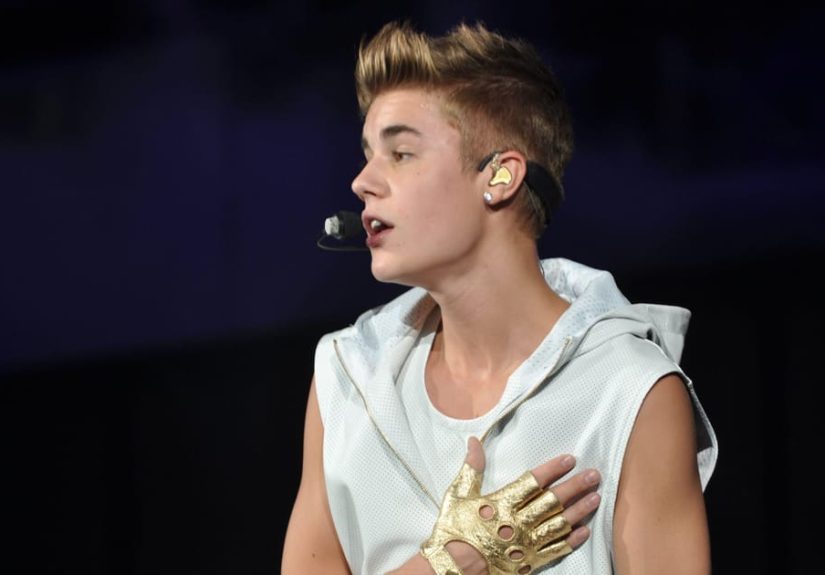
Justin Bieber – From teenage heartthrob to R&B-inflected pop star, Bieber
has reinvented himself multiple times. Still, his early bubblegum hits and tabloid history
permanently glued him to overrated-musician lists, even as some of his later work earned more
critical respect. -
Ed Sheeran – He sells stadiums and writes undeniable hooks, yet he’s also
the poster child for safe acoustic pop. His songs are accused of blending into one long
Spotify-friendly mush, ideal for wedding dance floors but not for people craving sonic
adventure. -
Greta Van Fleet – Their early work sparked a thousand “Led Zeppelin clone”
comments. Supporters see them as keeping classic rock alive; detractors hear cosplay vocals
and derivative riffs with little new to say. -
Måneskin – The glam-rock Eurovision darlings split opinion. Some love their
throwback swagger; others think the image is doing more heavy lifting than the songwriting,
making them feel like a fashion campaign with guitars. -
AJR – Their quirky, theatrical pop is tailor-made for TikTok edits and
teen-movie trailer vibes. To critics, the self-aware lyrics and dramatic production come off
as emotionally manipulative and cloying rather than sincere. -
Twenty One Pilots – Blending alt-pop, rap, and emo, they’ve built a devoted
fanbase. But their lyrical earnestness, theatrical angst, and genre-hopping experiments rub
skeptics the wrong way, who brand them as Tumblr-core without real bite. -
Muse – Epic, operatic, and occasionally absurd. Muse’s recent albums have
been blasted for over-the-top concept ideas, meme-worthy lyrics, and production that feels
like a sci-fi soundtrack frantically trying to warn you about Wi-Fi. -
Bon Jovi – Stadium rock royalty, yes, but also frequent nominees for “cheesiest
arena band.” As the years go on and vocals decline, more people label them as nostalgia
merchandise rather than a band still pushing themselves creatively. -
Weezer – Few bands have a catalog as wildly uneven as Weezer. Their early
albums are beloved; later releases are often slammed as lazy, meme-chasing, or just plain
strange, making them a permanent fixture in “love them and hate them” debates. -
BTS – The world’s biggest boy band is also one of the most divisive. Fans
praise their choreography, production, and positive messaging; critics see overexposure,
heavy branding, and glossy production that can feel more like pop-industrial output than
organic artistry. -
Post Malone – With his blend of rap, rock, and pop, he dominates radio, but
a lot of listeners describe his music as emotionally one-note: sad, hazy, and interchangeable
from song to song, like being stuck in the same late-night Uber ride forever. -
Halsey – A festival mainstay whose conceptual albums and alt-pop sound split
audiences. Some see a sharp songwriter with a strong aesthetic; others hear lyrics and
melodies that rely more on vibe and branding than lasting hooks. -
Kane Brown – A modern country star who mixes R&B and pop into his sound,
which fans appreciate. But purists argue his songs are more “Nashville pop” than country,
and that his production leans on familiar formulas and clichés. -
A “Rotating Cast” of Viral TikTok Artists – Not one person, but a whole wave
of creators whose songs go from viral snippet to chart-topping hit. The music often feels
built around a 15-second hook, leaving the rest of the track sounding like filler stitched
together just to exist on streaming platforms.
Again, this ranking isn’t a moral judgment. Many of these “worst current bands” are financially
thriving and emotionally meaningful to millions. But their presence on so many “most hated” and
“most overrated” lists shows how easily modern pop culture swings from adoration to eye roll.
Why “Bad” Music Keeps Winning Anyway
If so many listeners complain about these musicians, why do they keep scoring number-one hits,
awards, and sold-out tours? The short answer: the music industry doesn’t reward subtlety; it
rewards familiarity and scale.
Streaming platforms tend to favor songs that fit neatly into popular mood and genre playlists.
That pushes safe, mid-tempo tracks with familiar structures – exactly the sort of music
critics dismiss as generic. Radio programmers still rely heavily on a small rotation of
“proven” acts. Major brands want artists whose songs can soundtrack ads, highlight reels, and
TikTok trends without offending anyone. That ecosystem naturally lifts the bands many fans
label as boring, overexposed, or cringe.
It’s also easier than ever for artists to stay in the spotlight with constant releases:
deluxe albums, remixes, collaborations, surprise singles, and viral challenges. When a musician
is always in your feed, you may not like them more, but you’ll definitely notice them more –
which can quickly turn into backlash and “worst band ever” memes.
Living in a World of “Worst Band” Debates: A 500-Word Experience
If you’re a music fan in 2025, you’ve probably already lived through at least one heated debate
about the worst current band or most annoying musician. It usually starts innocently: someone
at a party says, “Can we skip this? I hate this band.” Someone else gasps, clutches their
chest like they’ve been personally insulted, and suddenly the living room turns into a
low-budget version of a music critic roundtable.
You’ll hear the same phrases over and over:
“They’re so overrated,” “All their songs sound the same,” “They’re only big because of TikTok,”
or the nuclear take, “They ruined the entire genre.” In a group chat, this escalates even
faster. One person drops a link to a “worst bands of all time” list. Another replies with a
screenshot of their Spotify Wrapped, featuring three of those “worst” artists in the top five.
The word “taste” appears, usually accompanied by a few skull emojis.
Social media supercharges these experiences. Open any thread under a big artist’s new single and
you’ll find both extremes: fans calling it a masterpiece and critics calling it lazy,
derivative, or “AI-generated mush.” If you so much as joke about not liking a massively
popular idol group or global pop star, you may get politely (or not-so-politely) corrected by
a small army of fans with matching profile pictures.
Yet those same fans have their own lists of musicians they can’t stand. Someone who adores
a carefully manufactured boy band might despise a jam band that riffs for twenty minutes. The
person who worships a serious, politically minded rock legend might secretly blast
so-called “throwaway” pop in their car and never tell a soul. The fun of a “30+ worst current
bands and musicians” list is that everyone recognizes at least three names they genuinely
dislike – and three they’re ready to defend to the death.
Personally, the most relatable experience is the grocery store test. You walk in for
a carton of milk, and within five minutes you hear a song you’ve grown to hate through sheer
repetition. Half an hour later, after the third track from the exact same artist, you’re
glaring at the yogurt and wondering who curated this playlist and whether they’re okay. That’s
where a lot of “worst band” feelings are born: not from one bad song, but from the slow drip of
overexposure in public spaces you can’t escape.
Another big one: karaoke night. There’s always one friend who insists on performing the same
power ballad from a band people love to mock – maybe a Creed classic or a painfully earnest
pop anthem. The room is divided between people singing along at the top of their lungs and
people laughing into their drinks. When the song ends, someone always says, “Objectively, that’s
a terrible band,” and the arguments start again.
The longer you live in this environment, the more you realize that calling a band “the worst”
says at least as much about you as it does about them. It reflects what you value in music:
subtlety vs. spectacle, authenticity vs. entertainment, experimentation vs. comfort. You might
hate a band because they remind you of a specific era in your life, or because they embody a
trend you’re tired of hearing.
In the end, the real experience of navigating “worst bands” discourse isn’t about winning an
argument. It’s about discovering what you actually like – and, if you’re lucky, having a sense
of humor about the stuff you can’t stand. The same list that makes you roll your eyes might
make someone else feel seen. And if nothing else, it gives you an easy icebreaker:
“Okay, but who’s your worst band of all time?”
Conclusion: Use This List as a Conversation Starter, Not a Verdict
The phrase “The 30+ Worst Current Bands and Musicians, Ranked” is designed to stir the pot,
and that’s exactly what it does. Some of the acts above are global superstars; others are cult
favorites. All of them have enough impact to show up in arguments, polls, and memes about
bad music. That alone proves they matter in today’s noisy, algorithm-driven music landscape.
If you love any of these artists, don’t panic – your playlist isn’t wrong. If you hate them,
you’re clearly not alone. Either way, rankings like this are best used as jumping-off points:
a way to explore why some music feels hollow or overhyped, and a reminder to go hunt down
artists who genuinely move you. Life’s too short to listen to songs you despise on repeat,
especially when there’s an entire universe of music beyond the usual “most hated” suspects.