Table of Contents >> Show >> Hide
- Quick Take: Which Trap Type Fits Your Situation?
- How The Spruce Tested (and Why That Matters)
- The 6 Best Rat Traps The Spruce Has Tested
- 1) Best Overall: Tomcat Rat Snap Trap
- 2) Best Budget: Victor Easy-Set Wood Snap Rat Trap
- 3) Best Catch and Release: Iiwey Humane 12-Inch Mouse Trap
- 4) Best Covered: Tratper Tunnel Dual-Entry Rat & Mouse Trap
- 5) Best Large: Kensizer Medium Humane Live Trap
- 6) Best for Outdoors: Tomcat Rockscape Bait Station
- What to Look For in a Rat Trap
- How to Get Better Catch Rates (Without Turning Your Home Into a Horror Movie)
- Humane & Safety Notes (Because Rats Aren’t the Only Ones Living Here)
- When to Call a Professional Exterminator
- Conclusion
- Real-World Experiences: What It’s Actually Like Using Rat Traps (Extra 500+ Words)
Finding rat droppings in your pantry is a uniquely humbling experience. One minute you’re a capable adult with a to-do list; the next you’re
Googling “how do I outsmart a rodent with tiny hands and zero rent.” The good news: you don’t need to become Batman. You need the right trap,
placed the right way, checked the right amount of often.
Below is a practical, no-fluff guide to The Spruce’s six top rat-trap picksplus the real-world “why isn’t this working?” advice that
separates a quick win from a week-long game of whiskered hide-and-seek.
Quick Take: Which Trap Type Fits Your Situation?
- Classic snap traps: Fast, affordable, effectiveespecially when you place several along walls. Downside: the catch is usually visible.
- Modern snap traps (safer designs): Similar kill power with less finger-pinching drama. Often easier to set, sometimes reusable.
- Covered/contained snap traps: A snap trap inside a tunnel or housing. Less gross to look at and safer around kids/pets, but you’ll need to clean it.
- Humane live-catch traps: No-kill capture. Great for squeamish folksif you’re willing to check frequently, transport safely, and follow local rules.
- Outdoor bait stations: Low-maintenance “set and monitor” option, but they involve rodenticidesserious safety considerations apply.
One important note: glue traps are popular in stores, but many experts and animal-welfare organizations consider them inhumane because they don’t
kill quickly and can trap non-target animals. The Spruce tested glue traps and chose not to include them among their top picks.
How The Spruce Tested (and Why That Matters)
The Spruce evaluated multiple highly rated rat and mouse traps in a controlled setup and scored them on four things homeowners actually care about:
effectiveness, ease of use, cleanliness, and value. Their testing included checking how sensitive snap traps were
(so they’re effectivebut not so hair-trigger that a nearby footstep sets them off) and how manageable the traps felt to set, place, and dispose of.
They’re also continuing at-home testing, which matters because real houses include baseboards, curious pets, cluttered storage rooms, and that one
spot behind the fridge where lost socks go to retire.
The 6 Best Rat Traps The Spruce Has Tested
Think of this as your “choose-your-own-adventure,” except the villain is a nocturnal snack bandit with excellent hearing. For each pick, I’ll break down
what it’s best at, where it shines, and what to watch out for.
1) Best Overall: Tomcat Rat Snap Trap
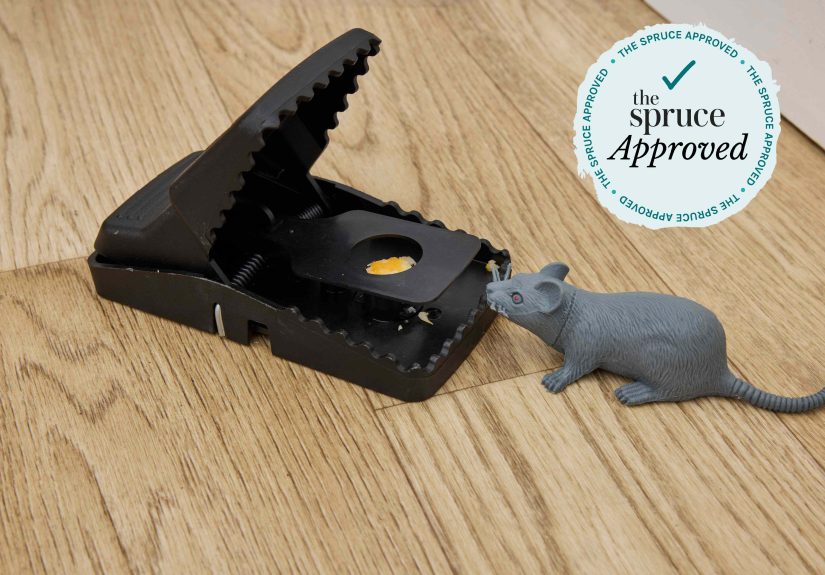
If you want a modern snap trap that’s strong, simple, and less likely to turn your fingers into a cautionary tale, this is The Spruce’s top overall choice.
It’s designed to be easy to set (yes, even without doing a deep-breath “here we go” pep talk), and it clamps down with interlocking teeth to reduce escapes.
- Why it wins: Easy setup, strong trigger response, and a design focused on safer handling.
- Best for: Indoor use when you want a high-success snap trap that’s less fiddly than classic wood traps.
- Heads-up: The rat is typically visible after capture, which is… character-building.
Pro tip: If you’re new to snap traps, practice setting it once (unbaited) so your hands learn the motion. Confidence is half the battle; the other half is walls.
2) Best Budget: Victor Easy-Set Wood Snap Rat Trap
Old-school doesn’t mean outdated. This is the classic wooden snap-trap style many professionals still usebecause it works and it’s inexpensive, especially
when you need multiple traps for a bigger problem. The Spruce highlights its power and effectiveness, but also notes it can be trickier (and riskier) to set.
- Why it’s a value pick: Sold in multipacks, strong snap mechanism, great for covering more ground.
- Best for: Larger infestations where you need quantity and you’re comfortable setting traditional snap traps carefully.
- Heads-up: Exposed setup and exposed catch. Also, the “easy-set” label is optimistic if you’re rushing.
Pro tip: Treat budget traps like a team sport: set several along runways instead of betting everything on one heroic trap in the middle of a room.
3) Best Catch and Release: Iiwey Humane 12-Inch Mouse Trap
This is The Spruce’s top no-kill pick for smaller rats and mice. It’s fully enclosed, which makes it safer around kids and pets and less “ew” to transport.
Bait goes inside the tube; when the rodent enters, the door snaps shut behind it.
- Why people like it: Enclosed, reusable, easy to see if you’ve caught something, minimal direct contact.
- Best for: Folks who want a humane live-catch option and are willing to check traps frequently.
- Heads-up: Outdoor use can catch non-target animals. Relocation laws vary, and relocating wildlife can be complicated.
Reality check: Live-catch is only humane if you have a plan: frequent checks, safe handling, and a legal, appropriate release strategy.
4) Best Covered: Tratper Tunnel Dual-Entry Rat & Mouse Trap
Want a snap trap that’s less visually traumatic and more kid/pet-friendly? This tunnel-style trap encloses the mechanism and the catch. The dual-entry design
gives rats two ways to wander inhelpful when they’re hugging walls and avoiding open space like it’s lava.
- Why it stands out: Fully enclosed, safer handling, discreet after a catch, and straightforward setup.
- Best for: Homes with pets/kids or anyone who doesn’t want to see the rodent post-capture.
- Heads-up: You’ll need to clean it after each use if you reuse it. Not everyone’s dream hobby.
Placement tip: Dual-entry doesn’t mean “anywhere.” Put it along a wall where you’ve seen activityrats prefer edges and cover.
5) Best Large: Kensizer Medium Humane Live Trap
For bigger rodents, a sturdier live-cage trap can be the difference between “caught” and “escaped with a new grudge.” The Spruce liked this trap’s construction
and quick setup. It’s roomy, reusable, and built for recurring pest issuesespecially when you suspect you’re dealing with a larger rat.
- Why it works: Sturdy cage, quick setup, suitable for larger rodents.
- Best for: Larger rats and situations where you want live-catch capacity.
- Heads-up: Bulkier, heavier trigger, not ideal for smaller mice. Also, no handle can make transport awkward.
Humane handling reminder: A live trap should be checked often. The longer an animal sits, the higher the stressand the higher the risk to you while moving it.
6) Best for Outdoors: Tomcat Rockscape Bait Station
Outdoor rats are their own category of chaosdumpster-adjacent, fence-running, garden-snacking chaos. The Spruce’s outdoor pick is a discreet, rock-look bait station
designed to blend into landscaping and lock securely. It’s weather-resistant and intended to reduce accidental access by kids, pets, and larger wildlife.
- Why it’s compelling: Low-visibility “rock” design, reusable, lockable, built for outdoor conditions.
- Best for: Persistent outdoor activity near trash areas, sheds, garages, or along exterior runways.
- Heads-up: This involves rodenticide and does not kill instantly. You may need to find and dispose of the rat later.
Safety first: Always follow label directions, use tamper-resistant stations correctly, and keep bait products inaccessible to children, pets, and non-target animals.
If you’re unsure, a licensed pest professional is worth the call.
What to Look For in a Rat Trap
Pick the right “power level”
A mousetrap is not a rat trap. Rats are bigger, stronger, and more likely to steal bait without triggering light mechanisms. If you’re catching nothing but disappointment,
double-check that you bought a trap rated for rats.
Balance speed, squeamishness, and safety
Snap traps are typically fast and effective. Covered snap traps reduce the “I just saw something I can’t unsee” factor. Live-catch traps avoid killing but require frequent checks,
safe transport, and legal/ethical relocation. Your best choice is the one you’ll actually set correctly and monitor consistently.
Consider children, pets, and curious chaos
If a toddler, a cat, or a dog has access to the area, prioritize enclosed designs. Covered snap traps and properly secured bait stations reduce risk compared to exposed triggers.
When in doubt, place traps in protected runways (behind appliances, inside cabinets where safe, or inside tamper-resistant stations).
Plan for cleanup before you get a catch
If you know you’ll avoid checking a trap because the cleanup freaks you out, choose a contained option. It’s not about toughness; it’s about follow-through.
The “best rat trap” is the one you can manage at 7:00 a.m. before coffee.
How to Get Better Catch Rates (Without Turning Your Home Into a Horror Movie)
1) Place traps where rats actually travel: along walls
Rats tend to move along edges and covered pathways. Place traps tight to baseboards, behind appliances, along garage walls, near entry points, and anywhere you see droppings or rub marks.
Avoid the middle of open rooms unless you’ve literally watched a rat strut through like it pays taxes.
2) Use more traps than you think you need
One trap is a wish. Multiple traps are a plan. If you’re seeing frequent signs, place several traps in likely routes. This increases odds and shortens the timeline,
which matters because rats reproduce quickly and can learn to avoid “new scary objects.”
3) Bait like a realist, not a cartoon
Cheese is iconic, but it’s not always the best choice. A small smear of peanut butter can work well because it’s sticky (harder to steal), and strong-smelling foods
like bacon or pet food can be effective depending on what the rats are already eating. Use a small amountrats should have to work for it.
4) Stop feeding them accidentally
Before you trap, remove easy food sources: overflowing pet bowls, unsealed pantry items, crumbs under the toaster, open trash, bird seed spills, and compost access.
Otherwise, your trap is competing with the all-you-can-eat buffet you didn’t realize you were hosting.
5) Check often, reset fast
A sprung trap with no rat is basically a warning sign to the rest of the colony. Check traps daily (more often for live-catch), rebait if needed, and replace traps that get dirty or warped.
Humane & Safety Notes (Because Rats Aren’t the Only Ones Living Here)
Wear gloves when handling traps or disposing of rodents, and wash hands afterward. If you’re cleaning droppings, avoid sweeping or vacuuming dry debris;
use appropriate disinfecting methods and ventilation to reduce exposure risks.
Skip glue traps if you can. They can cause prolonged suffering and may trap non-target wildlife and pets.
Be careful with rodenticides. They can pose risks to pets, children, and wildlife if misused, and there can be secondary poisoning concerns. If you choose an outdoor bait station,
follow label directions and use a station designed to prevent tampering.
Live traps aren’t “set and forget.” They require frequent checks, careful transport, and a lawful, humane release plan. In some places, relocating wildlife is restricted.
When to Call a Professional Exterminator
DIY trapping can work well for small, early problems. But consider calling a pro if you notice lots of fresh droppings, persistent scratching in walls/ceilings,
a strong ammonia-like odor, repeated sightings, or evidence of nesting. A significant infestation can outpace casual trapping, and professionals can combine trapping with exclusion
(sealing entry points), which is how you actually win long-term.
Conclusion
The Spruce’s lineup covers the major “rat reality” scenarios: a top-performing modern snap trap (Tomcat Rat Snap Trap), a budget-friendly multipack classic (Victor Easy-Set Wood),
two enclosed options for safer, less squeamish handling (Iiwey and Tratper), a larger live-cage for bigger pests (Kensizer), and an outdoor solution for persistent yard activity
(Tomcat Rockscape Bait Station).
Pick the trap that matches your space and comfort level, then focus on placement, quantity, and cleanup habits. Rats are smart, but they’re not magic.
Your baseboards are basically their highway systemset up the roadblocks, and the situation gets a lot less dramatic.
Real-World Experiences: What It’s Actually Like Using Rat Traps (Extra 500+ Words)
Most rat-trap advice sounds simple until you’re the one standing in your kitchen at midnight holding a trap like it’s a live grenade. In real homes, the hardest part
often isn’t choosing between a snap trap and a live trapit’s getting over the mental hurdle of setting the thing correctly and checking it consistently.
A common first-time pattern goes like this: you buy one trap (one!) and place it in the middle of the floor because it feels “central.” Nothing happens. Or worse,
the bait disappears and the trap doesn’t spring, which is when you realize rats can do petty crime with the finesse of a pickpocket. That’s usually the moment people
learn the single biggest lesson: placement beats price. The best trap in the world won’t help if it’s nowhere near a runway.
Another very real experience: the “I can’t set a classic wood trap without flinching” problem. Traditional snap traps work, but they can feel intimidatingespecially when you’re
trying to hold the trap steady, set the mechanism, and keep your fingers out of the danger zone. That’s why modern designs like The Spruce’s best overall pick can be such a relief.
When a trap is easier to set, you’re more likely to use enough of themand you’re more likely to put them where they need to be (tight to walls, behind appliances, near
signs of activity) instead of tossing one random trap into the open like a lonely chess pawn.
People also underestimate how much their own habits affect success. A messy pantry, a pet bowl left out overnight, or a garbage can without a tight lid can keep rats well-fed
and unmotivated. Many homeowners report that traps “suddenly started working” after they did a quick cleanup: sealing snacks, picking up fallen bird seed, removing clutter near
walls, and wiping down grease and crumbs. What changed wasn’t the ratsit was the competition. When you stop offering free food, bait looks a lot more interesting.
Then there’s the squeamishness factor, which is not a character flaw; it’s a logistics issue. Some people genuinely won’t check an exposed snap trap because they don’t want to see the rodent.
That’s exactly where covered traps or enclosed catch-and-release designs can make the whole process more doable. The trap you can manage is the trap you’ll maintain. And maintenance matters.
A trap that’s sprung and sitting there for days becomes less effective, and it can also create sanitation problems you don’t want.
Live-catch experiences are their own learning curve. The first surprise is how quickly you need to check them. Leaving an animal trapped too long is stressful for the animal and risky for you.
The second surprise is relocation: some areas have rules about releasing wildlife, and even where it’s legal, you still need to choose a safe location away from your home where the animal
has a chance to survive. People often start with the best intentions, then realize they’d rather switch to a fast-kill snap trap because it’s simpler, quicker, and can reduce prolonged stress.
Outdoor problems add another layer: weather, pets, wildlife, and the fact that you may never know where a rat goes after it’s eaten bait. Many homeowners like the idea of a discreet bait station
because it’s not visually obvious and can be locked, but the tradeoff is responsibilitystrict label-following, safe placement, and consistent monitoring. For some, the “low maintenance” promise is worth it.
For others, it’s the moment they decide, “Okay, I’m calling a pro,” especially if the yard is active and the house has multiple potential entry points.
The most relatable experience of all? The feeling of relief when you finally get it under controland the realization that the long-term win isn’t just catching rats. It’s exclusion:
sealing gaps, improving sanitation, and removing attractants so you aren’t forced into an endless rematch. Traps solve the immediate problem. The habits and repairs keep the next season quieter.