Table of Contents >> Show >> Hide
- What Laminate Underlayment Actually Does
- How to Choose the Best Laminate Underlayment
- The Best Laminate Underlayments for Home Flooring
- Best Overall Premium Pick: QuietWalk
- Best for Warmth and a More Solid Feel: Roberts Super Felt
- Best for Mixed Conditions and Extra Features: Eco Cork Foam
- Best Budget-Friendly Choice: FloorLot 3mm Vapor Barrier Underlayment
- Best for Brand-Matched Installs: Pergo FloorMate
- Best Simple Option for Dry, Standard Rooms: TrafficMaster 2-in-1 Foam
- Best for Noise-Sensitive Homes: Premium Acoustic Underlayments Like FloorMuffler
- Foam vs. Felt vs. Cork: Which Material Wins?
- Common Underlayment Mistakes to Avoid
- What Is the Best Laminate Underlayment for Your Home?
- Real-World Experiences With Laminate Underlayments
- Conclusion
Laminate flooring gets plenty of love for looking polished without charging hardwood-floor prices. It is durable, DIY-friendly, and capable of making a tired room look like it finally got its act together. But even the prettiest laminate planks can sound hollow, feel cold, or wear poorly if they are installed over the wrong underlayment. In other words, underlayment is the quiet overachiever of the flooring world. Nobody posts glamorous photos of it, but everyone notices when it is missing.
If you are shopping for the best laminate underlayments for home flooring, the good news is that there is no shortage of choices. The bad news is that all those choices can start to blur together after the fifth product description promising “premium comfort,” “advanced acoustics,” and “moisture protection.” So let’s make it simple. The best underlayment depends on your subfloor, the room, your noise concerns, whether your laminate has an attached pad, and how much moisture your home tends to throw at the floor.
This guide breaks down what laminate underlayment actually does, how to choose the right kind, and which products or product categories stand out for common real-life situations. Whether you are flooring a second-floor bedroom, a busy family room, or a basement that always feels one thunderstorm away from drama, here is how to pick an underlayment that works hard without making your floor feel squishy or unstable.
What Laminate Underlayment Actually Does
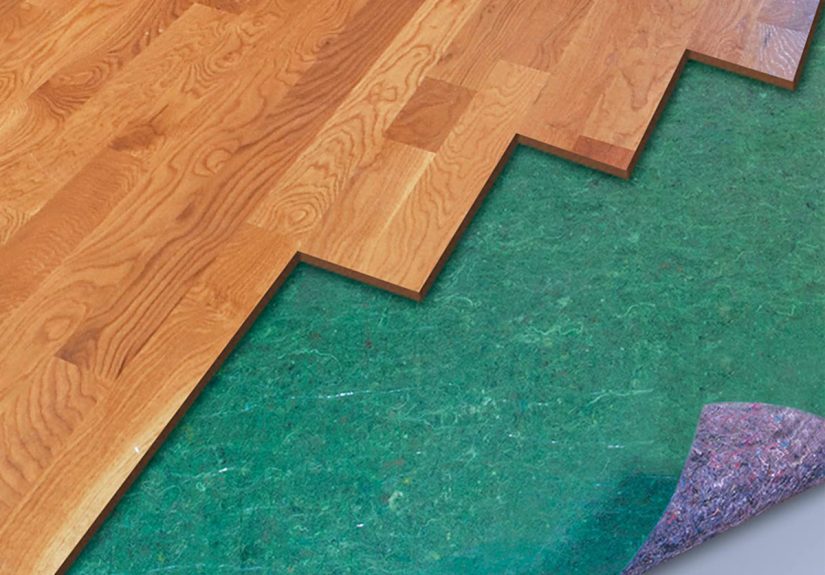
Underlayment sits between the subfloor and the laminate planks. It is not there for decoration. Its main job is to improve the performance of a floating floor system by adding cushioning, helping with sound control, smoothing minor imperfections, and protecting the floor from moisture where needed.
For laminate flooring, those benefits matter a lot. Laminate is rigid and click-lock based, which means the planks need firm support. Too little support and the floor can sound noisy or feel hard. Too much cushion and the planks may flex, putting extra stress on the locking joints. That is why choosing the right underlayment is less about grabbing the thickest roll on the shelf and more about matching the material to the room.
A good laminate underlayment can help your floor feel more solid underfoot, reduce that hollow “tap dance in a cereal bowl” effect, and improve comfort during everyday use. In the right setting, it can also help keep moisture from migrating up through the subfloor and damaging the planks from below.
How to Choose the Best Laminate Underlayment
1. Start with the subfloor
Your subfloor is the first big clue. If you are installing laminate over plywood on an upper floor in a dry room, a standard foam or felt underlayment may be enough. If you are installing over concrete, especially in a basement or ground-level room, moisture protection jumps to the front of the line. Concrete can hold and release moisture even when it looks perfectly dry, so many installations over concrete need a vapor barrier or an underlayment system designed for that purpose.
2. Check whether the laminate already has an attached pad
Some laminate floors come with attached underlayment. That can save time, but it does not always mean you are done. If the floor already has a pad, you usually should not stack another soft cushion underneath unless the manufacturer specifically allows it. Extra padding may sound cozy in theory, but in practice it can create too much flex and strain the seams. If you are over concrete, you may still need a separate moisture or vapor barrier even when the planks have attached padding.
3. Do not chase thickness just because it sounds luxurious
With carpet, thicker often feels better. With laminate, thicker is not automatically smarter. A laminate floor needs support. Underlayment that is too soft or too thick can contribute to movement at the joints. Think firm comfort, not marshmallow energy. For many homes, a well-made 2 mm to 3 mm underlayment hits the sweet spot, while cork-based products can be thicker because the material is denser and more supportive.
4. Match the material to the problem you want to solve
Foam underlayment is often the budget-friendly, easy-install option. Felt tends to offer a more substantial feel and can help with sound and warmth. Cork appeals to homeowners who want a natural material with solid acoustic performance and good behavior over concrete when used properly. Hybrid or combo products try to blend several benefits into one roll, such as moisture protection, sound reduction, and minor subfloor smoothing.
5. Think about noise like a grown-up who has downstairs neighbors
If you live in a condo, townhouse, or a busy two-story house, sound control matters. Some underlayments are better at reducing the click-clack of footsteps and helping the floor sound more solid. That is where premium felt, fiber, cork, or higher-performance acoustic products tend to beat the bargain-bin basics.
The Best Laminate Underlayments for Home Flooring
Best Overall Premium Pick: QuietWalk
If you want an underlayment that earns its keep in multiple ways, QuietWalk is one of the strongest all-around choices. It is known for reducing noise, adding a more substantial feel under floating floors, and offering moisture protection in one package. This type of premium fiber underlayment is especially appealing in family rooms, hallways, and upstairs spaces where a basic foam roll may leave the floor sounding thin and hollow. QuietWalk is a smart pick for homeowners who want performance first and do not mind paying a little more to avoid future annoyance.
Best for Warmth and a More Solid Feel: Roberts Super Felt
Roberts Super Felt is a strong contender when comfort and noise reduction matter more than rock-bottom price. Felt underlayment tends to feel a bit more substantial than basic foam, and this one is often favored by homeowners who want to soften the sound of foot traffic while taking some of the chill out of the floor. It is a good fit for bedrooms, living areas, and spaces where you spend enough time standing to notice whether the floor feels welcoming or mildly hostile.
Best for Mixed Conditions and Extra Features: Eco Cork Foam
Eco Cork Foam is popular because it combines cork and foam into a hybrid product that checks a lot of boxes at once. It is designed for moisture protection, sound reduction, and general comfort, making it a strong option for homeowners who want one premium underlayment for several rooms rather than playing material roulette from room to room. It is especially attractive for installations over concrete or in homes where noise control and moisture awareness both matter. It also pairs well with many modern floating floors, including some products with attached pads, though checking manufacturer compatibility is still essential.
Best Budget-Friendly Choice: FloorLot 3mm Vapor Barrier Underlayment
If your goal is to get reliable performance without turning underlayment into the most expensive supporting actor in your renovation, FloorLot is worth a look. It is a budget-conscious foam option that offers cushioning, sound reduction, and built-in moisture protection. This makes it well suited for straightforward residential projects where you want a practical underlayment that is easy to install and does not try to behave like a luxury mattress. Budget does not have to mean bad. It just means being realistic about where you need premium features and where you do not.
Best for Brand-Matched Installs: Pergo FloorMate
If you are installing Pergo laminate or simply prefer sticking close to a flooring brand’s accessory ecosystem, Pergo FloorMate is a sensible pick. Manufacturer-matched accessories can make life easier when you want a cleaner warranty conversation and fewer compatibility questions. It is the flooring version of using the charger that came in the box instead of gambling with a random one from the junk drawer. Brand-specific underlayments may not always be the cheapest, but they can reduce second-guessing.
Best Simple Option for Dry, Standard Rooms: TrafficMaster 2-in-1 Foam
For guest rooms, closets, or dry upper-floor spaces where you need a basic underlayment and not a dramatic lifestyle transformation, a standard 2-in-1 foam option like TrafficMaster can work well. These products are easy to roll out, friendly for DIY installation, and usually priced for homeowners who want solid value. They are best when the subfloor is already in good shape and the room does not demand serious acoustic or moisture performance.
Best for Noise-Sensitive Homes: Premium Acoustic Underlayments Like FloorMuffler
If your home has kids, dogs, late-night snackers, or a second story directly above someone’s bedroom, stepping up to an acoustic-focused underlayment makes sense. Products in the premium sound-control category, including options like FloorMuffler, are designed for homeowners who care less about saving a few dollars today and more about avoiding years of every footstep sounding like a tiny drum solo. These are especially useful in condos, multifamily homes, and open-plan houses where noise travels farther than your patience.
Foam vs. Felt vs. Cork: Which Material Wins?
The truth is that no single material wins every battle.
Foam is the easygoing favorite for many DIY installs. It is affordable, lightweight, and simple to cut and tape. In dry rooms with a decent subfloor, it often does the job just fine.
Felt is the upgrade choice for homeowners who want a denser feel, better sound absorption, and more comfort underfoot. It often costs more than foam, but it can make laminate feel less hollow and more polished.
Cork appeals to buyers who want a more natural-feeling material with strong acoustic performance and good behavior in challenging environments. Cork or cork-foam blends can be excellent over concrete when moisture is handled correctly and the floor manufacturer approves the setup.
Hybrid products are ideal for people who want one underlayment to handle multiple priorities at once. They are often the strongest match for modern homes where the flooring has to look good, feel good, and survive busy daily traffic without becoming a squeaky regret project.
Common Underlayment Mistakes to Avoid
Skipping moisture protection over concrete
This is the classic mistake that seems fine until it is very much not fine. Concrete can transmit moisture, and laminate does not appreciate surprises from below. When in doubt, follow the flooring manufacturer’s instructions for vapor protection.
Using underlayment to hide a bad subfloor
Underlayment can smooth tiny imperfections, but it is not a magic trick. If the subfloor is uneven, cracked, dirty, or unstable, fix that first. Trying to solve a wavy floor with a thicker pad is like solving a leaky roof with a bigger umbrella.
Doubling up soft padding under attached-pad laminate
More cushion is not always better. If the planks already have attached padding, adding another soft layer underneath can create too much movement. That can stress the locking system and shorten the life of the floor.
Choosing the cheapest option for a noisy room
There is a time to save money and a time to avoid hearing every step from the upstairs hallway for the next decade. Bedrooms above living rooms, condos, and high-traffic family spaces usually reward better acoustic underlayment.
What Is the Best Laminate Underlayment for Your Home?
If you want the simplest answer, here it is: the best laminate underlayment is the one that fits your room, subfloor, and flooring system without creating extra flex or leaving moisture unmanaged. For many homeowners, a premium all-around option like QuietWalk hits the sweet spot. For colder rooms or a more cushioned, solid feel, felt products such as Roberts Super Felt are excellent. For concrete, moisture-aware spaces, and homeowners who want an all-in-one premium performer, Eco Cork Foam stands out. For lower-cost projects, a practical foam product like FloorLot or TrafficMaster can absolutely get the job done.
The smartest move is to start with the laminate manufacturer’s installation instructions, then choose the underlayment that solves the real problem in the room. Not the imaginary problem. Not the marketing problem. The real one. Is it noise? Is it moisture? Is it comfort? Is it a warranty requirement? Once you answer that, the best choice becomes much easier.
Real-World Experiences With Laminate Underlayments
In real homes, underlayment decisions tend to show their true value after the furniture is back in place and daily life starts stomping across the floor. Homeowners rarely say, “I am thrilled by my underlayment selection” on day one. What they do say, usually a few weeks later, is, “Wow, this floor is quieter than I expected,” or, unfortunately, “Why does this room sound like a marching band?” That difference often comes down to what went under the laminate.
One of the most common experiences involves upstairs bedrooms and hallways. A cheap foam underlayment may look perfectly fine during installation, but once the room is in use, every early-morning footstep can sound sharper than expected. In these spaces, people often notice the benefit of stepping up to felt, fiber, or acoustic-focused products. The floor tends to sound more solid, less hollow, and less like someone is practicing tap shoes outside the bedroom door at 6:30 a.m.
Basements create a different kind of lesson. Many homeowners focus on laminate color, plank width, and whether the floor looks like white oak or hickory. Then moisture enters the chat. In below-grade spaces, the real-world experience is that moisture control matters more than optimism. Homeowners who choose a moisture-aware underlayment system and prep the slab correctly usually report better long-term performance. Those who skip that step may run into swelling, odor, or a floor that simply does not age well. Basement flooring is one of those places where being cautious is cheaper than being confident.
There is also the attached-pad dilemma. A lot of people assume attached pad means “problem solved forever.” In practice, the experience is more nuanced. Attached pad can make installation easier and may work beautifully in many rooms, especially over a properly prepared wood subfloor. But some homeowners later realize they still needed a vapor barrier over concrete, or that adding an extra soft underlayment underneath made the floor feel a little too bouncy. Laminate likes support. It does not want to moonwalk every time someone crosses the room.
Another common real-life takeaway involves cold floors. In rooms over concrete or in homes with naturally cool lower levels, homeowners often notice that premium felt or hybrid underlayments make the floor feel less harsh. No, underlayment will not turn your basement into a tropical resort. But it can reduce that chilly, unforgiving feel that makes you question every barefoot life choice.
DIY installers also tend to remember ease of installation. Products with overlap film, adhesive strips, or simple roll-out formats make the job faster and cleaner. That matters more than it sounds like it should. Flooring projects already involve measuring, cutting, tapping, trimming, and muttering at door jambs. A cooperative underlayment saves time, cuts down on frustration, and lowers the chance of messy seams.
In the long run, the most positive experiences usually come from homeowners who matched the underlayment to the room instead of trying to use one random roll for every situation in the house. Quiet rooms benefit from better acoustics. Concrete rooms need moisture planning. Busy living spaces deserve durability and support. The underlayment that feels “best” is usually the one you stop noticing, because the floor above it simply feels right every single day.
Conclusion
The best laminate underlayments for home flooring are not just the thickest, priciest, or most aggressively advertised. They are the ones that match the demands of your room and support the laminate the way it was designed to be supported. For premium all-around performance, QuietWalk remains a standout. For warmth and comfort, Roberts Super Felt is a great choice. For moisture-aware versatility, Eco Cork Foam deserves serious attention. For tighter budgets, FloorLot and TrafficMaster offer practical value that makes sense in standard rooms.
Choose with your subfloor in mind, follow the flooring manufacturer’s specs, and resist the urge to improvise your way into a warranty headache. Do that, and your laminate floor has a much better shot at looking great, sounding better, and lasting the way you hoped when you bought it.