Table of Contents >> Show >> Hide
- Introduction: When Plants Walk Into a Bar
- What Is The Drunken Botanist About?
- The Botany Behind the Bottle
- Famous Plants Featured in the Drunken Botanical World
- Why Gardeners Love The Drunken Botanist
- Science, Humor, and the Joy of Weird Facts
- The Cultural Importance of Botanical Beverages
- SEO-Friendly Reading Guide: Who Should Read The Drunken Botanist?
- Experiences Inspired by The Drunken Botanist
- Conclusion: A Toast to Curiosity, Not Consumption
- SEO Tags
Editorial note: This article explores The Drunken Botanist as a work of science, gardening, history, and cultural storytelling. It is written for educational reading and does not provide alcohol recipes, drinking instructions, or encouragement to consume alcohol. Always follow local laws and age restrictions.
Introduction: When Plants Walk Into a Bar
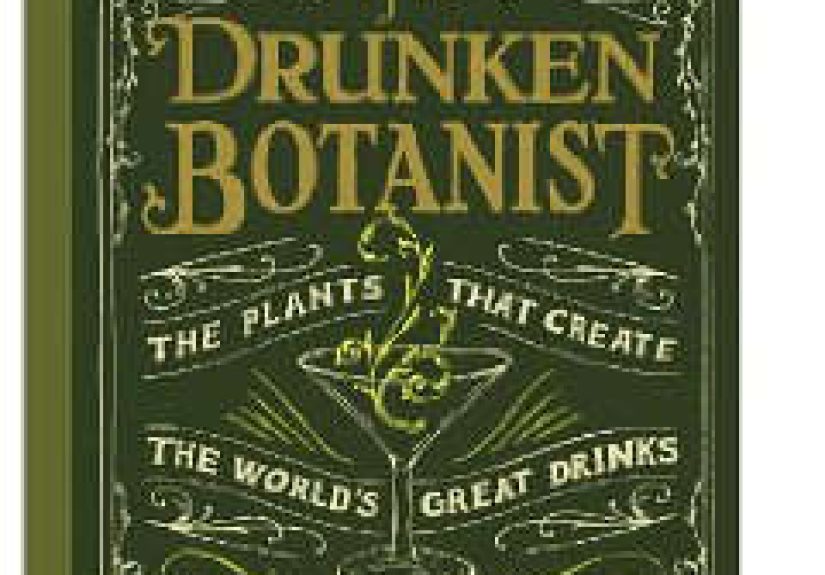
At first glance, The Drunken Botanist sounds like the title of a mischievous garden gnome’s memoir. In reality, Amy Stewart’s celebrated nonfiction book is a lively journey through the plants that have shaped some of the world’s most famous fermented and distilled beverages. It asks a surprisingly simple question: what if the back bar were actually a greenhouse?
The answer is more fascinating than a fruit fly at a science fair. Behind many familiar beverages are grains, fruits, flowers, trees, fungi, herbs, spices, roots, seeds, and shrubs. Rice becomes the starting point for sake. Barley helps shape Scotch. Agave stands behind tequila. Sugarcane gives rum its botanical backbone. Corn plays a starring role in bourbon. Even gin, with its sharp herbal identity, depends on juniper to earn its name.
But The Drunken Botanist is not merely a book about beverages. It is a book about human curiosity. It reveals how people across centuries noticed that plants could sweeten, ferment, perfume, preserve, intoxicate, heal, trade, and sometimes cause a great deal of trouble. Stewart combines biology, chemistry, history, etymology, gardening, and cultural observation into one entertaining package. The result is a nonfiction book that feels like a botanical field guide wearing party shoesstylish, witty, and full of facts that make readers say, “Wait, that came from a plant?”
What Is The Drunken Botanist About?
The Drunken Botanist: The Plants That Create the World’s Great Drinks is written by Amy Stewart, a New York Times bestselling author known for turning the natural world into highly readable storytelling. The book explores the huge variety of plants that humans have fermented, distilled, flavored, cultivated, traded, and mythologized over time.
Rather than treating drinks as finished products in glass bottles, Stewart looks backward toward the living ingredients. She follows the trail from field to fermentation vessel, from orchard to barrel, from garden herb to aromatic garnish. This shift in perspective is the book’s secret sauce. A beverage is no longer just a beverage; it becomes a map of agriculture, climate, migration, botany, commerce, and taste.
The book’s scope is wide. It discusses classic base plants such as grapes, apples, corn, barley, rice, agave, and sugarcane. It also pays attention to flavoring botanicals such as hops, juniper, elderflower, mint, citrus, roses, violets, spices, roots, and herbs. The result is part reference book, part garden tour, part history lesson, and part “how did humans even think of this?” museum exhibit.
Why the Book Still Feels Fresh
The enduring appeal of The Drunken Botanist comes from the way it makes ordinary ingredients feel newly strange. Corn is not just corn. It is a cereal grain with cultural, agricultural, and economic significance. Juniper is not just a flavor note. It is the botanical soul of gin. Hops are not just a beer ingredient. They are chemically complex flower cones packed with bitter acids and aromatic oils.
Stewart’s great trick is making readers notice what was hiding in plain sight. Once you understand the plant story behind familiar flavors, grocery stores, gardens, orchards, and spice racks become more interesting. Suddenly a lime is not just a lime. It is a tiny green citrus grenade of acidity, aroma, and colonial trade history. A sprig of mint looks less like decoration and more like a leafy extrovert demanding attention.
The Botany Behind the Bottle
The central idea of The Drunken Botanist is that plants are not background characters. They are the main cast. Human beings may build barrels, bottles, and brands, but plants provide the carbohydrates, sugars, aromas, tannins, acids, oils, starches, and flavors that make fermentation and distillation possible.
Fermentation: The Tiny Drama of Yeast and Sugar
At the heart of many traditional beverages is fermentation, a natural process involving yeast and carbohydrates. In simple terms, yeast consumes sugar and produces alcohol and carbon dioxide. That basic transformation helps explain why sweet fruits, starchy grains, and sugar-rich plants became so important in food and beverage history.
This is where botany turns into chemistry. Grapes come with sugar and acidity. Grains such as barley, corn, rice, and rye contain starches that can be converted into fermentable sugars. Sugarcane offers a direct source of sweetness. Agave stores complex carbohydrates in its heart. Apples, pears, berries, and other fruits bring their own balance of sugar, acid, aroma, and regional identity.
In the world of The Drunken Botanist, plants are not passive ingredients. They are biological systems with personalities. Some are generous. Some are difficult. Some are delicious. Some are dangerous. A few seem as if they were designed by nature after a very odd brainstorming meeting.
Distillation: Concentrating Plant History
Distillation enters the story after fermentation. It separates and concentrates alcohol from fermented plant material. That is why distilled spirits often begin with the same basic agricultural logic as beer or wine but end with a stronger, more concentrated product. Brandy begins with fruit or wine. Whiskey begins with grain. Rum begins with sugarcane products. Tequila begins with agave. Each one carries a botanical fingerprint.
Stewart’s approach helps readers see that a distilled beverage is not simply manufactured. It is grown first. Soil, climate, plant variety, harvest timing, processing methods, and cultural choices all matter. The bottle may sit on a shelf, but its story begins in a field, orchard, forest, or desert.
Famous Plants Featured in the Drunken Botanical World
Agave: The Desert Architect
Agave is one of the most dramatic plants in the story. Blue agave, especially associated with tequila, grows as a spiky succulent adapted to dry landscapes. Its center, often called the piña because it resembles a pineapple after trimming, stores the material that makes fermentation possible. Botanically, agave feels almost theatrical: armored leaves, sculptural shape, slow growth, and a life cycle that reminds humans patience is not optional.
Agave also reveals one of the book’s deeper themes: every plant-based tradition is tied to ecology. A crop does not exist in isolation. It belongs to pollinators, farmers, climates, markets, regulations, and local communities. When demand rises, biodiversity and agricultural sustainability can become serious concerns. The plant may be famous for what people make from it, but its survival depends on far more than branding.
Juniper: The Evergreen Signature of Gin
If gin had a botanical business card, it would say “Juniper, Principal Flavoring Ingredient.” Juniper berries are not true berries in the everyday fruit-bowl sense; they are seed cones with a distinctive resinous, piney character. Their flavor gives gin its identity and connects the beverage to a long history of herbal distillation.
Juniper is a perfect example of how a small botanical ingredient can dominate an entire category. Many other plants may join the flavor profilecitrus peel, coriander, angelica, spices, flowers, rootsbut juniper is the anchor. Without it, the story changes completely. That is exactly the kind of fact The Drunken Botanist loves: tiny plant, huge cultural footprint.
Hops: The Cone With Chemistry
Hops, or Humulus lupulus, are essential to beer’s bitterness and aroma. The cone-like flowers contain compounds that help create the familiar bitter profile and aromatic complexity associated with many beer styles. Even readers who never think about beer can appreciate the botanical drama of hops: a climbing plant with fragrant cones, sticky resins, and enough chemistry to make a lab coat nervous.
Hops also show how plants shape taste expectations. Without them, beer history would smell and taste very different. They bring structure, aroma, and preservation-related qualities. In Stewart’s universe, hops are not merely an ingredient. They are botanical engineers wearing green hats.
Sugarcane: Sweetness With a Complicated Past
Sugarcane is another giant in the botanical history of beverages. Rum is made from sugarcane products, often molasses, which is left after sugar crystallization. This plant’s story is inseparable from colonial trade, plantation agriculture, labor exploitation, and the economic history of the Caribbean and the Americas.
That complexity matters. The Drunken Botanist invites curiosity, but curiosity should not flatten history into a decorative anecdote. Sugarcane’s sweetness sits beside a bitter human past. A serious botanical article must make room for both the chemistry of molasses and the historical realities surrounding its production.
Grapes, Apples, Corn, Barley, and Rice: Everyday Plants With Epic Careers
Some plants in the book feel familiar because they are already part of everyday food culture. Grapes become wine. Apples become cider. Corn contributes to bourbon. Barley helps define many whiskey and beer traditions. Rice plays a role in sake and other fermented traditions. These plants remind us that the line between food history and beverage history is thin, porous, and occasionally wearing a bow tie.
What makes these ordinary crops extraordinary is transformation. A grape on the vine is agriculture. A grape in fermentation becomes culture. A field of barley is farming. Barley processed, fermented, and aged becomes identity, trade, ritual, and regional pride. Stewart’s book succeeds because it treats these transformations as stories worth telling.
Why Gardeners Love The Drunken Botanist
Although the book appeals to readers interested in history and food science, gardeners may feel especially seen. The Drunken Botanist turns the garden into a library of flavor. Mint, basil, rosemary, lavender, citrus, strawberries, apples, scented geraniums, roses, and violets are not just pretty or fragrant. They are edible, aromatic, historical, and culturally meaningful.
The book also inspired many readers to think about “cocktail gardens,” or gardens designed around aromatic plants used in adult beverages and culinary syrups. For a general audience, the more useful takeaway is broader: grow plants that teach you something. A small herb pot on a windowsill can explain aroma better than a textbook. A citrus tree in a container can teach patience, climate, and care. A mint plant can teach boundaries, because mint will cheerfully invade like it has a real estate license.
The Garden as a Sensory Classroom
One reason the book works so well is that plants are sensory teachers. Smell rosemary and you understand resin. Crush mint and you understand volatile oils. Peel citrus and you understand zest. Rub a basil leaf and you understand why fresh herbs can change an entire dish. These sensory experiences help readers connect botany to real life.
That connection is valuable even without any focus on alcohol consumption. The same herbs and fruits discussed in botanical beverage history also belong in cooking, gardening, perfumery, ecology, and cultural studies. The Drunken Botanist simply uses the beverage world as a doorway into a much larger plant kingdom.
Science, Humor, and the Joy of Weird Facts
Amy Stewart’s writing style is a major reason The Drunken Botanist has remained popular. The subject could easily become dry enough to preserve a museum specimen. Instead, the book is brisk, funny, and full of memorable details. Stewart respects the science without making readers feel trapped in a lecture hall with a broken clock.
The humor matters because botany can be intimidating. Scientific names, plant families, fermentation terms, and historical references may scare off casual readers. Stewart turns that potential difficulty into charm. She writes as if she is guiding readers through a garden party where every plant has gossip to share.
Why Specific Examples Make the Book Stick
Readers remember examples. Juniper defines gin. Hops shape beer. Agave anchors tequila. Sugarcane leads to rum. Corn helps form bourbon. These examples work because they connect one plant to one cultural product. From there, curiosity expands naturally. If corn can become bourbon, what else can plants become? If a flower cone can define beer, what other overlooked plant parts are shaping human taste?
This is excellent nonfiction design. The book does not merely deliver information. It trains perception. After reading it, people look differently at markets, gardens, labels, and landscapes. That is the mark of a strong popular science book: it changes what readers notice.
The Cultural Importance of Botanical Beverages
Across history, plant-based beverages have been linked to ceremony, medicine, trade, celebration, colonization, agriculture, taxation, rebellion, and identity. That does not mean every tradition should be romanticized. It means plants have been woven into human society in complicated ways.
The Drunken Botanist succeeds because it does not treat botany as separate from people. A plant’s story includes the humans who cultivated it, named it, transported it, taxed it, praised it, banned it, and built economies around it. The book’s botanical lens gives readers a way to understand global history from the ground upliterally.
Plants as Cultural Travelers
Many beverage plants traveled far from their native ranges. Some moved through trade routes. Others spread through empire, migration, agriculture, and experimentation. Citrus, spices, sugarcane, grains, and herbs crossed oceans and borders. Their movement changed cuisines, economies, and landscapes.
That travel also raises important questions. Who benefited? Who labored? Which ecosystems changed? Which traditions survived? Which plants became commodities? A thoughtful reading of The Drunken Botanist can open the door to deeper conversations about agriculture, sustainability, and cultural memory.
SEO-Friendly Reading Guide: Who Should Read The Drunken Botanist?
The Drunken Botanist is ideal for readers who enjoy popular science, gardening, food history, plant lore, and lively nonfiction. It is especially appealing to people who like books that can be read in short sections. You can move from agave to apples, from hops to herbs, from rice to roses, without feeling lost.
Gardeners will enjoy the plant profiles. History lovers will appreciate the cultural context. Food writers can learn how ingredients carry stories. Science-minded readers will find approachable explanations of fermentation, distillation, and plant chemistry. Curious readers with no special background can still enjoy the book because Stewart keeps the tone conversational and witty.
For web readers searching for “The Drunken Botanist,” “Amy Stewart botanist book,” “plants behind beverages,” or “botanical history of drinks,” the book offers a memorable answer: behind every bottle is a plant with roots, leaves, chemistry, and a very long résumé.
Experiences Inspired by The Drunken Botanist
Reading The Drunken Botanist changes the way you move through ordinary places. A farmers market becomes less like a shopping errand and more like a botanical detective game. Apples are no longer just red, green, or “the one rolling around at the bottom of the tote bag.” They become clues about cider traditions, orchard diversity, regional farming, sweetness, acidity, and human selection.
A garden center feels different too. Before reading about the plant stories behind beverages and flavor, it is easy to walk past herbs as if they are merely green decoration. Afterward, mint looks bold, lavender feels elegant, rosemary seems ancient, and basil behaves like the charismatic friend who somehow knows everyone. Even a small rack of seed packets can feel like a world map folded into paper envelopes.
One of the most enjoyable experiences related to The Drunken Botanist is creating a sensory herb corner at home for cooking, tea, fragrance, and observation. This does not need to be fancy. A few pots of mint, rosemary, thyme, basil, or scented geranium can teach a surprising amount. Brush a leaf between your fingers and the plant releases aroma immediately. That scent is chemistry in action. It is also storytelling. Your nose understands the lesson before your brain finishes taking notes.
Another rewarding experience is visiting a botanical garden with the book’s ideas in mind. Instead of looking only for beautiful flowers, you start noticing plant families, leaf shapes, native ranges, pollinators, and practical uses. The labels beside plants become tiny biographies. A citrus tree suggests trade and fragrance. A grapevine suggests agriculture and patience. A stand of grasses may remind you that grains changed human civilization. A cactus or succulent may point toward survival strategies in dry climates.
Food experiences become richer as well. A simple meal can turn into a plant-origin exercise. Bread points to wheat. Rice points to grass-family agriculture. Vanilla points to orchids. Cinnamon points to bark. Pepper points to dried fruit. Olive oil points to a tree. Suddenly the kitchen is not just a kitchen; it is a botanical museum with snacks.
The book also encourages better questions. Instead of asking only, “What does this taste like?” you begin asking, “Where did this plant come from? Who grew it? What part of the plant is used? Is it a seed, fruit, root, flower, cone, bark, leaf, or stem? What climate does it need? How did people discover its flavor?” These questions make everyday ingredients more meaningful.
Perhaps the best experience inspired by The Drunken Botanist is the quiet habit of noticing. Noticing is underrated. It does not require a large garden, expensive tools, or expert vocabulary. It only requires attention. The book invites readers to look at plants as active participants in human history. They feed us, scent our homes, shape our rituals, color our landscapes, and occasionally confuse us with Latin names that sound like spells from a very academic wizard.
That is the lasting pleasure of the book. It makes the plant world feel alive with stories. Whether you are reading on a porch, walking through a market, planning a garden, or studying food history, The Drunken Botanist offers a fresh lens. It reminds us that culture is rooted in soil, flavor begins with biology, and even the most familiar ingredient may have a wild backstory waiting patiently under its leaves.
Conclusion: A Toast to Curiosity, Not Consumption
The Drunken Botanist remains a standout nonfiction book because it makes botany feel adventurous, witty, and deeply connected to human culture. Amy Stewart takes a subject that could have been narrow and turns it into a broad exploration of plants, science, agriculture, history, and flavor. The book’s real achievement is not that it explains what goes into famous beverages. Its real achievement is that it teaches readers to see plants as storytellers.
From agave and juniper to hops, sugarcane, grapes, apples, corn, barley, and rice, the botanical world behind fermented and distilled traditions is vast. Some stories are delightful. Some are strange. Some are ethically complicated. All of them reveal that humans have always depended on plants not only for survival, but also for meaning, memory, trade, ritual, and imagination.
For readers interested in gardening, food history, plant science, or lively educational nonfiction, The Drunken Botanist is a rich and entertaining read. It is funny without being shallow, informative without being stiff, and curious without losing sight of complexity. Best of all, it leaves readers with a useful habit: looking more closely at the green world and asking better questions.