Table of Contents >> Show >> Hide
- Dry Skin vs. Dehydrated Skin: Why It Matters for Makeup
- Step 1: Prep Like You Mean It (Skincare That Makes Makeup Behave)
- Step 2: Primer for Dry Skin (Your Makeup’s Wingman)
- Step 3: Choose the Right Base Products (Foundation, Tint, Concealer)
- Step 4: Cream Products Are Your Best Friend (Blush, Bronzer, Highlighter)
- Step 5: Setting Makeup on Dry Skin (Without Sucking the Life Out of It)
- Troubleshooting: Dry-Skin Makeup Problems (And Fixes That Actually Work)
- A Dry-Skin Makeup Routine You Can Actually Follow
- Extra Credit: Dry Skin, Sensitivity, and When to Call a Pro
- Conclusion: Your Face Deserves Better Than “Make It Work”
- Real-World Experiences: What Dry-Skin Makeup “Actually” Looks Like (And What People Learn)
Dry skin and makeup have a complicated relationship. One minute you’re glowing; the next, your foundation is clinging to a mystery patch that apparently formed overnightlike your face decided to grow a tiny desert biome for fun.
The good news: dry-skin makeup isn’t about buying a thousand “hydrating” products and praying. It’s about prep, texture, and technique. Once you understand how dry skin behaves, you can make makeup sit smoothly, look fresh, and lastwithout the dreaded Flake Spotlight.
Dry Skin vs. Dehydrated Skin: Why It Matters for Makeup
“Dry skin” usually means your skin naturally produces less oil (lipids), so your barrier doesn’t hold moisture as well. “Dehydrated skin” means your skin is lacking wateroften temporary and caused by weather, harsh products, travel, or over-cleansing. You can be oily and dehydrated. You can be dry and still feel tight even after moisturizer.
Makeup-wise, both can create the same drama: rough texture, patchiness, and product separation. The fix is a routine that focuses on barrier support and thin, flexible layersso your makeup moves with your skin instead of cracking like old paint.
Step 1: Prep Like You Mean It (Skincare That Makes Makeup Behave)
Cleanse gently (your face is not a frying pan)
Dry skin hates harsh cleansing. Use a gentle, fragrance-free cleanser and skip the “squeaky clean” feeling (that’s your barrier filing a complaint). If you wear long-wear makeup, double cleanse carefully: an oil cleanser or balm first, then a mild cleanser. No aggressive scrubbing, no scalding hot water, no punishing your cheeks for existing.
Exfoliatebut keep it polite
Flakes + foundation = instant texture highlight. Exfoliation helps, but overdoing it makes dryness worse. Aim for gentle exfoliation 1–3x per week, depending on sensitivity.
- Best bets: lactic acid, PHAs, or very mild enzyme exfoliants for smoother texture.
- Use caution: gritty scrubs, stiff brushes, and “let me sand my face real quick” energy.
- Rule: if your skin stings afterward, that was not exfoliationit was a warning.
Moisturize on damp skin (the 3-minute rule)
One of the easiest upgrades: apply moisturizer while skin is still slightly dampideally within a few minutes after cleansing or showering. This helps trap water in the skin so you start your makeup with a smoother, more cushioned surface.
Know your moisturizer ingredients (the MVP lineup)
A great dry-skin moisturizer usually combines:
- Humectants (pull water in): glycerin, hyaluronic acid, sorbitol.
- Emollients (soften): squalane, fatty alcohols, plant oils (if tolerated).
- Occlusives (seal): petrolatum, dimethicone, mineral oil, some waxes.
- Barrier helpers: ceramides, cholesterol, niacinamide (if your skin likes it).
If you’re very dry, an ointment or richer cream at night can make daytime makeup significantly easier. During the day, choose a moisturizer that absorbs without leaving a slippery filmunless you’re specifically going for “glazed donut, but make it legal.”
SPF is non-negotiable (yes, even when you wear foundation)
Sun protection matters for everyone. For dry skin, look for moisturizing, comfortable SPF formulas (often labeled “hydrating,” “luminous,” or “cream”). Give sunscreen time to set before makeup so layers don’t pill.
Wait time: the secret ingredient nobody wants to do
Let skincare absorb before priming and foundation. Rushing is how you get pillingaka tiny little product eraser shavings that appear out of nowhere like a magic trick you didn’t request.
Step 2: Primer for Dry Skin (Your Makeup’s Wingman)
Primer isn’t mandatory, but for dry skin it can be a game-changerespecially if you deal with texture, patchiness, or foundation that disappears from your nose by noon.
What to look for
- Hydrating / plumping primers: often include glycerin or hyaluronic acid.
- Silicone-based primers: can smooth rough texture and help makeup glide (dimethicone is common).
- Radiant primers: add glow without heavy shimmer.
How to apply primer without pilling
- Use a thin layer. Primer is not frosting.
- Press it in with fingers (gentle pressure), especially around dry areas.
- Wait about a full minute before foundation so the base can settle.
If you pill constantly, check your layer compatibility: very slick oils + grippy primers can fight each other. When in doubt, simplify: moisturizer + one primer + one base product.
Step 3: Choose the Right Base Products (Foundation, Tint, Concealer)
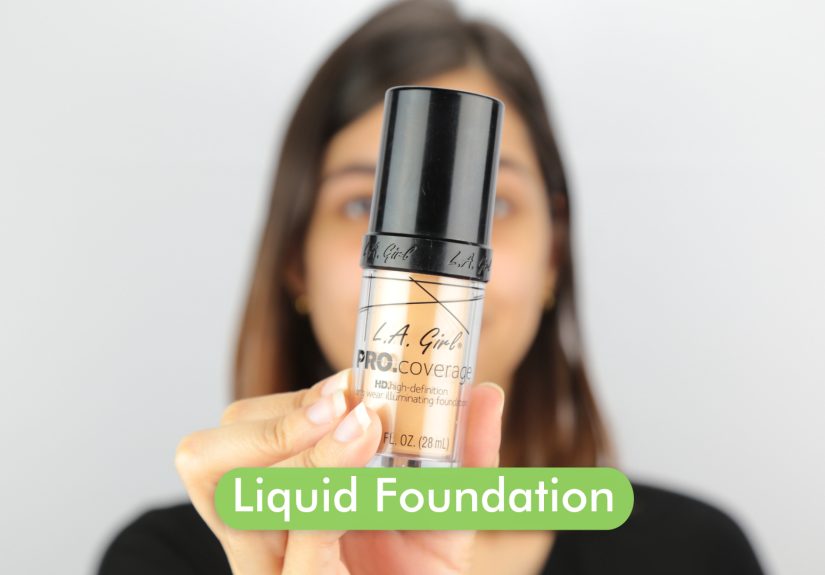
Foundation finishes that flatter dry skin
Dry skin typically looks best with dewy, radiant, satin, or “natural” finishes. Matte formulas can cling to flakes, emphasize texture, and make your face look like it’s starring in a “before” photo you did not consent to.
Look for words like hydrating, luminous, serum, radiant, or skin tint. If you love coverage, you can still get itbut you’ll want formulas that stay flexible instead of drying down hard.
Pro move: mix for comfort (without turning it into soup)
If your foundation is a touch too dry, mix a tiny amount with moisturizerespecially for winter or when your skin feels tight. This can soften the finish and reduce cling. Keep it minimal so it doesn’t sheer out beyond recognition.
Application tools that help dry skin
- Damp sponge: presses product into the skin for a smoother look.
- Dense foundation brush: good for coveragefollow with a sponge to melt edges.
- Fingers: your body heat helps blend, especially around the nose and chin.
Technique: thin layers, pressed in
The most common dry-skin mistake is applying one thick layer and trying to “fix it” by adding more. Instead: apply thin layers, press them in, and build only where needed. This avoids caking and helps the base look like skin.
Concealer on dry skin: less is more (and placement matters)
Heavy concealer under the eyes can crease and emphasize dryness. Try this:
- Use a hydrating concealer or a radiant formula.
- Apply tiny dots at the inner corner and where darkness is strongest (not a full under-eye paint job).
- Blend with a damp sponge, then let it sit for 20–30 seconds and gently tap again.
For dry spots around the mouth, avoid dragging product back and forth. Press and tapyour skin is not a scratch-off lottery ticket.
Step 4: Cream Products Are Your Best Friend (Blush, Bronzer, Highlighter)
Dry skin generally loves creams because they move with the skin and don’t sit on top like powder can. Cream blush and bronzer can look incredibly naturalespecially over a radiant foundation.
How to keep cream products from lifting your base
- Let foundation set for a minute before adding creams.
- Use a stippling brush or sponge and tap product in.
- Apply creams before any powder (if you use powder at all).
Highlighter: glow, not glitter
If texture is a concern, choose a highlighter with a smooth sheen instead of chunky sparkle. Place it on high points of the face: cheekbones, brow bone, and a tiny bit on the cupid’s bow. You want “healthy glow,” not “disco ball found a spotlight.”
Step 5: Setting Makeup on Dry Skin (Without Sucking the Life Out of It)
Powder: strategic use only
Powder isn’t the enemyoverpowdering is. If you need longevity, use a small amount where makeup creases or slides: under eyes (lightly), sides of the nose, chin, and maybe the center forehead. Skip powder on visibly dry patches.
Try the “press, don’t sweep” method
Sweeping can disturb base makeup and catch on flakes. Press powder in with a small brush or puff, then lightly dust off excess. For special events, you can “bake,” but dry skin usually looks best with a softer approach.
Setting spray: the melt-button for makeup
A hydrating or “finish-melting” spray can fuse layers so makeup looks less powdery and more skin-like. Bonus trick: lightly dampen a sponge with setting spray and press over areas that look drythis can smooth texture and refresh the finish.
Troubleshooting: Dry-Skin Makeup Problems (And Fixes That Actually Work)
Problem: Foundation is clinging to flakes
- Fix now: press a tiny bit of moisturizer onto the patch, wait 30 seconds, then tap foundation over it with a damp sponge.
- Fix next time: exfoliate gently, moisturize on damp skin, and use thinner foundation layers.
Problem: Pilling (little product balls)
- Fix now: stop rubbing. Gently brush away pills, then press a small amount of base back in.
- Fix next time: reduce layers, allow wait time between steps, and avoid mixing very oily products with very grippy primers.
Problem: Makeup looks cakey by midday
- Fix now: mist (lightly), wait a few seconds, then press with a damp sponge to re-meld layers.
- Fix next time: use less product, more hydration, and powder only where necessary.
Problem: Concealer creasing under eyes
- Fix now: tap out creases with a finger or sponge, then set with the tiniest amount of powder (or skip powder and use setting spray).
- Fix next time: use less concealer, focus placement, and pick a more hydrating formula.
A Dry-Skin Makeup Routine You Can Actually Follow
- Gentle cleanse (or rinse in the morning if you’re very dry).
- Hydrating serum (optional): glycerin/hyaluronic acid + something barrier-supporting.
- Moisturizer (on damp skin).
- SPF (give it time to set).
- Hydrating primer (thin layer, wait a minute).
- Foundation/skin tint (thin layers, press in).
- Concealer (minimal, targeted).
- Cream blush/bronzer (tap in).
- Powder (optional, strategic only).
- Setting spray (to unify and refresh).
If you want your routine to feel even easier, consider swapping full-coverage foundation for a skin tint on normal days and saving heavier base for events. Your skinand your mirrorwill thank you.
Extra Credit: Dry Skin, Sensitivity, and When to Call a Pro
If your “dry skin” includes cracking, bleeding, intense itch, burning, or persistent flaking, you might be dealing with eczema, contact dermatitis, or another conditionnot just dryness. In that case, makeup is still possible, but the priority is calming the skin barrier. Choose fragrance-free products and consider patch testing new formulas, especially if you flare easily.
If symptoms persist or worsen, a dermatologist can help you identify triggers and build a routine that supports your skin long-term. The best foundation in the world can’t outsmart an angry barrier.
Conclusion: Your Face Deserves Better Than “Make It Work”
The secret to applying makeup on dry skin isn’t a single miracle productit’s the system: gentle prep, barrier-friendly hydration, flexible formulas, and thin layers. When you treat your base like skincare’s glamorous cousin (not its chaotic roommate), your makeup looks smoother, wears longer, and feels comfortable.
And remember: if your skin is having a dry day, it’s not a personal failure. It’s just biology. Adjust your layers, add a little hydration, and carry onpreferably with a setting spray that doubles as emotional support.
Real-World Experiences: What Dry-Skin Makeup “Actually” Looks Like (And What People Learn)
Dry-skin makeup advice can sound perfect in theorylike everyone is calmly applying serum with spa music playing in the background. In reality, people are usually doing makeup in a hurry, in questionable lighting, while texting, with a cat trying to sit on the vanity. Here are a few common dry-skin makeup experiences people reportand what tends to help.
1) “My foundation looked great… until I got in the car.”
The car mirror is famously rude. People often notice patchiness or texture once they hit daylight, especially around the nose and mouth. The fix is rarely “more coverage.” More often, it’s less product and a better base. A thinner layer of foundation pressed in with a damp sponge usually looks more natural than a thicker layer buffed endlessly. Many also find that waiting an extra minute between moisturizer, primer, and foundation reduces separation later.
2) Winter weddings: “I looked matte in photos, but felt dry in real life.”
Cold air, indoor heat, and long wear time can turn even “normal” skin into dry skin. A common lesson: build a routine that’s hydrating but not slippery. People often do well with a richer moisturizer the night before, then a lighter (but still nourishing) moisturizer in the morning, plus a hydrating primer. For photos, a soft-satin finish often beats extreme dew (which can read shiny) and extreme matte (which can read flat and emphasize texture).
3) Office A/C: “My makeup didn’t meltit cracked.”
Air conditioning can dehydrate skin without you realizing it. Many people swear by a mid-day rescue kit: a hydrating mist or setting spray and a small sponge (or even clean fingertips). A light mist, wait a few seconds, then gentle pressing can “re-meld” makeup so it looks smooth again. The key is pressing, not rubbing. Rubbing is how you get patchy areas that look like they’re auditioning for a geology documentary.
4) Travel days: “Airplane skin is a different species.”
Flights and long travel days often bring out tightness and flaking. People who normally love powder frequently skip it on travel days, opting for cream blush and minimal concealer instead. A tinted moisturizer or skin tint can be more forgiving than a full foundation when humidity is low. Another common learning: fragrance-free, barrier-friendly products reduce the chance of irritation, especially when you’re already stressed and under-slept (aka peak “my skin is not cooperating” conditions).
5) The “new product regret” moment
Dry or sensitive skin can react fast to heavily fragranced or overly active products. A repeat lesson is to introduce new items one at a time and patch test when possible. If a new primer or foundation makes you sting or flake, it might not be “purging”it might be irritation. People often find their makeup improves most when they simplify: one gentle cleanser, one reliable moisturizer, one base product that works, and strategic setting. Boring? Yes. Effective? Also yes.
The big takeaway from these experiences is wonderfully unsexy: dry-skin makeup is a routine, not a rescue mission. When hydration and barrier support are consistent, makeup becomes easier, quicker, and less unpredictableso you can spend more time enjoying your look and less time negotiating with your cheekbones.