Table of Contents >> Show >> Hide
- The therapist behind the headline: what changed this time
- What LifeMD is (and what it isn’t)
- Why online weight loss programs can succeed when willpower doesn’t
- The medication piece: GLP-1s and “why I’m not hungry all the time”
- The mindset piece: why a therapist still needed support
- How fast is “healthy” weight loss, really?
- What to look for in any online weight loss program (LifeMD or otherwise)
- Making results stick: the unglamorous habits that actually work
- Who should be cautious (and who should avoid GLP-1 weight loss meds)
- So… did LifeMD “do it,” or did she?
- Experiences people share after starting an online program like LifeMD (about )
- Conclusion
If you’ve ever tried to “just be more disciplined” and somehow ended up more disciplined at ordering takeout, you’re not alone.
Weight loss is one of the few areas where the world still thinks a complex medical issue can be solved with a motivational quote and a
slightly aggressive water bottle.
That’s why one therapist’s story has been making the rounds: after years of trying every reasonable strategy (and a few unreasonable ones),
she says an online programLifeMDhelped her lose 67 pounds. Not because the internet sprinkled magic Wi-Fi dust on her metabolism, but because
the program combined three things many people never get at the same time: medical oversight, consistent follow-up, and a practical plan that
doesn’t rely on white-knuckling your way through life.
Let’s break down what actually happened, what LifeMD’s weight management program includes, why it may work for some people, what to watch out for,
and how to evaluate any online weight loss program without getting fooled by “before-and-after” photos shot in suspiciously different lighting.
The therapist behind the headline: what changed this time
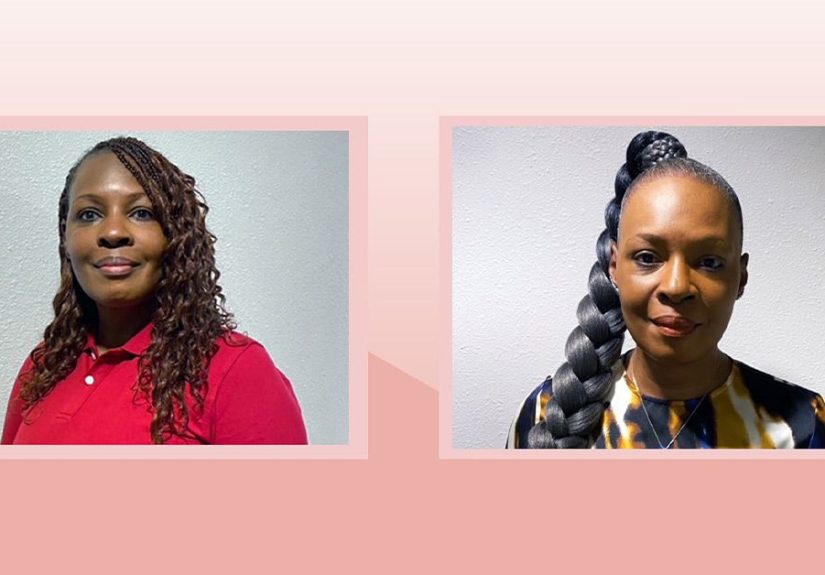
In a Healthline profile, therapist Debby Parker described maintaining a stable weight for yearsuntil perimenopause, life stress,
and shifting health markers collided. Over time, she tried a familiar list: “clean eating,” intermittent fasting, workouts, and diet
trends that promised the moon and delivered… a fridge full of half-used chia seeds.
Eventually, her concerns weren’t just about the scale. She reported weighing around 210 pounds in 2024 and living with
health issues such as high blood pressure, high cholesterol, and prediabetes. The emotional weight was heavy, too:
she described feeling worn down and scared about her healthan important reminder that weight struggles aren’t “vanity problems,”
they’re often quality-of-life problems.
Parker and her partner looked for structured support and landed on LifeMD, a virtual platform with a dedicated weight management program.
Through the program, she connected with a clinician and received a prescription for an anti-obesity medication (she reported using Mounjaro).
With consistent check-ins and adjustments, she said she lost 67 pounds by the end of 2024 and felt strongerphysically and mentally.
The interesting part isn’t just the number. It’s the “why now?” The story points to a combination approach: medication support plus
behavior change, plus accountability, plus someone adjusting the plan when side effects or real life showed upbecause real life always shows up.
What LifeMD is (and what it isn’t)
LifeMD is a membership-based telehealth platform. Translation: you’re not walking into a clinic; you’re meeting a healthcare professional online.
According to Healthline’s review, LifeMD offers general virtual care and a specific Weight Management Program that can include access to
FDA-approved GLP-1 medications if you qualify.
What the program typically includes
- Medical intake and eligibility screening: You fill out health history questions, and a clinician reviews whether medication-based weight management is appropriate.
- Lab testing and metabolic markers: Many structured programs use labs to tailor care and monitor safety.
- Ongoing clinical support: Regular follow-ups matterespecially with medications that may require dose adjustments.
- Behavior and lifestyle coaching: Not a “detox,” not a cleansethink sleep, stress, movement, and day-to-day habits.
What it is not
- Not an emergency service: Telehealth platforms generally aren’t designed for urgent, life-threatening situations.
- Not a guarantee: Even evidence-based tools don’t work the same way for everybody.
- Not “medication included” by default: Membership fees and medication costs are often separate, which can surprise people if the pricing isn’t clearly understood.
One practical detail: Healthline’s review notes that LifeMD’s Weight Management Program has a monthly starting price and that medication costs
are typically separate. That “separate cost” piece is where many people need to slow down, read carefully, and ask direct questions before joining.
Why online weight loss programs can succeed when willpower doesn’t
The human body is not a simple math equation where “eat less + move more” always behaves politely. Appetite hormones shift during weight loss,
cravings can intensify, sleep loss can spike hunger, stress can make your brain treat a cookie like emotional first aid, and certain medications or
life stages (including menopause transitions) can change weight regulation.
That’s why the most effective programs tend to be multi-component: nutrition changes, physical activity, behavior support,
andwhen appropriatemedication or other medical interventions. The U.S. Preventive Services Task Force recommends intensive,
multicomponent behavioral interventions for adults with obesity, which is basically a fancy way of saying:
“A real program beats a vibes-based plan.”
Online programs have a few built-in advantages
- Convenience (aka fewer excuses): If the appointment is on your phone, you don’t have to fight traffic and a parking garage to show up.
- Consistency: Regular check-ins can keep you engaged when motivation fadeswhich it will, right around day 19, like clockwork.
- Data and feedback: Labs, symptoms, and progress markers help shift decisions from “I guess?” to “We know.”
- Lower stigma for some people: Many people find it easier to ask for help virtually than face-to-face.
In Parker’s story, the program also used a whole-person framework that didn’t treat weight loss like it happens in a vacuum. LifeMD has described
a “6S” approach (sleep, sustenance, sweat, stillness/self-talk, stress management, and social interactions)which is refreshingly close to how
real life works. You can’t out-jog chronic insomnia, and no one has ever meal-prepped their way through burnout forever.
The medication piece: GLP-1s and “why I’m not hungry all the time”
GLP-1 medications (and dual GIP/GLP-1 medications like tirzepatide) are part of a newer era of obesity treatment. They work through hormones involved
in appetite regulation and blood sugar controlhelping many people feel fuller sooner and think less about food between meals.
In plain English: for some patients, these medications turn down the volume on constant hunger and cravings. Not to zero. Not to “I forgot food exists.”
More like: “Oh, that’s what normal feels like.”
Mounjaro vs. Zepbound vs. Wegovy: what’s the difference?
- Mounjaro is a brand name for tirzepatide that was first approved for type 2 diabetes, though it is commonly discussed in weight-management contexts when prescribed appropriately.
- Zepbound is tirzepatide specifically labeled for chronic weight management in eligible adults, used alongside reduced-calorie diet and increased physical activity.
- Wegovy is semaglutide labeled for chronic weight management in eligible adults, also paired with lifestyle changes.
These are prescription medications with real benefitsand real risks. FDA labeling includes important warnings,
and clinicians typically screen for contraindications and monitor side effects.
Side effects: the part nobody puts in the glow-up montage
Many people experience gastrointestinal side effects, especially during dose escalation: nausea, constipation, diarrhea,
or stomach discomfort are common. More serious side effects are rare, but they matter. This is exactly why clinician follow-up is not optional.
In Parker’s profile, she described early side effects and working with her LifeMD clinician to adjust the plan. That’s a key takeaway:
the goal isn’t to “tough it out.” The goal is to find a safe, tolerable approach that supports long-term health.
The mindset piece: why a therapist still needed support
Here’s the most relatable twist: even a therapistsomeone trained to help other people reframe thoughtscan get trapped in brutal self-talk.
That’s not hypocrisy. That’s being human.
Sustainable weight loss is rarely a single decision. It’s hundreds of small decisions, repeated while tired, stressed, busy, bored,
celebrating, grieving, traveling, and living. Programs that address self-talk and stress don’t just sound nicethey can be the difference between
“I had one off day, so I’m a failure” and “I had one off day, so I’m a person who will try again tomorrow.”
In many evidence-based weight loss programs, behavior change strategies are the backbone: realistic goals, tracking that doesn’t become obsessive,
planning for high-risk situations, and building routines that survive the chaos of real life.
How fast is “healthy” weight loss, really?
When you hear “67 pounds,” it’s tempting to focus on speed. But steady progress is usually the safest and most maintainable.
Public health guidance often points to gradual lossabout 1 to 2 pounds per weekas a pace that’s more likely to stick long-term.
That doesn’t mean everyone will lose at that rate, or that weight loss should be the only goal. Many people see meaningful health improvements
with modest weight reductions (often discussed as a 5–10% change) alongside better sleep, activity, nutrition quality, and stress management.
What to look for in any online weight loss program (LifeMD or otherwise)
Online weight loss programs range from “legit medical care” to “a PDF and a prayer.” Here’s a checklist that helps you separate the two.
1) Real clinicians and real follow-ups
Look for licensed medical providers, clear communication channels, and a plan for follow-up visitsespecially if medication is involved.
If you can’t tell who is responsible for your care, that’s a problem.
2) Clear pricing (including what’s not included)
Many programs have a membership fee, while labs, visits, and medication costs may be additional. Transparent pricing isn’t just niceit’s
essential for long-term adherence. Unexpected costs are a fast track to quitting.
3) FDA-approved medications and safe sourcing
If you’re being offered “mystery semaglutide” with unclear sourcing, rundon’t walk. A reputable program will talk openly about FDA-approved options,
safety, and who should avoid certain medications.
4) A lifestyle plan that doesn’t insult your intelligence
The best programs don’t sell you a “secret.” They help you build repeatable habits: regular meals, enough protein and fiber,
movement you can maintain, and realistic planning for holidays, stress, and travel.
5) Respect and stigma-free care
Obesity is widely recognized as a complex, chronic condition influenced by biology, environment, and behavior.
A program that shames you is not a health programit’s a guilt subscription.
Making results stick: the unglamorous habits that actually work
Medication can help, but it’s not a substitute for basics. The “boring” habits are the ones that protect your progress
when motivation takes a long weekend.
- Sleep: Poor sleep can increase appetite and make workouts and meal planning harder to follow through on.
- Strength training and movement: Building or maintaining muscle supports function, metabolism, and long-term health.
- Nutrition quality: Even with reduced appetite, you still need nutrient-dense foodespecially protein, produce, and hydration.
- Stress management: Stress doesn’t just affect mood; it affects decisions, sleep, and eating behavior.
- Social support: Whether it’s family, friends, or a clinician who actually follows upsupport is a multiplier.
If you’ve ever thought, “I know what to do, I just can’t do it consistently,” you’re describing the gap that structured programs aim to fill.
The best ones don’t just tell you what to dothey help you keep doing it when your brain is tired and your schedule is rude.
Who should be cautious (and who should avoid GLP-1 weight loss meds)
Weight loss medications are not for everyone. Clinicians often use medical history to evaluate riskespecially for people with certain thyroid conditions,
prior pancreatitis, gallbladder disease, kidney concerns, or those who are pregnant or planning pregnancy. FDA labeling includes specific warnings and
contraindications, and a reputable program should walk through them clearly.
Also important: these medications are generally studied and approved for adults meeting certain criteria.
If you’re a teen or still growing, weight and health goals should be discussed with a pediatric clinician who understands growth and development.
So… did LifeMD “do it,” or did she?
The honest answer is: both. Parker’s story suggests that LifeMD’s structure (clinician access, medication support, follow-up, and a whole-person framework)
helped her do what she’d been trying to do for yearswithout feeling like she was fighting her biology alone.
But the deeper takeaway isn’t “join this one program.” It’s that evidence-based obesity care often looks like this:
medical evaluation + behavioral support + consistent monitoring + kindness toward yourself when progress isn’t linear.
If you’re considering an online weight loss program, use the checklist above, ask blunt questions about costs and medication sourcing,
and choose a plan that treats you like a whole personnot a “before” photo waiting to happen.
Experiences people share after starting an online program like LifeMD (about )
When people talk about online weight loss programsespecially ones that include GLP-1 medicationsthe most common surprise is how normal the process feels.
Not glamorous. Not cinematic. More like: “Huh… I’m making calmer decisions and I didn’t realize how loud food noise used to be.”
That “food noise” phrase shows up a lot: the constant background chatter of cravings, planning snacks, thinking about dinner at 10 a.m.,
and negotiating with yourself every time you pass a drive-thru. Many patients say the biggest early change is that the chatter quiets down,
which frees up mental space for everything elsework, family, hobbies, sleep.
In the first few weeks, people often describe a learning curve. Appetite changes can be real, but so can side effects.
Some report nausea if they eat too fast, choose very rich foods, or forget hydration. Others say constipation becomes their unexpected new hobby
(the hobby nobody asked for). The most positive experiences tend to come from programs that treat side effects as a solvable problem:
they adjust the pace of dose changes, discuss what to eat when your stomach feels sensitive, and encourage patients to communicate early
instead of suffering in silence. In other words, the “program” isn’t just the medicationit’s the follow-up.
Another common experience is the shift from “all-or-nothing” thinking to “small wins” thinking. People describe celebrating
boring victories: packing a snack for a long meeting, choosing protein at breakfast, walking 10 minutes after dinner,
or logging off earlier so sleep doesn’t get bulldozed by doom-scrolling. These small wins feel almost too ordinary to matter
until you stack them for a few months and realize you’re living differently.
Many people also report that telehealth support reduces friction. You can message questions instead of waiting three months for a clinic visit.
You can troubleshoot plateaus with a clinician instead of blaming yourself. And you can see health markers changeblood pressure, glucose, cholesterol
which helps shift the goal from “I want to look different” to “I want to function better.” That’s an important emotional upgrade:
it’s easier to maintain habits when they’re tied to energy, mobility, and long-term healthnot punishment.
Social situations can be a mixed bag. Some people love that restaurant portions suddenly feel manageable.
Others feel awkward when friends push food or make comments like “You’re barely eating!” A lot of people say they had to practice scripts:
“I’m good, thanks,” “I’m focusing on my health,” or the classic, “My stomach says no, but my heart appreciates the offer.”
Programs that address social supportpartners, friends, family, even online communitiesoften help people stay steady without becoming isolated.
Finally, there’s the identity shift. People describe waking up and realizing they trust themselves more.
Not because they were “perfect,” but because they were consistent and supported. That’s what the best experiences seem to share:
the feeling that you’re no longer trying to out-willpower your own biologyyou’re working with a plan that fits your life.
Conclusion
“Therapist loses 67 pounds with an online program” sounds like a headline built for clicks. But inside the story is a grounded message:
weight management is more effective when it’s treated as healthcarenot a character test.
For people who qualify, clinician-guided telehealth programs like LifeMD can combine medical tools (including GLP-1 medications)
with behavioral support, monitoring, and stigma-free coaching. The best outcome isn’t just weight lossit’s feeling stronger,
safer in your health, and more in control of your daily life.