Table of Contents >> Show >> Hide
If your cart keeps mysteriously filling itself with plants every time you “just swing by” the garden center, welcome you’re among friends. The good news is you don’t have to go broke to build a gorgeous garden. Right now is one of the best times to hunt for plant bargains, from clearance perennials to discounted bulbs and houseplant deals that show up on your doorstep looking surprisingly fabulous.
This guide walks you through the smartest plant bargains to grab now, where to find them, and how to avoid bringing home future compost. Think of it as your frugal gardener’s playbook: more blooms, less buyer’s remorse.
Why Right Now Is Prime Time for Plant Bargains
Garden centers and nurseries run on cycles. As the main flush of the growing season passes, stores need to clear space for seasonal stock, holiday décor, and next year’s inventory. That’s your moment.
Late season and shoulder seasons (end of summer into fall, and late winter into early spring) are often when you’ll find:
- Deep markdowns on perennials, shrubs, and trees that didn’t sell earlier.
- Discounted bulbs that need to move before they dry out.
- Houseplant promotions around big sales events like Black Friday, New Year refresh, and early spring “green up your home” campaigns.
Retailers would rather sell plants at 30–75% off than throw them out. If you’re willing to look past a few yellow leaves or a slightly leggy stem, you can score tough plants that will bounce back once they’re in the ground or in a better pot.
The Best Plant Bargains to Snap Up Now
1. Perennials and Shrubs on Clearance
Perennials and shrubs are the long-term MVPs of your landscape. Even if they look tired in the pot, the root system is where the real value lies.
Great bargain candidates include:
- Hostas, daylilies, and echinacea that are done blooming but still have solid crowns.
- Flowering shrubs like hydrangeas, spirea, and roses that just need deadheading and better care.
- Evergreens and hedging plants that may be slightly root-bound but healthy.
Once planted in your garden, these “meh” plants often leaf out and bloom beautifully next season. For the price of one full-price specimen, you might walk away with three or four clearance plants that will fill your borders for years.
2. Bulbs and Bare-Root Plants
If you’re shopping late in the bulb season, you’re in luck. Bulbs like tulips, daffodils, crocus, alliums, and dahlias frequently go on sale as retailers try to clear shelves. As long as the bulbs are still firm (not squishy or moldy), they’re usually a safe bet.
Bare-root plants roses, berries, fruit trees, peonies, and some perennials are also often cheaper than potted versions. They look unimpressive in a plastic bag, but they establish quickly if you plant them promptly and keep them watered.
What to check:
- Bulbs should feel firm and heavy for their size.
- Bare-root plants should have plump, flexible roots, not brittle or blackened ones.
- Packaging shouldn’t be dripping wet or moldy.
3. Annuals at the End of the Season
Annuals are one-season wonders, but they can still be worth grabbing on sale, especially if you have bare spots to fill for the rest of the year or you live in a warm climate with a long growing season.
Good deals include:
- Six-packs of bedding plants where only one or two cells have failed.
- Hanging baskets and mixed planters that can be divided into multiple pots.
- Heat-tolerant annuals like vinca, marigolds, and zinnias that keep going even in late summer.
Even if annuals only give you a few more months of color, buying them for pennies on the dollar can still be a great bargain especially for containers, rental properties, or quick curb appeal.
4. Houseplants and Indoor Jungle Deals
Indoor plant sellers often run aggressive promotions. Look for:
- Site-wide percentage-off sales during holiday weekends and seasonal events.
- Sale sections where overstock or less-than-perfect plants are discounted.
- Bundles or mystery boxes that offer multiple plants at a lower per-plant price.
Bargain picks typically include easy-care favorites like pothos, snake plants, peace lilies, and philodendrons. These bounce back from minor cosmetic flaws quickly once they’re in stable light and watering conditions at home.
Where to Find the Best Plant Deals
1. Local Nurseries and Independent Garden Centers
Independent nurseries often have the healthiest plants and knowledgeable staff and they still run excellent sales when seasons shift. Look for:
- Clearance benches and “ugly plant” tables tucked in a corner.
- End-of-season blowouts on perennials, shrubs, and trees.
- Customer appreciation days and email subscriber coupons.
A midweek visit can pay off. Deliveries often arrive during the week, and you’ll get first pick of any discounted or newly marked-down plants before the weekend crowd finds them.
2. Big-Box Stores and Warehouse Clubs
Home improvement stores and big-box chains can be surprisingly rich hunting grounds for plant bargains if you know when to go.
Pro tips for these stores:
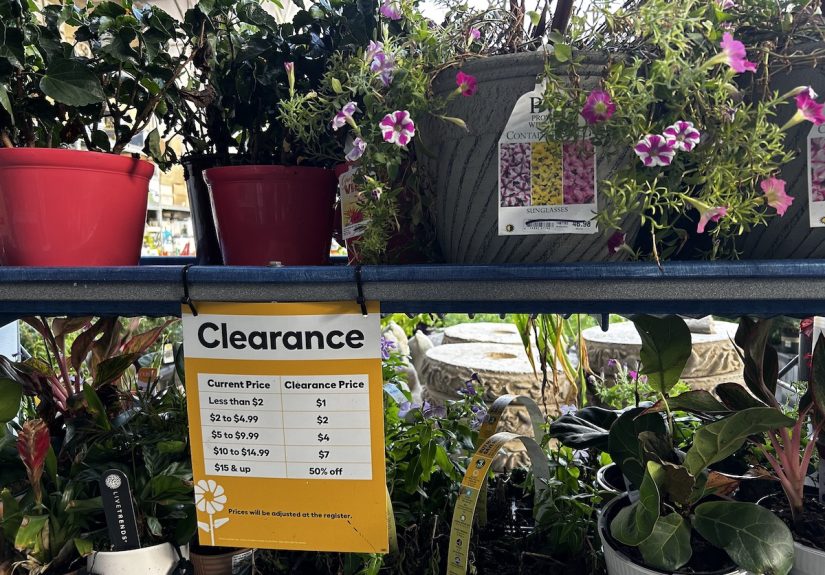
- Check clearance carts or back corners of the garden center for heavily marked-down plants.
- Visit after heat waves, storms, or seasonal transitions when inventory is stressed and managers are eager to clear space.
- Look for tags with multiple markdown stickers; sometimes plants have been reduced more than once.
Many of these stores offer plant guarantees, so as long as you follow their rules and keep your receipt, your discounted plants may even be covered if they fail shortly after purchase.
3. Online Nurseries and Plant Sale Sections
Online nurseries and direct-from-grower shops almost always have a dedicated “sale” or “clearance” section. This is where you’ll find overstock, last-of-a-batch varieties, and seasonal promotions.
Look out for:
- Discounted collections of perennials, shrubs, or bulbs.
- Advance-sale deals if you’re willing to order now and receive your plants in the appropriate planting window.
- Free shipping thresholds or bonus plant offers when your order reaches a certain amount.
Because plants are perishable, online retailers would rather sell at a lower margin than throw out stock which is exactly where your bargain-hunting pays off.
How to Tell a True Bargain from Future Compost
Not every clearance plant is a deal. A $2 shrub that dies in two weeks is still a waste of money (and time, and emotional energy). A little inspection goes a long way.
Check the Roots First
Gently slide the plant out of its pot if you’re allowed to:
- Good sign: White or light tan roots, evenly distributed, circling only slightly.
- Bad sign: Mushy, dark, or foul-smelling roots; roots so tightly wound that it’s a solid mass.
Root-bound plants can often be saved by teasing the roots apart and root-pruning, but mushy or rotten roots are a red flag.
Ignore Superficial Cosmetic Flaws
Don’t let a few brown leaves scare you away. Cosmetic issues you can safely overlook include:
- Spent blooms that just need deadheading.
- Minor yellowing on older leaves.
- A bit of legginess that can be pruned back after planting.
Plants are under a lot of stress in pots, particularly in hot parking lots or crowded greenhouse benches. Once in your garden soil, many will shoot out new growth quickly.
Walk Away from Pests and Diseases
Bargains are not worth bringing home trouble. Avoid plants with:
- Sticky residue, webs, or clusters of insects under leaves.
- Large black lesions, fuzzy mold, or spreading spots on stems and foliage.
- Wilting that doesn’t improve even when the soil is moist.
At home, quarantine any clearance plant for a week or two away from your established garden or houseplants. It’s a cheap insurance policy against hitchhiking pests.
Smart Strategies to Stretch Your Plant Budget
1. Buy Small Plants, Think Big Results
Smaller pots nearly always cost less, and many perennials and shrubs catch up with larger specimens within a couple of seasons. Instead of one large shrub, consider buying two or three smaller ones in smaller containers.
Yes, instant landscape is tempting. But if you’re patient, the “buy small, grow big” approach can reduce your plant budget dramatically.
2. Divide and Multiply Your Finds
Perennials that form clumps like hostas, sedums, daylilies, and ornamental grasses can often be divided right away or the following season. One discounted plant can turn into three or four, letting you repeat color and texture throughout your beds.
3. Start Some Plants from Seed
Seeds are the ultimate bargain. While you may want to splurge on certain structural plants and shrubs, you can fill in around them with inexpensive seed-grown annuals and edibles.
Good candidates for seed-starting include:
- Sunflowers, zinnias, and cosmos for quick color.
- Herbs like basil, cilantro, and parsley.
- Leafy greens and easy vegetables like radishes or bush beans.
4. Swap, Share, and Join Local Plant Communities
Some of the very best plant bargains are completely free. Many communities host plant swaps in spring or fall, and local gardening groups often trade divisions, cuttings, and seeds.
You can offer extra seedlings or divided perennials, and come home with new varieties you’ve never tried all for the price of showing up and talking plants for an hour.
5. Invest in the Soil First
Here’s a not-so-secret secret: plants in healthy, well-prepared soil perform better, so you can safely buy smaller or slightly stressed plants and nurse them back to greatness. Compost, organic matter, and proper watering are the backbone of every “miracle recovery” bargain-plant story.
Instead of paying for the biggest, fluffiest plant on the bench, invest in improving your soil and drainage. Your discounted plants will thank you with lush growth.
500 Extra Words of Real-World Plant-Bargain Experience
Every bargain gardener has a story usually told while standing over a bed of thriving plants that “used to be $1 on the clearance rack.” Here are some lived-in lessons from people who have chased plant deals season after season.
The “Ugly Duckling” Effect Is Real
One of the most common experiences is buying something that looks, frankly, pathetic a floppy perennial, a rose with no flowers, a hydrangea with more brown than green. A season or two later, it’s the star of the border.
The turning point usually isn’t magic; it’s basic care that’s hard to provide in a crowded retail bench:
- Getting roots out of cramped containers and into real soil.
- Watering deeply and consistently instead of random hose blasts.
- Providing light that matches the plant’s actual needs, not where the store had room.
Many gardeners look back and realize their best-looking plants today weren’t the glossy full-price specimens they were the underdogs they took a chance on.
Learn Your Personal “Nope” List
Experience also teaches where to draw the line. After a few seasons of trial and error, most bargain hunters develop a personal “never again” list, such as:
- Plants with visible insects or sticky residue, no matter how cheap.
- Anything with stems turning black at the base.
- Annuals that are already completely spent late in the season.
This doesn’t come from theory; it comes from dragging home a cart of “deals” that all ended up in the trash. Consider that tuition you paid for the lesson, so you might as well honor it.
Timing Really Is Everything
Over time, you’ll notice patterns. Maybe your local nursery does markdowns on Thursdays before the weekend, or your home improvement store slashes prices right after a heatwave. Gardeners who consistently score the best bargains often aren’t “lucky” they’re observant.
Keep mental notes (or literal ones) about:
- When each store tends to rotate stock.
- Which shops have the best clearance policies or guarantees.
- Where staff are happy to answer questions and quietly point out the best deals.
After a season or two, you’ll know exactly where to go when you have $20 and a trunk that’s suspiciously empty.
Think in Layers, Not Individual Plants
Another shift that comes with experience is thinking in terms of garden layers instead of individual “hero plants.” Bargain hunters often build their gardens like this:
- Use discounted shrubs and perennials as structural bones.
- Fill in with seed-grown or bargain annuals for color.
- Add bulbs and groundcovers from sale bins to tie everything together.
When you think in layers, it matters less whether one plant is perfect. The overall effect of mixed textures, heights, and colors creates a lush, intentional look even if half the plants started out on clearance.
Accept That a Few Bargains Will Fail
Even the most careful bargain shopper loses a plant now and then. Maybe the roots were more damaged than they looked, or a heatwave hit right after planting. It happens, and it doesn’t mean you “can’t grow anything.”
A healthy mindset is to treat clearance plants like low-risk experiments. If they thrive, fantastic. If they don’t, you’ve invested a few dollars and gained information about what works in your conditions.
Over time, your success rate improves, your garden fills in, and you develop the kind of quiet confidence that makes other people ask, “How on earth did you afford all this?” You can smile, shrug, and say, “Oh, these? Just a few little plant bargains I picked up.”
Right now is the perfect time to start that story. Grab your cart, your budget, and maybe a friend who will gently stop you at the fifth hydrangea and go see what treasures are hiding in the sale section.