Table of Contents >> Show >> Hide
- From Electric Pen to Tattoo Machine: A Quick Origin Story
- Coil vs. Rotary vs. Pen: Different Machines, Same Mission
- What Slow Motion Reveals About Tattoo Needles
- Under the Skin: How Ink Becomes Permanent
- Why Slow Motion Makes Tattoo Machines Look So Intense
- Safety First: What You Don’t See in the Slow-Mo Clips
- Why Tattoo Machines Sound and Feel the Way They Do
- Choosing a Tattoo Artist in the Age of Slow-Mo Videos
- of Real-World Experience: What It’s Like to See Tattoo Machines in Action
- Conclusion: The Beauty Behind the Buzz
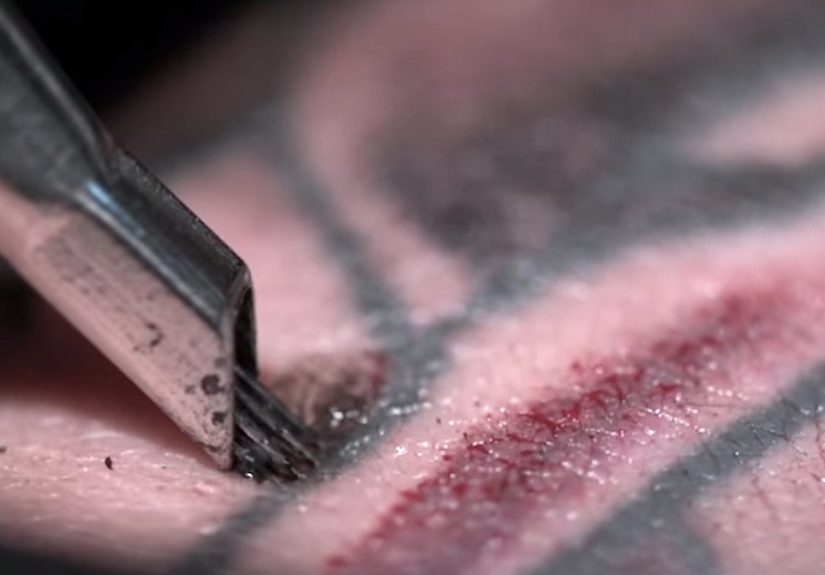
If you’ve ever watched a tattoo being done up close, you know it looks fast, loud, and a little mysterious. Blink, and the needle has already zipped in and out of the skin dozens of times. That’s why slow-motion footage of a tattoo machine at work like the viral clips shared by Bored Panda and creators such as Smarter Every Day feels so strangely hypnotic. The blur turns into individual strikes, ink droplets hang in the air, and you can finally see how this buzzing little machine actually builds permanent art one microscopic dot at a time.
Underneath that blur of motion is a surprisingly elegant mix of engineering, physics, and human skill. Let’s hit pause, zoom way in, and walk through how tattoo machines work in slow motion, what’s really happening under the skin, and why good technique and strict hygiene matter just as much as a cool design.
From Electric Pen to Tattoo Machine: A Quick Origin Story
The modern tattoo machine has deep roots in invention and tinkering. In the late 1800s, Thomas Edison patented an electric “stencil pen” designed to punch holes in paper so ink could be rolled through and duplicate documents could be made. It wasn’t meant for skin at all but it had the key idea: a motor rapidly moving a needle up and down.
Samuel O’Reilly, a New York tattooer, saw the potential. In 1891, he adapted the electric pen concept and patented one of the first electric tattoo machines, adding a tube and needle system so ink could be stored and delivered into the skin. A few years later, inventors in London refined the design further with electromagnetic coils and a metal armature bar, creating the basic coil machine layout many artists still use today.
Fast-forward to the present and the basic idea hasn’t changed: a compact device drives a needle rapidly in and out of the skin, depositing tiny amounts of pigment at a consistent depth. What has changed is the variety of machines, the precision of components, and our understanding of safety and technique.
Coil vs. Rotary vs. Pen: Different Machines, Same Mission
When you watch slow-motion tattoo videos, you’re usually seeing one of three main machine styles:
1. Coil Tattoo Machines
Coil machines are the OG of modern tattooing the classic “buzzing” devices most people picture. They use one or two electromagnetic coils to pull a small metal bar (the armature bar) down when electricity flows through them. When the circuit breaks, a spring snaps the bar back up. This rapid up-and-down movement drives the needle.
Coil machines are often specialized:
- Liner machines are tuned to hit quickly and crisply for sharp outlines.
- Shader or color packer machines are tuned a bit softer and slower to build smooth shading and solid color without shredding the skin.
In slow motion, coil machines look like tiny jackhammers: the armature bar snaps down, the needles strike, ink is pulled into the channels in the needle grouping, and then the needles retreat so the skin can close around the pigment.
2. Rotary Tattoo Machines
Rotary machines ditch the coils and use a small electric motor instead. The motor spins a cam or wheel that converts circular motion into linear motion, driving the needle up and down more smoothly.
Because they vibrate less and are often lighter, rotaries are popular with artists who want less strain on their hands and a quieter session for clients. Many rotary and “pen-style” machines can handle both lining and shading just by changing needle configurations and adjusting stroke or voltage.
3. Pneumatic and Pen-Style Machines
A smaller niche uses pneumatic machines powered by compressed air, or sleek pen-style bodies that house the motor in a long, pen-like barrel. Pneumatic machines can be sterilized more easily because the entire body can often go into an autoclave.
In slow motion, pen machines are especially satisfying to watch: the needle emerges from a tidy cartridge tip, taps the skin dozens of times per second, and retracts cleanly, almost like a high-tech sewing machine for pigment.
What Slow Motion Reveals About Tattoo Needles
If you imagine a single sewing needle going in and out of the skin, slow-motion footage quickly proves you wrong. Most professional tattoo work uses groupings of multiple tiny needles soldered together or packaged as cartridges.
Common groupings include:
- Round liners (RL): Needles arranged in a tight circle for crisp lines.
- Round shaders (RS): Similar circle but a bit more spread for softer lines and small shading.
- Magnums (M1, M2): Needles in a flat or staggered row for filling and gradients.
- Curved magnums (CM): A slightly arched row that’s gentler on the skin for smooth shading.
In slow motion, those groupings look like tiny rakes or combs. Instead of one dramatic stab, you see a flurry of tiny punctures that collectively create a smooth line or a cloud of color. Each pass deposits only a thin layer of pigment; multiple passes gradually build saturation.
Under the Skin: How Ink Becomes Permanent
The real magic happens beneath the surface. A tattoo machine doesn’t just scratch ink onto the skin like a marker it has to deliver pigment into the dermis, the middle layer of skin.
Here’s what’s happening during each microsecond of a needle strike:
- Contact: The needle group pierces the epidermis (outer layer) and reaches the dermis, usually at a depth of about 1–2 millimeters, depending on body location and technique.
- Delivery: Tiny channels in the needle group hold a film of ink. As the needles enter, they create micro-wounds and leave pigment behind.
- Capillary action: When the needles retract, the skin briefly forms a tiny cavity that fills with ink from the tube and surface.
- Healing response: The body sends immune cells to clean up the “damage.” Some pigment is carried away, but much of it becomes trapped in skin cells and connective tissue, forming the tattoo image visible through the epidermis.
Slow-motion shots of transparent “skin” models or ballistic gel make this process strangely beautiful: you can see the needle penetrate, the ink plume expand, and the pigment settle into layers that mimic real flesh.
Why Slow Motion Makes Tattoo Machines Look So Intense
Normally, a tattoo machine’s needle can hit the skin anywhere from about 50 to over 100 times per second. At that speed, your brain just hears a buzz and feels a stinging vibration. Slow motion changes everything:
- You see the violence and precision. What looks like gentle shading is actually thousands of controlled micro-wounds. It’s oddly reassuring to see that everything is deliberate, not random stabbing.
- You notice how much ink splashes around. In slow motion, ink droplets fly everywhere which is exactly why barrier film, gloves, and proper cleanup are mandatory in any reputable studio.
- You can judge technique. Experienced artists keep their hand steady, stretch the skin effectively, and maintain a consistent needle depth. Slow-mo exposes shaky hands and inconsistent passes instantly.
Watching these videos is like an x-ray of the process; you realize a good tattoo isn’t just about drawing skills, but also about machine tuning, hand control, and respect for how skin behaves.
Safety First: What You Don’t See in the Slow-Mo Clips
Those beautiful close-ups don’t always show the less glamorous side of tattooing: infection control and safety. Any time a needle breaks the skin, there’s a risk of transmitting bloodborne pathogens or causing bacterial, viral, or fungal infections if hygiene is sloppy.
Responsible studios treat their tattoo machines like medical instruments. That means:
- Single-use needles and cartridges: Opened in front of the client, used once, and disposed of in sharps containers.
- Proper sterilization: Any reusable parts that contact blood or body fluids must be sterilized in an autoclave or replaced with disposable versions.
- Barrier protection: Machine grips, clip cords, and power supplies are wrapped in plastic barriers to avoid contamination from ink and blood spatter.
- Gloves and hand hygiene: Artists wash their hands thoroughly, wear gloves, and change them any time they’re compromised.
- Licensed, inspected studios: Many regions require permits, regular inspections, and adherence to health department guidelines.
Slow-motion videos can make tattooing look like pure art and physics, but the best artists know it’s also healthcare. They’re managing trauma to your skin and protecting both you and themselves in the process.
Why Tattoo Machines Sound and Feel the Way They Do
Ever wondered why some machines roar like a tiny jackhammer while others hum quietly? Slow-motion and engineering explain that, too.
- Coil machines: The rapid switching of the electromagnetic coils and the snapping armature bar create that famous buzzing sound and stronger vibration. Many artists love the feedback because they can almost “hear” how the machine is hitting.
- Rotary and pen machines: These generally have a smoother, softer sound, more like a whir. The needle movement is more fluid, which can feel less aggressive to some clients and less fatiguing to artists.
From the client’s perspective, pain depends on more than just machine type. Needle grouping, technique, body placement, session length, and individual pain tolerance all play a role. Slow-motion footage helps explain why some areas feel sharper or “scratchier” it often comes down to how the needle grouping interacts with thinner or more sensitive skin.
Choosing a Tattoo Artist in the Age of Slow-Mo Videos
Watching slow-motion tattoo clips on Bored Panda or social media can make you want to book an appointment immediately. But before you volunteer your skin for science and art, it’s worth choosing your artist with care.
Look for:
- Clean, professional setup: Gloves, barriers, and single-use needles should be non-negotiable basics.
- Portfolio proof: Check healed tattoos, not just fresh ones. Good saturation, solid lines, and minimal blowouts say the artist is managing depth and machine control well.
- Clear communication: A good artist explains aftercare, talks through placement and size, and doesn’t rush you into a decision.
- Realistic expectations: If someone promises a full back piece in one painless hour, run.
In other words, the coolest slow-motion footage in the world means nothing if the artist doesn’t respect your body, your health, and your long-term satisfaction with the tattoo.
of Real-World Experience: What It’s Like to See Tattoo Machines in Action
Watching tattoo machines in slow motion online is one thing; seeing them used in a real studio is a completely different experience. Imagine walking into a shop for the first time. The air smells like disinfectant and green soap. There’s a low, constant hum from a rotary machine in the back room, and somewhere nearby a coil machine chirps with that distinctive buzz you recognize from every movie tattoo montage.
Depending on the studio, you might see a mix of machines laid out neatly on workstations a chunky brass coil liner, a sleek pen-style rotary, maybe a compact wireless machine that looks more like a thick marker than a tool covered in wires. The artist wraps each grip and cord in plastic, sets out sterile needles or cartridges, and lines up little ink caps like a tiny painter’s palette.
When the session starts, time does something strange. For you, seconds stretch as the needle approaches your skin. For the machine, everything is happening at high speed. If you could see it in slow motion like in those Bored Panda clips, you’d watch the needle move so quickly that each individual strike would look like a separate frame of animation: down, hit, ink, up, repeat. In real time, it just feels like a buzzing burn.
People who’ve sat for multiple tattoos often become connoisseurs of different machine “flavors.” A hard-hitting coil liner might feel intense but quick like getting stung repeatedly by an over-caffeinated bee. A rotary shader can feel more like a deep vibration, especially over fleshy areas like the thigh or upper arm. On bony spots, the sensation turns sharper, as the needle’s impact echoes against the bone underneath.
Slow-motion footage also helps explain why good artists are so serious about stretching the skin. When the skin is taut, the needle enters at a consistent depth, and the ink distributes evenly. When slow-motion cameras film a poorly stretched area, you can see the skin bouncing and wobbling under the needle, causing inconsistent lines, patchy color, and more trauma than necessary. It’s a visual reminder that what looks like a simple hand gesture pulling the skin tight is actually a major part of professional technique.
Another thing that stands out in real life is how much cleanup happens that you don’t notice in short online clips. Artists constantly wipe away excess ink, use disposable barriers, and change gloves if they touch anything outside the sterile field. They’re not just painting; they’re managing a tiny, controlled medical procedure. It’s not glamorous, but it’s the difference between a cool, well-healed tattoo and a regretful trip to the doctor.
For many people, watching slow-motion tattoo videos before their first appointment is weirdly comforting. Instead of imagining a terrifying needle drilling endlessly into the skin, they see the reality: fast, light, repeated taps forming a pattern. It’s still a little intimidating, sure, but it’s also fascinating. Knowing that the machine is designed to hit just deep enough not too shallow to fade, not too deep to scar can make the experience feel more controlled and less mysterious.
By the time your session is done, you’ve lived through your own “slow motion” memory: that first sting, the gradual numbness as your brain adjusts, the rhythm of the machine, and the final wipe revealing the finished piece. The next time you scroll past a Bored Panda post showing tattoo machines in slow motion, you won’t just think, “Wow, that looks cool.” You’ll think, “I know exactly what that feels like.”
And that’s the real magic: a combination of art, science, and engineering that turns a blur of needle strikes into something personal, permanent, and meaningful.
Conclusion: The Beauty Behind the Buzz
Slow-motion videos of tattoo machines peel back the curtain on a process that usually happens too fast to understand. They reveal electromagnetic coils snapping an armature bar, motors quietly driving cams, needle groupings raking the skin in microscopic patterns, and ink blooming beneath the surface all orchestrated by a human hand and guided by strict hygiene practices.
So the next time you see “This Is How Tattoo Machines Work In Slow Motion” pop up in your feed, remember: it’s not just an oddly satisfying clip. It’s a tiny window into an entire world of engineering, biology, craft, and creativity all compressed into that familiar buzz.