Table of Contents >> Show >> Hide
- The Costume That Stole the Floor at New York Comic Con
- Why This Mystique Costume Worked So Well
- Why Mystique Is Such a Powerful Cosplay Character
- Comic Con Is Built for This Kind of Brilliance
- The Real Secret: This Was Storytelling in a Single Frame
- What Viral Cosplay Reveals About Fandom Now
- Why People Still Remember This Mystique Look
- Related Experiences: What a Show-Stopping Mystique Costume Feels Like at Comic Con
Every Comic Con has at least one costume that makes people stop mid-stride, forget their snack line mission, and do the universal fan move: point, gasp, and immediately reach for a phone. In 2016, New York Comic Con got exactly that kind of moment when Rebecca Lindsay unveiled a Mystique cosplay so smart, so polished, and so perfectly timed that it exploded far beyond the convention floor. This was not just another blue-body-paint tribute to X-Men. It was a concept piece, a technical flex, and a reminder that great cosplay is really just visual storytelling wearing very uncomfortable shoes.
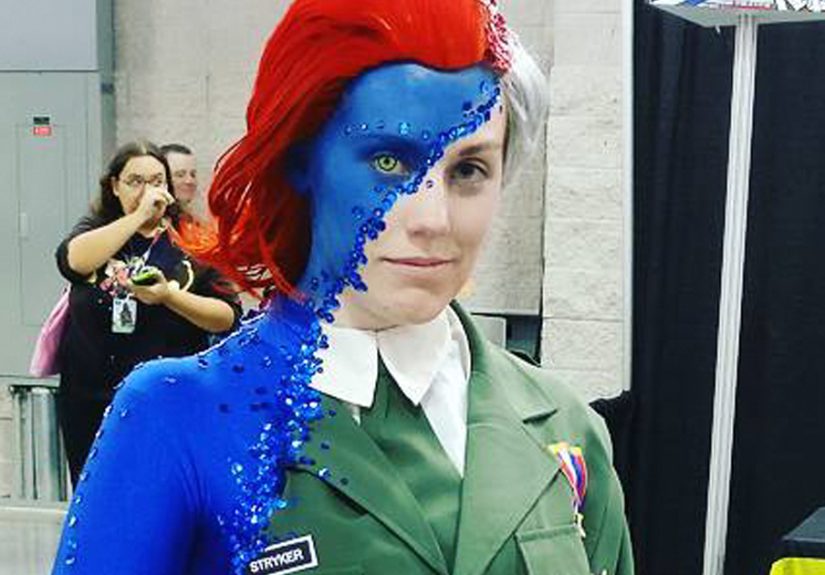
The costume went viral because it did what the best Comic Con looks always do: it turned a familiar character into a fresh surprise. Mystique is already one of Marvel’s most visually striking mutants, with her blue skin, red hair, and shape-shifting powers. But Lindsay’s version did not simply recreate the character. It froze Mystique in the middle of a transformation, splitting the look between her true blue form and a military disguise. That one design decision made the whole thing unforgettable. Suddenly, fans were not just seeing Mystique. They were seeing a story in motion.
And that is why this costume still gets talked about. It was funny, clever, cinematic, and wildly photogenic. In other words, it was built to win the convention floor and the internet at the same time.
The Costume That Stole the Floor at New York Comic Con
Rebecca Lindsay’s Mystique cosplay first caught major attention during New York Comic Con in October 2016. Once photographed by writer Jody Houser and shared online, the image spread across Instagram, Reddit, Imgur, and Twitter at warp speed. That kind of viral life usually belongs to movie trailers and celebrity mishaps, not necessarily a cosplay photo from the Javits Center. But this one had the right magic.
Part of the appeal was the sheer execution. Lindsay’s costume combined a green military uniform with a sparkling blue bodysuit to create the illusion that Mystique was halfway through transforming. The styling extended all the way up through the hair, where the red Mystique color blended against the more grounded military side of the look. It was the kind of costume that made you do a double take, then a triple take, then text your group chat: “You need to see this immediately.”
There was also a wonderfully DIY heart behind it. According to coverage of the costume’s creation, Lindsay used an army costume from eBay and a low-cost blue bodysuit, then modified the pieces with help from her mom. Sequins helped disguise seams, and even the wig was built through a practical, trial-and-error process involving two wigs sewn together and sprayed bright red. That homemade ingenuity is a huge part of the charm. This was not a studio effects department with a seven-figure budget and a trailer full of adhesives. This was fandom craftsmanship doing outrageous things with resourcefulness and nerve.
Why This Mystique Costume Worked So Well
It captured transformation, not just appearance
Anybody can copy a character’s final look. The truly memorable cosplays capture what makes that character feel alive. Mystique’s whole identity is transformation. She is not famous because she is blue. She is famous because she is never just one thing. Her entire presence is built around disguise, misdirection, and constant reinvention. By presenting Mystique mid-shift, Lindsay translated the character’s power into costume language. That is a much harder trick than simply recreating a poster image.
It was readable from across the room
Great convention cosplay has to work in motion, in crowded hallways, and under questionable lighting that makes everyone look like they are trapped inside a suspicious aquarium. This costume succeeded because the concept was instantly legible. Even if you did not catch every stitch or detail up close, you could still understand the joke and the drama from a distance. Blue mutant on one side, military disguise on the other, bright red hair slicing through the middle like a comic-book exclamation point. Clean idea. Strong silhouette. No notes.
It rewarded people who knew the character
For casual fans, it was a spectacular costume. For serious X-Men fans, it was even better. Mystique has spent decades in comics and on screen using disguises, infiltration, and identity shifts as part of her game. Marvel’s official character history leans hard into that shape-shifting, morally slippery persona, which is why a half-transformation design feels so true to her. It does not just look cool. It behaves like Mystique.
Why Mystique Is Such a Powerful Cosplay Character
Mystique has always been cosplay catnip for one simple reason: she is instantly recognizable. Blue skin. Red hair. Fierce posture. Zero interest in being subtle. Even people with only a passing knowledge of Marvel usually know exactly who she is. That matters at conventions, where visual clarity can turn a good costume into a crowd favorite.
There is also a cinematic legacy attached to the character that gives cosplayers a lot to play with. Rebecca Romijn’s version of Mystique in the early X-Men films became iconic partly because the makeup was so extreme. Entertainment Weekly reported that getting Romijn into the full look could take eight or nine hours a day, which tells you everything you need to know about how physically demanding a convincing Mystique can be. Later, Jennifer Lawrence’s younger version kept the character in the spotlight for a new generation of moviegoers. When a character crosses from comics into blockbuster film and stays visually distinct in both formats, cosplayers take notice.
But Mystique is more than a cosmetic challenge. She also offers range. A cosplayer can go comic-book accurate, movie-inspired, glamour-heavy, tactical, battle-damaged, oras Lindsay brilliantly provedconceptual. Mystique gives artists room to interpret. That freedom is gold at Comic Con, where originality often matters as much as accuracy.
Comic Con Is Built for This Kind of Brilliance
One reason this Mystique costume landed so hard is that Comic Con culture actively celebrates this level of craft. Official New York Comic Con materials describe cosplay as a way for fans to express creativity, passion, and connection to the characters they love. The event’s Cosplay Central programming emphasizes community, craftsmanship, and stage-worthy construction. That is not background noise. That is the ecosystem that helps a costume like this thrive.
Meanwhile, Comic-Con’s long-running Masquerade tradition has always put a premium on creativity and workmanship over buying power. That philosophy matters. The best cosplay scenes are not built on who spent the most money. They are built on imagination, construction, performance, and attention to detail. Lindsay’s Mystique tapped directly into that spirit. It looked expensive, but its genius was creative design, not luxury materials.
That same convention culture also explains why the internet responded so quickly. Comic Con audiences are trained to spot effort. They know when a costume is clever. They know when a build tells a story. And when something really works, they become a human amplifier system. One person snaps a photo. Another shares it. Then someone posts it with a caption like “best Mystique cosplay ever,” and suddenly the whole internet is nodding in aggressive agreement.
The Real Secret: This Was Storytelling in a Single Frame
What made this Mystique costume stronger than a standard screen-accurate recreation was narrative tension. It looked like a freeze-frame pulled from an action sequence. Was Mystique changing into disguise? Dropping the disguise? Caught halfway? That ambiguity made the image more cinematic. It invited viewers to fill in the rest.
That is why the costume had legs online. People love photos that imply a bigger story, and this one did that instantly. It also helped that the design balanced realism and exaggeration. The military side grounded the costume in something familiar and plausible. The blue side delivered the fantasy. Together, they created a contrast that was both visually sharp and emotionally fun.
In a way, the costume perfectly mirrored what cosplay itself does. It sits between reality and fiction. It is part tailoring, part illusion, part performance, and part fan love letter. This Mystique look did not merely reference that idea. It embodied it.
What Viral Cosplay Reveals About Fandom Now
Fandom today is not passive. People do not just watch movies, collect posters, and argue online about ranking lists they know are wrong. They participate. They build. They reinterpret. They turn admiration into craft. Cosplay is one of the clearest forms of that participation because it asks fans to learn real-world skills in order to celebrate imaginary worlds.
That is why costumes like this resonate beyond the convention crowd. Even people who do not sew, paint, sculpt, or attend cons can recognize the labor involved. They understand the ambition. The finished costume becomes proof that fandom can produce genuine artistry. A brilliant build is not just merch with better posture. It is an act of creation.
ComicBook’s recent cosplay coverage highlights how much modern cosplay is judged on creativity, craftsmanship, and presentation. That standard helps explain why Lindsay’s Mystique remains memorable years later. It did not go viral because it was revealing, flashy, or weird for the sake of weird. It went viral because it was smart. Fans respect smart.
Why People Still Remember This Mystique Look
Internet fame is usually about as durable as convention coffee, which is to say not very. Yet this costume stuck around in cosplay conversations because it nailed three things at once: concept, execution, and character truth. Strip away any one of those, and it is merely nice. Put all three together, and it becomes iconic.
It also benefited from perfect subject matter. Mystique is a shape-shifter, which means fans are already primed to expect visual surprise. Rebecca Lindsay’s design gave them exactly that surprise, packaged in a costume that felt handmade, imaginative, and deeply rooted in the source material. It was the cosplay version of a great movie scene: instantly understandable, technically impressive, and fun enough to revisit.
Most importantly, it captured the thing people love most about Comic Con. Beneath the commercial spectacle, the panels, the exclusives, and the impossible snack prices, conventions are still places where fandom becomes visible. A costume like this reminds everyone why that matters. It turns admiration into a public art form. It transforms a hallway into a stage. And, in rare cases, it completely blues everyone away.
Related Experiences: What a Show-Stopping Mystique Costume Feels Like at Comic Con
Seeing a costume like this in person is a very different experience from seeing it online. On your screen, it is a cool image. On the convention floor, it becomes an event. You notice the way the crowd changes shape around it. People slow down. Some smile instantly because they recognize Mystique. Others do that confused-but-impressed face that says, “I may not fully get the reference, but I know I am looking at someone who has been through a heroic amount of effort.”
For the person wearing the costume, the experience is usually equal parts triumph and endurance sport. A high-concept build means planning how to move through crowds, how to stand for photos, how to sit without destroying your own hard work, and how to survive several hours while wearing something that was not designed by nature, comfort, or common sense. Mystique-themed looks add another layer because blue makeup, body coverage, wigs, and detailed seams can turn getting ready into a full production. There is often a repair kit nearby, a helper on standby, and a private prayer that no one spills soda within a ten-foot radius.
Then come the photo requests. Lots of them. The best convention etiquette matters here. Fans are supposed to ask before taking close-up photos, keep interactions brief, and never touch the costume without permission. That matters even more with a build like Mystique, where every piece may be carefully placed and more fragile than it looks. What seems like a harmless pat on the shoulder can be the beginning of a small, sparkly tragedy.
There is also a strange emotional side to wearing a costume people love. The reactions can be energizing. Compliments from strangers feel great, especially when they praise the craftsmanship instead of making the whole interaction weird. Good convention culture recognizes that cosplayers are real people, not props, not performers on command, and definitely not public furniture. When people respond with respect, the whole room gets better.
And for onlookers, these moments become some of the most memorable parts of Comic Con. You might forget which booth gave you a free postcard or which trailer played in Hall H, but you will remember the time a flawless Mystique walked by and made the entire aisle stop breathing for a second. That is the power of cosplay at its best. It creates a tiny burst of communal wonder. Hundreds of strangers see the same thing at once and silently agree: yes, this is exactly why we came.
That shared excitement is what keeps people returning to conventions year after year. Not just for celebrities or announcements, but for the chance to witness creativity in real time. A costume like Rebecca Lindsay’s Mystique does more than impress. It gives the crowd a story to carry home. And long after the badges are tossed in a drawer and the blisters have faded into history, that story is still blue, brilliant, and impossible to forget.