Table of Contents >> Show >> Hide
As the world grapples with climate change, energy security, and rising power demands, innovative solutions to power generation are more critical than ever. One promising solution gaining momentum in the United States is small modular reactors (SMRs), or tiny nuclear reactors. These reactors offer a fresh approach to nuclear energy, boasting the potential to revolutionize America’s energy grid and help meet growing energy demands. But how do these compact nuclear powerhouses stack up against traditional large-scale reactors and other renewable energy sources? Let’s take a closer look at why tiny nuclear reactors might be the key to a sustainable energy future.
What Are Tiny Nuclear Reactors?
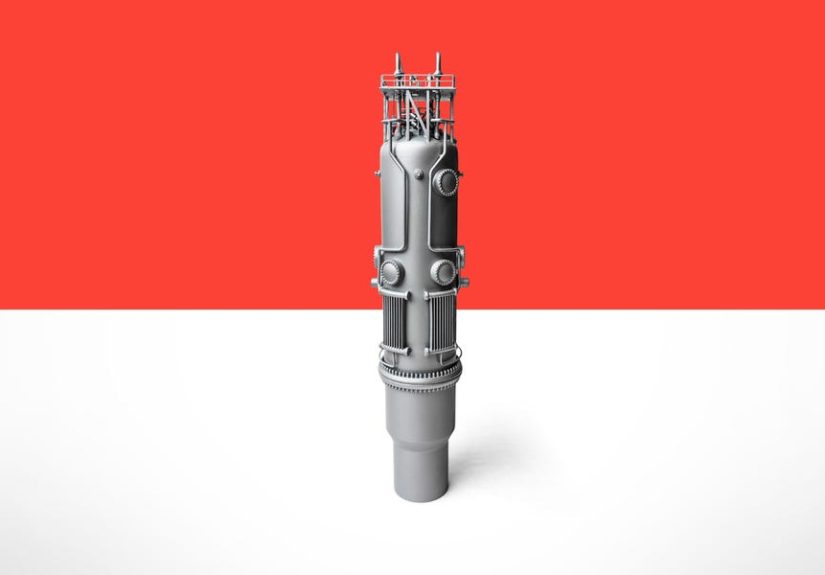
Tiny nuclear reactors, often referred to as small modular reactors (SMRs), are a new generation of nuclear reactors that are smaller in size and designed to be factory-built, modular, and transportable. These reactors have a much smaller footprint than their larger counterparts, making them ideal for locations where space is limited or where large-scale infrastructure isn’t feasible. SMRs are designed to be built in factories and shipped to sites, reducing construction times and costs.
Unlike traditional nuclear power plants, which can take a decade or more to build, SMRs are expected to be operational within just a few years, offering a more efficient and timely solution to the energy crisis. With their compact size and advanced safety features, SMRs can be deployed in various locations, including remote areas or regions lacking a robust energy infrastructure.
The Benefits of Tiny Nuclear Reactors
The promise of small modular reactors extends far beyond just their size. Here are some key advantages of these tiny powerhouses:
- Safety: One of the biggest concerns surrounding nuclear power is safety. SMRs are designed with enhanced safety features, including passive safety systems that require no active human intervention or external power sources to shut down safely. These systems make SMRs much safer than traditional reactors, which rely on complex systems to maintain control.
- Cost-Effective: SMRs are expected to be significantly cheaper to build and maintain compared to traditional nuclear reactors. Their modular nature means that they can be built in stages, allowing for easier financing and reducing upfront costs. Furthermore, the factory-based construction model reduces labor costs and construction timelines, making these reactors an economically viable option for many regions.
- Clean Energy: Like traditional nuclear reactors, SMRs produce zero carbon emissions, making them an excellent source of clean energy. As the U.S. strives to meet its climate goals, SMRs could play a critical role in reducing the nation’s carbon footprint.
- Flexible Deployment: Due to their compact size, SMRs can be deployed in a variety of locations, including urban centers, industrial sites, and remote areas that are off the grid. This flexibility opens up new possibilities for energy access in underserved regions.
- Load-Following Capability: SMRs can be designed to operate in a load-following mode, meaning they can adjust their power output based on demand. This makes them an excellent complement to renewable energy sources like wind and solar, which can be intermittent. SMRs can fill in the gaps when renewable sources are unavailable, ensuring a steady and reliable energy supply.
Challenges and Considerations
While the benefits of SMRs are compelling, there are still challenges to overcome before they can become a widespread solution to America’s energy needs. Some of the key considerations include:
- Regulatory Hurdles: The nuclear industry is heavily regulated, and getting approval for new reactor designs can be a lengthy and complex process. SMRs are no exception, and regulatory agencies like the U.S. Nuclear Regulatory Commission (NRC) will need to develop new frameworks and standards to accommodate these new technologies.
- Public Perception: Nuclear power has long been a contentious issue, with many people associating it with the potential for disasters, such as the Fukushima disaster in Japan. Overcoming public skepticism and fear of nuclear energy will be crucial to the success of SMRs. Education and transparency will play a significant role in changing public opinion.
- Waste Disposal: Nuclear waste remains a challenge for all types of nuclear power. Although SMRs produce less waste than traditional reactors, it still needs to be safely stored and managed. Developing effective waste disposal solutions will be essential for the long-term sustainability of nuclear power.
How Tiny Nuclear Reactors Could Transform America’s Energy Landscape
The United States is currently facing a series of energy challenges. Rising demand for electricity, aging infrastructure, and the urgent need to reduce greenhouse gas emissions all point to the need for new energy solutions. SMRs offer a promising solution to these problems, providing a clean, reliable, and cost-effective source of power that can be deployed quickly and efficiently.
In particular, SMRs could help address the energy needs of remote or rural communities that are currently reliant on diesel generators or other polluting sources of power. By providing a small, decentralized energy source, SMRs could also reduce the pressure on the national power grid, making it more resilient to disruptions caused by natural disasters or other emergencies.
Moreover, as the United States moves toward decarbonization, SMRs can play a vital role in complementing renewable energy sources. Since SMRs can operate around the clock, they can provide a stable and reliable source of power when renewable sources are unavailable due to weather conditions. This hybrid approachcombining renewables with SMRscould be key to creating a truly sustainable and resilient energy system.
Global Implications and Competitiveness
The U.S. is not alone in exploring the potential of small modular reactors. Countries like Russia, China, and the United Kingdom are also investing in this technology, with plans to deploy SMRs in the coming years. This global competition could drive further innovation and cost reductions, making SMRs even more viable and affordable in the future.
As the U.S. seeks to maintain its leadership in the global energy market, embracing SMRs could provide a competitive edge. By becoming a leader in the development and deployment of this new technology, the U.S. could export SMR technology to other countries, creating new economic opportunities and strengthening its position in the global energy landscape.
Looking Ahead: A Bright Future for Tiny Nuclear Reactors
The future of energy in the United States is at a crossroads. The growing demand for clean, reliable power, combined with the urgent need to address climate change, calls for innovative solutions. Small modular reactors offer a promising path forward, with the potential to transform the way the U.S. generates and consumes energy.
While there are still challenges to overcome, the promise of SMRs is undeniable. As the technology continues to develop, and as regulatory frameworks and public perception evolve, tiny nuclear reactors could play a critical role in ensuring a clean, reliable, and affordable energy future for America. Whether deployed in remote areas, urban centers, or as part of a hybrid renewable-nuclear grid, SMRs hold the key to a more sustainable and resilient energy future.
Experiences with Tiny Nuclear Reactors: The Way Forward
The potential of small modular reactors goes beyond theoretical benefits. In fact, there are real-world examples that illustrate the feasibility and growing momentum of SMRs. For instance, companies like NuScale Power are at the forefront of developing SMRs in the U.S., with the company’s design receiving approval from the NRC to move forward with a demonstration project in Idaho. This project will mark a significant step in the deployment of SMRs, as it will demonstrate the practicality and safety of these reactors in a real-world setting.
Other countries, such as Russia, have already begun implementing SMRs, with successful deployments in remote areas. The floating nuclear power plant project by Russia, for example, uses a small reactor to provide power to isolated regions in the Arctic. This successful use of SMRs in difficult-to-reach areas highlights the versatility and potential of this technology to meet energy demands in challenging environments.
The positive experiences with SMRs in various countries and the U.S. demonstration project will pave the way for broader adoption. As the technology matures and becomes more widely accepted, it is likely that we will see more SMRs deployed across the U.S., helping to address energy challenges in both urban and rural areas. Furthermore, as the technology becomes more mainstream, economies of scale will reduce costs, making SMRs an increasingly attractive option for energy providers.
Overall, the journey of tiny nuclear reactors in the U.S. is just beginning. While there are hurdles to overcome, the path ahead is promising, and with continued investment, innovation, and public education, SMRs could very well save American energy and help the country meet its sustainability goals in the years to come.
Conclusion
Tiny nuclear reactors are more than just a technological noveltythey are a potential game-changer for America’s energy landscape. With their compact size, enhanced safety features, and ability to provide reliable clean energy, SMRs could play a crucial role in meeting the nation’s energy needs while reducing carbon emissions. As the U.S. continues to grapple with energy challenges, small modular reactors offer a hopeful solution that can lead to a cleaner, more sustainable energy future.
sapo: Small modular reactors (SMRs) are revolutionizing America’s energy landscape. Compact, cost-effective, and clean, these tiny nuclear powerhouses could help the U.S. tackle climate change, enhance energy security, and meet growing power demands. Learn how SMRs can reshape America’s future energy system.