Table of Contents >> Show >> Hide
- What the Tiny Radio Actually Is
- Why Weight Rules Everything
- How Balloon Tracking Works in the Real World
- Why It Is Not Just a Hobbyist Toy
- Why Balloon Builders Love APRS So Much
- The Safety and Legal Reality Check
- Where This Technology Is Headed
- What a Balloon-Tracking Day Actually Feels Like
- Final Thoughts
- SEO Tags
There was a time when launching a balloon felt a little like mailing a postcard into the sky and hoping it wrote back. You filled the balloon, attached the payload, gave it a pep talk, and watched it drift away looking suspiciously confident for something made of latex and optimism. Then came the tiny radio tracker, and suddenly ballooning got a lot smarter.
That is the magic behind the idea of “Tiny Radio Tracks Your Balloons.” It sounds like a children’s book with better electronics, but it points to a real shift in how hobbyists, educators, amateur radio operators, and even scientists keep tabs on airborne payloads. A small, integrated tracker can combine a microcontroller, GPS, sensors, and a radio transmitter on a compact board that sends location and telemetry data while the balloon is still in flight. In plain English, it helps you stop guessing and start knowing.
That matters more than it may seem. Balloon flights are wonderfully simple in concept, but in practice they are a wrestling match with weight, battery life, altitude, weather, radio coverage, and recovery logistics. A tiny radio system does not just tell you where the balloon is. It changes what kind of flight is possible, how affordable it is, how likely you are to recover the payload, and how much useful data you can collect on the way up.
What the Tiny Radio Actually Is
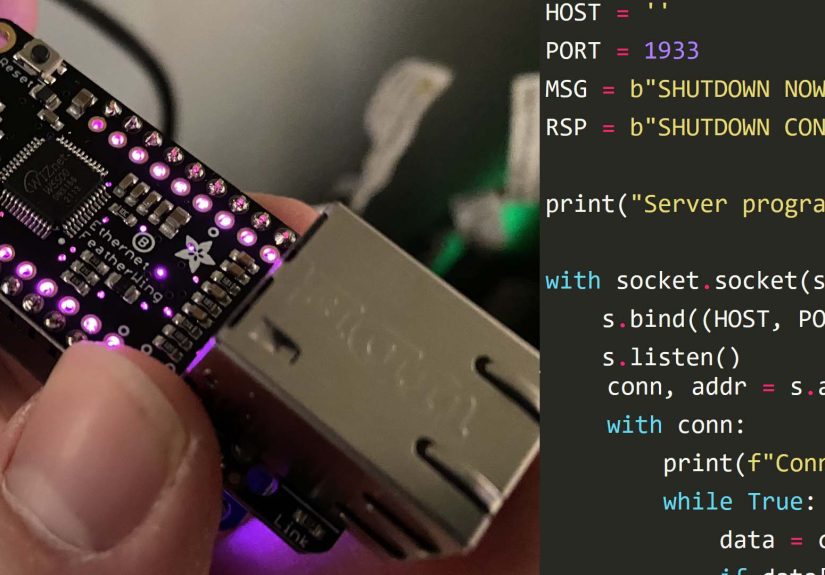
At the center of this story is a class of lightweight balloon trackers built for high-altitude projects. One well-known example was Tracksoar, a compact APRS-based board highlighted for squeezing GPS, telemetry, and amateur-radio transmission into a very small package. That design philosophy is the whole point: put the brains, sensors, and radio on one efficient board so the balloon carries less dead weight and more useful capability.
In practical terms, the tiny radio is usually not just “a radio.” It is part of a small airborne telemetry system. A GPS receiver figures out where the payload is. Sensors may gather altitude, temperature, pressure, or humidity data. The controller packages that information into short transmissions. Then the radio sends those packets over a frequency that ground stations can hear.
That compact integration is a big deal. Older DIY balloon setups often relied on a patchwork of separate modules: one board for the microcontroller, another for GPS, another for the radio, more wiring, more battery overhead, and more points of failure. Shrinking all of that into one board is not just neat engineering. It is the difference between a payload that floats gracefully and one that flies like a refrigerator with a dream.
Why Weight Rules Everything
If you talk to balloon builders long enough, one phrase keeps showing up: weight matters. Then it shows up again. Then it asks to borrow your scale. The lighter the payload, the easier it is to lift, the less gas you need, and the more freedom you have to experiment.
That is true for both hobby launches and bigger scientific missions. NASA uses balloons because they offer relatively low-cost access to near space for research and technology demonstrations. On the hobby side, the same principle applies at a smaller scale. Lightweight electronics can reduce the amount of helium or hydrogen required, simplify the flight train, and improve the odds of a stable ascent.
For tiny balloon trackers, weight savings are especially valuable because every gram competes with something else. Want a camera? That costs weight. Want extra batteries for longer transmissions? More weight. Want a sturdier enclosure because you are nervous about the landing? Also weight. An integrated radio board helps by trimming the payload without stripping away the features that make the flight useful.
This is one reason pico ballooning has become so fascinating. Modern pico balloons use very small payloads, sometimes light enough to hang beneath a Mylar party balloon. The trick is not brute force. It is efficiency. If you can make the electronics tiny, power-thrifty, and radio-visible across long distances, a surprisingly small balloon can travel astonishingly far.
How Balloon Tracking Works in the Real World
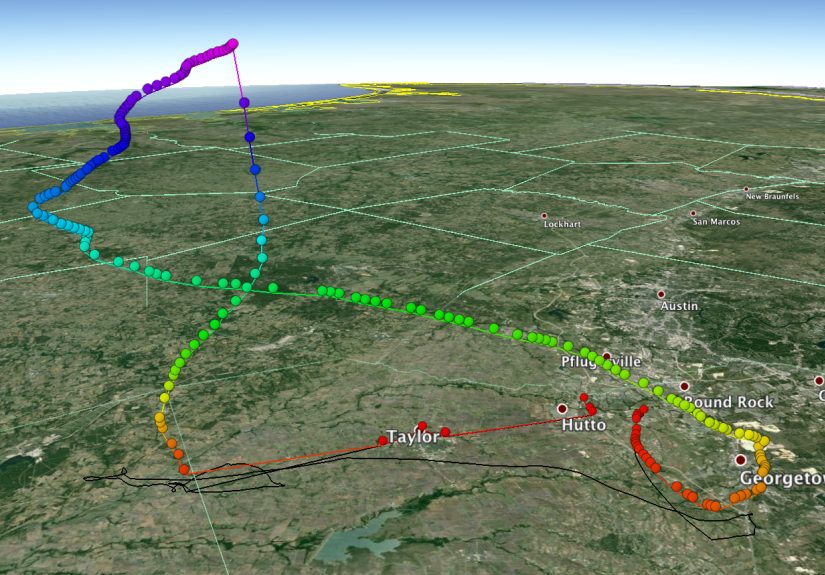
The classic system for hobby balloon tracking is APRS, short for Automatic Packet Reporting System. APRS was designed to show real-time positions, movement, and related data. For ballooning, that means the airborne payload periodically broadcasts packets containing its location and other telemetry, and stations on the ground receive and relay that information.
This is why amateur radio has been such a natural fit for balloon tracking. APRS gives operators a practical way to watch a balloon’s path while it climbs, drifts, bursts, and descends. Instead of staring at the sky and inventing optimistic theories, you can follow a map and make actual recovery plans.
For many launches, that live tracking is far more useful than a basic cell-based solution. A phone or cellular tracker may work after landing if it finds service, but balloons do not always descend politely into a well-covered parking lot next to a coffee shop. APRS-style radio telemetry can report position during flight, which is exactly when you need the most information.
And balloon tracking has not stood still. More recent pico-balloon projects have used WSPR, a weak-signal amateur-radio system that can help tiny, solar-powered payloads report their position over enormous distances. That approach has made it possible for very small balloons to remain trackable across continents and oceans. In other words, the tiny radio is not just a gadget anymore. It is the passport that lets small payloads travel far without disappearing into legend.
Why It Is Not Just a Hobbyist Toy
The same basic logic behind these miniature trackers appears in professional weather and science work too. NOAA and the National Weather Service regularly launch weather balloons carrying radiosondes, which measure upper-air conditions such as pressure, temperature, humidity, and winds. These instruments use GPS to determine position, which helps calculate wind data and supports weather forecasting and aviation safety.
That means the tiny-radio balloon concept is not a fringe curiosity. It sits on the same family tree as systems used to gather atmospheric data every single day. The scale is different, the mission is different, and the engineering standards are very different, but the underlying idea is the same: a balloon-borne package gathers data and transmits what matters before it comes back down.
Scientific ballooning pushes that concept even further. NASA’s scientific balloon program uses high-altitude balloons as relatively low-cost platforms for research, instrument testing, and near-space missions. Those systems can carry much larger payloads than amateur flights, but the mission logic is familiar: lift the instrument high, keep it communicating, and make the most of a balloon’s unique combination of altitude, affordability, and flexibility.
So when people get excited about a tiny radio tracking a balloon, they are really celebrating a miniaturized version of a very powerful idea. Balloons are not just floating toys. They are airborne data platforms. A tiny tracker makes that platform accessible to more people.
Why Balloon Builders Love APRS So Much
Balloon enthusiasts are not loyal to APRS out of nostalgia. They like it because it solves a real operational problem. A tracker that reports position, altitude, and other telemetry in real time gives you a fighting chance of recovery. That means you can launch cameras, environmental sensors, classroom experiments, or custom electronics without mentally preparing to donate them to a cornfield three counties away.
APRS also benefits from a community effect. Because it is part of the amateur radio world, balloon trackers do not always have to rely on a single receiver owned by the launch team. Other stations can hear the packets too, helping the balloon remain visible over a much wider area. For ballooning, that shared listening network is pure gold.
SparkFun and Adafruit have both long highlighted APRS and balloon-tracking builds because the system remains practical, understandable, and remarkably capable for DIY work. You do not need a giant aerospace budget. You need a good design, smart power choices, a legal operating plan, and the patience to test everything before your balloon auditions for the stratosphere.
The Safety and Legal Reality Check
Now for the less glamorous but very important part: the sky is not a lawless craft store. In the United States, larger or heavier unmanned free balloons can fall under FAA Part 101 rules. Those rules include thresholds tied to payload weight and package characteristics, as well as operating, marking, and reporting requirements. Depending on the flight, operators may need to give notice, keep track of the balloon’s position, use lighting for certain nighttime operations, and follow other safety requirements.
That is why payload mass is more than a performance issue. It is also a regulatory issue. Some very small pico balloons may avoid the heavier regulatory categories because the payload is so light, but you cannot assume that every balloon setup gets a free pass just because it looks adorable. Read the rules, plan conservatively, and treat airspace with respect.
Radio operation matters too. Many APRS and WSPR balloon trackers use amateur radio frequencies, and that generally means the operator needs an amateur radio license. The FCC notes that most newcomers begin with the Technician Class. That license step is not bureaucratic wallpaper. It is part of using shared spectrum responsibly.
In other words, the tiny radio makes ballooning easier, but it does not make preparation optional. Smart ballooning is equal parts creativity and homework. A good launch starts long before the balloon leaves your hand.
Where This Technology Is Headed
The future of balloon tracking is not necessarily bigger radios or bulkier payloads. It is more likely better integration, lower power draw, smarter telemetry schedules, and more resilient tracking methods. Tiny solar-powered systems, global weak-signal networks, cheaper sensors, and better prediction tools are all pushing ballooning toward longer flights and smaller payloads.
That opens the door to more educational launches, more citizen science, more environmental sampling, and more creative engineering projects. A classroom can launch an experiment and actually follow it. A hobbyist can test custom sensors without carrying a brick-sized payload. A builder can try a long-duration pico mission without spending the GDP of a medium-size sandwich shop.
In that sense, the headline “Tiny Radio Tracks Your Balloons” feels less like a novelty and more like a summary of where the field has been going for years. Miniaturization is not a side quest. It is the main plot.
What a Balloon-Tracking Day Actually Feels Like
The experience of using a tiny radio tracker is one part science fair, one part road trip, and one part emotional support session for a floating bag of gas. Launch day usually begins with checklists, because balloon people know that forgetting one cable can turn a glorious flight into an expensive sky decoration. Batteries get warmed, the GPS gets a lock, the tracker is tested, and everyone pretends they are calm while refreshing maps far too often.
Then comes the quiet moment before release. The balloon is upright, the payload is dangling, the wind is making last-minute arguments, and somebody asks a very reasonable question like, “Are we sure this is tied on?” Once the balloon rises, the mood shifts immediately. The launch is beautiful for about ten seconds. After that, it becomes data. Everyone starts watching signal reports, position updates, altitude changes, and projected landing paths. The tiny radio becomes the star of the show because it is now the only voice your balloon has.
The first successful packet feels weirdly thrilling. It is not dramatic in a Hollywood way. No orchestra swells. No eagle salutes. But seeing that the payload is still transmitting while climbing through cold, thin air is deeply satisfying. It means the design worked. The battery survived. The antenna is doing its job. The balloon is no longer just a dot in the sky; it is a living stream of numbers with attitude.
As the flight continues, the tracker changes the whole emotional experience. Without live telemetry, you spend a lot of time guessing. With it, you spend your time adapting. If the wind pushes east faster than expected, you know. If the ascent rate looks odd, you know. If the descent begins, you can start moving toward the recovery zone instead of inventing folk tales about where the payload probably landed. The tiny radio turns balloon chasing from wishful thinking into field operations.
Recovery itself is where the tracker often earns lifelong loyalty. Maybe the payload comes down near a dirt road, maybe in scrubland, maybe in a field that looks close on a map and somehow is not close in real life at all. But even then, the last transmissions narrow the search dramatically. Instead of hunting for a foam box in the county-sized unknown, you are working a much smaller puzzle. That is the difference between a story that ends with “we found it at sunset” and one that ends with “well, perhaps it lives with raccoons now.”
There is also a surprisingly human side to these flights. People remember the numbers, sure, but they also remember the tiny moments: the tracker waking up on the bench, the map updating in the car, the first burst of cheers when altitude peaks, the odd silence during descent, the relief when the last packet lands near a reachable road. A good tracker does more than provide coordinates. It lets you stay emotionally connected to the mission from launch to landing.
That is why these tiny radios matter so much. They make ballooning feel less like throwing something away and more like accompanying it on a trip. You may still lose a payload now and then; the sky remains an excellent place for humility. But with modern tracking, the odds improve, the data improves, and the experience becomes richer. The balloon stops being a disappearing act and starts becoming a conversation.
Final Thoughts
Tiny radio trackers have changed ballooning by making serious telemetry fit inside very small payloads. They help hobbyists recover launches, help educators build smarter classroom missions, echo the same basic logic used in weather balloons and scientific platforms, and push the field toward lighter, cheaper, more capable flights. In short, this is not just a cute gadget story. It is a story about how better tracking unlocked better ballooning.
And that may be the best part. Ballooning still has wonder. You still get the lift-off, the climb, the wild map drift, the suspense, and the chase. The tiny radio does not remove the adventure. It just makes sure the adventure keeps talking back.