Table of Contents >> Show >> Hide
- Why a Jeep-Part Grill Stand Actually Makes Sense
- The Best Jeep Parts to Repurpose for a BBQ Grill Stand
- Design Rules Before You Start Cutting and Welding
- How to Build a Jeep-Part BBQ Grill Stand
- Safety Details That Separate a Cool Build From a Bad Idea
- Style Ideas for a Jeep-Themed Grill Station
- Mistakes to Avoid
- Why This Project Has Real SEO and Reader Appeal
- Real-World Experience: What It Feels Like to Use a Jeep-Part BBQ Grill Stand
- Conclusion
- SEO Tags
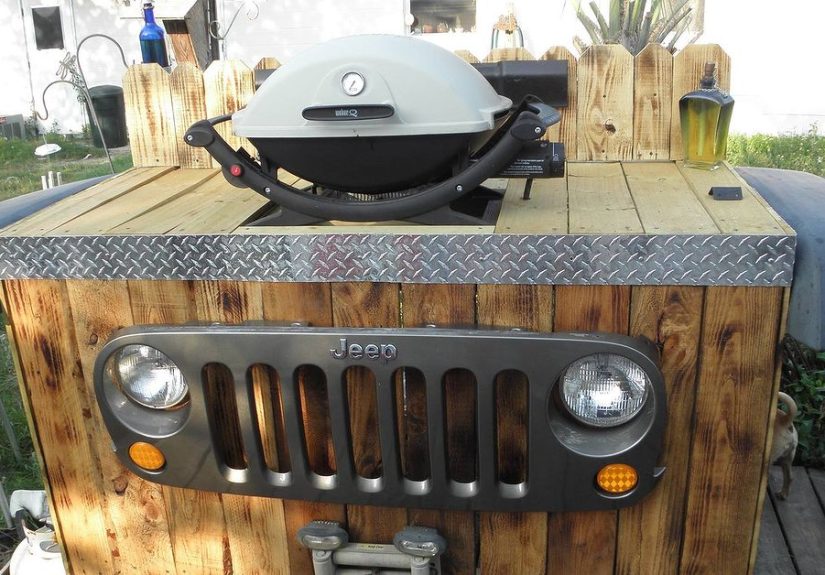
If your garage contains one old Jeep bumper, a pair of steel wheels, and enough bolts to start your own hardware store, congratulations: you are already halfway to building the most entertaining backyard conversation piece on the block. A DIY BBQ grill stand made from repurposed Jeep parts is equal parts rugged utility, outdoor decor, and “Yes, I absolutely did make this myself.” It is a smart upcycling project for anyone who loves Jeeps, backyard cooking, or giving old metal one more glorious mission in life.
The magic of this idea is that Jeep parts were built for punishment. Tailgates, bumpers, spare tire carriers, steel wheels, and brackets are naturally tough, visually interesting, and loaded with attitude. With careful planning, proper prep, and a healthy respect for grill safety, you can transform those retired parts into a sturdy BBQ grill stand that looks custom, works hard, and feels far more memorable than a plain cart from a big-box store.
This guide walks through the design ideas, safety considerations, build process, finishing touches, and real-world use tips that make a Jeep-inspired grill station look intentional instead of looking like a pile of scrap metal that wandered onto the patio. The goal is simple: build something strong, safe, and cool enough that your neighbors suddenly develop a deep interest in “checking on the burgers.”
Why a Jeep-Part Grill Stand Actually Makes Sense
Upcycling Jeep parts into a BBQ grill stand is not just about style. It also makes practical sense. Automotive steel components are designed to handle weight, weather, and vibration. That means many of them can serve as a durable frame, rolling base, or decorative shell for an outdoor cooking station. Instead of sending those parts to a scrapyard, you can turn them into a useful backyard feature with character built right in.
There is also a design advantage here. A standard grill cart can look forgettable. A Jeep-inspired grill stand does not. It brings the kind of visual texture people pay real money to fake: weathered steel, industrial hardware, stamped metal surfaces, rugged brackets, and unmistakable off-road DNA. Whether you lean toward a clean matte-black build or a “trail rig meets smokehouse” look, the result is more custom than cookie-cutter.
And then there is the fun factor. Upcycling projects are satisfying because they turn “junk” into bragging rights. Every dent, bolt hole, and old bracket tells a story. Your BBQ grill stand becomes more than outdoor furniture. It becomes a piece of functional automotive art that can hold a grill, store tools, and make your backyard feel like a campsite with better snacks.
The Best Jeep Parts to Repurpose for a BBQ Grill Stand
1. Tailgates
A Jeep tailgate makes an excellent visual centerpiece. It can serve as the front panel of the stand, a fold-down side shelf, or a decorative back panel. Because tailgates already have factory structure and recognizable lines, they instantly give the project a legit Jeep identity. If you want bonus utility, you can mount hooks, bottle openers, towel bars, or a removable cutting board nearby.
2. Steel Wheels
Old steel wheels are fantastic for creating side supports, lower shelf frames, or decorative end caps. Used carefully, they can add symmetry and that unmistakable garage-built look. They are especially effective on wider grill stands, where they help balance the design and make the project feel intentionally overbuilt in the best possible way.
3. Bumpers and Crossmembers
This is where the “grill stand” part gets serious. Jeep bumpers and crossmembers are ideal for the structural base because they are strong, rectangular, and already designed to carry load. They work well as the main horizontal rails under a grill platform or as reinforcement for the lower storage shelf.
4. Spare Tire Carriers and Brackets
These parts shine when you want integrated storage. A spare tire carrier can inspire a side-mounted paper towel holder, utensil rack, or decorative hook system. Smaller brackets and mounting tabs can become shelf supports, hanger points, or trim pieces that make the finished stand feel mechanically intentional.
5. Leaf Springs, Shackles, and Recovery Hardware
These are best used as accent materials rather than primary cooking surfaces. Shackles can become hooks. Leaf spring sections can become rugged braces or foot bars. Recovery points can be turned into tie-down locations for accessories or simply used as visual details that scream off-road credibility without shouting.
One important rule: avoid using questionable parts anywhere near direct food contact or open flame if they have unknown coatings, trapped grease, fuel residue, or contamination. Strong and cool-looking is great. “Mysteriously seasoned by 20 years of axle grime” is less great.
Design Rules Before You Start Cutting and Welding
The best DIY grill stand projects begin with boring planning and end with exciting results. Measure your grill first. Know its width, depth, lid clearance, ventilation needs, and weight. Then design the Jeep-part frame around the grill rather than forcing the grill to fit your pile of parts like a reluctant puzzle piece.
Think in four layers:
- Base: the load-bearing frame that keeps everything stable.
- Mounting surface: where the grill actually sits.
- Work zone: shelves, side tables, and storage.
- Style layer: tailgates, wheels, badges, and Jeep-inspired details.
That order matters. If you begin with the decorative parts, the project can become heavy, awkward, and weirdly top-heavy. If you begin with structure, the beauty pieces have a safer, smarter place to land.
Also plan for mobility. A BBQ grill stand is far more useful when it can move for cooking, cleaning, or storage. Heavy-duty locking casters can make a big difference, especially if your patio is level. If the stand will live on uneven ground, skip the wheels and use adjustable feet or a wider stance for better stability.
How to Build a Jeep-Part BBQ Grill Stand
Step 1: Choose Clean, Solid Donor Parts
Pick parts with minimal structural rust and no dangerous surprises. Surface rust is manageable. Rotten-through metal is a drama queen and should stay retired. Degrease everything thoroughly, remove loose rust, and inspect for cracks, sharp edges, and missing sections that could weaken the build.
Step 2: Mock It Up Before Permanent Assembly
Lay out the parts on the floor and dry-fit the shape. Use clamps, wood blocks, and temporary braces to check the height and width. This is the stage where you discover whether your “perfect” design is actually too narrow, too tall, or shaped like a robot trying to do yoga.
Step 3: Build the Structural Frame
Create a solid rectangular base from the strongest metal pieces. If your donor parts are too irregular, supplement them with new square steel tubing. There is no shame in mixing reclaimed Jeep metal with new stock. In fact, that is usually the smartest way to get both character and structural reliability. The reclaimed parts provide the personality; the new steel provides the backbone.
Step 4: Add a Safe Grill Platform
The grill itself should sit on a flat, stable, heat-aware platform. Expanded metal, properly supported steel plate, or a dedicated grill insert frame can work well depending on the grill type. Give the grill the airflow and manufacturer-recommended clearance it needs. Do not trap heat against decorative panels just because the tailgate looks cool there. Good design is not supposed to smell like scorched paint.
Step 5: Build Useful Storage
Add a lower shelf for charcoal, grill tools, or a propane tank if your setup allows it safely. Side shelves are valuable for trays, spices, thermometers, and that one plate you swear you set down “just for a second.” If you want a food-prep area, use a removable cutting board or stainless work surface rather than exposed automotive metal.
Step 6: Grind, Sand, and Smooth Everything
Once the frame is assembled, go back and clean up every edge, corner, and weld. Nobody wants a gorgeous grill stand that also grabs T-shirts, slices knuckles, and terrifies dish towels. Smooth edges make the piece safer and help it look finished rather than improvised.
Step 7: Prime and Finish for Outdoor Life
Outdoor metal projects live a hard life, so finishing matters. Remove loose rust, clean the surface well, prime exposed metal, and choose exterior-rated products for the final finish. If parts of the stand sit close to high heat, use products intended for grill or high-heat use in those zones. Thin, even coats typically look better and last longer than one heroic coat that drips like a sad candle.
Safety Details That Separate a Cool Build From a Bad Idea
A Jeep-inspired grill stand should be fun, but the safety side is not optional. First, treat the grill as the boss of the build. It needs proper ventilation, stable support, and enough room around hot surfaces. Keep the finished stand outdoors in a well-ventilated area, away from walls, railings, low overhangs, and anything that can catch fire.
Second, do not assume every salvaged metal part belongs near heat. Some old coatings, fillers, or mystery finishes may not react well. If a surface will get hot, prep it properly and use materials intended for that environment. If a part has questionable paint or finish, do not let it become a cooking-adjacent surface without proper removal, cleaning, and refinishing.
Third, think about how you will actually use the stand. Where will hot tools go? Where will grease drips land? Where will the lid open without bumping a metal panel? Can children or pets brush against hot corners? Smart answers to those questions will improve the design more than any decorative badge ever could.
If you weld or cut metal during the build, use proper protective gear and good ventilation. Automotive metal can have coatings, residues, and grime that you do not want to breathe. If you are refinishing older painted pieces, be extra careful with dust and old coatings, especially in older properties where lead-safe work habits matter. Safety is not glamorous, but neither is turning a backyard project into a story that begins with, “So, the fire department was actually very nice about it.”
Style Ideas for a Jeep-Themed Grill Station
Trail-Ready Industrial
Use a matte-black frame, exposed bolt heads, rugged caster wheels, and a weathered tailgate panel. Add a bottle opener, a metal towel bar, and a small plaque with your Jeep’s old trim designation for an understated but unmistakable off-road look.
Retro Camp Cookout
Pair faded Jeep sheet metal with a stained wood side shelf, warm metal accents, and old-school camping lantern hooks. This style works beautifully if you want the grill stand to feel more vintage Americana than hardcore garage fabrication.
Clean Custom Build
Sand everything smooth, use a consistent powder-coated look, and hide the structure behind a few carefully chosen Jeep parts rather than using every bracket you own. This version feels polished and works especially well in a modern backyard.
Mistakes to Avoid
- Using too many parts: More Jeep does not always mean better. Pick a few signature pieces and let them shine.
- Ignoring weight balance: A heavy tailgate on one side can make the whole stand awkward or unstable.
- Skipping rust prep: Paint is not a magic trick. If the metal underneath is flaky, the finish will fail.
- Creating fake prep surfaces: Automotive metal is not a cutting board. Use removable food-safe surfaces where needed.
- Forgetting cleaning access: Grease and ash happen. Design the stand so you can clean under, behind, and around the grill.
- Building for looks only: A gorgeous stand that wobbles is just an expensive lesson with attitude.
Why This Project Has Real SEO and Reader Appeal
Let’s talk content value for a second, because this idea hits multiple reader interests at once. It blends DIY outdoor living, upcycling, grilling, automotive culture, garage organization, and backyard entertaining. That makes it a strong topic for search because it answers both inspiration-driven and practical queries. Readers looking for a Jeep grill stand, a DIY BBQ cart, repurposed auto parts furniture, or a custom outdoor cooking station can all find something useful here.
It also works because it tells a story. Plenty of DIY projects show how to assemble parts. Fewer explain why the project is memorable, how to make it safe, and what makes it actually pleasant to use on a Saturday afternoon. That combination of utility and personality is what keeps readers scrolling instead of bouncing faster than a loose socket on a driveway.
Real-World Experience: What It Feels Like to Use a Jeep-Part BBQ Grill Stand
Here is where this project really earns its keep: not in the garage, but in the backyard. The first time you roll out a finished Jeep-part BBQ grill stand for a cookout, it changes the mood immediately. A standard grill cart says, “I am here to hold the grill.” A custom Jeep build says, “I have stories, I probably own recovery straps, and yes, the burgers are going to be excellent.” People notice it before they notice the menu.
In real use, the best part is not even the look. It is the sense of solidity. A good build feels planted. When you set down a tray of raw burgers, a bowl of seasoned vegetables, or a cast-iron pan, nothing flexes or rattles. The heavy steel frame gives the stand a confidence that lightweight store-bought carts often lack. Opening the grill lid feels smooth and stable. Sliding a platter onto the side shelf feels secure. Even small tasks, like hanging tongs or grabbing a thermometer, become more convenient when the layout was designed around how you actually cook.
There is also a huge satisfaction in seeing old parts do something new. That dented tailgate is no longer a forgotten relic leaning against a wall. The old bumper is no longer something you swear you are “saving for later.” Suddenly those pieces are part of a living outdoor space where friends gather, food gets passed around, and the whole project feels useful instead of nostalgic. That emotional payoff is a big reason upcycling projects are so addictive. You are not just building a thing. You are rescuing a pile of good material from permanent irrelevance.
The experience improves even more over time. After a few cookouts, you start noticing the little details that matter: the hook placement that keeps your spatula handy, the shelf height that saves your back, the locking casters that keep the stand from drifting, and the easy-to-clean finish that does not punish you for one overenthusiastic rib session. A well-built grill stand becomes part tool, part patio furniture, and part personality piece.
And yes, there is a social side to it. Guests ask questions. Jeep people really ask questions. Someone will point at the tailgate. Someone will recognize the wheel design. Someone will tell you about the Cherokee they regret selling in 2008. The grill stand becomes an instant conversation starter, which is ideal because backyard cooking is supposed to feel social, relaxed, and a little bit theatrical. You are not hiding the grill in a corner. You are giving it a stage.
Maybe the most surprising part is how personal the project becomes. No two builds are exactly alike because no two scrap piles are exactly alike. One person uses a Wrangler tailgate and blackout paint. Another adds a reclaimed wood shelf and keeps the patina. Another goes full off-road fantasy and adds recovery hooks, trail badges, and a bottle opener shaped like a tiny axle. That uniqueness gives the stand emotional value long after the build is finished.
So if you are wondering whether this is worth the effort, the answer is simple: yes, if you build it thoughtfully. You get a functional BBQ grill stand, a strong dose of backyard character, and the deep satisfaction of turning old Jeep parts into something people actually use. Not bad for a project that started with a spare bumper and a dangerous amount of confidence.
Conclusion
Upcycling Jeep parts into a BBQ grill stand is one of those rare DIY ideas that manages to be practical, personal, and wildly good-looking at the same time. It gives old automotive metal a second life, creates a custom outdoor cooking station, and adds serious personality to your patio or deck. The key is to build with intention: choose solid parts, respect heat and ventilation, finish the metal properly, and design for real cooking instead of just visual drama.
Do that, and you will end up with more than a grill stand. You will have a backyard centerpiece that feels rugged, useful, and uniquely yours. And honestly, if your burgers happen to taste slightly better because they were flipped next to an old Jeep tailgate, who are we to argue with destiny?