Table of Contents >> Show >> Hide
- What Is “Vitamin P,” Exactly?
- Is Vitamin P a “Real” Vitamin?
- Meet the “Vitamin P” Family: Common Flavonoids
- Top Food Sources of Vitamin P (Flavonoids)
- Potential Benefits of Vitamin P (Flavonoids)
- Vitamin P Supplements: Helpful or Hype?
- Safety, Side Effects, and Interactions
- How to Get More Vitamin P Without Overthinking It
- The Other Vitamin P: Pleasure as a Health Skill
- So…Which Vitamin P Should You Focus On?
- Experiences: What “Vitamin P” Looks Like in Real Life
If you’ve ever heard someone say, “I’m low on Vitamin P,” don’t panicthere’s no emergency “P injection” waiting at urgent care.
“Vitamin P” is one of those delightfully confusing phrases that means two different things depending on who’s talking:
a historical nutrition nickname for certain plant compounds (bioflavonoids/flavonoids) and a modern wellness shorthand for
pleasureespecially the kind that makes healthy habits feel sustainable instead of miserable.
This article clears up the confusion, explains what “Vitamin P” can realistically do for your health, and shows you how to get more of iton your plate and
in your daywithout turning dinner into a chemistry exam.
What Is “Vitamin P,” Exactly?
Meaning #1: “Vitamin P” as bioflavonoids (flavonoids)
In older nutrition and medical writing, “Vitamin P” referred to a group of plant compoundsmostly flavonoidsonce thought to work with
vitamin C to support capillary strength and reduce “capillary fragility” (think easy bruising or fragile tiny blood vessels).
Today, researchers typically call these compounds flavonoids or bioflavonoids, not a vitamin, because they don’t meet
the modern definition of an essential nutrient.
Meaning #2: “Vitamin P” as pleasure
In modern wellness and nutrition conversations, “Vitamin P” often stands for Pleasure. The idea is simple:
when eating and movement are only about rules, guilt, and “shoulds,” they tend to backfire. Pleasuretaste, satisfaction, joy, play, connectioncan make
healthy routines easier to stick with long-term. (No, “pleasure” does not mean eating a family-size bag of chips in the dark like a raccoon.
It means permission to enjoy your food and your life.)
Is Vitamin P a “Real” Vitamin?
Not in the official sense. True vitamins are essential nutrients your body needs in specific amounts to prevent deficiency diseases.
Flavonoids are bioactive plant compounds that may support health, but they are not considered essential the way vitamin C or vitamin D are.
That’s why you won’t see a recommended daily allowance for “Vitamin P” on nutrition labels.
Still, the “Vitamin P” nickname survives because it’s memorableand because flavonoid-rich foods are consistently associated with good health outcomes.
The key word is foods. When researchers talk about benefits, they’re often describing diets rich in fruits, vegetables, tea, cocoa, legumes, and herbs,
not mega-doses from supplements.
Meet the “Vitamin P” Family: Common Flavonoids
Flavonoids are a large group with many subtypes. Here are a few you’ll see often in “Vitamin P” conversations and supplement labels:
- Hesperidin / Hesperetin – common in citrus (especially oranges).
- Naringin / Naringenin – found in grapefruit and other citrus.
- Rutin – found in buckwheat, citrus peels, and some vegetables; also sold as a supplement.
- Quercetin – in onions, apples, berries, and capers; frequently used in supplements.
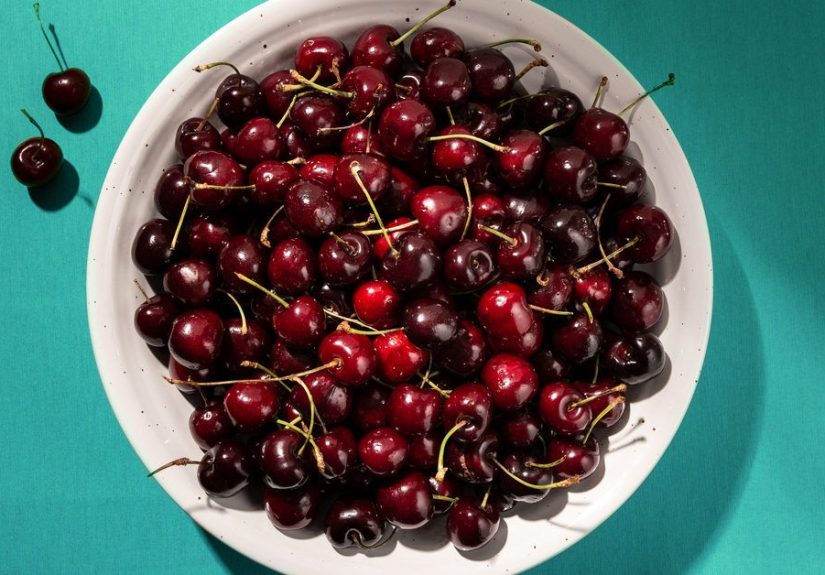
- Anthocyanins – pigments in blueberries, blackberries, cherries, and purple grapes.
- Catechins – prominent in green tea; also present in cocoa.
Translation: “Vitamin P” is less like one vitamin and more like a big, colorful reunion of plant compounds.
Nobody brought name tags, so science had to make a taxonomy.
Top Food Sources of Vitamin P (Flavonoids)
If you want a practical shortcut, remember this: color, bitterness, and aroma often signal flavonoids.
(Plants didn’t evolve these compounds to make you happy; they evolved them to survive. You just get to benefit from the leftovers.)
Easy, everyday picks
- Berries (blueberries, strawberries, blackberries)
- Citrus (oranges, grapefruit, lemonsplus the zest/peel)
- Tea (green and black)
- Cocoa (unsweetened cocoa powder; dark chocolate with a high cocoa percentage)
- Apples (especially with the peel)
- Onions (particularly red), kale, broccoli
- Beans and lentils
- Herbs and spices (parsley, oregano, thymetiny but mighty)
A simple “flavonoid diversity” rule
Instead of obsessing over one “superfood,” aim for variety across the week: different fruits, different veggies, different beverages.
Research suggests that a diverse mix of flavonoid-rich foods may be linked to better long-term health than relying on a single source.
Potential Benefits of Vitamin P (Flavonoids)
Flavonoids are widely studied for their antioxidant and anti-inflammatory effects, and for how they may support blood vessel function.
But let’s keep this grounded: many findings come from observational research (associations) and smaller clinical trials.
Think “helpful supporting actors,” not “miracle cure main character.”
1) Blood vessel support and capillary function
Historically, “Vitamin P” was linked to capillary strengthhelping reduce capillary permeability and fragility.
Certain citrus flavonoids (like hesperidin-related compounds) are often discussed in this context.
Practically, this benefit is one reason flavonoids show up in formulas marketed for circulation or skin-related redness.
2) Heart and cardiometabolic health
Diets rich in flavonoid-containing foods (tea, berries, apples, cocoa, and colorful produce) are frequently associated with
better cardiovascular outcomes. Scientists are especially interested in cocoa flavanols and vascular function, including blood pressure
and blood vessel flexibility. It’s not a free pass to eat candy bars, thoughmany chocolate products are low in flavanols and high in added sugar.
Real-life example: If your afternoon snack is usually a pastry, swapping it for a combo like
Greek yogurt + berries + a dusting of cocoa keeps the treat vibe while stacking the deck with flavonoid-rich ingredients.
3) Brain support and healthy aging
Some research links higher flavonoid intake with better cognitive outcomes over time, possibly due to effects on blood flow,
inflammation, and cellular stress responses. The most consistent pattern is still “eat more plants,” not “take one magic capsule.”
4) Gut microbiome interactions
Flavonoids don’t act alone. Your gut bacteria help break down and transform themmeaning two people can eat the same blueberries and
have slightly different downstream effects. This is one reason food-based approaches (variety, consistency) tend to outperform
supplement-only strategies.
5) Skin and visible “microvascular” benefits
Because some flavonoids are discussed in relation to blood vessel permeability, they’re also studied for certain skin concerns
tied to tiny surface blood vessels. Again, the strongest “everyday” move is diet quality:
more produce, fewer ultra-processed foods, adequate protein, and enough sleepyes, sleep counts as skincare.
Vitamin P Supplements: Helpful or Hype?
Walk through a supplement aisle and you’ll see “citrus bioflavonoids,” “rutin,” “quercetin,” and combos like
“vitamin C with flavonoids.” Some people use them for seasonal wellness, circulation support, or general antioxidant marketing promises.
What supplements can do
- Provide a consistent dose of a specific compound (useful in research and certain targeted situations).
- Help people who struggle to eat enough fruits and vegetables (though it’s still a “backup plan”).
- Pair with vitamin C in products designed around the old “Vitamin P + Vitamin C” concept.
What supplements can’t do
- Replace the full benefits of a plant-rich diet (fiber, minerals, thousands of compounds acting together).
- Guarantee resultsespecially when the evidence is mixed or depends on overall lifestyle.
- Automatically mean “safe,” just because they’re natural.
A smart mindset is: Food first, supplements second, miracles never.
Safety, Side Effects, and Interactions
In normal food amounts, flavonoids are considered low risk for most people.
The bigger safety questions show up with high-dose supplements or specific food-drug interactions.
Grapefruit warning (yes, it matters)
Grapefruit and grapefruit juice can interact with several medications by changing how your body processes them.
This isn’t a “wellness rumor”it’s a well-documented interaction that can increase medication levels in the blood for certain drugs.
If you take prescription medications, check your label or ask a pharmacist before making grapefruit a daily habit.
Extra caution groups
- Pregnancy/breastfeeding: Avoid high-dose supplements unless your clinician recommends them.
- Surgery plans: Tell your care team about supplements; some may affect bleeding risk or anesthesia metabolism.
- Blood thinners or complex medication regimens: Don’t “stack” supplements without guidance.
If you want the benefits with minimal drama, the safest route is still:
berries, tea, citrus, beans, cocoa, onions, and colorful vegetables.
Your body understands food. Your medicine cabinet prefers fewer surprises.
How to Get More Vitamin P Without Overthinking It
Try the “3C” approach: Color, Cup, and Crunch
- Color: Add one deeply colored fruit or veggie daily (berries, purple cabbage, dark leafy greens).
- Cup: Swap one sugary drink for tea (green or black) a few days a week.
- Crunch: Add an onion-family veggie (onions, scallions) or a legume (beans/lentils) to one meal.
One-day sample menu (flavonoid-friendly)
- Breakfast: Oatmeal with blueberries, cinnamon, and chopped walnuts
- Lunch: Lentil salad with red onion, herbs, lemon juice, and olive oil
- Snack: Apple slices + peanut butter, or green tea + a square of dark chocolate
- Dinner: Salmon (or tofu) with roasted broccoli and a citrusy slaw
Notice the pattern? Nothing exotic. No powders. No “detox.” Just normal food arranged with intention.
The Other Vitamin P: Pleasure as a Health Skill
Now for the second meaningthe one that doesn’t come with a supplement label.
“Vitamin P” as Pleasure is the idea that enjoying food (and life) is not a bonus featureit’s part of what makes
healthy habits sustainable.
Why pleasure matters
- It reduces rebound behavior: When everything is forbidden, everything becomes a craving.
- It improves satisfaction: If you actually like your meals, you’re less likely to keep “snack-searching.”
- It supports consistency: Sustainable beats perfect. Always.
How to practice “Vitamin P” (Pleasure) without turning into a cartoon villain
- Use the 2-bite rule: Take two slow bites before you multitask. Taste first, scroll later.
- Upgrade texture: Add crunch (nuts), creaminess (yogurt), or brightness (citrus) to make healthy foods more enjoyable.
- Stop moralizing food: A cookie is not “bad.” It is a cookie. Calm down, cookie.
- Plan one joyful ritual: Tea time, a shared meal, a playlist while you cooksmall pleasures count.
So…Which Vitamin P Should You Focus On?
Honestly? Both. Think of it like a two-part strategy:
- Vitamin P (flavonoids): Build a diet rich in colorful plant foods, tea, cocoa, beans, and herbs.
- Vitamin P (pleasure): Make the routine enjoyable enough that you’ll keep doing it next week.
The “best” health plan is the one you can repeat without needing a motivational speech, a 47-step morning routine, or a personality transplant.
Experiences: What “Vitamin P” Looks Like in Real Life
People don’t usually wake up and announce, “Today, I shall optimize flavonoid diversity!” They notice something else first:
energy dips, snack cravings, stress eating, or a general sense that meals have become more functional than enjoyable.
That’s where “Vitamin P” tends to show upsometimes as the plant-compound version, sometimes as the pleasure version, and often as a mix of both.
Experience #1: The afternoon slump rescue.
A common pattern is the 3 p.m. crash: someone feels tired, irritable, and suddenly convinced they need “something sweet” immediately.
When they experiment with a flavonoid-rich swapsay, black tea or green tea plus a snack like berries and nutsthe craving often changes shape.
It’s not that cravings disappear forever (we’re humans, not robots), but the crash can feel less dramatic.
The bonus is psychological: when the snack feels genuinely tasty, it doesn’t register as “diet food,” which makes repeating the habit easier.
Experience #2: The “healthy food that tastes sad” problem.
Many people try to eat better by removing everything enjoyable: plain chicken, plain lettuce, plain life.
Then they wonder why they end up in a late-night snack spiral.
Adding “Vitamin P” as pleasure often looks like small upgrades:
citrus zest on a salad, cocoa stirred into yogurt, a drizzle of olive oil, fresh herbs, or a crunchy topping.
The food becomes satisfying, and the need to “reward eat” later tends to dial down.
The big lesson: pleasure isn’t the enemy of healthjoyless eating is.
Experience #3: The grocery cart makeover that doesn’t feel like punishment.
Instead of banning favorites, some people use a “color rule” when shopping: pick two colors of produce they didn’t buy last week.
Maybe it’s purple grapes and red cabbage, or oranges and blueberries.
It’s playful, it’s low pressure, and it quietly increases flavonoid variety.
Over time, meals become more interestingvisually and flavor-wiseand “healthy eating” starts to feel like exploration rather than restriction.
Experience #4: The social connection effect.
Pleasure isn’t only tasteit’s also context. People often report that when they eat with someone else,
or make one meal a sit-down ritual (even a simple bowl of soup), they feel more satisfied with less mental noise.
That satisfaction can reduce grazing and mindless snacking.
In other words: your nervous system sometimes needs connection as much as it needs nutrients.
Experience #5: The “I tried supplements, but food worked better” realization.
Some people start with supplements because it feels efficient: one capsule, done.
But they often notice the biggest improvements when they build a routine around food:
tea most mornings, berries a few times a week, beans in lunches, and a small square of dark chocolate they actually savor.
It’s less “biohack” and more “grown-up habit,” and it tends to come with side benefits supplements can’t offerfiber, hydration, better meal structure,
and (yes) more joy.
The takeaway from these real-world patterns is reassuring:
you don’t need to chase perfection. “Vitamin P” works best as a gentle nudge toward
more colorful plants + more satisfaction. When your food supports your health and your happiness, you’re far more likely
to keep showing up for itone normal, delicious day at a time.