Table of Contents >> Show >> Hide
Note: Body-only HTML, ready for web publishing and copying.
Water is supposed to be the reliable overachiever of daily life. It pours from taps, fills lakes, carries fish, grows crops, and generally keeps civilization from turning into a very dusty group project. But when water becomes polluted, the damage spreads fast. It can affect drinking water, public health, wildlife, local economies, and entire ecosystems. In other words, once clean water gets into trouble, everything from your coffee to coastal fisheries may file a complaint.
Water pollution happens when harmful substances such as chemicals, waste, plastics, excess nutrients, oil, sediment, or disease-causing organisms enter rivers, lakes, streams, wetlands, groundwater, or oceans. Some pollution arrives dramatically, like an industrial spill. Some creeps in quietly through stormwater runoff, leaking septic systems, failing infrastructure, farm fields, and everyday household habits. The quiet kind is often the most annoying because it is easy to ignore right up until the algae bloom shows up like an unwanted houseguest that brought a smell.
This article breaks down the major water pollution effects, causes, and solutions in plain English. You will find the big-picture science, the real-world consequences, and the practical steps communities, businesses, farmers, and households can take to protect water quality before “clear and refreshing” becomes “murky and expensive.”
What Is Water Pollution?
Water pollution is the contamination of a water source by substances that make it unsafe for people, harmful to wildlife, or disruptive to natural ecosystems. Pollution can affect surface water, such as rivers, lakes, reservoirs, and oceans, as well as groundwater, which supplies many homes, farms, and communities through wells and underground aquifers.
Not all pollutants are obvious. Some turn water cloudy, oily, or foul-smelling. Others are invisible, including bacteria, viruses, nitrates, heavy metals, lead, and certain industrial chemicals such as PFAS. That is part of what makes water contamination so challenging. Water can look perfectly innocent while quietly behaving like a chemistry exam no one studied for.
Experts often divide pollution into two broad categories. Point source pollution comes from a specific, identifiable place, such as a pipe, a treatment plant discharge point, or an industrial facility. Nonpoint source pollution is more diffuse. It comes from many places at once, including streets, parking lots, lawns, farm fields, and construction sites, usually carried by rainfall or snowmelt. In many parts of the United States, nonpoint pollution is one of the hardest forms of water contamination to control because it is everywhere and nowhere at the same time.
Major Causes of Water Pollution
1. Agricultural Runoff
Agriculture is essential, but it can be rough on waterways when nutrients and chemicals leave the field instead of staying where they are useful. Rain can wash fertilizer, manure, pesticides, and eroded soil into nearby streams, lakes, and rivers. Nitrogen and phosphorus are especially troublesome because they act like plant food in water, fueling excessive algae growth. That process, known as nutrient pollution, can lead to eutrophication, oxygen loss, fish kills, and dead zones.
This is why a single rainstorm can do so much damage. Water moving across farm fields can carry sediment, bacteria, and nutrients into waterways in one muddy parade. The result is not just greener water. It can also mean contaminated drinking supplies, stressed fisheries, and more expensive treatment costs downstream.
2. Stormwater Runoff from Cities and Suburbs
When rain falls on roads, roofs, sidewalks, and parking lots, it cannot soak into the ground the way it would in a healthy natural landscape. Instead, it rushes across hard surfaces, picking up motor oil, trash, pet waste, heavy metals, lawn chemicals, and sediment along the way. Then it often heads straight into storm drains, which in many places empty into local waterways with little or no treatment.
Urban runoff is a classic example of pollution hiding in plain sight. It does not look dramatic. It looks like rain. But once that rain becomes a delivery system for contaminants, streams and rivers pay the price.
3. Wastewater and Sewage
Wastewater treatment plants do important work, but even modern systems can struggle with aging pipes, combined sewer overflows, extreme storms, and emerging contaminants. Untreated or partially treated sewage can release pathogens, nutrients, and chemicals into rivers and coastal waters. Septic systems can also leak when poorly maintained or improperly located.
Homes contribute too. Food waste, grease, detergents, pharmaceuticals, and things that should never be flushed all place extra pressure on wastewater systems. Your toilet, for the record, is excellent at many things. Being a secret portal to get rid of random garbage is not one of them.
4. Industrial Pollution
Industrial facilities can release a wide range of pollutants, including solvents, heavy metals, petroleum products, and synthetic chemicals. Some contamination comes from legal discharges that still require careful regulation. Other pollution results from spills, poor disposal practices, or legacy contamination from older industrial activity.
Heavy metals and persistent chemicals are especially concerning because they can remain in the environment for long periods. Some settle into sediment. Some move into groundwater. Some enter the food chain and build up in fish and shellfish over time.
5. Plastics and Marine Debris
Plastic pollution is now one of the most recognizable water quality problems on the planet. Large items such as bottles, bags, fishing gear, and food packaging can injure or entangle wildlife. Over time, plastics break down into smaller pieces called microplastics, which are much harder to remove and easier for aquatic organisms to ingest.
Plastic waste rarely starts its journey in the middle of the ocean. It often begins on land and travels there through storm drains, rivers, beaches, and poor waste management. That makes plastic pollution both a water problem and a people problem, which is inconvenient because people are also the ones expected to fix it.
6. Household Contaminants and Aging Infrastructure
Some pollution begins right where people live. Overfertilizing lawns, washing cars on driveways, dumping paint or chemicals, misusing pesticides, and failing septic systems all contribute to contamination. Aging water infrastructure adds another layer of risk. Corroding pipes and plumbing materials can release lead or copper into drinking water, especially in older buildings and older systems.
Newer concerns, such as PFAS and other contaminants of emerging concern, have also increased public attention on the long-term safety of drinking water. These substances may enter water through industrial activity, waste disposal, or certain consumer products and can be difficult to remove once widespread contamination occurs.
Effects of Water Pollution on Health, Nature, and Daily Life
Human Health Risks
The most immediate effect of polluted water is harm to human health. Disease-causing germs in contaminated water can trigger gastrointestinal illness, skin infections, respiratory issues, and other waterborne diseases. Chemical pollution raises different concerns. Nitrates in drinking water can threaten infants. Lead exposure can damage brain development and harm children even at low levels. Long-term exposure to contaminated water may also increase risks involving the liver, kidneys, nervous system, and cardiovascular health, depending on the pollutant.
The health impact is not limited to drinking. People can be exposed while swimming, wading, fishing, boating, or inhaling contaminated mist or aerosols. Polluted water has a talent for finding loopholes.
Damage to Aquatic Ecosystems
Fish, amphibians, aquatic plants, shellfish, birds, and the countless organisms at the base of the food web all depend on healthy water. When pollution enters an ecosystem, it can cloud the water, reduce oxygen, alter pH, block sunlight, smother habitat, or poison organisms directly.
Nutrient pollution is one of the clearest examples. Too much nitrogen and phosphorus can trigger harmful algal blooms. Those blooms may release toxins, block sunlight needed by underwater plants, and reduce oxygen as the algae die and decompose. The result can be a low-oxygen zone where fish and other aquatic life either flee or die. Places such as the Gulf of Mexico and parts of Lake Erie have shown how nutrient overload can reshape entire aquatic systems.
Contaminated Food Chains
Some pollutants do not stay politely in the water column. They move into living things. Small aquatic organisms absorb contaminants, small fish eat them, bigger fish eat those fish, and eventually humans may eat the bigger fish. This process, known as bioaccumulation or biomagnification, matters especially for heavy metals and certain persistent toxic substances.
That is why fish consumption advisories exist in some areas. A scenic lake may still carry pollution problems that do not show up in a postcard photo.
Economic and Community Costs
Water pollution is not just an environmental problem. It is a budget problem, a tourism problem, a fisheries problem, and a public trust problem. Communities may spend more to treat drinking water, replace infrastructure, monitor contamination, clean beaches, or restore damaged habitats. Businesses that rely on clean water, from farms to breweries to recreation companies, can be hit hard when local water quality declines.
Property values may also suffer near polluted waterways. Nobody likes a lake view that comes with a warning sign.
Real-World Examples of Water Pollution
Examples across the United States show that water pollution is not some faraway issue reserved for textbooks and depressing documentaries. Harmful algal blooms in Lake Erie have raised serious concerns about drinking water safety and nutrient management. Dead zones in the Gulf of Mexico have highlighted how runoff from upstream states can affect coastal ecosystems hundreds of miles away. Lead contamination crises in older communities have shown how aging infrastructure can turn a basic public service into a public health emergency.
These examples also reveal an important truth: water pollution is usually not caused by just one bad actor. It often reflects a messy combination of land use, weak oversight, old pipes, heavy rainfall, chronic underinvestment, and the assumption that water will somehow absorb everything forever without getting cranky about it.
Solutions to Water Pollution
1. Modernize Wastewater and Drinking Water Infrastructure
One of the strongest solutions is investment in infrastructure. That means upgrading aging pipes, reducing sewer overflows, improving treatment technology, replacing lead service lines, and expanding the ability of utilities to detect and remove emerging contaminants. Water systems cannot protect public health on good intentions alone. They need modern equipment, strong monitoring, and steady funding.
2. Reduce Agricultural Runoff
Farmers can cut pollution without giving up productivity by using better nutrient management, cover crops, conservation tillage, buffer strips, precision fertilizer application, manure management, and wetland restoration. These practices help keep soil and nutrients on the land instead of in the water. When paired with technical support and policy incentives, they can produce lasting results.
3. Use Green Infrastructure in Cities
Green infrastructure helps manage stormwater where it falls. Rain gardens, green roofs, tree plantings, bioswales, planter boxes, and permeable pavement slow runoff, capture pollutants, and allow more water to soak into the ground. These systems do not just reduce water pollution. They can also cool neighborhoods, reduce flooding, and make cities look less like giant frying pans in summer.
4. Strengthen Regulation and Enforcement
Laws and standards matter. Clean water protections work best when pollution limits are clear, monitoring is consistent, enforcement is real, and data are transparent. Strong oversight helps prevent illegal discharges, encourages better industrial practices, and pushes public agencies to address long-term risks before they become full-blown crises.
5. Cut Plastic Waste and Improve Disposal
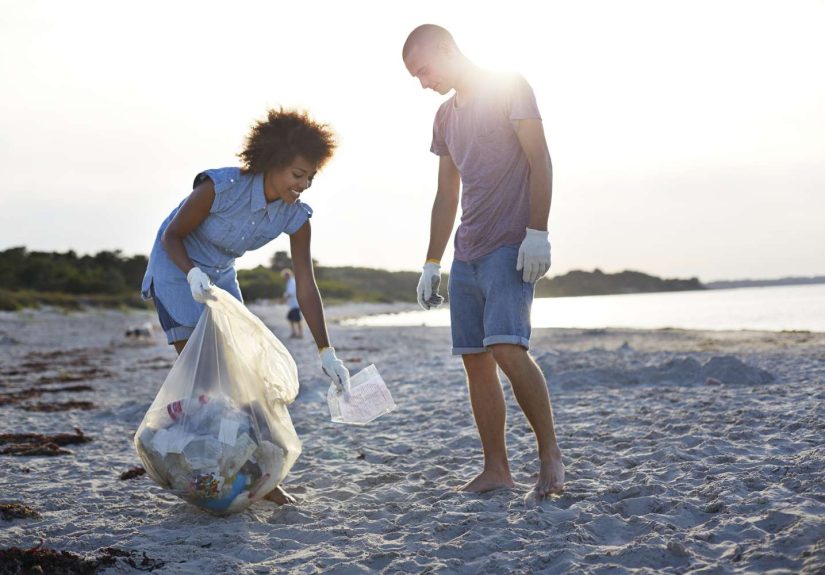
Reducing single-use plastics, improving local waste collection, supporting recycling and reuse systems, and stopping litter before it reaches storm drains all help keep waterways cleaner. Community cleanups are useful, but they are not enough by themselves. The bigger win comes from preventing waste upstream instead of chasing it after it floats away.
6. Change Everyday Habits at Home
Households can make a bigger difference than many people realize. Use fertilizers sparingly, pick up pet waste, maintain septic systems, avoid pouring grease or chemicals down drains, properly dispose of medications, wash cars at commercial facilities that treat wastewater, and reduce the use of products likely to end up in runoff. Small habits matter because pollution is often the sum of a thousand little “that probably does not matter” decisions.
Why Prevention Beats Cleanup
Cleaning up contaminated water is expensive, technically difficult, and sometimes painfully slow. Preventing pollution in the first place is usually far more effective. Once pollutants settle into sediments, spread through aquifers, or move into food webs, the cleanup can take years or decades. Prevention is not glamorous, but neither is explaining to future generations why we somehow thought a river could double as a trash chute and still remain charming.
The best water pollution strategy combines science, policy, infrastructure, local action, and public awareness. Clean water protection is not one heroic fix. It is a layered system of smart decisions made early and often.
Experiences Related to Water Pollution Effects, Causes, and Solutions
For many people, water pollution stops being an abstract environmental issue the moment it becomes personal. It becomes personal when a parent receives a notice about unsafe drinking water and suddenly every sip, bottle, and baby formula mix feels loaded with anxiety. It becomes personal when a family that used to fish at a local lake now sees warning signs about algae or contamination. It becomes personal when a beach that supported summer memories, local jobs, and weekend routines is closed because bacterial levels are too high.
Communities dealing with polluted water often describe a strange mix of frustration and disbelief. Water is basic. It is the one thing people assume should be there, should be safe, and should not require detective work. Yet in places affected by contamination, daily routines become complicated fast. People buy bottled water, install filters, boil water, drive farther for supplies, question what is safe to cook with, and wonder whether the problem is temporary or a sign of something much deeper. That uncertainty can be exhausting.
Teachers, nurses, and parents in affected areas often talk about the emotional side of the issue, not just the scientific one. Children ask whether the water in the school fountain is okay. Coaches worry about outdoor practices near polluted streams after heavy rain. Families with limited incomes feel the burden most sharply because they may not be able to easily absorb the cost of filters, water delivery, plumbing fixes, or medical appointments. Pollution, in that sense, magnifies inequality. The same contaminated water does not create the same level of hardship for everyone.
People who live near rivers, lakes, wetlands, and coasts also notice the ecological changes in deeply practical ways. Anglers talk about fewer fish or warnings that limit what they can keep. Boaters notice murkier water, floating debris, stronger odors, or thick mats of algae where open water used to be. Residents near storm drains learn very quickly that whatever washes down the street often shows up somewhere else later. A heavy rain can reveal the whole hidden system in one afternoon.
There are also encouraging experiences tied to solutions. Communities that restore wetlands, plant stream buffers, replace lead lines, improve sewer systems, or build green stormwater projects often describe a slow but real return of trust. Water gets clearer. Flooding eases. Fish and birds come back. Public parks become more usable. People begin to feel that improvement is possible, not just theoretical. That matters because clean water efforts succeed best when residents can see results and feel ownership over them.
One of the most powerful lessons from these experiences is that water pollution is not only about chemistry. It is about confidence, dignity, health, memory, and place. A clean river changes how a town feels. A safe tap changes how a household sleeps. A restored shoreline changes what children grow up believing is normal. When people protect water, they are not just preserving a resource. They are protecting daily life itself, one glass, one stream, one neighborhood, and one decision at a time.
Conclusion
Water pollution affects far more than the water itself. It touches human health, aquatic ecosystems, recreation, agriculture, infrastructure, and local economies. The causes are varied, from farm runoff and sewage to plastic waste, industrial contamination, and old pipes. The good news is that the solutions are also clear: better infrastructure, smarter land management, stronger regulation, greener cities, cleaner habits, and a public that treats water like the essential resource it is.
Clean water is not a luxury item. It is not a seasonal upgrade or a premium feature. It is the foundation of healthy communities and functioning ecosystems. Protecting it takes work, but the alternative is much more expensive, much more dangerous, and much smellier. And honestly, the fish have been patient enough.