Table of Contents >> Show >> Hide
- Why decluttering matters more than people think
- The biggest benefits of decluttering
- How to declutter without losing your mind
- Room-by-room decluttering tips
- Common decluttering mistakes to avoid
- How to stay clutter-free after the big cleanup
- Real-life decluttering experiences: what people often discover
- Conclusion
- SEO Tags
Decluttering sounds simple until you open one drawer looking for batteries and suddenly find takeout menus from 2019, a mystery charger, three dried-up pens, and a birthday candle you apparently believed would one day save the world. Clutter sneaks in quietly, then sits on your counter like it pays rent. The good news is that getting rid of it does not require a minimalist makeover, a color-coded spreadsheet, or the emotional strength of a monk. It just takes a practical plan.
When you declutter, you are not only making your home look better. You are making everyday life easier. A less crowded space can help you feel calmer, clean faster, find what you need sooner, and reduce some of the little frustrations that eat away at your day. It can also make a home safer, especially in walkways, stairs, bathrooms, and other high-traffic areas.
This guide breaks down the real benefits of decluttering, smart ways to start, room-by-room tips, common mistakes to avoid, and what people often learn once they finally begin. In other words, this is your no-drama, no-perfection-required road map to a more functional home.
Why decluttering matters more than people think
Clutter is not just “stuff.” It is delayed decisions, unfinished tasks, duplicate purchases, and visual noise all piled together. A crowded room can make a person feel behind before the day has even started. You look at the pile of unopened mail, the overstuffed closet, the kitchen counter that has become a storage unit with delusions of grandeur, and your brain quietly mutters, Absolutely not.
That reaction is one reason decluttering matters. A messy environment can feel mentally heavy. Even if you are not consciously thinking about every object in the room, your attention is still being pulled in too many directions. The result is often stress, distraction, procrastination, and a sense that your home is working against you instead of for you.
Decluttering also has a practical side. Clear floors, open walkways, organized cabinets, and less crowded surfaces make daily routines easier. You spend less time hunting for things, less money rebuying items you already own, and less energy trying to “tidy around” a problem that really needs to be solved at the source.
The biggest benefits of decluttering
1. It can make your home feel calmer
One of the most obvious benefits of decluttering is emotional relief. When surfaces are cleaner and rooms are easier to move through, the whole home can feel less chaotic. You may not become a completely different person overnight, but the space often feels lighter. That matters more than people realize.
2. It saves time every single week
Decluttering is a time-saving move disguised as a cleaning project. When everything has a place, you waste less time looking for keys, chargers, school papers, scissors, sunglasses, and that one tape measure that somehow keeps entering witness protection. An organized home also tends to be faster to clean because you are wiping and vacuuming instead of moving twelve random objects before you can begin.
3. It can improve focus
Clutter competes for your attention. A desk covered in unrelated items, a kitchen table buried under papers, or a bedroom chair functioning as a backup closet can make it harder to settle into the task in front of you. Decluttering removes distractions and creates a clearer visual field, which can make it easier to focus on work, family tasks, and even rest.
4. It can make your home safer
Decluttering is not only about appearance. It is also about movement and safety. Shoes left near the stairs, cords crossing walkways, overflowing bathroom products, and items stacked where they can fall are more than annoying. They can create real hazards. This becomes especially important for older adults, households with children, and anyone managing mobility or balance issues.
5. It can support better spending habits
Once you see how much you already own, it becomes easier to buy less on autopilot. Decluttering often reveals duplicates, abandoned hobbies, expired products, and “just in case” purchases that never turned into actual use. That awareness can help you shop more intentionally and keep clutter from boomeranging back into your life.
6. It can help others too
Many decluttered items still have value. Clothes, furniture, household goods, books, electronics, and home improvement materials may be useful to donation centers, nonprofit resale shops, or local community groups. In many cases, decluttering can turn unused belongings into second chances for other people instead of adding to waste.
How to declutter without losing your mind
Start small and visible
If you begin with the attic, garage, or a mystery closet packed since the Bush administration, you may burn out before lunch. Start with a visible, high-impact area instead: the kitchen counter, entryway, coffee table, bathroom sink, or the top of your dresser. Small wins create momentum. Momentum is gold.
Use a simple sorting method
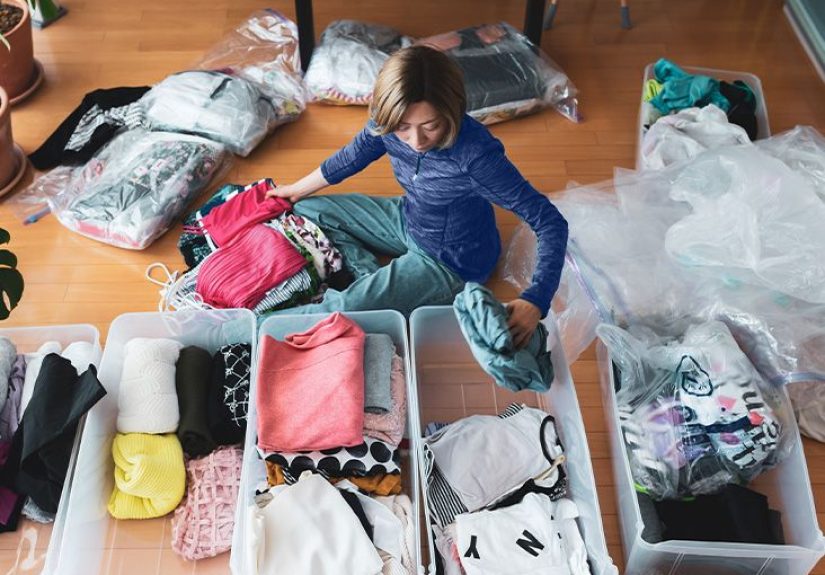
A basic system works better than an overcomplicated one. Many people do well with three or four categories such as keep, donate, trash/recycle, and relocate. That gives every item a job. It also prevents the classic mistake of making one giant pile and then staring at it like it personally insulted you.
Ask better questions
When deciding what stays, try questions like these:
Do I use this? Do I actually like this? Would I buy it again today? Do I have space for it? Is this helping my current life, or am I keeping it for a fantasy version of myself who bakes artisan bread, scrapbooks every weekend, and somehow needs seven mismatched serving bowls?
Questions like these cut through guilt and help you make clearer choices.
Set a timer
Decluttering does not have to be an all-day event. Short sessions often work better because they reduce overwhelm. Try ten minutes, twenty-five minutes, or one focused hour. A short sprint is easier to start, and starting is usually the hardest part.
Finish the exit plan
Decluttering is not done when the donate pile is sitting by the door for two weeks, slowly becoming part of the decor. Schedule a donation pickup, drop items off quickly, shred sensitive papers, and take out the trash the same day when possible. The goal is not to move clutter from one corner to another. Nice try, clutter.
Leave sentimental items for later
Sentimental categories are the hardest because they involve memory, identity, family history, and emotion. Save them for later, once your decluttering muscles are stronger. Start with easier categories like expired products, duplicates, broken items, and things you never liked to begin with.
Room-by-room decluttering tips
Kitchen
Focus on function first. Toss expired food, chipped containers with missing lids, duplicate utensils, takeout packets you never use, and gadgets that seemed exciting until they required twelve steps and a user manual. Keep everyday items easy to reach. If you have to move six things to get one pan, that cabinet is asking for help.
Bedroom
Your bedroom should not feel like a storage unit with pillows. Clear nightstands, remove clothes that do not fit or are never worn, and deal with the famous chair pile. The less visual clutter you have near your bed, the more restful the room tends to feel.
Closets
Declutter by category, not by vague vibes. Gather all jeans, all shoes, all handbags, or all coats together. Seeing the full volume helps you make smarter decisions. Keep what fits, what you wear, and what suits your real routine. If something is only staying because it “might become useful someday,” it may be paying emotional rent without contributing to the household.
Bathroom
Bathrooms hide more clutter than people admit. Sort through expired medicine, old makeup, half-used hotel toiletries, hair tools you never touch, and products you bought because the packaging looked persuasive. Keep daily essentials accessible and group like items together so drawers do not become tiny chaos caves.
Entryway
This is one of the smartest places to declutter because it affects the whole home. Limit shoes, bags, coats, and mail to what your household actually uses regularly. Add hooks, a tray, a bin, or a basket only after you declutter. Storage should support a routine, not excuse a pile.
Paper clutter
Paper is sneaky. It looks flat and harmless until it becomes a leaning tower of urgency. Recycle junk mail fast, file only what truly needs to be kept, and create one place for incoming papers. If every surface is your paper system, you do not have a paper system.
Digital clutter
Yes, digital clutter counts too. Clean up your inbox, delete duplicate photos, remove unused apps, rename vague files, and back up what matters. A messy digital space can feel just as distracting as a messy room. Bonus: you might finally find that document you downloaded and renamed “final-final-real-one.pdf.”
Common decluttering mistakes to avoid
Buying bins before decluttering
Storage is not the first step. Too often, people buy containers to organize items they do not even need to keep. Declutter first. Then decide what kind of storage, if any, actually fits what remains.
Trying to do the whole house at once
Ambition is admirable. Exhaustion is not a strategy. Decluttering one room, one category, or one zone at a time is far more sustainable than pulling everything out everywhere and turning your house into a live-action before photo.
Creating a giant “maybe” pile
A small maybe pile can be useful. A massive one is just delayed clutter with better branding. If you truly cannot decide, box a few uncertain items, label the date, and revisit them later. But do not let indecision become a permanent storage category.
Ignoring emotional resistance
Sometimes clutter is not about laziness. It can be tied to grief, identity, family pressure, fear of waste, or the stress of making decisions. If decluttering feels unusually distressing or the clutter is interfering with normal use of the home, it may help to get support from a therapist, professional organizer, or trusted friend.
How to stay clutter-free after the big cleanup
Decluttering once is helpful. Building habits is what keeps the progress alive.
Start with a few rules that match real life. Put things back after using them. Do a five- or ten-minute reset at the end of the day. Keep donation bags handy. Review closets, drawers, and cabinets every few months. Be careful about what enters the house in the first place.
A simple “one in, one out” rule can help in high-clutter categories such as clothes, toys, mugs, and beauty products. So can a quick weekly reset of your most visible surfaces. The goal is not a showroom. The goal is a home that is easier to live in and easier to maintain.
And remember this: a decluttered home is not a home where nothing is ever out of place. It is a home where things can return to their place without a dramatic committee meeting.
Real-life decluttering experiences: what people often discover
One of the most interesting things about decluttering is that the experience is rarely just about the stuff. People often begin thinking they are going to organize a closet and end up learning something about their habits, stress, routines, and even their optimism. A drawer full of duplicate tape, batteries, scissors, and sticky notes is not really a storage issue. It is often a sign that life got busy and small decisions kept getting postponed.
Many people say the first ten minutes are the hardest. Starting can feel weirdly emotional, especially when the clutter has been there so long that it has become part of the scenery. But once they begin, the process becomes less about loss and more about relief. They realize that the item they were keeping “just in case” was never really serving them. It was just taking up physical and mental room.
Another common experience is surprise. People are often shocked by how many duplicates they own. Five black T-shirts. Four vegetable peelers. Twelve reusable shopping bags stuffed inside one another like a nesting doll situation gone rogue. Decluttering makes the invisible visible. It shows buying habits, procrastination habits, and “I’ll deal with that later” habits all in one place.
There is also usually a strong emotional payoff. A cleaned-off kitchen counter can make cooking feel easier. A less crowded bedroom can feel more peaceful at night. An organized entryway can change the tone of the whole morning because no one is frantically looking for shoes while holding a coffee and negotiating with reality. These small changes often matter more than the dramatic makeover fantasy people imagine at the beginning.
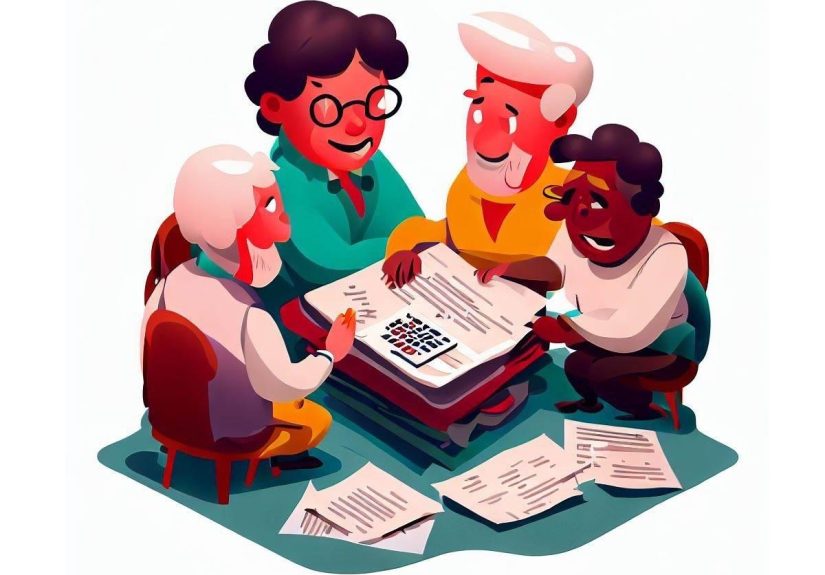
For families, decluttering can also uncover useful conversations. People realize they have been storing items out of guilt, not love. Or they have been keeping children’s belongings long after those items stopped being meaningful. Or they discover that one person in the household cares deeply about clear surfaces while another likes “helpful piles,” which is a generous phrase for tiny chaos stacks. Once that becomes clear, routines can improve because expectations are finally spoken out loud.
People downsizing later in life often describe decluttering as both difficult and freeing. It can bring back memories, but it also creates a chance to choose what still fits the next chapter. Instead of treating every object like a sacred artifact, they begin to focus on what is useful, beautiful, or truly meaningful now. That shift can make the process feel less like giving things up and more like making room.
Even digital decluttering creates a similar effect. Cleaning out an inbox, organizing files, and deleting old screenshots can feel oddly satisfying. It is the modern version of clearing a junk drawer, except the junk drawer is your desktop and it has 183 unnamed files.
In the end, many people discover the same thing: decluttering does not magically solve every problem, but it removes a lot of friction. Home feels easier. Routines feel smoother. Cleaning feels less annoying. And the space starts to support your life instead of silently sabotaging it. That is not nothing. That is a very big deal dressed up as an ordinary Saturday project.
Conclusion
Decluttering is one of the simplest ways to improve how a home looks, feels, and functions. It can reduce visual stress, save time, support better focus, improve safety, and help you make more intentional choices about what you keep and what you bring in. The best part is that you do not need to do it perfectly. You just need to start somewhere small, make clear decisions, and finish the exit plan.
If your home has been feeling crowded, frustrating, or harder to manage than it should, take that as a sign to begin. Clear one counter. Empty one drawer. Fill one donation box. Small action beats grand intention every time. And once your space begins to breathe again, you probably will too.