Table of Contents >> Show >> Hide
- What “White Residue” Usually Is (And Why It Shows Up After Washing)
- Top Causes of White Residue on Clothes (With Specific Examples)
- 1) Using Too Much Detergent (Yes, Really)
- 2) Powder Detergent + Cold Water = The Classic “Chalk Dust” Look
- 3) Hard Water Minerals Trapping Soap and Soil
- 4) Overloading the Washer (Your Clothes Need Room to Move)
- 5) Too Much Fabric Softener (Or Softener Applied the Wrong Way)
- 6) Not Enough Rinsing (Short Cycles, Suds, and the “Rinse Complaint” Problem)
- 7) A Dirty Washer Drum, Gasket, or Dispenser Sneaking Residue Back Into the Load
- 8) Lint, Tissues, and “Wrong Load Mix” Problems
- A Quick Diagnosis: What Does the Residue Look and Feel Like?
- How to Remove White Residue From Clothes (Right Now)
- How to Prevent White Residue on Laundry (Long-Term Fixes)
- Use Less Detergent Than You Think (And Measure It)
- Match the Detergent to the Washer (HE Means HE)
- Warm Water Is Not a Betrayal
- Stop Stuffing the Drum Like a Suitcase
- Choose the Right Cycle (Quick Wash Isn’t for Everything)
- Clean the Washer Like It’s an Appliance (Because It Is)
- If You Have Hard Water, Treat the Cause (Not Just the Symptom)
- When It Might Be a Washer Problem (Not a Laundry Habit Problem)
- FAQ: Quick Answers People Actually Need
- Experiences From Real Laundry Life (The “Yes, This Happened” Section)
- Conclusion
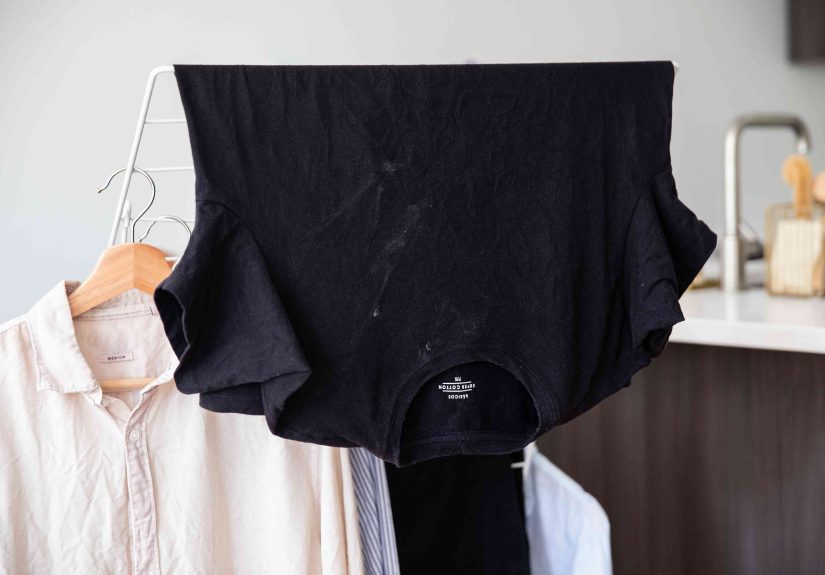
You open the washer expecting fresh, clean laundry… and instead your favorite black tee looks like it
just rolled through a powdered donut factory. White streaks. Chalky specks. A weird film that
laughs at lint rollers. Annoying? Absolutely. Mysterious? Not really.
“White residue on washed clothes” usually comes down to a short list of repeat offenders:
detergent that didn’t rinse out, minerals from hard water, fabric softener spotting, lint and paper
debris, or gunk hiding inside the washer that decided to join your wardrobe uninvited.
Let’s break down what’s actually happening, how to fix today’s load, and how to keep future loads
from looking like you washed them with a bag of flour.
What “White Residue” Usually Is (And Why It Shows Up After Washing)
White residue is a visual symptom, not a single substance. It can be:
- Undissolved detergent (common with powder + cold water or quick cycles)
- Detergent leftovers that stayed trapped in fibers because there wasn’t enough rinsing
- Hard-water minerals mixing with soap and soil to create a chalky film
- Fabric softener spotting (waxy marks from undiluted softener or buildup)
- Lint, tissue paper, or “washer confetti” (paper bits + lint = snow globe effect)
- Washer buildup (detergent scum, residue in drawers/dispensers, or a dirty drum/gasket)
The reason it often stands out on dark clothing is simple: contrast. A tiny amount of residue that’s
invisible on a white towel looks like a crime scene on black leggings.
Top Causes of White Residue on Clothes (With Specific Examples)
1) Using Too Much Detergent (Yes, Really)
More detergent does not mean more clean. Modern washersespecially high-efficiency (HE)
modelsuse less water. If you overdose detergent, the washer may not have enough water (or enough
rinsing time) to flush it all away. The leftovers dry into white streaks or specks.
Example: You “eyeball” detergent for a medium load, but it’s a concentrated 4x formula.
The washer finishes, your navy hoodie comes out with pale streaks along seams where soap collects.
2) Powder Detergent + Cold Water = The Classic “Chalk Dust” Look
Powder detergent needs enough time, agitation, and water temperature to dissolve. Cold water and
short cycles can leave tiny undissolved granules that cling to fabricespecially in tightly packed
loads or when the water is cold enough to feel like it came straight from a mountain stream.
Example: Winter laundry day + “Quick Wash” + powder detergent = white flecks on black tees
and gray sweats. It’s not lint. It’s detergent that never fully dissolved.
3) Hard Water Minerals Trapping Soap and Soil
Hard water contains higher levels of dissolved minerals (mainly calcium and magnesium). Those
minerals can interfere with cleaning by reacting with soap and detergent ingredients, creating film
and residue. You may notice clothes feel stiff, look dull, or hold onto faint white marks even when
you rinse again.
Example: Your towels come out clean-but-crunchy, and dark clothes show a faint chalky haze.
That’s often a hard-water + detergent combo leaving deposits behind.
4) Overloading the Washer (Your Clothes Need Room to Move)
When the drum is packed, clothes can’t circulate properly. Detergent gets trapped in folds, rinse
water can’t flow through fibers, and residue has nowhere to go except… back onto your clothes.
Example: You cram in jeans, hoodies, towels, and a blanket because “it’ll fit.”
It fits physically. It doesn’t wash well. Result: white streaks on the heaviest items.
5) Too Much Fabric Softener (Or Softener Applied the Wrong Way)
Fabric softener is designed to be released at the right time and diluted. When it isn’tbecause the
dispenser is gunky, the dose is heavy, or someone pours it directly onto clothingit can create
waxy spots or streaks. Some marks look white or cloudy, especially on dark synthetics.
Example: The softener drawer is sticky and partially clogged. Softener releases unevenly,
leaving “mystery stains” that feel slightly greasy or rubbery.
6) Not Enough Rinsing (Short Cycles, Suds, and the “Rinse Complaint” Problem)
If the machine doesn’t rinse thoroughlybecause the cycle is short, the detergent is too sudsy, or
the water level is too lowsoap stays behind. This is especially common with non-HE detergents in
HE machines (too many suds can confuse the rinse process).
Example: Your “Eco” cycle saves water, but your detergent dose stays the same.
Your athletic wear comes out with faint white trails where foam got trapped.
7) A Dirty Washer Drum, Gasket, or Dispenser Sneaking Residue Back Into the Load
Washers can collect detergent buildup, mineral deposits, and grimeespecially in detergent drawers,
fabric softener compartments, filters, and rubber door gaskets. That buildup can flake off or smear
onto clothes during washing.
Example: You notice residue mostly after you wash in warm water or run heavy cycles.
The machine is “shedding” old buildup you didn’t know was there.
8) Lint, Tissues, and “Wrong Load Mix” Problems
Sometimes “white residue” is actually lint or shredded paper. Washing towels with fleece or
microfiber can leave lint stuck to everything. One forgotten tissue can create confetti that clings
like it’s paying rent.
Example: You washed a dark hoodie with bath towels. The hoodie looks dusty afterward.
That’s often lint transfer, not detergent.
A Quick Diagnosis: What Does the Residue Look and Feel Like?
| What you see/feel | Most likely cause | Fast confirmation test |
|---|---|---|
| Chalky specks or clumps; brushes off easily | Undissolved powder detergent | Rewash in warm water (no detergent) + extra rinse |
| Faint white streaks, especially along seams | Too much detergent / not enough rinsing | Run a rinse-only cycle; if it improves, it was soap |
| Waxy spots or cloudy patches that feel slick | Fabric softener spotting or buildup | Rub with warm water + a tiny drop of dish soap, then rewash |
| Dusty “snow” on dark clothes after mixing loads | Lint transfer or tissue paper | Check pockets; wash towels separately; clean lint filter (dryer too) |
| Overall dullness + stiffness, recurring issue | Hard water minerals + buildup | Try a load with a water-softening booster and proper dosing |
How to Remove White Residue From Clothes (Right Now)
Step 1: Don’t Dry It Yet (If You Can Help It)
Heat can make some residue harder to remove (especially waxy softener spotting). If the clothes are
already in the dryer, don’t panicyou can still fix itbut it may take an extra round.
Step 2: Rewash or Rinse Correctly
- For detergent residue: Run a rinse-only or rewash with no detergent using warm water if the fabric allows. Add an extra rinse.
- For powder clumps: Warm water + more agitation helps dissolve what cold water left behind.
- For lint/tissue: Shake items out, use a lint roller, and rewash only if needed (usually rinsing and removing debris is enough).
Step 3: Spot-Treat Stubborn Marks
- For streaks: Soak the area in warm water, gently rub fabric against itself, then rinse.
- For waxy softener spots: Work a small amount of gentle dish soap into the mark, rinse, then rewash.
- For mineral film: Consider a laundry booster designed for hard water, following label directions.
How to Prevent White Residue on Laundry (Long-Term Fixes)
Use Less Detergent Than You Think (And Measure It)
If you’re pouring detergent like you’re icing a cake, that’s probably the problem. Measure according
to load size and soil level, and remember: concentrated detergents require smaller doses. If you
routinely see suds after the wash should have started rinsing, you’re likely overdosing.
Match the Detergent to the Washer (HE Means HE)
If you have an HE washer, use HE detergent. Non-HE detergent can create excess suds and leave a film,
which can reduce rinsing performance and cause residue.
Warm Water Is Not a Betrayal
Cold water is great for many loadsbut if you’re dealing with residue and you use powder detergent
or quick cycles, warm water can be the missing ingredient that helps everything dissolve and rinse
away properly.
Stop Stuffing the Drum Like a Suitcase
Clothes need room to tumble. If your washer is packed tight, your rinse water can’t do its job.
A good rule: you should be able to place your hand comfortably on top of the load with space to
move it around.
Choose the Right Cycle (Quick Wash Isn’t for Everything)
Quick cycles are for lightly soiled, small loads. If you’re washing heavy fabrics, towels, or a full
load, use a normal cycle and consider an extra rinseespecially if residue is a recurring issue.
Clean the Washer Like It’s an Appliance (Because It Is)
A washer isn’t self-cleaning just because it uses soap. Regular maintenance matters:
- Run the washer’s cleaning cycle (or a hot empty cycle with a washer cleaner) as recommended.
- Remove and rinse the detergent/softener drawer; scrub away sticky buildup.
- Wipe the door gasket (front loaders especially) and leave the door ajar to dry out.
- Check and clean the drain pump filter (if your washer has one) to prevent redepositing debris.
Note on DIY acids (vinegar/lemon/citric acid): Some cleaning advice online loves vinegar.
Some manufacturers and cleaning experts caution that frequent acidic rinses may damage certain
washer components (especially rubber seals) over time. If you use DIY methods, do it sparingly and
follow your washer’s official care guidance.
If You Have Hard Water, Treat the Cause (Not Just the Symptom)
If hard water is the underlying issue, you’ll keep fighting residue unless you adjust your routine.
Options include:
- Use a water-softening booster designed for laundry (follow label directions).
- Reduce detergent overdosing (hard water often tempts people to add more, which can backfire).
- Consider a home water softener if hard water affects multiple appliances.
When It Might Be a Washer Problem (Not a Laundry Habit Problem)
If you’ve fixed dosing, temperature, and loadingand residue still returnsyour washer may not be
filling, draining, or dispensing correctly. Consider service or troubleshooting if you notice:
- Standing water after the cycle or slow draining
- Detergent/softener drawer constantly clogged or never fully empties
- Rinse cycles that seem unusually short or ineffective
- Recurring debris even after cleaning the drum and filter
FAQ: Quick Answers People Actually Need
Why is white residue worse on black clothes?
Mostly contrast. Also, dark synthetics can hold onto residue and lint more visibly than smooth,
tightly woven cottons.
Can detergent pods cause residue?
Yesespecially in cold water, quick cycles, or packed loads. If a pod doesn’t fully dissolve, it can
leave streaks or a film. Try warm water, smaller loads, or placing pods where your washer manual
recommends.
Is it safe to add more detergent for hard water?
Sometimes hard water requires adjustments, but blindly adding more detergent often creates more
rinse problems. It’s usually better to use a booster designed for hard water and keep detergent
dosing reasonable.
Experiences From Real Laundry Life (The “Yes, This Happened” Section)
Laundry advice can sound tidy on paper. Real laundry is messierliterally. Here are a few common
“white residue” stories (and the lessons they teach) that might feel painfully familiar.
The Black Leggings Betrayal
Someone washes black leggings, pulls them out, and sees white streaks running down the thighs like
the leggings were used to wipe a chalkboard. The natural response is to blame the fabric, the brand,
or the universe. In reality, it’s usually detergent overdosing plus a cycle that didn’t rinse enough.
Dark, stretchy athletic fabric tends to hold onto suds. The fix is boring but effective: use less
detergent, avoid overloading, and add an extra rinse for performance fabrics. If you want to be
dramatic about it, call it “leggings hydration therapy.” The rinse cycle is the therapist.
The Powder Detergent Winter Saga
In cooler months, water entering the washer can be colder than you thinkespecially if the washer is
far from the water heater or you’re using a true cold wash. Powder detergent that worked fine in
summer suddenly turns into tiny white freckles on clothes. People switch detergents, switch cycles,
and start questioning their life choices. The lesson: powder needs help dissolving. Warm water, a
longer cycle, or pre-dissolving powder in a little warm water before adding it can stop the “snowfall
effect” on dark clothes. (And yes, it feels unfair that winter already makes everything harder.)
The “I Was Just Saving Time” Overload Incident
This one starts with good intentions: fewer loads, less time, more efficiency. The drum gets packed
with jeans, hoodies, towels, and maybe one brave bedsheet. The washer finishes, and the thick items
come out with residue trapped in folds and seamsbecause rinse water couldn’t circulate through the
pile. The lesson is simple: “fits” isn’t the same as “washes.” If you frequently see residue on heavy
items, you’re probably overstuffing the drum or using too much detergent for the amount of rinse
water your machine uses. Split the load and you’ll often see an immediate improvement.
The Fabric Softener Mystery Stains
Some households treat fabric softener like a personality trait: “We’re a softener family.” Then one
day, someone notices cloudy white patches on dark shirts that feel a little waxy. It’s often not the
clothesit’s the softener. Too much softener, poured directly onto fabric, or released unevenly from
a sticky dispenser can create spotting. The fix: use less, make sure it’s dispensed correctly, and
clean the drawer. Many people also learn that softener isn’t ideal for certain fabrics (like
microfiber towels and some athletic wear), where it can leave buildup over time.
The Hard Water “Everything Is Slightly Worse” Reality
Hard water rarely announces itself with a single dramatic disaster. It’s more like a slow drip of
mild inconvenience: soap doesn’t lather well, towels feel stiff, whites look dull, and residue keeps
showing up even when you’re “doing everything right.” People often respond by adding more detergent,
which can worsen residue because the washer can’t rinse it all out. The better lesson: treat the
water. A hard-water laundry booster, consistent washer cleaning, and sane detergent dosing can make
laundry feel normal again. It’s not magicit’s chemistry.
The Forgotten Tissue That Started a Tiny Blizzard
This is the most relatable one because it’s not about techniqueit’s about being human. A tissue
survives the pocket check. It shreds. It turns your washer into a paper snow globe. The “white
residue” is actually paper and lint sticking to damp fabric. The fix is mostly mechanical: shake
items out, brush off debris, use a lint roller, and rewash only if needed. The real lesson is to
check pockets like you’re searching for hidden treasure. Because sometimes you are.
Conclusion
White residue on washed clothes is annoying, but it’s also fixableand often preventable. Most cases
trace back to a few predictable factors: too much detergent, powder not dissolving in cold/short
cycles, hard water minerals, overloaded drums, fabric softener spotting, or washer buildup.
Start with the easiest wins: measure detergent, give clothes room to move, choose a cycle with a
solid rinse, and keep the washer clean. If hard water is part of your life, adjust your approach so
you’re not fighting the same battle every load. Your laundry deserves better than looking “lightly
dusted” straight out of the machine.