Table of Contents >> Show >> Hide
- The Quick Answer: What Does “GN” Stand For?
- Why People Use “GN” Instead of Writing “Good Night”
- Is “GN” Friendly, Cold, or Romantic?
- When “GN” Can Feel Rude
- How to Reply to “GN”
- Common Variations Related to “GN”
- Examples of “GN” in Real Text Conversations
- Should You Use “GN” or Spell Out “Good Night”?
- Why Tiny Texts Like “GN” Matter More Than People Think
- Experiences People Commonly Have With “GN” in Texting
- Final Thoughts
If you have ever opened a text, seen a quick little “GN,” and wondered whether you just got dismissed, adored, or politely tucked into bed by Wi-Fi, welcome to modern communication. Texting has turned full sentences into bite-size noodles of meaning, and “GN” is one of the simplest, most common examples. It is short, easy to type, and surprisingly flexible. Two letters. One tiny send button. A whole lot of vibe.
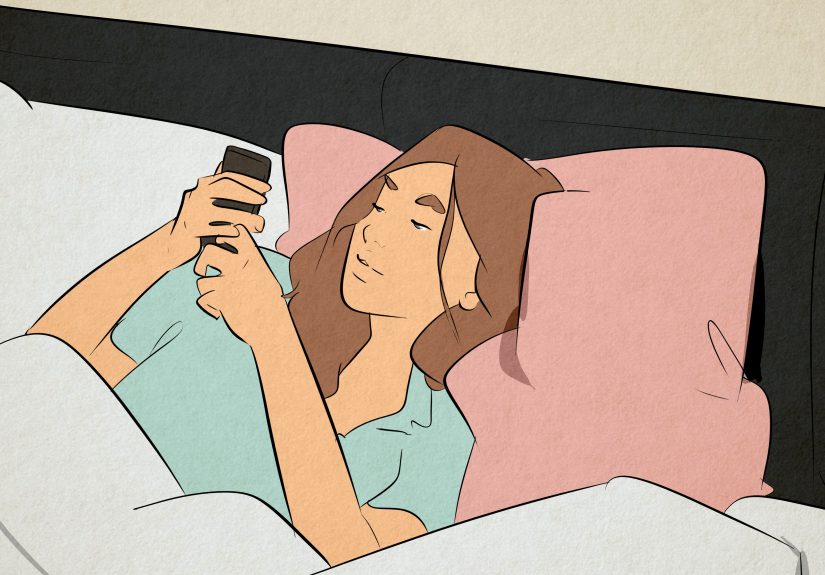
In most cases, “GN” in texting means “good night.” People use it when they are ending a conversation, heading to sleep, or simply wishing someone a restful evening. It is the digital equivalent of turning off the lights, fluffing the pillow, and backing slowly out of the chat.
But as with many texting abbreviations, meaning is only half the story. Tone is the other half. A cheerful “GN :)” feels different from a dry “gn.” A thoughtful good-night text can sound affectionate and attentive, while a rushed one can feel like the conversational version of shutting the car door mid-sentence. So yes, “GN” means “good night,” but how it lands depends on who sent it, how they usually text, and what was happening right before those two letters arrived.
The Quick Answer: What Does “GN” Stand For?
Let’s keep this part wonderfully un-dramatic: “GN” stands for “good night.” It is a standard texting abbreviation used in personal messages, group chats, direct messages, and social media conversations. You might see it written as GN, gn, or tucked into a longer message such as:
- “GN, talk tomorrow!”
- “Okay I’m crashing. gn!”
- “GN everyone”
- “gn sweet dreams”
That is the core meaning almost every time. It is brief, familiar, and easy to understand, which is exactly why it survives in a world already crowded with acronyms, abbreviations, emojis, reaction GIFs, and people who somehow answer every serious question with “lol.”
Why People Use “GN” Instead of Writing “Good Night”
Texting is built on speed. Even though modern phones practically finish our sentences for us, people still like shorthand because it feels casual and efficient. “GN” works because it says enough without asking your thumbs to do overtime.
1. It saves time
This is the obvious reason. If you are sleepy, half under a blanket, and one episode too deep into a show you definitely said you would stop after ten minutes, “GN” gets the message across quickly.
2. It matches informal texting style
Texting is usually more relaxed than email or formal writing. People shorten words, skip punctuation, use lowercase, and let tone ride shotgun. “GN” fits naturally into that style.
3. It signals the conversation is wrapping up
“GN” is not just a bedtime wish. It is also a conversational cue. It tells the other person, “I’m signing off now,” without sounding dramatic. No farewell speech. No emotional exit music. Just a neat little landing.
4. It can feel familiar
Between close friends, partners, siblings, or regular chat buddies, “GN” can become a ritual. The message is short, but the routine feels steady. Sometimes the comfort comes less from the wording and more from the fact that it happens consistently.
Is “GN” Friendly, Cold, or Romantic?
Here is where things get interesting. The abbreviation itself is neutral, but the tone is completely context-driven. Think of “GN” as the plain toast of texting. It is useful on its own, but what surrounds it changes everything.
With friends
Among friends, “GN” usually feels casual and normal. It is often just a simple sign-off.
Example: “I have class early tomorrow. GN!”
No hidden message. No mystery. Just sleep.
With family
In family chats, “GN” often feels practical and warm enough. It may not win a poetry prize, but it does the job.
Example: “Love you, GN.”
With a crush or partner
This is where punctuation, emojis, and extra words start doing heavy emotional lifting. A plain “GN” can feel neutral. A longer message can feel thoughtful or affectionate.
Examples:
- “GN :)” = light and friendly
- “GN, sleep well” = caring
- “GN, dream of me” = playful
- “gn” after a serious conversation = possibly abrupt
With coworkers or professional contacts
In work settings, “GN” is usually too casual unless the relationship is very informal and the conversation is clearly personal. A full “Good night” or “Have a good evening” is usually safer. Two letters can feel efficient, but in professional communication, efficiency sometimes loses to clarity and tone.
When “GN” Can Feel Rude
Most of the time, it is not rude at all. Still, people do not react only to words. They react to timing, rhythm, and emotional temperature. A perfectly innocent “GN” can feel cold in the wrong moment.
It may come across as rude when:
- the other person wrote a long, emotional message and got only “gn” back
- the conversation was tense or unresolved
- you normally text warmly, but suddenly switch to ultra-short replies
- you send it so early that it sounds like an escape hatch instead of a bedtime wish
Imagine this exchange:
Person A: “I feel really stressed about tomorrow and honestly I don’t know how I’m going to handle everything.”
Person B: “gn”
Technically, yes, it still means “good night.” Emotionally, it means, “This conversation has hit a wall and the wall is wearing pajamas.”
If you want to sound kinder, add just a little more language:
- “GN. Hope tomorrow gets easier.”
- “Good night, get some rest. We can talk more tomorrow.”
- “GN, I’m rooting for you.”
How to Reply to “GN”
The good news is that there is no complicated etiquette exam here. Your reply can match the relationship and the tone.
Simple replies
- “GN!”
- “Good night!”
- “Sleep well.”
- “Sweet dreams.”
Warmer replies
- “GN, rest up.”
- “Good night, talk tomorrow.”
- “Sleep well, you earned it.”
Playful replies
- “GN, don’t let your alarm betray you.”
- “Good night. May your blanket remain perfectly cold on both sides.”
- “GN. Dream of pizza, not deadlines.”
If the relationship matters, a small upgrade from “GN” to a full sentence can make a bigger difference than people expect.
Common Variations Related to “GN”
Texting language loves spin-offs. Once people shorten one phrase, they usually shorten five more just for sport. You may see variations related to bedtime or farewell texting, including:
- GM = good morning
- GNSD = good night, sweet dreams
- Nite or night = casual good night
- TTYL = talk to you later
- BRB = be right back
- GTG = got to go
These abbreviations are part of the same larger habit: trimming language down to the essentials. Sometimes that makes communication feel breezy and natural. Other times, especially in more personal conversations, it can feel a little too trimmed, like a hedge that got attacked by overenthusiastic landscaping tools.
Examples of “GN” in Real Text Conversations
Here are a few realistic examples that show how the same abbreviation can carry different tones:
Example 1: Casual friend chat
Ava: “I can’t believe we talked about that show for two hours.”
Mia: “Same. I need sleep. GN!”
This feels normal, light, and friendly.
Example 2: Caring tone
Chris: “Long day. I’m wiped out.”
Jordan: “GN. Hope you get a really solid night of sleep.”
Same meaning, but more warmth.
Example 3: Slightly distant tone
Taylor: “Are you still upset with me?”
Sam: “gn”
That feels abrupt because the context is emotionally loaded.
Example 4: Flirty but still tame
Riley: “I should sleep, but I’m still smiling about dinner.”
Casey: “GN 🙂 Talk tomorrow?”
The smile and follow-up question soften the message.
Should You Use “GN” or Spell Out “Good Night”?
Both are fine. The better choice depends on the impression you want to make.
Use “GN” when:
- the conversation is casual
- you already text this way with the person
- you want to keep things quick and relaxed
Use “Good night” when:
- you want to sound more thoughtful
- the conversation has emotional weight
- you are texting someone new and want to avoid sounding too clipped
- you are communicating in a more professional or polite setting
In other words, shorthand is convenient, but convenience is not always the same as connection. If your goal is simply to sign off, “GN” works. If your goal is to leave someone feeling seen, a few extra words can go a long way.
Why Tiny Texts Like “GN” Matter More Than People Think
It is easy to laugh off a two-letter message as nothing important. But texting is full of tiny signals. People notice reply speed, punctuation, capitalization, emojis, and whether you say “good night” at all. Small habits can create a sense of familiarity. They can also create confusion when they suddenly change.
That is why “GN” matters. Not because it is deep on its own, but because it often becomes part of a pattern. A nightly text can feel dependable. A missing one can feel noticeable. A warm one can feel reassuring. A flat one can feel like a shrug in electronic form.
Language online is not just about definitions. It is about relationships, tone, timing, and expectation. “GN” happens to sit right at that intersection. It is simple enough for everyone to use, but flexible enough to mean slightly different things depending on the person behind the screen.
Experiences People Commonly Have With “GN” in Texting
One of the most common experiences with “GN” is realizing that the exact same message can feel completely different depending on who sends it. When a close friend texts “GN” after a funny conversation, it feels easy and familiar. When someone you barely know sends it after a short chat, it can feel polite but distant. And when someone you really like sends it with an emoji, a joke, or a small extra sentence, suddenly those two letters feel like they showed up wearing a tuxedo.
Many people first learn the meaning of “GN” the ordinary way: by context. They see it at the end of a conversation, guess it means “good night,” and move on with life. No fireworks. No dramatic revelation. Just one more small addition to the brain’s giant drawer labeled things people type instead of full words now. But after that first moment, they begin noticing how often it appears. It pops up in group chats, late-night conversations, family threads, gaming chats, and casual check-ins. It is everywhere because bedtime happens to everybody, even the people who swear they are “not tired at all” while spelling every third word wrong.
Another common experience is overthinking it. Someone gets a plain “gn” from a person who usually texts in longer messages and immediately starts conducting a private investigation worthy of a detective drama. Was the lowercase intentional? Why no emoji? Why no exclamation point? Why did they send it at 8:47 p.m.? Are they actually sleeping, or are they just escaping this conversation like a magician dropping through a trapdoor? Most of the time, the answer is boring: they were tired. Still, texting turns tiny details into giant emotional weather reports, so people naturally read into them.
There is also the routine factor. In many friendships and relationships, a good-night message becomes a quiet habit. It is not flashy, and it may only take three seconds to send, but it starts to feel meaningful because it is consistent. That routine can create comfort. It says, “We may not have solved life today, but here is one small sign that I remembered you before sleep.” That is why some people notice immediately when the message disappears. The missing text may not mean anything serious, but the break in pattern can still feel surprisingly loud.
People also learn that “GN” works best when it matches the mood of the conversation. After a light exchange, it feels natural. After someone shares something stressful, a plain abbreviation can feel too thin. That experience teaches a useful texting lesson: sometimes two letters are enough, and sometimes they are not. If the moment needs warmth, adding “sleep well,” “talk tomorrow,” or “hope you feel better” can completely change how the message lands.
In the end, most people experience “GN” as one of those tiny digital habits that seems trivial until you live with it. It is short, common, and easy to overlook. Yet it can signal care, routine, distance, affection, or simple exhaustion, all depending on context. Not bad for two letters that basically just moonlight as bedtime.
Final Thoughts
So, what does “GN” mean in texting? In plain English, it usually means “good night.” It is a common, casual abbreviation used to end conversations and wish someone a restful evening. That is the dictionary-level answer.
The human-level answer is a little richer. “GN” can feel warm, neutral, affectionate, efficient, playful, or abrupt depending on the relationship, timing, and tone. If you want quick and casual, it works beautifully. If you want thoughtful and memorable, give those two letters a little company.
Because in texting, the smallest messages often do the biggest emotional cartwheels.