Table of Contents >> Show >> Hide
- Why a Drone-to-the-Face Impact Can Be a Big Deal
- Common Injuries When a Drone Hits Your Face
- What To Do Immediately (The First 10 Minutes)
- Urgent Care vs. ER: Where Should You Go?
- What Treatment Might Look Like
- The “Hidden” Damage People Miss
- Who’s Responsible If a Drone Hits You in the Face?
- Reporting: Does This Have To Be Reported to the FAA?
- How to Reduce the Odds of a Repeat Face-Drone Encounter
- Conclusion
- Real-World Experiences & Lessons (What People Commonly Report)
Let’s set the scene: you’re outside enjoying a nice day, someone yells “Watch this shot!”, andwhapyou get an unexpected “close-up” from a drone. It’s not the futuristic moment you imagined. It’s more like a tiny helicopter had a bad day and chose your face as its emotional support landing pad.
If you’re wondering what actually happens to your body (and your wallet) when a drone hits you in the face, you’re in the right place. We’ll break down the likely injuries, what to do immediately, when to head to urgent care vs. the ER, and how liability and reporting can work in the U.S. And yesthere are real medical case reports involving serious eye trauma from drone propellers. So we’re going to keep this fun, but not reckless.
Why a Drone-to-the-Face Impact Can Be a Big Deal
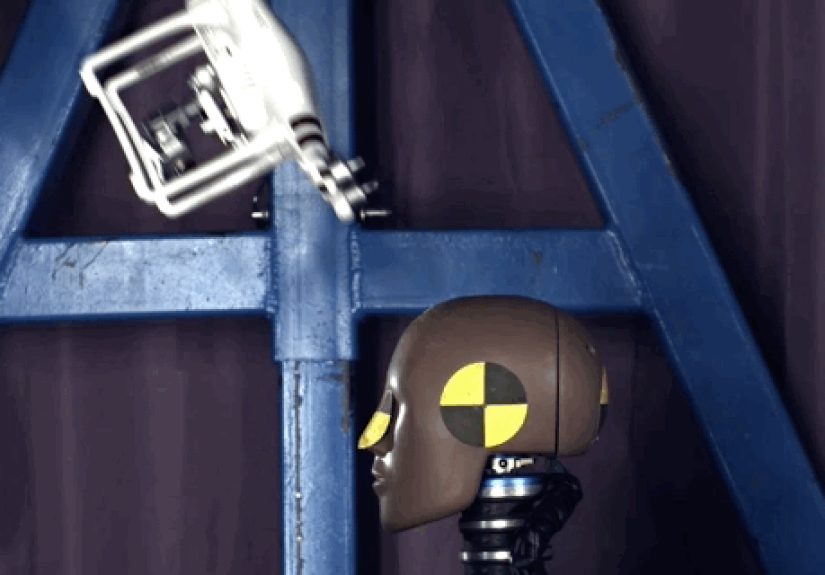
Most consumer drones combine two things that don’t belong anywhere near your cheekbones: spinning propellers and hard, fast-moving parts. Even “small” recreational drones can cause cuts, bruises, and eye injuries. Larger camera drones can add enough force to cause fractures or concussions.
It’s not just the “bonk”it’s the “blender”
When a drone hits your face, the injury mechanism usually comes from one (or more) of these:
- Blunt force from the drone body (think: bruising, broken nose, dental injury).
- Propeller contact (think: lacerations, eyelid cuts, and potentially severe eye trauma).
- Secondary impacts (you flinch, stumble, hit the ground, or smack into something else).
Common Injuries When a Drone Hits Your Face
1) Cuts and lacerations
Facial skin is thin, vascular, and dramatic about bleeding. A propeller strike can cause anything from a superficial cut to a deeper lacerationespecially around the forehead, eyebrows, and eyelids. Even if it looks “not that bad,” facial wounds can hide deeper damage and often need careful cleaning and closure to reduce scarring.
2) Eye injuries (the one everyone wants to avoid)
Eyes are delicate, and drones are not. Medical reports describe injuries ranging from eyelid lacerations and bleeding in the front of the eye (hyphema) to serious globe injuries in children after a drone propeller strike. If the eye is involved, treat it as urgent.
3) Broken nose or facial fracture
A nose takes up prime real estate on your face and has a long history of being hit by objects that should not be near it. A drone impact can cause swelling, bruising, nosebleeds, a crooked appearance, and trouble breathing through the nose. Some nasal fractures don’t need surgery, but many need evaluationespecially if breathing is affected or the shape changes after swelling goes down.
4) Concussion or head injury
If the impact is strong enoughor if you fall after being struckconcussion becomes a concern. Red flags include worsening headache, repeated vomiting, confusion, seizures, weakness/numbness, or unusual sleepiness. If those show up, that’s not “sleep it off” territory.
5) Dental and jaw issues
Drones don’t aim for teeth on purpose, but they’re equal-opportunity chaos machines. A strike to the mouth can chip teeth, loosen them, cut lips, or aggravate the jaw joint. If you notice teeth that feel “off,” pain when biting, or jaw clicking that wasn’t there before, get checked.
What To Do Immediately (The First 10 Minutes)
Your goal is to stop the bleeding, protect the eye/airway, and get to the right level of carewhile collecting enough information that you’re not stuck later playing “Guess Who Was Flying That Thing.”
Step 1: Make the scene safe
- Move away from the drone if it’s still powered and the props are spinning.
- If you can do so safely, have someone power it down and keep it away from people.
Step 2: Control bleeding (face bleeds like it’s auditioning for a horror film)
- Apply firm, direct pressure with clean gauze or cloth.
- Hold pressure steadilydon’t peek every two seconds to “check.”
- If bleeding won’t stop, is spurting, or you feel faint, call emergency services.
Step 3: If the eye is injured, treat it like a VIP
- Do not rub the eye.
- If there’s a cut, puncture, or object stuck in/near the eye: do not remove it.
- Protect the eye with a loose shield (even the bottom of a paper cup can work) without pressing on it.
- Get urgent medical care.
Step 4: Check for “go now” symptoms
Go to the ER (or call 911) if you have:
- Eye pain, vision changes, blood in the eye, or anything that looks like eye trauma
- Uncontrolled bleeding
- Loss of consciousness, confusion, worsening headache, repeated vomiting
- Severe facial pain or deformity, trouble breathing through the nose, or heavy nosebleed
- Deep wounds, gaping cuts, or wounds with visible fat/tissue
Step 5: Do quick “documentation mode” (without turning it into a photoshoot)
- Get the drone operator’s name and contact info.
- Take photos of the injury and the drone (especially propellers/guards).
- Note time, location, and any witnesses.
- If it happened at an organized event or business, notify the organizer and ask for an incident report.
Urgent Care vs. ER: Where Should You Go?
Urgent care can be reasonable for:
- Small, clean cuts that likely need basic closure (glue/steri-strips/sutures) but no eye involvement
- Minor bruising without severe pain or deformity
- Questions about tetanus updates after a superficial wound
ER is the better choice for:
- Any eye involvement or vision symptoms
- Deep facial lacerations, especially near eyelids or lips
- Possible fracture (nose looks crooked after swelling, breathing trouble, severe pain)
- Concussion red flags or significant head impact
When in doubt, choose the place that can do imaging, consult specialists, and manage complications. Your face is not the place to gamble on “probably fine.”
What Treatment Might Look Like
Cleaning and closing the wound
Clinicians will usually irrigate the wound, assess depth, and decide on closure (glue, steri-strips, or sutures). Face wounds are often closed carefully to reduce scarring and protect nearby structures (like the eyelid margin).
Eye evaluation (sometimes very specialized)
If the eye is involved, evaluation may include fluorescein staining, pressure checks (when safe), and sometimes imaging. Serious injuries can require ophthalmology interventionespecially if there’s concern for globe injury or internal bleeding.
Nasal/facial injury care
If there’s concern for a nasal fracture, the clinician may look for septal hematoma (a complication that needs prompt treatment), check breathing, and advise follow-up within a few days if swelling obscures the final shape.
Tetanus and infection prevention
For cuts (especially deeper ones), clinicians may review your tetanus vaccination status and recommend a booster depending on your history and the wound type. They’ll also advise on wound care and warning signs of infection.
The “Hidden” Damage People Miss
Scarring and pigment changes
Facial cuts can scar even when treated well. Sun protection, proper wound care, and follow-up matter. If the cut crosses natural facial lines or involves the lip/eyelid, technique and timing become even more important.
Emotional whiplash
It’s normal to feel anxious around drones after an impact, especially if you experienced heavy bleeding or eye trauma. If you notice ongoing anxiety, sleep disruption, or avoidance that affects daily life, it’s worth talking to a professional. “It was just a drone” isn’t always how your nervous system experiences it.
Who’s Responsible If a Drone Hits You in the Face?
Liability depends on the facts, but in many everyday scenarios, it comes down to negligence: did the operator fly in a careless way, too close to people, in poor conditions, or without appropriate precautions?
Potential responsible parties
- The drone operator (most common): poor control, reckless flight, ignoring safety rules.
- An employer: if the operator was flying for work and within job duties.
- An event organizer: if they hired the operator or created unsafe conditions (varies by situation).
- A manufacturer: if a defect plausibly caused loss of control (harder, but not impossible).
Insurance: the unglamorous hero
Depending on the situation, coverage might come from the operator’s liability insurance, a business policy, or (in some cases) personal policies. Don’t assume “it’s a toy, so no one pays.” Medical bills, follow-up care, and lost work can add up fast, so documentation matters.
Reporting: Does This Have To Be Reported to the FAA?
In the U.S., certain drone operations fall under FAA rules that include reporting requirements. For example, under FAA Part 107, the remote pilot in command must report certain safety events within a specific timeframe when there is serious injury, loss of consciousness, or property damage over a set dollar threshold (excluding the drone itself).
Practically: if a drone causes significant harm, it’s smart for the operator to understand their reporting obligations. For the injured person, it’s useful to know that reporting rules existbecause it discourages the “let’s pretend that never happened” approach.
How to Reduce the Odds of a Repeat Face-Drone Encounter
If you’re a drone pilot
- Don’t fly over uninvolved people unless you’re operating under rules/equipment designed for it.
- Use propeller guards when appropriateespecially in close quarters or training flights.
- Keep a buffer zone. “It’ll be fine” is not a safety plan.
- Practice in open areas and avoid flying near crowds, kids, or pets.
- Pre-flight checks: batteries, props, firmware, wind conditions, and return-to-home settings.
If you’re a bystander
- If a drone is flying low near people, take a step backespecially if it’s hovering near faces for “the shot.”
- Keep kids from “running under” drones. (Kids love danger. Drones love gravity.)
- If something feels unsafe at an event, tell staff. You’re not being dramatic; you’re being intact.
Conclusion
A drone crash into your face can be anything from a messy nuisance to a serious medical emergencyespecially if the eye is involved. The smartest move is to treat facial and eye injuries with urgency, control bleeding correctly, and get evaluated when symptoms suggest deeper damage. Then, document what happened so you can handle medical follow-up, insurance, and accountability without guesswork.
Drones are incredible tools. They’re also flying appliances with spinning blades. Respect the physics, fly responsibly, and keep your face out of the flight path. Your future selfies will thank you.
Real-World Experiences & Lessons (What People Commonly Report)
The moment right after a drone strike is oddly confusing. Many people describe a split second of “What just happened?” before the pain fully registers. That’s partly adrenaline and partly the brain trying to make sense of an impact that doesn’t fit the usual threat categories. You expect a ball, maybe a branchnot a camera platform with propellers.
One common experience is the shock of bleeding. Facial cuts can look dramatic fast, and that can spike anxiety even when the injury is treatable. People often say the bleeding made them feel worse than the pain at first. The useful lesson here is boring but effective: steady pressure and a calm helper make the situation feel 70% less like a crisis. If you’re the helper, your job is to be the “human tripod”: stable, steady, and not panicking.
When the injury involves the eyelid or eyebrow, people frequently report swelling that ramps up over the next hour. The face is excellent at puffing up like it’s auditioning for a cartoon. That swelling can make it hard to judge the true shape of the nose or cheekbone immediately, which is why clinicians often recommend follow-up if deformity or breathing issues show up after the swelling settles. In other words, the injury can “reveal itself” later, which is annoying but normal.
Another recurring theme: the delayed “uh-oh” with vision. Some people feel fine for a bit, then notice blurred vision, light sensitivity, or a gritty sensation. That’s one reason eye symptoms are a hard line: if the eye got hit, don’t wait for it to become a bigger story. People who sought care quickly often describe relief that a clinician checked for serious problemseven if the final outcome was a simpler treatment. Peace of mind is a legitimate medical benefit.
On the practical side, many folks wish they’d collected basic info sooner. In the scramble, it’s easy to forget the operator’s name, or to assume the drone owner will “do the right thing.” Sometimes they do. Sometimes they vanish faster than the drone’s battery percentage. A quick photo of the drone and a calm request for contact information can prevent weeks of frustration later. If the operator is a friend or family member, documentation can feel awkwardbut it’s still wise, because insurance processes are paperwork creatures that feed on details.
Finally, there’s the emotional aftertaste. People often describe a new flinch response when they hear that familiar buzzing sound, or a sudden dislike of drones at parks and events. That reaction is not silly; it’s your brain updating its “threat dictionary.” The helpful lesson: you don’t have to minimize it. If the anxiety fades, great. If it sticks, talk to someone. Getting hit in the face by a flying machine is objectively weird, and it’s okay to treat your nervous system like it deserves customer support.