Table of Contents >> Show >> Hide
If you’ve ever experienced a sudden headache, dizziness, or tingling in your limbs, you’ve likely wondered whether it’s time to see a neurologist. Neurologists are doctors who specialize in the diagnosis and treatment of conditions that affect the nervous system, which includes the brain, spinal cord, and nerves. But what exactly do neurologists treat, and what procedures can they perform? In this article, we’ll dive deep into the role of a neurologist, explore what they treat, and shed light on the procedures they perform to help patients recover.
What is a Neurologist?
A neurologist is a medical doctor who specializes in the diagnosis, treatment, and management of disorders affecting the nervous system. This system includes the brain, spinal cord, nerves, and muscles. Neurologists are experts in managing diseases like Alzheimer’s, epilepsy, Parkinson’s disease, and various types of headaches.
To become a neurologist, a person must complete extensive training. First, they must obtain a medical degree (MD or DO), followed by a residency program in neurology, which typically lasts about four years. Some neurologists may choose to further specialize by undergoing additional fellowship training in specific areas like neuroimmunology, epilepsy, or movement disorders.
What Do Neurologists Treat?
Neurologists are equipped to treat a wide range of conditions that affect the nervous system. These include, but are not limited to:
1. Headaches
Headaches are one of the most common reasons people visit neurologists. While most headaches are relatively harmless, some can signal more serious conditions such as migraines, tension headaches, or cluster headaches. Neurologists diagnose the underlying cause of severe headaches and offer treatments to manage symptoms and improve quality of life.
2. Stroke
A stroke occurs when the blood flow to part of the brain is interrupted, leading to brain damage. Neurologists are crucial in diagnosing and managing stroke patients, often using imaging techniques like CT scans or MRIs to determine the extent of brain injury and to develop a treatment plan that can prevent further damage.
3. Seizures and Epilepsy
Epilepsy is a neurological condition that causes repeated seizures. Neurologists diagnose epilepsy through clinical evaluations, EEGs (electroencephalograms), and brain imaging. They work to determine the underlying cause of seizures and prescribe medications to control them.
4. Parkinson’s Disease
Parkinson’s disease is a progressive neurological disorder that affects movement. Common symptoms include tremors, rigidity, and bradykinesia (slowness of movement). Neurologists use various diagnostic tools, including physical exams and brain scans, to confirm the diagnosis and help manage symptoms with medications, therapy, and sometimes surgery.
5. Alzheimer’s Disease and Dementia
Alzheimer’s disease is a progressive condition that impairs memory, thinking, and behavior. Neurologists diagnose Alzheimer’s disease through a combination of cognitive tests, brain imaging, and lab tests. They focus on helping patients manage symptoms and maintain a quality of life for as long as possible.
6. Multiple Sclerosis (MS)
Multiple sclerosis is a disease where the immune system attacks the protective covering of nerves. Neurologists diagnose MS using MRI scans, lumbar punctures, and blood tests. While there is no cure, neurologists manage MS with treatments that slow the progression and address symptoms like muscle weakness and vision problems.
7. Peripheral Neuropathy
Peripheral neuropathy involves damage to the nerves outside the brain and spinal cord, often causing pain, numbness, and tingling in the extremities. Neurologists diagnose and treat various forms of neuropathy, which can result from diabetes, infections, and other conditions.
8. Movement Disorders
Conditions like essential tremor, dystonia, and Tourette syndrome fall under the category of movement disorders. Neurologists assess these conditions through neurological exams and imaging and provide medications or therapies that help manage involuntary movements.
What Procedures Do Neurologists Perform?
Neurologists are not only involved in diagnosing neurological disorders but also perform several procedures to help manage or treat these conditions. Some of the most common procedures include:
1. Lumbar Puncture (Spinal Tap)
A lumbar puncture involves collecting cerebrospinal fluid (CSF) from the lower back to test for infections, bleeding, or other issues in the brain and spinal cord. It is often used to diagnose conditions like multiple sclerosis, meningitis, and certain types of cancer.
2. Electroencephalogram (EEG)
An EEG records the electrical activity of the brain. Neurologists use this procedure to diagnose seizures, epilepsy, and other brain-related issues. Electrodes are placed on the scalp to monitor brain waves and identify abnormalities.
3. Electromyography (EMG) and Nerve Conduction Studies (NCS)
EMG and NCS help neurologists diagnose nerve and muscle disorders. EMG measures the electrical activity of muscles, while NCS evaluates the speed and strength of electrical signals as they travel through nerves. These tests are essential in diagnosing conditions like carpal tunnel syndrome, neuropathy, and muscular dystrophy.
4. Brain Imaging (CT, MRI, PET Scans)
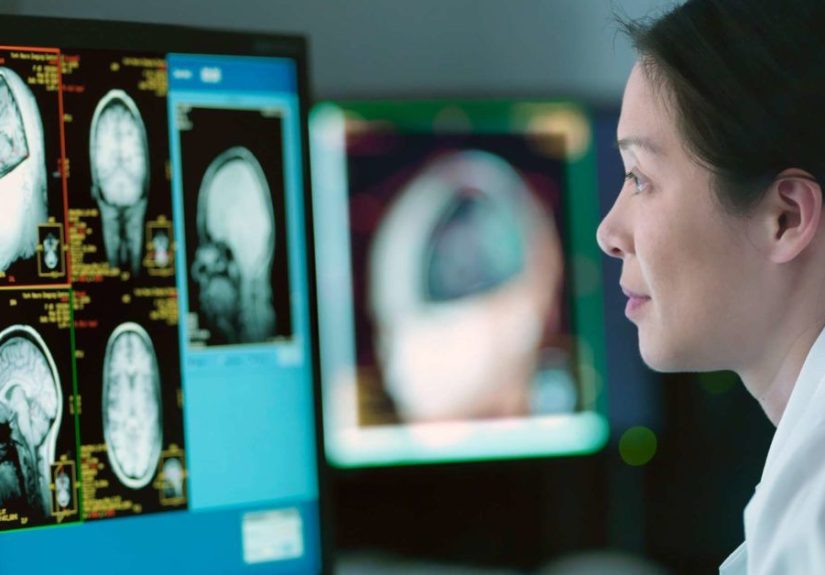
Brain imaging techniques such as CT (computed tomography) scans, MRI (magnetic resonance imaging) scans, and PET (positron emission tomography) scans are invaluable in the diagnosis of brain tumors, strokes, Alzheimer’s disease, and many other neurological conditions. Neurologists use these scans to visualize abnormalities in the brain and make informed decisions about treatment.
5. Carotid Ultrasound
A carotid ultrasound is used to assess the blood flow in the carotid arteries in the neck. This procedure is often performed on patients at risk for stroke to detect blockages or narrowing that could potentially lead to a stroke.
6. Deep Brain Stimulation (DBS)
Deep brain stimulation (DBS) is a surgical procedure used to treat movement disorders like Parkinson’s disease. It involves implanting a device that sends electrical impulses to specific areas of the brain, helping to control symptoms like tremors and rigidity.
When Should You See a Neurologist?
If you’re experiencing symptoms like persistent headaches, memory loss, difficulty moving, numbness or tingling, or seizures, it’s a good idea to consult a neurologist. Neurological conditions can sometimes be serious and lead to long-term complications, so early diagnosis and treatment are crucial to improving outcomes.
Conclusion
Neurologists play a vital role in diagnosing and treating disorders that affect the nervous system, which is responsible for controlling everything from movement and sensation to memory and cognition. Whether it’s a chronic condition like Parkinson’s disease or an acute issue like a stroke, neurologists provide specialized care that is critical to improving the quality of life for their patients. With their expertise in both diagnosis and procedure, neurologists help patients navigate complex neurological conditions with the aim of managing symptoms, slowing disease progression, and maintaining overall well-being.
sapo: Curious about neurologists? This guide explores what they do, the conditions they treat like Alzheimer’s and Parkinson’s, and the procedures they perform to help manage these disorders.
Real-Life Experiences with Neurologists
Understanding what a neurologist does is essential for anyone experiencing symptoms related to the nervous system. One personal experience that stands out is that of a woman in her late 50s who began experiencing unexplainable tremors in her hands. Initially dismissed as simply a sign of aging, her symptoms worsened over time, making everyday tasks like writing and holding cups of coffee increasingly difficult. She finally visited a neurologist, who conducted an EEG and MRI scan. The results revealed that she had early-stage Parkinson’s disease, a diagnosis that would have been difficult to confirm without the expertise of a neurologist.
Another example involves a man in his 40s who suffered a sudden stroke. After being rushed to the hospital, he was evaluated by a neurologist who used a CT scan to assess the damage. Thanks to the quick response and the neurologist’s expertise in stroke management, the man received treatment that significantly reduced the extent of his impairment. Today, he is on the road to recovery, with his neurologist playing a key role in his rehabilitation.
These experiences highlight the importance of seeing a neurologist when facing neurological issues. Their expertise, diagnostic procedures, and treatment options can make all the difference in improving outcomes and helping patients manage their conditions effectively.