Table of Contents >> Show >> Hide
- Fragile masculinity, in plain English
- What fragile masculinity looks like in real life
- Why it happens: the psychology and the social pressure
- Why it matters: the costs add up
- How to deal with fragile masculinity
- A quick self-check: is masculinity driving the moment?
- Conclusion: masculinity doesn’t have to be fragile
- Real-World Experiences: 5 Stories (Composite) and What They Teach
Fragile masculinity is what happens when “being a man” feels like a test you can fail at any momentso you start living like you’re one comment away from a pop quiz.
It’s the vibe behind the guy who thinks a scented candle is a gateway drug to losing his driver’s license, or the coworker who treats a woman’s promotion like an incoming asteroid.
And while it can look funny from the outside (“He’s scared of pastel?”), it can get painful fastespecially for the people around it, and for the man stuck inside it.
This article breaks down what fragile masculinity actually is (and what it isn’t), how it shows up in real life, why it happens, andmost importantlyhow to deal with it
without turning every conversation into a courtroom drama titled Masculinity v. Oat Milk.
Fragile masculinity, in plain English
Fragile masculinity is a pattern of anxiety and defensiveness that shows up when someone feels their masculinity is being questioned, judged, or “downgraded.”
It’s not “men are bad,” and it’s not even “men are insecure.” It’s more specific: masculinity feels precarious, like a status you have to constantly earn and protect.
When that status feels threatened, some men overreactsometimes in small ways (mocking “feminine” things), sometimes in harmful ones (aggression, control, harassment).
Where the idea comes from: “precarious manhood”
In psychology, a closely related concept is precarious manhoodthe idea that, in many cultures (including the U.S.), manhood is treated like a social achievement:
hard-won, publicly evaluated, and easy to lose. If masculinity is something you’re expected to prove, then threats to it can feel like threats to your identity,
your respect, and your place in the pecking order.
Fragile masculinity vs. toxic masculinity vs. plain insecurity
These terms get tossed around like confetti, so let’s de-tangle them:
- Insecurity: A general feeling of self-doubt (could be about anythingwork, looks, relationships).
- Fragile masculinity: Insecurity specifically tied to masculinityfear of being seen as “less of a man,” leading to defensiveness or overcompensation.
- Toxic masculinity: Harmful norms associated with rigid masculinity (e.g., emotional suppression, dominance, entitlement, contempt for “feminine” traits).
Fragile masculinity often fuels toxic behaviorsbut the goal isn’t to label people as villains. The goal is to spot the pattern early, before it turns into a lifestyle.
What fragile masculinity looks like in real life
Fragile masculinity isn’t always loud. Sometimes it’s a quiet, constant “Nope” to anything that might be coded as feminine. Other times it’s a full-volume performance.
Here are some common forms.
1) The “that’s not manly” allergy
A harmless hobby becomes a threat. A preference becomes a referendum. Examples:
- Refusing to order certain drinks because they’re “girly.”
- Mocking another guy for skincare, dancing, therapy, or showing affection.
- Acting like basic household skills are a personal attack (“I don’t fold laundryI fight bears”).
2) Overcompensation when masculinity feels questioned
When some men feel threatened, they “prove” masculinity by leaning harder into dominance, risk-taking, aggression, or status moves:
talking over others, picking fights, showing off, sexual bragging, or treating every disagreement like a cage match.
3) Workplace blow-ups: status and control games
Research discussed in major business and news outlets has described how masculinity threat at work can lead to rule-breaking and interpersonal sabotagethings like undermining colleagues,
withholding help, cutting ethical corners, or acting out when a man feels less autonomous or less respected.
In plain terms: some people don’t handle “I’m not the alpha here” very gracefully.
4) Online behavior: harassment as a “masculinity refill”
One reason online spaces can get so nasty is that they offer cheap, fast ways to reclaim status: pile-ons, insults, “owning” someone, sexualized harassment, and bullying.
If masculinity feels like a scoreboard, the internet hands out points for cruelty.
5) Relationship patterns: jealousy, emotional shutdown, control
In dating or long-term relationships, fragile masculinity can show up as:
- Jealousy framed as “respect” (“If you respected me, you wouldn’t…”).
- Discomfort with a partner earning more, being more educated, or being more socially confident.
- Controlling behavior: monitoring, guilt-tripping, “tests,” or punishment-by-silence.
- Refusing vulnerabilitythen feeling misunderstood, then getting resentful.
Why it happens: the psychology and the social pressure
Masculinity as a performance with an audience
A key driver is the beliefoften learned earlythat masculinity must be demonstrated and validated by other people.
That’s why “threats” can feel so personal: it’s not just “They disagreed with me,” it’s “They questioned who I am.”
Reputation and the fear of being placed “below” other men
Many masculinity rules aren’t really about women; they’re about male status hierarchies. The fear isn’t always “women will judge me,” but “other men will rank me.”
That pressure can be especially intense in environments that reward dominance: certain sports cultures, some workplaces, and plenty of online subcultures.
Changing roles can trigger identity stress
Social expectations are shifting. Many Americans support gender equality, but surveys also show a minorityparticularly among certain political groupsfeel that women’s gains come at men’s expense.
If someone already defines manhood as control, being “needed,” or being the default authority, change can feel like losseven when nobody is actually taking anything away.
Why it matters: the costs add up
Cost #1: Men’s mental health (and help-seeking)
When “real men don’t struggle” becomes a rule, men can delay care, hide symptoms, and cope in ways that look like irritability, numbness, substance misuse, or risky behavior.
U.S. health agencies and large national surveys consistently show that men are less likely than women to receive mental health treatment.
That doesn’t mean men hurt less; it often means men are trained to handle pain aloneuntil they can’t.
Cost #2: Relationships become exhausting
Partners and friends end up walking on eggshells: avoiding topics, minimizing their own success, or doing emotional labor to prevent outbursts.
Over time, this can erode intimacy and trust. You can’t build closeness with someone who treats vulnerability like a courtroom confession.
Cost #3: Communities and workplaces get worse
Fragile masculinity can feed bullying, harassment, discrimination, and resistance to fair policiesbecause inclusion is misread as humiliation.
The result isn’t just “hurt feelings.” It’s toxic teams, higher conflict, and real harm to people’s safety and careers.
How to deal with fragile masculinity
The solution isn’t “shame men harder.” Shame is basically Miracle-Gro for defensiveness.
The solution is building a sturdier sense of selfwhere masculinity isn’t a glass ornament you have to protect with your life.
If you notice fragile masculinity in yourself
-
Name the trigger. Ask: “What exactly feels threatened right nowmy competence, my status, my attractiveness, my identity?”
When you can name it, it becomes a feeling, not a fact. -
Pause before you ‘prove’ anything. The urge to clap back, dominate, or mock is usually a cover for anxiety.
Try a 10-second reset: breathe, unclench your jaw, soften your shoulders. -
Replace the scoreboard with values. Instead of “Did I look manly?” ask “Did I act like the kind of person I respect?”
(Kind. Brave. Honest. Reliable. Pick your lineup.) -
Expand your definition of masculinity. If masculinity only includes toughness and control, it’s fragile by design.
Add emotional courage, accountability, patience, caretaking, and integrity. Suddenly it’s harder to “lose.” -
Practice small vulnerability reps. Start tiny: “That stung,” “I’m nervous,” “I don’t know,” “I need help.”
The goal isn’t to become a nonstop feelings podcast. It’s to regain range. -
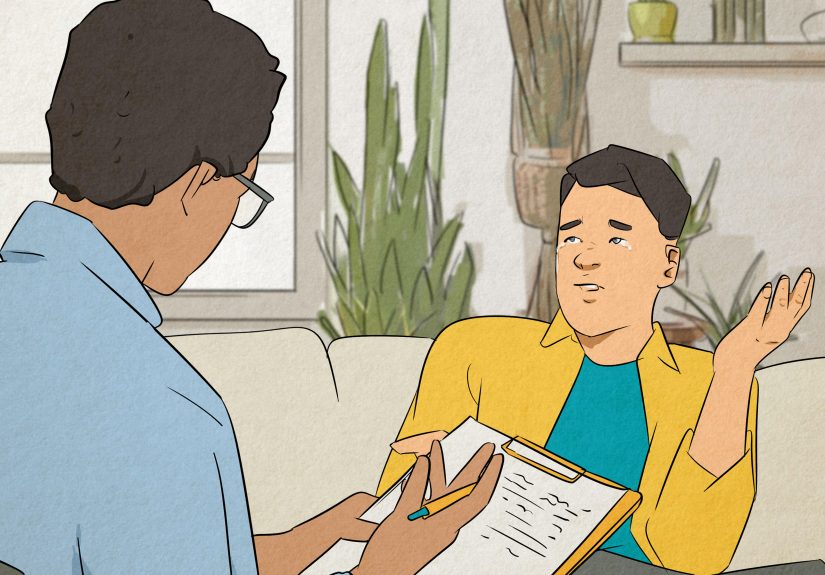
Consider therapy or men’s groups that emphasize growth. Help-seeking is not a character flaw.
It’s a skilllike lifting with good form so you don’t throw out your back emotionally.
If you’re dealing with fragile masculinity in a partner, friend, or family member
- Don’t mock the insecurity. Even if it’s tempting. Ridicule usually escalates the performance.
-
Use “impact” language. Try: “When you say that, I feel dismissed,” instead of “You’re being insecure.”
You’re describing consequences, not diagnosing a personality. -
Ask curiosity questions. “What did that mean to you?” “What felt disrespectful about it?”
Sometimes people can’t regulate what they can’t articulate. -
Set boundaries early. Compassion doesn’t mean tolerating control, threats, or harassment.
You can be kind and firm at the same time. -
Prioritize safety. If behavior becomes intimidating, coercive, or violent, treat it as a safety issuenot a “communication style.”
Involving trusted support and professional resources is appropriate.
How to handle it at work (without becoming HR’s unofficial therapist)
If you’re a manager or team lead:
- Make norms explicit. Respect, collaboration, and accountability are not optional personality upgrades.
- Reward outcomes, not posturing. Promote people who build teams, not people who dominate conversations.
- Interrupt status games. Redirect: “Let’s focus on the work,” “We’re not doing sarcasm in this meeting.”
- Offer off-ramps. Coaching, feedback, and clear consequencesso change is possible, but harm isn’t tolerated.
Parenting and mentoring: building sturdy masculinity early
If you’re raising boys (or mentoring young men), you’re not trying to eliminate masculinityyou’re trying to make it durable.
That usually looks like:
- Modeling emotional language (“I’m disappointed,” “I’m anxious,” “I’m proud of you”).
- Praising empathy, repair, and self-controlnot just toughness.
- Teaching that hobbies, colors, and careers don’t have genderspeople do.
- Showing that apologizing is strength, not surrender.
A quick self-check: is masculinity driving the moment?
If you’re not sure whether you’re dealing with fragile masculinity (in yourself or someone else), these questions help:
- Did a small comment feel like a big insult?
- Do I feel a sudden need to “prove” I’m in charge, tough, or superior?
- Am I rejecting something mainly because it seems feminine?
- Am I using anger to avoid feeling embarrassed, hurt, or afraid?
- Would I react the same way if nobody else could see this?
Conclusion: masculinity doesn’t have to be fragile
Fragile masculinity isn’t “men being men.” It’s what happens when manhood gets reduced to a narrow checklistthen treated like a status you can lose if you relax for five minutes.
The fix is not to replace masculinity with nothing. The fix is to build a healthier, sturdier masculinityone that can include confidence and softness, strength and humility,
leadership and learning, protection and partnership.
Because the truth is: if your identity can be shattered by a candle aisle, it was never strength. It was just stress in a trench coat.
Real-World Experiences: 5 Stories (Composite) and What They Teach
The experiences below are compositescommon patterns people report in therapy, workplaces, and relationshipswritten in story form to make the dynamics easier to recognize.
If one feels uncomfortably familiar, that’s not a moral failure. It’s a sign you can work with it.
Experience #1: The “girly drink” moment
A guy at brunch wants the fruity cocktail. He orders itthen panics when someone jokes, “Bold choice.” He laughs too loud, switches to whiskey, and spends the next ten minutes
making fun of “basic” drinks. Later, he feels weirdly annoyed at everyone, even though nobody actually cared.
What’s happening: The joke hit a fear button: “If they think I’m feminine, I’ll lose status.”
What helps: Practice the skill of non-defense. A simple “Yep, it’s delicious” is a power move. Nothing to prove.
The more you allow harmless preferences, the less control the fear has.
Experience #2: The female boss promotion spiral
A man’s new manager is a woman who’s direct, competent, and not interested in being everyone’s work-mom.
He starts interpreting normal feedback as disrespect. He becomes sarcastic in meetings, stops sharing information, and “accidentally” misses deadlines.
He tells himself he’s standing up for respect, but his real feeling is humiliationlike he’s been demoted as a man.
What’s happening: Status threat gets recoded as identity threat.
What helps: Separate competence from dominance. Being led is not being diminished.
If pride is loud, make values louder: professionalism, growth, collaboration.
Experience #3: The “I can’t be the one who needs help” relationship fight
A partner says, “I’m worried about you. You’ve seemed down.” He hears: “You’re weak.” He snaps, “I’m fine,” then disappears into work, gaming, or the gym.
The relationship becomes a cycle: concern → defensiveness → distance → resentment.
What’s happening: Vulnerability feels like failure, so the nervous system chooses anger or withdrawal.
What helps: Reframe help as responsibility. “I’m not okay” isn’t defeat; it’s accurate data.
Start with one sentence: “I’m stressed and I don’t know what to do yet.” That one sentence can save years.
Experience #4: The group chat that turns cruel
In a group chat, someone posts a selfie. A few guys immediately roast him: “Nice princess pose.”
The insults escalatenot because they hate him, but because the group has an unspoken rule: affection and aesthetics are dangerous.
Everybody laughs, but nobody feels close.
What’s happening: Mockery becomes a “masculinity shield” that blocks intimacy.
What helps: One person changing the tone matters. Try: “Nah, he looks good.”
It feels risky at firstthen it becomes permission for everyone else to drop the act.
Experience #5: The dad-and-son lesson no one intended to teach
A boy cries after losing a game. His dad says, “Stop it. Be a man.”
The dad means “be strong,” but the boy learns “sadness makes me unacceptable.”
Years later, that same boy grows into a man who can’t name what he feelsso he treats discomfort as anger and calls it confidence.
What’s happening: Emotional suppression gets handed down as “training.”
What helps: Upgrade the script: “I know that hurts. Take a breath. What do you need right now?”
You’re not raising a fragile boyyou’re raising a resilient human.