Table of Contents >> Show >> Hide
- First Things First: What Is “Kissing Bug” Disease?
- Why Are They Called Kissing Bugs?
- How Chagas Disease Spreads
- Should You Be Worried in the United States?
- What Are the Symptoms of Chagas Disease?
- When a Bite Is the Bigger Problem: Allergic Reactions
- How Do Doctors Diagnose Chagas Disease?
- Can Chagas Disease Be Treated?
- What Should You Do If You Find a Kissing Bug?
- How to Reduce Your Risk at Home
- Who Should Talk to a Doctor Sooner Rather Than Later?
- So, Should You Be Worried?
- Real-World Experiences People Commonly Have With This Topic
- Conclusion
If the phrase kissing bug disease sounds like a bad joke from the insect world, you are not alone. It sounds almost cute, like a tiny bug flew in for a smooch and brought poor decisions with it. Unfortunately, the real issue is more serious. “Kissing bug disease” usually refers to Chagas disease, a parasitic infection linked to insects called triatomine bugs, better known as kissing bugs.
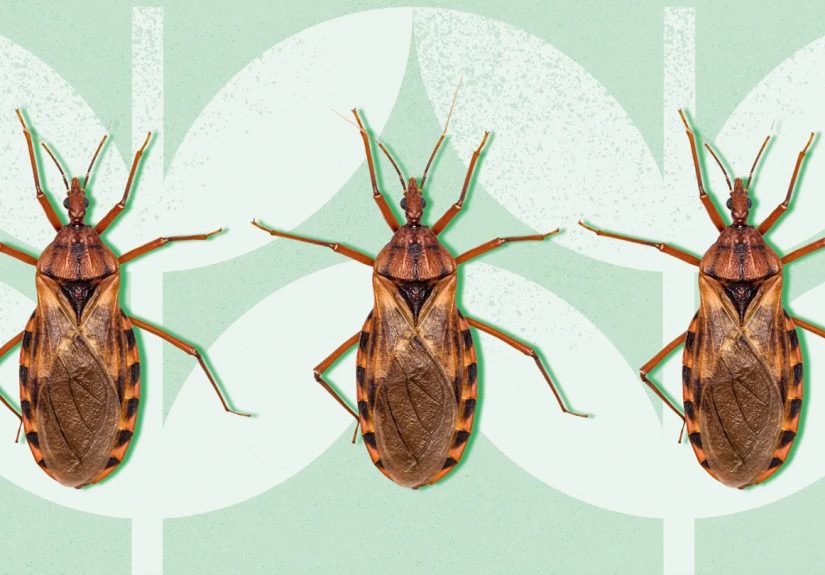
These bugs got their nickname because they often bite near the face, especially around the mouth or eyes while people sleep. Romantic? Not even a little. But before you start side-eyeing every bug near your porch light, here is the important part: not every kissing bug carries the parasite, not every bite leads to infection, and in the United States, transmission to people is considered uncommon. At the same time, Chagas disease is not something to laugh off, because untreated infection can quietly affect the heart or digestive system years later.
So, should you be worried? The smartest answer is this: be informed, not panicked. Knowing what Chagas disease is, how it spreads, who is most at risk, and what symptoms matter can save you from either needless anxiety or dangerous dismissal. Let’s get into it.
First Things First: What Is “Kissing Bug” Disease?
“Kissing bug disease” is not the formal medical name. The actual disease is Chagas disease, caused by a parasite called Trypanosoma cruzi. The insect gets most of the headlines, but the bug itself is only the delivery vehicle. The real problem is the parasite.
Here is the detail many people miss: the parasite is usually not spread through the bug’s bite itself. Instead, after the bug feeds, it may leave infected feces near the bite. If that material gets rubbed into the bite wound, an eye, the mouth, or broken skin, infection can happen. In other words, the bite starts the drama, but the parasite sneaks in through the messy aftermath.
That is one reason the phrase “bug bite disease” can be misleading. It makes the process sound more direct than it usually is. Chagas disease can also spread in other ways, including from a pregnant person to a baby, through organ transplantation, and through blood exposure if screening is not in place. In the U.S., blood donor screening has significantly reduced transfusion-related risk.
Why Are They Called Kissing Bugs?
Because apparently nature enjoys terrible branding.
Kissing bugs are blood-feeding insects that often bite exposed skin at night. Faces are easy targets, especially when someone is asleep and blissfully unaware that an insect has chosen their cheek as a midnight snack station. They are most often associated with the southern United States, Mexico, Central America, and South America.
These bugs tend to hide during the day and come out at night. Outdoors, they may live under porches, in brush or wood piles, rocky areas, animal nests, kennels, or chicken coops. Indoors, they are more likely to show up where homes are less sealed or where pets, rodents, or nesting areas are nearby.
How Chagas Disease Spreads
The classic route looks like this:
- A kissing bug feeds on an infected animal or person and picks up the parasite.
- The bug later bites another host.
- While or after feeding, it may defecate near the bite.
- The parasite enters the body if the contaminated material gets rubbed into the bite, the eyes, the mouth, or another break in the skin.
That means a person does not get Chagas disease from casual contact with someone who has it. You cannot catch it by hugging, sharing a drink, or sitting next to someone on the couch while both of you complain about summer bugs.
Other less common but important routes include:
- Transmission during pregnancy from parent to baby
- Organ transplant from an infected donor
- Blood transfusion without proper screening
- Rare food contamination in some settings
Should You Be Worried in the United States?
This is the question most people really want answered.
For most people in the U.S., the answer is: you do not need to panic, but you should not ignore the topic either. Kissing bugs do exist in the southern U.S., and some are infected with T. cruzi. However, documented local transmission to humans in the continental United States has been relatively rare compared with parts of Latin America.
Why the lower risk? Several reasons likely help. U.S. homes are often better sealed, which makes infestation less likely. Some local species are also thought to be less efficient at transmitting the parasite to humans than the major household-infesting vectors seen in some endemic regions. So yes, the bugs are real. Yes, the parasite is real. But the average person in the U.S. is not living in a nonstop insect horror sequel.
That said, risk goes up if you:
- Have lived in rural parts of Mexico, Central America, or South America
- Live in areas of the southern U.S. where kissing bugs are found
- Sleep in housing with gaps, cracks, or unscreened openings
- Have frequent exposure to animal sleeping areas, kennels, or rodent habitats
- Are pregnant and may have had prior exposure in an endemic region
- Have unexplained heart rhythm problems or cardiomyopathy and a possible exposure history
What Are the Symptoms of Chagas Disease?
Chagas disease has two broad phases: acute and chronic. This is one reason it can be sneaky. The early infection may be mild, vague, or completely unnoticed. Then years later, the chronic form can cause serious complications.
Acute Chagas Disease Symptoms
During the first weeks or months after infection, symptoms may include:
- Fever
- Fatigue
- Body aches
- Headache
- Rash
- Loss of appetite
- Diarrhea or vomiting
- Swelling or redness at the bite site
- Romaña’s sign, which is swelling of the eyelid when the parasite enters through the eye area
Some people have no obvious symptoms at all. That is part of what makes Chagas disease tricky. The body may not wave a giant red flag right away.
Chronic Chagas Disease Symptoms
After the acute phase, many people enter a long symptom-free period. Years or even decades later, some develop chronic complications. Not everyone does, but the people who do can face significant health problems.
Possible chronic complications include:
- Irregular heart rhythms
- Heart enlargement or weakened heart muscle
- Heart failure
- Increased risk of stroke
- Difficulty swallowing
- Severe constipation from enlargement of parts of the digestive tract
In plain English: Chagas is not just a weird bug story. It can become a heart and digestive disease story too.
When a Bite Is the Bigger Problem: Allergic Reactions
Here is a twist many people do not expect. In parts of the U.S., especially the Southwest, the immediate danger from a kissing bug bite may sometimes be an allergic reaction rather than Chagas disease itself.
Reactions can range from a mild local welt to severe symptoms such as swelling, hives, breathing trouble, or even anaphylaxis in rare cases. So if someone is bitten and suddenly develops trouble breathing, widespread swelling, dizziness, or signs of a severe allergic reaction, that is an emergency. Forget the parasite question for a second and get medical help right away.
How Do Doctors Diagnose Chagas Disease?
Diagnosis depends on timing.
In the acute phase, doctors may be able to detect the parasite directly in the blood. In the chronic phase, testing usually looks for antibodies to the parasite. A healthcare provider will also consider your travel history, where you have lived, symptoms, pregnancy history, and possible insect exposure.
This is important because Chagas disease is easy to miss if no one asks the right background questions. A person with fatigue or heart rhythm issues may not think to mention that they grew up in rural Latin America or found strange bugs near the dog bed years ago. But those details matter.
Can Chagas Disease Be Treated?
Yes, and that is one more reason not to ignore it.
Doctors use antiparasitic medications, mainly benznidazole and nifurtimox. Treatment is generally most effective earlier in infection, but care decisions depend on age, disease stage, symptoms, pregnancy status, and other health factors. Even when the parasite cannot be fully undone from the past like a bad haircut, medical care can still help manage heart or digestive complications.
So if you are wondering whether testing matters, the answer is absolutely yes. Early diagnosis is not just a gold star for curiosity. It can shape treatment, follow-up, and long-term health outcomes.
What Should You Do If You Find a Kissing Bug?
Step one: do not grab it bare-handed like you are auditioning for a reality show called Bad Decisions: Backyard Edition.
If you think you found one:
- Use gloves, a small plastic bag, or a container to capture it
- Avoid crushing it with your fingers
- Note where and when you found it
- Clean surfaces it touched
- Check sleeping areas, pet bedding, cracks, and nearby animal spaces
- Contact local extension, health, or vector-control resources if available
If you were bitten, wash the area with soap and water. Try not to scratch. Monitor for allergic symptoms, fever, eyelid swelling, rash, or feeling unusually sick in the following days and weeks. If you have concerning symptoms or exposure history, talk to a healthcare professional.
How to Reduce Your Risk at Home
You do not need a moat or a laser grid. Simple home prevention steps do a lot of the heavy lifting.
- Seal cracks around windows, doors, roofs, and walls
- Repair torn screens
- Remove wood, brush, and rock piles near the home
- Keep yard lights farther from the house when possible
- Seal attics and crawl spaces
- Have pets sleep indoors, especially at night
- Regularly clean pet sleeping areas and keep an eye out for unusual insects
If you live in a region where kissing bugs are known to occur, these steps are practical, not paranoid.
Who Should Talk to a Doctor Sooner Rather Than Later?
You should be especially proactive if any of the following sounds like you:
- You have symptoms after a suspected kissing bug exposure
- You had a severe allergic reaction to a bug bite
- You previously lived in an area where Chagas disease is more common
- You are pregnant and may have past exposure
- You have unexplained heart rhythm issues, cardiomyopathy, or digestive problems plus possible exposure history
- You received a recommendation for testing because of family or maternal history
Not every person who sees a bug needs immediate testing. But some people absolutely deserve a more serious conversation than “Eh, it’s probably nothing.”
So, Should You Be Worried?
Worried enough to learn the facts? Yes.
Worried enough to lose sleep every time a porch light attracts an insect? Probably not.
Chagas disease is real, potentially serious, and often underrecognized. But the level of danger depends heavily on where you live, where you have lived, your exposure history, and whether symptoms or risk factors are present. In the United States, casual fear is usually not useful. Informed caution is.
The best approach is balanced: know what kissing bugs look like, understand that the parasite spreads through contaminated bug feces rather than a simple bite, protect your home, and seek medical advice if your history or symptoms raise concern. That is a much better strategy than either panicking or pretending the issue belongs only in tropical disease textbooks.
Real-World Experiences People Commonly Have With This Topic
The experience of “kissing bug disease” is often less dramatic than people imagine at first and more complicated than they expect later. Many people first encounter the topic through a moment of panic: a strange bug near the bed, a bite on the face, or a headline that makes it sound like an insect apocalypse has arrived. In real life, what usually follows is confusion. Was it really a kissing bug? Is every bite dangerous? Does a single encounter mean Chagas disease? For many people in the United States, the answer turns out to be no, but the uncertainty can feel huge in the moment.
One common experience is the late-night “what on earth is that bug?” scenario. A person spots an insect on the wall, searches online, and instantly lands in a swamp of alarming photos and scarier headlines. Their heart rate does a small gymnastics routine. The next morning, they inspect the bedroom, the dog bed, the window screens, and probably their entire life. Often, the final answer is that the insect was not a kissing bug at all, or that the exposure risk was very low. Still, that experience shows why good identification and calm next steps matter so much.
Another real-world pattern is the person who had early symptoms but never connected the dots. Maybe they had a fever, fatigue, or a swollen eye after travel or time in an at-risk area. It passed, life got busy, and the event became one more weird health story filed away under “That was odd.” Years later, if heart rhythm trouble or digestive issues develop, exposure history suddenly becomes important. This long gap between infection and serious problems is one reason Chagas disease can feel so invisible. The experience is not always a dramatic illness. Sometimes it is a forgotten moment followed by a delayed surprise.
There is also the experience of people who carry more risk because of where they grew up. Someone who spent part of childhood in rural Latin America may feel completely healthy for years and still learn through screening, pregnancy care, or blood donor follow-up that testing is worth discussing. For these individuals, the emotional experience can be complicated. They are not “sick” in the everyday sense, but they now have to think about long-term heart health, family implications, and whether loved ones should be evaluated too.
Then there are people whose main issue is not Chagas disease at all, but the bite reaction itself. In parts of the Southwest, some individuals experience significant allergic responses to kissing bug bites. Their experience is immediate, not delayed: swelling, itching, fear, and in rare cases a severe reaction that needs urgent treatment. For them, the bug is not a vague infectious-disease concept. It is a direct and memorable medical event.
What all these experiences have in common is this: the topic is rarely as simple as “bug equals disease” or “no big deal, ignore it.” Most people benefit from the same practical approach: identify the insect if possible, clean the area, avoid bare-hand contact, pay attention to symptoms, and talk to a clinician when risk factors line up. That middle ground may not be as exciting as a horror movie soundtrack, but it is a lot more useful.
Conclusion
“Kissing bug disease” may sound like internet clickbait with legs, but the condition behind the nickname is real. Chagas disease deserves respect because it can be mild at first, easy to miss, and serious later on. The good news is that understanding your risk goes a long way. If you live in the U.S., your odds of getting Chagas disease from a local kissing bug are generally low, especially if your home is well sealed and you do not have major exposure risks. But low risk is not the same as zero risk.
The smart move is not to panic. It is to know what matters: how the parasite spreads, what symptoms deserve attention, which risk factors raise concern, and when to call a healthcare professional. In short, treat the topic seriously, not hysterically. Bugs may be rude, but knowledge is a pretty solid comeback.