Table of Contents >> Show >> Hide
Mullein tea sounds like something your great-aunt might recommend while wrapping you in a blanket and asking whether you’ve been “getting enough rest lately.” Oddly enough, she would not be completely off base. This herbal tea, usually made from the leaves or flowers of the mullein plant, has a long history in traditional wellness practices, especially for coughs, scratchy throats, and that miserable feeling when your chest seems to be hosting a mucus convention.
But here is where the teacup meets the microscope: mullein tea has plenty of traditional credibility, yet modern human research is still limited. In other words, it may be a comforting herbal drink with some promising plant compounds, but it is not a magical leaf-based superhero that replaces medical treatment. If you are curious about what mullein tea is, what it may help with, what side effects to watch for, and whether it deserves a permanent place in your kitchen, this guide will walk you through it without the wellness drama.
What Is Mullein Tea?
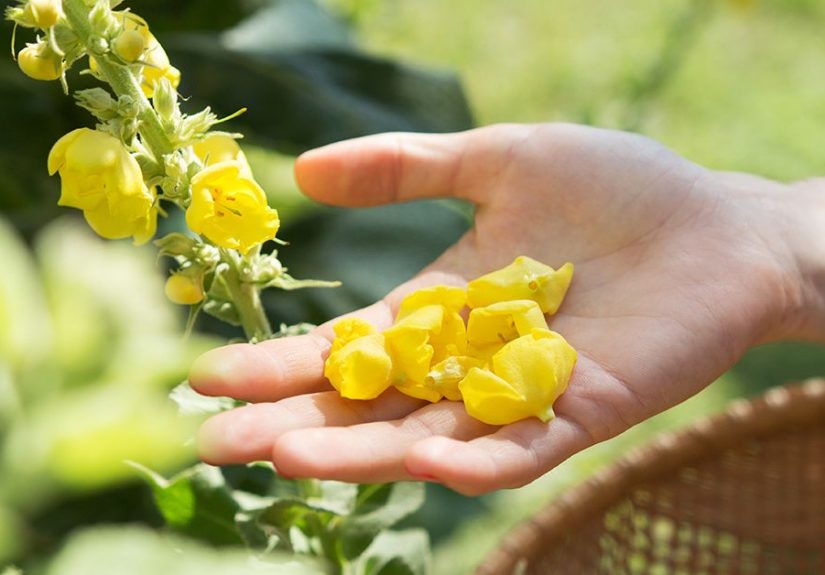
Mullein tea is made from Verbascum thapsus, often called common mullein. The plant is known for its tall yellow flower spike and soft, fuzzy leaves that look like they were designed by a blanket company. Mullein has been used in herbal traditions for centuries, especially for respiratory complaints such as coughs, bronchitis, hoarseness, and throat irritation.
Today, mullein is sold in tea bags, loose dried leaf, tinctures, capsules, and oils. The tea version is the most approachable for many people because it feels less like taking a supplement and more like making yourself a warm mug of something soothing on a rough day. Its flavor is typically mild, earthy, and slightly sweet, which is helpful because nobody wants a wellness tea that tastes like a lawn mower bag.
What’s Actually in Mullein Tea?
Mullein is not famous because it is loaded with calories, protein, or a dramatic lineup of vitamins. It is more about its plant compounds than its nutrition label. Research and herbal references point to several naturally occurring substances in mullein, including flavonoids, saponins, mucilage, and other phytochemicals that may help explain its traditional use.
Flavonoids
These are antioxidant compounds found in many plants. In mullein, they are often discussed for their possible anti-inflammatory activity. That does not automatically mean a cup of mullein tea is a cure-all, but it helps explain why the plant is often associated with soothing irritated tissues.
Saponins
Saponins are often linked to the herb’s traditional reputation as an expectorant. That is the fancy word for something that may help loosen mucus so it is easier to cough up. If you have ever had chest congestion that felt like your lungs were auditioning for a glue commercial, you can understand why this gets attention.
Mucilage
Mucilage is a gel-like substance that can coat mucous membranes. This is one reason mullein is often described as soothing for the throat and upper airways. Think of it less as an aggressive fixer and more as a polite, herbal buffer.
Potential Benefits of Mullein Tea
Let’s keep this part honest. Mullein tea has some promising properties and a strong traditional reputation, but the best-supported claims are still modest. Most of the research is based on lab studies, traditional use, and broader plant chemistry rather than large, high-quality human trials.
1. It May Help Loosen Mucus
This is probably mullein tea’s biggest claim to fame. Herbalists and modern health sources alike often describe mullein as an expectorant, meaning it may help thin and loosen mucus. For someone dealing with a wet cough, chest congestion, or that annoying post-cold heaviness, a warm cup of mullein tea may feel especially comforting.
That does not mean it is a replacement for medical care if you have trouble breathing, chest pain, fever, or symptoms that are worsening. But as a supportive drink when you are already hydrating and resting, mullein tea may be one of those small things that makes an unpleasant week slightly less dramatic.
2. It May Soothe the Throat and Airways
Because mullein contains mucilage and other soothing compounds, it may help calm irritation in the throat and respiratory tract. This is one reason people often reach for it during colds, bronchitis recovery, hoarseness, or after a week of coughing like they are trying to launch their lungs into orbit.
The warmth of the tea itself likely plays a role too. Warm fluids can be comforting for sore throats regardless of the herb involved, so some of the benefit may come from the ritual as much as the recipe. Sometimes the body appreciates a simple warm mug more than a dramatic speech.
3. It May Have Mild Anti-Inflammatory Potential
Mullein contains flavonoids and related compounds that researchers believe may contribute to anti-inflammatory effects. That sounds promising, especially since inflammation is involved in many respiratory and throat complaints. Still, “may” is doing some heavy lifting here. There is not enough strong clinical evidence to claim mullein tea is a proven anti-inflammatory treatment for any major condition.
Still, if your goal is to support comfort while you recover from a minor upper respiratory issue, this potential anti-inflammatory effect helps explain why mullein continues to show up in herbal tea blends and traditional formulas.
4. It Shows Interesting Antimicrobial Activity in Lab Settings
Some laboratory studies suggest mullein extracts may have antibacterial or antiviral activity. That is scientifically interesting and absolutely worth noting. However, lab findings do not automatically translate into a reliable result from drinking tea at home in your favorite chipped mug.
So yes, mullein has intriguing research momentum. No, that does not mean it should be treated as a substitute for antibiotics, antiviral treatment, or professional medical advice. Herbal tea can be a helper. It should not be cast as the emergency room.
Side Effects and Safety Considerations
Mullein tea is generally considered low-risk for many healthy adults when used in moderation, but “natural” does not mean “risk-free.” Poison ivy is natural too, and it is not exactly winning tea-of-the-year awards.
Possible Skin Irritation or Allergy
Some people report skin irritation after handling mullein plants. Contact dermatitis has been noted in case reports, so if you are sensitive to plants or have a history of herbal allergies, it is smart to be cautious. If a tea bag gives you peace but the actual plant makes your skin complain, that is useful information.
Throat Irritation if It Isn’t Strained Well
This is a classic mullein tea rookie mistake. The leaves have tiny hairs, and if you do not strain the tea carefully, those hairs can irritate your throat instead of soothing it. That would be a deeply rude plot twist. Use a fine mesh strainer, coffee filter, or several layers of cheesecloth to remove the plant particles before drinking.
Pregnancy, Breastfeeding, and Children
There is not enough reliable human research to confirm mullein’s safety during pregnancy or breastfeeding, and herbal supplement guidance in general is more cautious for these groups. If that applies to you, talk with a healthcare professional before making mullein tea part of your routine.
The same careful logic applies to very young children. Herbal teas can seem gentle, but gentle and well-studied are not the same thing.
Medication and Health Condition Caution
Well-documented mullein drug interactions are limited, but that is not the same as saying interactions are impossible. In general, federal health guidance on herbs and supplements warns that they can interact with medications, pose risks before surgery, and behave unpredictably in people with certain medical conditions.
If you take prescription medication, have chronic lung disease, kidney issues, severe allergies, or are preparing for surgery, it is wise to ask your clinician before using mullein regularly. This is especially true if you are tempted to use concentrated extracts instead of a simple cup of tea.
Stick to Tea-Appropriate Products
Mullein tea is usually made from leaves or flowers, not seeds. That distinction matters. You should use products specifically intended for tea preparation and avoid random backyard experimentation that ends with a search history full of regret.
How to Make Mullein Tea
If you buy mullein tea bags, life is easy. If you buy loose dried mullein, preparation is still simple.
Basic Mullein Tea Method
Add 1 to 2 teaspoons of dried mullein leaves to about 8 ounces of boiling water. Let it steep for 10 to 15 minutes. Then strain it very well through a coffee filter, fine strainer, or cheesecloth. That last step is not optional unless you enjoy being betrayed by tiny fuzzy leaf hairs.
You can drink it plain or add honey, lemon, or a little cinnamon if you want a friendlier flavor. Some people like it in the evening because the whole warm-herbal-tea ritual feels calming, even if the tea itself is not a sedative.
Who Might Want to Try It?
Mullein tea may appeal to adults who want a traditional herbal tea for mild throat irritation, a wet cough, or chest congestion support during a cold. It can also make sense for people who simply enjoy herbal teas and want to explore something beyond peppermint, chamomile, and the usual grocery-store suspects.
That said, mullein tea is best viewed as a supportive wellness drink, not a primary treatment. If you have asthma, pneumonia, COPD, persistent wheezing, coughing up blood, high fever, or shortness of breath, tea should stay in the supporting cast while your healthcare provider takes the lead role.
What Real-World Experiences With Mullein Tea Tend to Be Like
One reason mullein tea keeps showing up in conversations, wellness forums, and herbal cabinets is that people often describe the experience in very human terms. Not “my biomarkers were transformed,” but “my throat felt less scratchy,” “the warmth helped,” or “it seemed easier to clear mucus.” That matters, because herbal tea is often as much about the lived experience as the lab data.
Many first-time drinkers say the biggest surprise is the flavor. They expect something bitter and punishing, like a wellness tax in liquid form, but mullein tea is usually milder than anticipated. It tends to be earthy, soft, and easy to dress up with honey or lemon. That makes it more approachable for people who want relief without feeling like they are chewing on a hedge.
Another common experience is that mullein tea feels most useful when someone is mildly under the weather rather than seriously ill. For example, during the tail end of a cold, when the sore throat is fading but the chest still feels heavy, a hot cup may feel soothing and practical. People often describe it as part comfort measure, part throat-coating ritual, and part “at least I am doing something helpful while sitting under a blanket.”
Some people also report that the tea encourages a more productive cough. That sounds glamorous only if you have never been congested, but in real life it can feel like a relief. Instead of a dry, irritating cough that accomplishes nothing except making your ribs file a complaint, a looser cough can seem more manageable. Of course, that kind of experience is personal, and not everyone notices a dramatic effect.
There are also people who try mullein tea and feel absolutely nothing beyond “well, that was warm.” That is part of the honest picture too. Herbal teas can be subtle. Expectations matter. Preparation matters. Your body matters. And sometimes the difference between “soothing” and “meh” is whether you actually strained the tea well and drank it while it was still hot instead of discovering it hours later as a sad beige science project on the counter.
For experienced herbal tea drinkers, mullein often becomes part of a broader routine rather than a stand-alone miracle. They may rotate it with ginger tea, peppermint tea, or lemon-and-honey drinks, depending on the season and their symptoms. In that context, mullein is less of a silver bullet and more of a reliable team player.
Some people also appreciate the ritual itself. Brewing the tea, letting it steep, straining it carefully, and sipping slowly can feel grounding. That may not sound like a clinical benefit, but comfort has value. When you are tired, congested, and annoyed at your own throat, a calming ritual can lower the misery level even if it does not rewrite your medical chart.
On the downside, the most frustrating real-world experience is probably poor preparation. If mullein tea is not filtered carefully, those tiny leaf hairs can create throat irritation, which is the exact opposite of the goal. A second frustration is inconsistency. Herbal products can vary in quality, strength, freshness, and purity, so one brand may feel pleasant and another may taste like you invited a hay bale to dinner.
The most realistic takeaway from these experiences is simple: mullein tea tends to be appreciated as a gentle, traditional support drink rather than a dramatic cure. When it helps, it often helps in small, comforting ways. When it does not, it is usually because the effect is subtle, the product is mediocre, or the underlying health issue needs something stronger than a mug and good intentions.
The Bottom Line
Mullein tea is a traditional herbal tea made from the mullein plant, most often used for coughs, throat irritation, and respiratory comfort. Its reputation is backed by centuries of use and some interesting lab research on plant compounds like flavonoids, saponins, and mucilage. The catch is that strong human evidence is still limited, so it makes more sense to think of mullein tea as a supportive herbal option than a proven treatment.
If you want to try it, choose a reputable product, strain it carefully, and keep expectations realistic. For mild symptoms, it may offer a soothing, earthy, warm kind of help. For serious symptoms, it is time to let tea be tea and call a healthcare professional. Even the most charming mug has limits.