Table of Contents >> Show >> Hide
- Scalp Psoriasis, Defined (In Plain English)
- What Scalp Psoriasis Looks and Feels Like
- Is Scalp Psoriasis Contagious?
- Scalp Psoriasis vs. Dandruff (and Other Look-Alikes)
- What Causes Scalp Psoriasis?
- How Scalp Psoriasis Is Diagnosed
- Treatment for Scalp Psoriasis (What Actually Helps)
- Hair Care Tips That Don’t Make Things Worse
- When to See a Dermatologist (or Seek Care Quickly)
- Living With Scalp Psoriasis: The Real Goal
- Experiences With Scalp Psoriasis (What People Commonly Report)
- Experience #1: “I thought it was dandruff… for years.”
- Experience #2: The “scratch spiral” (and why it’s not a willpower issue)
- Experience #3: Hair shedding scares people the most
- Experience #4: The product obstacle course
- Experience #5: Social anxiety is part of the symptom list
- What tends to help most in real life
- Conclusion
- SEO Tags
If your scalp is acting like it’s trying to shed its old identity (and half your black sweater) with dramatic flair,
you’re not alone. Scalp psoriasis is a common form of psoriasis that shows up on the scalp as
inflamed, scaly patchessometimes mild and flaky, sometimes thick and stubborn, and sometimes determined to make
you late for work because you’re negotiating with your hairbrush.
Let’s break down what scalp psoriasis is, why it happens, how it’s different from “regular” dandruff, and what
actually helpswithout turning this into a lecture that feels like it came stapled to a lab report.
Scalp Psoriasis, Defined (In Plain English)
Psoriasis is a chronic inflammatory skin disease linked to an overactive immune response. In psoriasis,
skin cells grow and pile up faster than they can properly shed. The result: thickened areas of skin (often called
plaques) with visible scale, plus inflammation that can itch, sting, or feel sore.
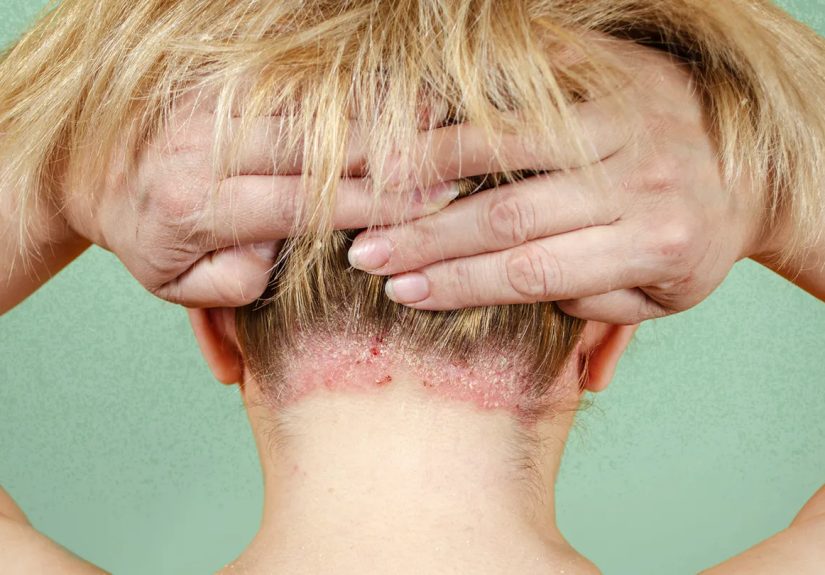
Scalp psoriasis is psoriasis that affects the scalpsometimes just a few small patches, and sometimes
most of the scalp surface. It can also creep beyond the hairline onto the forehead, behind the ears, or the back of
the neck (because scalp psoriasis loves a boundary-free lifestyle).
What Scalp Psoriasis Looks and Feels Like
Common symptoms
- Flaking and scaling (from fine “dandruff-like” flakes to thicker, plate-like scale)
- Well-defined patches of inflamed skin under the hair
- Itching that can range from mild to “I can’t focus on anything else”
- Burning, soreness, or tendernessespecially during flares
- Cracking or bleeding when scale is picked or scratched
- Temporary hair shedding in some people (often from inflammation, scratching, or harsh scale removal)
Does it show up the same on every skin tone?
Not always. The scale is often whitish or silvery, but the inflamed skin beneath can look pink or red on lighter
skin tones and more violet, brown, or deep red on darker skin tones. The “classic” textbook look doesn’t cover
everybody’s realityso diagnosis should be based on the overall pattern, not just one color.
Is Scalp Psoriasis Contagious?
No. You can’t catch scalp psoriasis from another person, and you can’t give it to anyone else. It’s driven by
immune activity and geneticsnot germs.
Scalp Psoriasis vs. Dandruff (and Other Look-Alikes)
Scalp psoriasis is famous for being mistaken for dandruff. The trouble is: a lot of scalp conditions flake.
The key is how they flake, where they show up, and what’s happening beneath the flakes.
Scalp psoriasis vs. seborrheic dermatitis (dandruff’s more intense cousin)
-
Scale texture: Psoriasis scale tends to be thicker and drier, while seborrheic dermatitis
often looks greasier. - Edges: Psoriasis plaques often have sharper, well-defined borders.
-
Where it spreads: Psoriasis may extend beyond the hairline and often shows up elsewhere
(elbows, knees, lower back) or causes nail changes.
Scalp psoriasis vs. ringworm (tinea capitis)
Ringworm is a fungal infection, not an immune condition. It may cause scaling plus patchy hair loss,
broken hairs, and sometimes tender, inflamed areas. The treatments are differentringworm needs antifungal medication
so it’s worth getting checked if there’s significant hair loss, pain, or rapid spreading.
Other possibilities your clinician may consider
- Contact dermatitis (reaction to hair dye, fragrances, or styling products)
- Atopic dermatitis (eczema)
- “Sebopsoriasis” (overlap features of psoriasis and seborrheic dermatitis)
Bottom line: if you’ve tried standard dandruff shampoo for weeks and the scalp is still angry, thickly scaled,
or bleedingdon’t keep guessing. Getting the right diagnosis saves time, money, and scalp sanity.
What Causes Scalp Psoriasis?
Psoriasis is complex, but the big idea is this: the immune system becomes overactive and triggers inflammation that
speeds up the skin cell cycle. Genetics play a role, and environmental factors can flip the “flare switch.”
Common triggers that can worsen scalp psoriasis
- Stress (yes, the universe has jokes)
- Illness or infections (especially certain throat infections for some people)
- Skin injury or irritation (scratching, harsh picking, tight hairstyles, aggressive brushing)
- Cold, dry weather (many people flare in winter)
- Smoking and heavy alcohol use (associated with worse psoriasis in many studies)
- Certain medications that may trigger or worsen psoriasis in some individuals (your clinician can review these safely)
Important: don’t stop a prescribed medication on your own. If you suspect a drug trigger, talk with a clinician
about alternatives and a safe plan.
How Scalp Psoriasis Is Diagnosed
Diagnosis is usually clinicalmeaning a clinician examines the scalp and considers your medical history and symptom
pattern. They may check for psoriasis on other body areas and for nail changes (like pitting).
When tests might be used
- Skin scraping or fungal testing if ringworm is a possibility
- Skin biopsy (less common) when the diagnosis is unclear
If you also have joint pain, morning stiffness, or swollen fingers/toes, mention itpsoriasis can be associated with
psoriatic arthritis, and earlier evaluation can matter.
Treatment for Scalp Psoriasis (What Actually Helps)
Scalp psoriasis is treatable, but it often takes some trial-and-adjust to find your “sweet spot.” Hair gets in the way,
scale can block medication from reaching the skin, and the scalp is basically a high-traffic area (shampooing, styling,
hats, sweat… it’s a lot).
Step 1: Loosen and lift scale (gently)
Thick scale can act like a roof over inflamed skinmedication can’t reach what it can’t touch. Helpful approaches include:
- Salicylic acid shampoos/solutions: These soften and help remove scale (often used as a “prep step” so other treatments absorb better).
- Scale softeners (keratolytics): Some people use oils or softening products before washing to reduce stubborn buildup.
The golden rule: don’t pick aggressively. It can cause bleeding, worsen inflammation, and trigger new plaques
in areas of irritation.
Step 2: Over-the-counter medicated shampoos (for mild cases or support)
OTC products can help mild scalp psoriasis or complement prescription therapy. Two common active ingredients:
- Coal tar: Helps slow rapid skin cell growth and reduce itching and scaling.
- Salicylic acid: Helps lift and soften scale.
Pro tip: medicated shampoos usually work best when you massage into the scalp and leave them on for several minutes
before rinsing (check the label directions). If your scalp gets irritated, scale back the frequency and talk with a clinician.
Step 3: Prescription topicals (the main workhorses)
For many people, the most effective treatments are prescription topicals designed for scalp usesolutions, foams, sprays,
gels, shampoos, or oils that can get through hair and onto skin.
Topical corticosteroids
These are often first-line for mild to moderate psoriasis. On the scalp, clinicians may use higher-potency steroids for a
limited time to calm inflammation quickly. One example is clobetasol propionate shampoo, which has evidence for
effectiveness and is used in short courses, sometimes followed by maintenance use a couple times weekly.
Vitamin D analogs (like calcipotriene)
Vitamin D–based topicals can help slow excessive skin cell growth. They’re commonly used alone or in combination with a topical
steroid (combination products may work better than either ingredient alone for some people). Certain foams and gels are often used
for several weeks, depending on the treatment plan.
Other topical options (case-by-case)
- Retinoid topicals (like tazarotene) may be used for plaque control in some plans.
- Calcineurin inhibitors (often used for sensitive areas such as face/ears rather than thick scalp plaques).
Safety note: even though scalp skin is tougher than, say, eyelid skin, strong topical steroids still need smart use.
Your clinician will guide duration and frequency to lower risks like irritation or thinning.
Step 4: Light therapy and “bigger guns” for stubborn or widespread disease
If scalp psoriasis is severe, hard to control with topicals, or part of more extensive psoriasis, clinicians may consider:
- Phototherapy (UVB) using in-office devices or specialized scalp/comb tools in certain settings
- Systemic medications (oral or injectable) that target inflammation throughout the body
- Biologic therapies for moderate-to-severe psoriasis and/or psoriatic arthritis, tailored to the individual
The goal isn’t perfection; it’s control: fewer flares, less itch, less scale, and a scalp that doesn’t hijack your day.
Hair Care Tips That Don’t Make Things Worse
Scalp psoriasis management isn’t only about medicationit’s also about reducing daily irritation so you stop feeding the flare.
Do this
- Use gentle, fragrance-free products if your scalp is reactive.
- Shampoo with lukewarm water and avoid aggressive scrubbing.
- Detangle carefullythink “persuade,” not “wrestle.”
- Keep nails short to reduce skin injury from scratching.
- Moisturize if dryness worsens itch and scaling.
Avoid this (or at least be strategic)
- Picking scale like it owes you money
- Harsh chemical processing during active flares (bleach, strong dyes, frequent tight styles)
- Heavy product buildup that makes scale harder to lift and treatments harder to absorb
When to See a Dermatologist (or Seek Care Quickly)
It’s worth getting professional help if:
- Your scalp symptoms persist after OTC treatment
- You have significant pain, bleeding, or signs of infection
- You notice patchy hair loss or broken hairs (needs evaluation)
- You have joint pain or swelling (possible psoriatic arthritis)
- Your psoriasis is affecting sleep, mood, or daily life
Living With Scalp Psoriasis: The Real Goal
Scalp psoriasis is chronic, which is a fancy way of saying it may come and go. Many people cycle through flares and calmer periods.
The win is building a plan you can stick withone that controls symptoms, fits your lifestyle, and keeps you from
“panic-switching” products every three days (a totally understandable impulse, but not always helpful).
A good plan usually includes: (1) scale management, (2) anti-inflammatory treatment, (3) trigger awareness, and (4) maintenance
steps to prevent rebound. It can take a few adjustments, but getting to “manageable” is realistic for most people.
Experiences With Scalp Psoriasis (What People Commonly Report)
The medical facts matter, but day-to-day life is where scalp psoriasis really shows upon your pillowcase, in your hairline,
and in the moment you realize your “snowy shoulders” are not, in fact, festive.
Experience #1: “I thought it was dandruff… for years.”
A very common story: someone tries dandruff shampoos off and on, sees small improvements, then flares again. Over time,
the scale becomes thicker, the itch becomes more intense, and the irritation spreads beyond the hairline or behind the ears.
When they finally see a clinician, the clues are classic: well-defined plaques, thicker/drier scale, and sometimes mild psoriasis
elsewhere (elbows, knees) or nail pitting. The biggest emotional reaction is often reliefbecause the problem finally has a name,
and the next steps are clearer.
Experience #2: The “scratch spiral” (and why it’s not a willpower issue)
Many people describe itch that spikes during stress, heat, sweat, or at nightthen scratching causes micro-injury,
which increases inflammation, which creates more itch. It’s a loop, not a character flaw. Practical hacks people report help:
keeping nails short, using cool compresses, applying clinician-recommended topicals consistently, and using scale-softening steps
so treatments can actually reach the skin. Some also benefit from shifting shower timing (e.g., medicated shampoo at night, gentle
rinse in the morning) so they’re not trying to do “full medical hair theater” during a rushed workday.
Experience #3: Hair shedding scares people the most
Even temporary shedding can feel alarming. People often report noticing extra hair in the shower or brush during a flare,
especially if they’ve been scratching or using aggressive removal methods. Clinicians frequently emphasize that hair loss in scalp
psoriasis is often related to inflammation and mechanical trauma, and it may improve once the flare is controlled and the scalp is
treated gently. The emotional impact is realso many people build routines focused on calm, consistent care rather than harsh “fix it now”
tactics that backfire.
Experience #4: The product obstacle course
Scalp psoriasis turns simple errands into an ingredient scavenger hunt. People describe reading labels for salicylic acid, coal tar,
and fragrance triggers, then trying to balance effectiveness with tolerability. Some love the results of medicated shampoos but hate the smell
or dryness; others prefer foams or solutions because they’re easier to apply through hair. A frequent “aha” moment is learning that
scalp psoriasis often needs a two-part approach: lift scale first (so medication can penetrate), then treat inflammation.
That one insight can turn a frustrating cycle into steady progress.
Experience #5: Social anxiety is part of the symptom list
People talk about avoiding dark shirts, worrying that flakes look “dirty,” or skipping haircuts because they don’t want to explain what’s going on.
It helps when clinicians explicitly say: “This isn’t contagious, and it’s not poor hygiene.” Some people also find it empowering to use a simple,
no-drama explanation“It’s scalp psoriasis; it flares sometimes”and then move on. The goal isn’t to make your scalp your personality.
It’s to get you back to thinking about literally anything else.
What tends to help most in real life
- Consistency over intensity: a sustainable routine beats occasional “nuke it from orbit” attempts.
- Short courses + maintenance: many people do best when strong treatments calm flares, followed by a maintenance plan.
- Trigger awareness: noticing patterns (stress, winter dryness, certain products) helps reduce surprise flare-ups.
- Professional guidance: the right diagnosis and prescription strategy saves months of guesswork.
If scalp psoriasis is affecting your comfort, confidence, or sleep, that counts as “serious enough” to treat. You deserve a plan that works
and doesn’t require you to become a part-time dermatologist with a second job in shampoo chemistry.
Conclusion
Scalp psoriasis is an immune-driven condition that speeds up skin cell turnover, causing inflamed, scaly plaques on the scalp and sometimes beyond the hairline.
It can look like dandruff, but it’s typically thicker, more persistent, and often linked with psoriasis elsewhere on the body or nail changes.
The best results usually come from a targeted plan: soften and lift scale, calm inflammation with appropriate topicals, and use maintenance steps to prevent rebound.
With the right approachand help from a clinician when neededmost people can get scalp psoriasis to a manageable place and keep it there.