Table of Contents >> Show >> Hide
- The Wall-Hugging Myth: “It Makes the Room Look Bigger”
- 9 Reasons Not to Push Furniture Against the Wall
- 1) It quietly kills conversation
- 2) Your room can feel smaller (yes, really)
- 3) Traffic flow gets weird fast
- 4) You end up with “awkward space” instead of useful space
- 5) Your rug and focal point lose their job titles
- 6) You can block vents and returns (and make your HVAC system work harder)
- 7) It can trap moisture and invite mold behind furniture (especially on exterior walls)
- 8) Heat sources + furniture too close = safety risk
- 9) It increases scuffs, dents, and cleaning misery
- When Pushing Furniture Against the Wall Is Actually Fine
- How to Float Furniture Without Making Your Room Feel Like a Maze
- Quick Layout Ideas That Beat the Wall-Hugger Default
- Real-World Experiences (and Lessons Learned the Funny Way)
- Experience #1: The “Why does my living room feel cold?” mystery
- Experience #2: The Great Mold Reveal (a.k.a. the wall was not okay)
- Experience #3: The room that looked bigger… but nobody sat in it
- Experience #4: The space heater near-miss nobody wants
- Experience #5: The “I didn’t realize my rug was wrong” awakening
- Conclusion
Confession: pushing every piece of furniture against the wall feels like the responsible, grown-up thing to do. Like making your bed or eating vegetables that aren’t shaped like dinosaurs. You get a big open space in the middle of the room, your vacuum has a fighting chance, and your furniture looks… obedient.
But interior designers have a different opinion: the “wall-hugger” layout often makes rooms feel smaller, less comfortable, and weirdly anti-sociallike your living room is hosting a middle-school dance where everyone stands around the edges avoiding eye contact. Multiple design publications and pros repeatedly call out “pushing furniture against the walls” as a common layout mistake, especially in living rooms and small spaces.
Let’s talk about why you might want to pull that sofa out a bitwithout turning your home into an obstacle course or making guests whisper, “Is this a showroom?”
The Wall-Hugging Myth: “It Makes the Room Look Bigger”
The logic is understandable: if the floor is clear in the center, the room must be bigger, right? Not always. Many designers argue the oppositelining the perimeter can emphasize the room’s true size by tracing the boundaries, and it can leave the center feeling awkwardly empty (a.k.a. “dance hall syndrome”).
Instead of maximizing comfort and connection, wall-to-wall placement can create a layout that looks tidy but doesn’t live well. And if your goal is a cozy, functional, conversation-friendly room, you’ll usually get there faster by “floating” at least some pieces away from the wall.
9 Reasons Not to Push Furniture Against the Wall
1) It quietly kills conversation
When seating is pinned to the edges, people end up far apart, angled away from each other, or shouting across a coffee table the size of a helipad. Designers frequently recommend pulling seating inward to form a defined conversation areaso people can actually talk without raising their voices and the room feels intentionally arranged, not “temporarily furnished.”
2) Your room can feel smaller (yes, really)
It sounds backward, but floating furniture often creates depth, layers, and better sightlines, which can make a space feel more open. Design pros regularly note that pushing everything against the wall can make small living rooms feel tighter and less functional. In larger rooms, it can make the middle feel like a lonely, unused desertbeautiful, but emotionally unavailable.
3) Traffic flow gets weird fast
Good rooms have natural pathways. If your layout forces people to zigzag between furniture cornerslike a human Roombayou’re sacrificing comfort for symmetry.
A common guideline is to keep main walkways clear and generous. Some designers recommend roughly 2.5–3 feet of clearance for easy circulation in main traffic paths. If your room is smaller, you can reduce that, but the point stands: the room should be easy to move through, not a parkour audition.
4) You end up with “awkward space” instead of useful space
Wall-hugging often creates dead zones: a big empty center that looks like it’s waiting for a trampoline, and skinny “in-between” strips that don’t do anything except collect dust and lost socks.
Floating furniture lets you create zones: a seating area for conversation, a reading corner, a music nook, or a work spotespecially helpful in open-plan layouts where furniture placement defines the room more than walls do.
5) Your rug and focal point lose their job titles
A strong living room layout usually has a clear focal point (fireplace, view, TV, statement artchoose your star). Then the seating supports it.
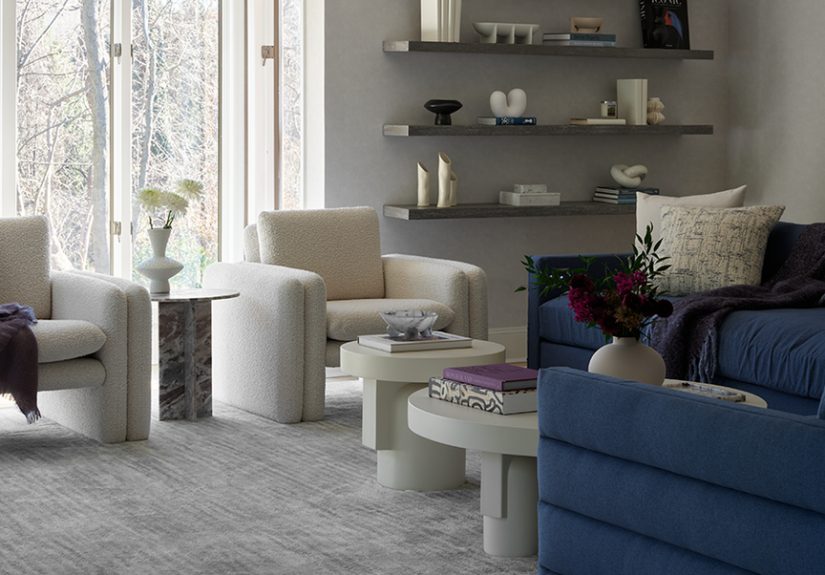
When everything is pressed against the walls, rugs often look like sad islands floating in the middle, disconnected from the furniture they’re supposed to anchor. Many style guides suggest using an area rug to unify the seating areaoften by placing at least the front legs of key seating pieces on the rugso the room feels cohesive instead of scattered.
6) You can block vents and returns (and make your HVAC system work harder)
This one isn’t just “design talk.” Blocking supply registers or return vents can reduce airflow and efficiency, and it may increase strain on your system. Energy-saving guidance commonly warns homeowners not to block registers and to keep airflow paths clear.
If you have return vents, avoid parking a big flat-backed sofa or bookcase directly in front of them. Some HVAC guidance suggests leaving breathing room in front of returns (often several inches) so air can move properly. Even if the vent isn’t fully covered, large furniture can still restrict airflow like a winter coat over a treadmill.
7) It can trap moisture and invite mold behind furniture (especially on exterior walls)
If you’ve ever pulled a dresser away from an exterior wall and found a mysterious patch of musty doom, you’re not alone. Moisture and condensation can form in colder corners and behind furniture where airflow is limited, and mold is commonly found on walls behind furniture where condensation occurs.
Building and environmental health guidance often recommends checking behind furniture placed against exterior walls and avoiding tight placement that can encourage condensation. A small gap can help air circulate and reduce the chance of a damp surprise.
8) Heat sources + furniture too close = safety risk
Space heaters, fireplaces, and other heating equipment deserve personal spacelike a cat. Fire safety organizations commonly recommend keeping space heaters at least 3 feet away from anything that can burn, including furniture, curtains, and bedding. That “3-foot rule” comes up again and again in safety guidance.
If your layout forces an upholstered chair to sit inches from a heater, that’s not “cozy.” That’s “suspenseful.” Floating furniture isn’t just prettier hereit’s safer.
9) It increases scuffs, dents, and cleaning misery
Furniture pressed tight to walls tends to grind into baseboards, dent drywall, rub paint, and snag curtains. It also makes cleaning harder because you’re either (a) never moving it, so dust bunnies build a civilization, or (b) constantly scooting it, so your walls look like they’ve been through a minor bar fight.
Leaving even a small gapsometimes just a few inchescan help protect your walls, preserve your furniture, and make it easier to run cords, access outlets, and breathe easier (literally and aesthetically).
When Pushing Furniture Against the Wall Is Actually Fine
Let’s be real: not everyone has a sprawling living room with unlimited possibilities and perfect right angles. Sometimes wall placement is the only way to keep a room functional.
Here are scenarios where wall-adjacent furniture makes sense:
- Tight spaces where pulling pieces inward blocks walkways or door swings.
- Beds often work best against a wall or centered on a wall for a clear layout (especially in smaller bedrooms).
- Media consoles usually belong against a wall for practical reasons (wiring, mounting, viewing distance).
- Small apartments where you need every inchthough even then, “a few inches off the wall” can be a big upgrade.
The goal isn’t to banish furniture from walls forever. It’s to stop assuming the wall is the only “correct” parking spot.
How to Float Furniture Without Making Your Room Feel Like a Maze
Start with a focal point and a purpose
Decide what the room is for: conversation, TV watching, reading, entertaining, all of the above. Then pick the focal point and arrange seating to support it. This is why designers often recommend pulling seating into a cohesive “zone” instead of lining it up around the perimeter.
Use a rug to “lock in” the seating area
A rug can act like a visual anchor. A widely used approach is to ensure the main seating pieces connect to the rugoften with at least the front legs on itso the arrangement reads as one intentional group.
Keep comfortable spacing (no shin bruises required)
Floating furniture doesn’t mean cramming everything together. A common guideline for coffee table placement is leaving about 12–18 inches between the sofa and the coffee table so it’s easy to reach without knee collisions. Also consider leaving adequate space around tables and major pieces for movement.
Try the “two-step” approach (for nervous floaters)
- Step 1: Pull the sofa forward 2–6 inches. Yes, even that counts. Notice how the room feels.
- Step 2: If it works, pull it forward more and add a slim console table behind it for lamps, drinks, and a place to pretend you’re a person who reads hardcover books.
Make walkways obvious
Before you commit, walk through the room like you’re carrying laundry, a toddler, or a tray of nachos. Your layout should make movement feel natural. If you’re constantly turning sideways and whispering apologies to a side chair, adjust.
In open-plan spaces, float to create “rooms without walls”
Open concept homes can feel undefined if everything stays on the edges. Floating a sofa (even partially) can create a boundary that separates the living area from dining or kitchen zoneswithout building anything. It’s design magic with zero permits.
Quick Layout Ideas That Beat the Wall-Hugger Default
The “U-shaped conversation” setup
Place a sofa facing the focal point, add two chairs angled inward, and anchor everything with a rug. This creates a natural conversation zone and keeps the room feeling welcoming.
The “float-and-ground” setup
Float the sofa, but keep one substantial piece against a wall (like a media console or a bookcase). This balances openness with practicality and keeps the room from feeling like furniture is drifting at sea.
The “small room cheat code”
If space is tight, float just one piece: pull the sofa slightly forward or angle a chair inward. You’re not trying to break the rules; you’re trying to break the habit.
Real-World Experiences (and Lessons Learned the Funny Way)
To make this practical, here are some common “experience-based” scenariosthings homeowners routinely run into when they stop defaulting to wall-hugging and start treating furniture placement like a strategy instead of a surrender.
Experience #1: The “Why does my living room feel cold?” mystery
A classic story: someone swears their heating or AC “doesn’t work in the living room,” but the system checks out. Then they notice the giant sectional is basically wearing the return vent like a hat. Once the sofa is shifted and airflow is restored, the room feels more comfortable and the system doesn’t have to fight the laws of physics. The funniest part is how quickly people go from “I can’t move it, it’s heavy” to “Why didn’t we do this sooner?” when the room finally feels normal.
Experience #2: The Great Mold Reveal (a.k.a. the wall was not okay)
Another common one: a dresser or bed is pushed flush against an exterior wall for years. Everything looks fineuntil someone rearranges furniture on a whim and discovers a musty patch behind it. It’s not that the furniture caused the moisture, but tight placement reduces airflow and can make condensation issues worse. The “lesson learned” is usually: leave a small gap on exterior walls, keep humidity reasonable, and don’t assume “out of sight” means “out of existence.”
Experience #3: The room that looked bigger… but nobody sat in it
Some living rooms look immaculate because the seating is lined up around the edges like it’s waiting for a bus. The center stays empty, so the room photographs wellyet people naturally gather in the kitchen because the living room feels emotionally distant. When the seating is pulled inwardeven a littlesomething changes: guests stop perching and start settling. The room becomes a place where conversations happen without everyone yelling across the void. It’s the difference between “a room you own” and “a room you use.”
Experience #4: The space heater near-miss nobody wants
In colder months, people bring out space heaters and tuck them wherever there’s roomoften right next to a sofa, curtains, or a cozy throw blanket that absolutely did not sign up to be part of an action movie. Once you design the room with breathing space and clear zones, it’s much easier to keep that recommended safety buffer. A layout with a little floating space can reduce the temptation to wedge heat sources into tight corners where they don’t belong.
Experience #5: The “I didn’t realize my rug was wrong” awakening
Many people buy a rug that fits the center of the room like a decorative postage stamp. Then they push all furniture to the walls, which makes the rug look even more disconnected. The moment they float the sofa and chairs and place front legs onto the rug, the entire room suddenly feels intentionallike it was designed on purpose rather than assembled during a late-night online shopping spree. The rug stops being “a thing on the floor” and becomes the foundation of the seating area.
These experiences all point to the same truth: moving furniture off the wall isn’t just a style preference. It’s often the easiest way to improve comfort, safety, and how a room functions day-to-day.
Conclusion
Pushing furniture against the wall is the interior-design equivalent of eating cereal for dinner: it works, it’s familiar, and sometimes it’s necessary. But it’s not always the best optionand it’s rarely the most comfortable one.
When you float furniture, you create conversation zones, improve traffic flow, reduce awkward dead space, protect walls, and avoid blocking vents. You can even lower the risk of moisture issues behind large pieces on exterior wallsand you make it easier to keep furniture a safe distance from heaters. Most importantly, your room starts to feel like a place humans actually live, not a museum exhibit titled “Behold: The Perimeter.”