Table of Contents >> Show >> Hide
When you think of essential nutrients, vitamins like A, C, and D may immediately come to mind. But what about potassium? It might not get as much attention as some other nutrients, but potassium plays an incredibly important role in maintaining your body’s balance and overall health. It is a mineral and an electrolyte, meaning it helps conduct electrical signals within the body. Without it, many vital processes would stop working as efficiently, leading to health issues ranging from muscle weakness to more severe cardiovascular problems.
What is Potassium and Why is it Important?
Potassium is a mineral found in many foods, including fruits, vegetables, and legumes. It helps regulate fluid balance in the body, supports nerve function, and aids in muscle contractions. Its most significant role is in helping regulate your heartbeat, making it a critical nutrient for maintaining heart health. But how does it do all of this? Let’s dive into the science.
The Role of Potassium in Nerve and Muscle Function
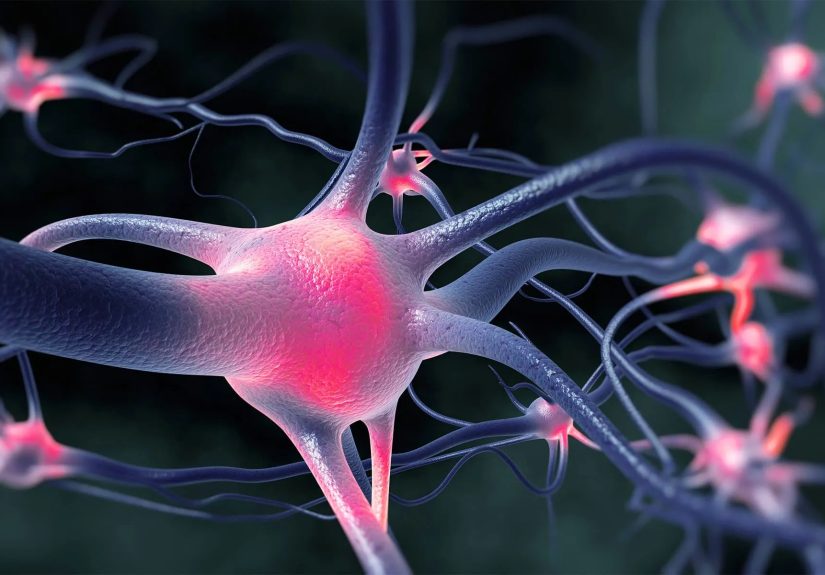
Potassium ions are essential for the electrical impulses that control muscle contractions, including the muscles of the heart. When potassium levels fall too low, your muscles may become weak or stiff, and your heart may not be able to beat properly. This is why potassium is often called the “heartbeat mineral” – it’s crucial for proper heart function.
When potassium levels are balanced, your muscles can contract and relax smoothly. Without enough potassium, you may experience cramps or spasms, especially after exercise. In extreme cases, low potassium levels (known as hypokalemia) can lead to muscle paralysis. This is why it’s so important to replenish potassium after intense physical activity.
Regulating Fluid Balance and Blood Pressure
Another critical function of potassium is maintaining a healthy fluid balance. Potassium works alongside sodium to balance the fluids in your cells, tissues, and organs. This is particularly important when it comes to blood pressure. Potassium helps relax the walls of your blood vessels, lowering the risk of high blood pressure (hypertension).
Potassium also counteracts the effects of too much sodium in the body, which can raise blood pressure. By increasing potassium intake through foods such as bananas, spinach, and sweet potatoes, you can help keep your blood pressure in check. Studies show that a diet rich in potassium can lower the risk of stroke and kidney stones, making it an essential nutrient for long-term health.
How Much Potassium Does the Body Need?
The recommended daily intake of potassium varies depending on age, gender, and overall health. For most adults, the general recommendation is around 2,500-3,000 milligrams (mg) per day. However, this can be higher for certain individuals, especially those who are pregnant or breastfeeding.
Unfortunately, many people do not get enough potassium in their diet. According to the Centers for Disease Control and Prevention (CDC), less than 2% of Americans meet the daily recommended intake of potassium. This is concerning because a potassium deficiency can cause a variety of health problems, including high blood pressure, muscle cramps, and kidney stones.
How to Get More Potassium in Your Diet
Increasing your potassium intake is not as difficult as it might sound. Potassium-rich foods are abundant in nature, and incorporating them into your diet is as simple as adding a few servings of these foods each day. Here are some of the top potassium-rich foods:
- Bananas: A classic potassium source, one medium banana contains about 400 mg of potassium.
- Sweet potatoes: Just one medium sweet potato can contain over 450 mg of potassium.
- Spinach: A cup of cooked spinach provides about 840 mg of potassium.
- Avocados: Avocados are rich in potassium, with one medium avocado providing around 975 mg.
- Tomatoes: Tomatoes and tomato products, such as sauce, are excellent sources of potassium.
- Legumes: Beans, lentils, and peas are potassium-packed and versatile in many dishes.
Adding a variety of these foods to your daily meals will ensure that your body gets the potassium it needs to stay healthy.
Signs and Symptoms of Potassium Deficiency
A deficiency in potassium can lead to a wide range of symptoms, which can affect various parts of your body. Common signs of low potassium include:
- Muscle cramps and weakness: Potassium helps muscles contract and relax, so a lack of it can lead to cramping and fatigue.
- Heart palpitations: A potassium deficiency can cause irregular heart rhythms, leading to a sensation of skipped beats or a racing heart.
- Constipation: Potassium plays a role in digestive health, so not getting enough can result in sluggish digestion.
- Fatigue and dizziness: Low potassium levels can reduce energy levels and cause dizziness or lightheadedness.
- High blood pressure: Without enough potassium, your blood pressure may rise, increasing the risk of cardiovascular disease.
If you experience any of these symptoms, it’s a good idea to check with a healthcare provider. A blood test can determine your potassium levels, and dietary changes or supplements may be recommended to address the deficiency.
Potassium Supplements: Are They Necessary?
While it’s always best to get your nutrients from food, some individuals may need potassium supplements, especially those with certain medical conditions, such as kidney disease, or those taking medications that affect potassium levels. However, it’s important to take supplements with caution. Too much potassium can also be dangerous and lead to hyperkalemia (high potassium levels), which can cause heart arrhythmias and other serious health problems.
If you believe you need a potassium supplement, it’s best to consult with a healthcare provider to determine the appropriate dosage. In most cases, dietary changes should be the first line of defense against potassium deficiency.
Conclusion: Potassium Is Essential for a Healthy Life
Potassium is an unsung hero in the world of nutrition. From helping your muscles contract to regulating your blood pressure and supporting heart health, its role in the body is invaluable. Ensuring that you get enough potassium through your diet can improve your overall well-being and reduce the risk of developing chronic diseases such as hypertension, stroke, and kidney stones.
Make potassium-rich foods a part of your daily meals to support your health. Whether it’s adding some spinach to your salad, grabbing a banana as a snack, or roasting sweet potatoes for dinner, your body will thank you for it. Don’t underestimate the power of potassium – it truly is a vital nutrient for life.
Experiences with Potassium Deficiency
Over the years, many individuals have shared their experiences with potassium deficiency, and the stories often highlight how this issue can affect daily life. For instance, one individual recalled the difficulty of recovering from frequent muscle cramps after long workouts. Despite following a regular exercise routine, they found themselves in constant pain after even moderate physical activity. It wasn’t until they began to prioritize potassium-rich foods like avocados and sweet potatoes that the cramps started to subside. This transformation was so significant that they felt it was almost like magicsimply increasing potassium intake helped eliminate the nagging issue.
Another common story involves those with high blood pressure. Many people who struggled with managing their hypertension found that increasing their potassium intake had a noticeable impact. After weeks of incorporating more potassium-rich foods into their diet, they experienced fewer spikes in blood pressure readings and felt more balanced overall. While these experiences may not work the same for everyone, the positive impact of potassium on health cannot be overstated.
These real-life experiences underscore the importance of potassium in the diet. Potassium isn’t just a supplement you take in a pinchit’s an essential nutrient that, when incorporated into your routine, can improve your quality of life. So, take the time to pay attention to your potassium intake; your body will definitely thank you.
Remember, always consult with a healthcare provider before making drastic changes to your diet or supplement regimen. Potassium is a powerful nutrient, but balance is key!