Table of Contents >> Show >> Hide
- Why Schools Started Looking Outside
- Outdoor Learning Is a Safety Strategy, Not a Safety Shortcut
- What Outdoor Classes Can Look Like
- The Academic Case for Going Outside
- Safety Planning for Outdoor Classrooms
- Equity: The Outdoor Classroom Should Belong to Every Student
- From Pandemic Response to Permanent Practice
- Practical Examples Schools Can Try
- Challenges Schools Must Solve
- Conclusion: Safer, Smarter, and More Human Learning
- Experience Notes: What Outdoor Classes Feel Like in Real School Life
- SEO Tags
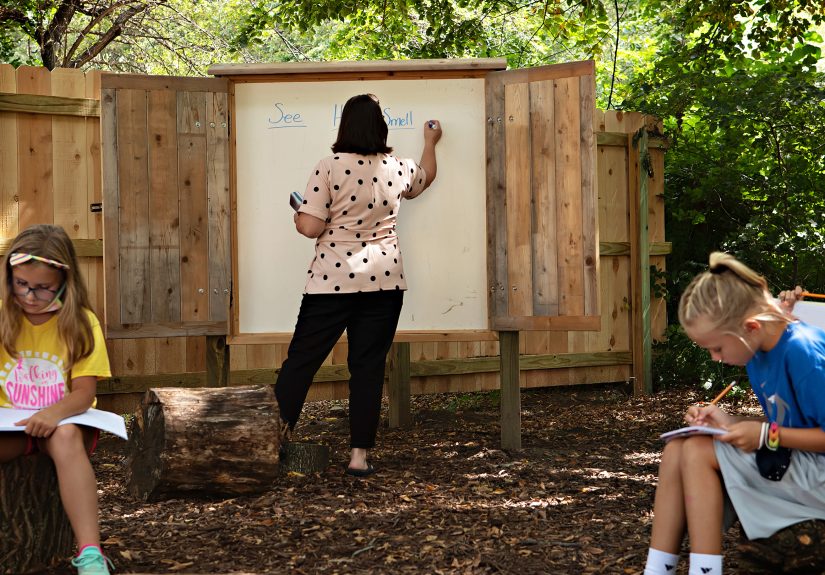
The school bell rings, the backpack zippers buzz, and instead of marching into a room with four walls, students head toward the shade of a tree, a tent on the blacktop, a garden bed, or a circle of benches near the soccer field. No, it is not recess sneaking into the schedule wearing a fake mustache. It is outdoor learning, and across the United States, schools have increasingly looked beyond the classroom door for safer, healthier, and more engaging ways to teach.
The idea is not new. Teachers have taken children outside for science observations, reading circles, nature journaling, and field studies for generations. What changed in recent years was the urgency. During the COVID-19 pandemic, outdoor classes became a practical safety strategy because fresh air, wider spacing, and lower transmission risk made the outdoors a serious option for in-person learning. Since then, many educators have discovered something important: outdoor classrooms are not just a backup plan for emergencies. When thoughtfully designed, they can improve student engagement, support mental health, reduce crowding, and make lessons feel more real.
Of course, “take classes outdoors” sounds wonderfully simple until someone asks where the whiteboard goes, what happens when it rains, how students with allergies are supported, and whether squirrels count as unauthorized classroom visitors. The answer is not to drag every desk onto the football field and hope for the best. The answer is planning. Schools that succeed outdoors treat safety, equity, instruction, weather, and logistics as part of the lesson plan.
Why Schools Started Looking Outside
The first major reason was health. Public health guidance has emphasized ventilation, cleaner air, and outdoor activities when conditions allow. In classrooms, air quality depends on building systems, window access, filtration, occupancy, and maintenance. Outdoors, natural ventilation is abundant, which can help reduce the concentration of airborne germs. For schools trying to keep students learning in person, outdoor space became a way to add flexibility without waiting years for major building upgrades.
The second reason was space. Many school buildings were not designed for wide spacing, flexible small groups, or sudden changes in public health needs. A cafeteria, hallway, or standard classroom can feel crowded quickly. A courtyard, field, garden, parking area, or nearby park can expand the campus. Even a modest outdoor zone can give schools room for small-group instruction, lunch, movement breaks, music, art, science, or quiet reading.
The third reason was student well-being. Children are not houseplants, though some teachers may feel they spend a suspicious amount of time reminding them to drink water and face the light. Students need movement, sensory variety, fresh air, and opportunities to observe the world directly. Outdoor learning can help children connect abstract ideas to real experiences: measuring shadows for math, observing pollinators for science, writing descriptive paragraphs under a tree, or discussing local water runoff after a rainstorm.
Outdoor Learning Is a Safety Strategy, Not a Safety Shortcut
The safest outdoor class is not simply the one with the most sunshine. It is the one with the most preparation. School leaders must think about heat, cold, air quality, storms, insects, supervision, accessibility, traffic, hydration, security, bathroom access, noise, and student medical needs. In other words, the outdoors can be safer in some ways, but it is never “set it and forget it.” It is more like “set it, check the weather, pack the clipboard, bring water, count heads twice, and make sure the substitute teacher knows where the shade is.”
Air Quality Comes First
Outdoor air is often helpful for reducing respiratory risk, but schools still need to monitor air quality. Wildfire smoke, high ozone, heavy traffic, pollen, and extreme heat can change the risk calculation fast. A safe outdoor-learning plan should include daily checks of the Air Quality Index, especially in regions affected by wildfire smoke or urban pollution. When air quality is poor, schools may need to shorten outdoor time, reduce vigorous activity, move sensitive students indoors, or cancel outdoor lessons entirely.
Heat, Hydration, and Shade Matter
Heat safety is now a major school issue. Outdoor learning spaces need shade from trees, canopies, awnings, or shade sails. Students should have water access, breaks, and clear rules about hats, sunscreen, and light clothing. Scheduling matters, too. Morning outdoor classes are often more comfortable than afternoon sessions, especially on hot days when pavement, turf, and metal surfaces can become unpleasant or unsafe.
Schools should also think beyond “Is it hot?” and ask, “Where is the heat coming from?” Blacktop radiates heat. Treeless areas can feel much hotter than shaded grass. A garden, courtyard, or schoolyard with living plants may be more comfortable than a wide-open asphalt zone. This is one reason many districts are pairing outdoor learning with schoolyard greening: trees and planted areas can create learning spaces while also cooling the campus.
Weather Plans Prevent Chaos
Outdoor classrooms need a simple weather protocol. Teachers should know when to stay outside, when to modify the lesson, and when to return indoors. Light drizzle may be fine for a garden observation, while lightning is an automatic no-go. Cold weather can work with proper clothing and shorter sessions, but wind chill, icy surfaces, and wet clothing can quickly make learning miserable.
A smart outdoor program does not try to defeat weather. It works with it. Schools can keep outdoor kits ready with clipboards, portable stools, laminated maps, hand sanitizer, first-aid supplies, pencils, magnifiers, and small dry-erase boards. Teachers can also prepare indoor backup versions of lessons so a sudden storm does not turn the day into a live-action documentary called “The Great Worksheet Stampede.”
What Outdoor Classes Can Look Like
Outdoor learning does not require a forest, a lake, or a grant-funded amphitheater that looks like it belongs in a college brochure. Schools have used courtyards, sidewalks, gardens, playground edges, athletic fields, parking lots, nearby parks, and even closed streets. The key is matching the space to the lesson.
Elementary School: Learning Through Observation
Younger students often benefit from lessons that turn the schoolyard into a living textbook. A first-grade class might count leaves, compare textures, sketch clouds, listen for bird calls, or sort natural objects by shape and size. A reading lesson can become more engaging when students sit in a circle outside and act out scenes from a story. A math lesson can use sidewalk chalk to create number lines, arrays, and geometric shapes big enough for students to walk through.
Middle School: Science, Movement, and Real-World Problems
Middle school students are old enough to investigate systems. They can test soil, map shade patterns, measure temperature differences between grass and pavement, study stormwater runoff, or calculate the area needed for a garden bed. Outdoor lessons can also support social-emotional learning. Students can work in teams, solve physical challenges, reflect in journals, and practice leadership in less formal settings.
High School: Place-Based Learning and Civic Thinking
For high school students, outdoor classes can connect academic content to local issues. Environmental science students can analyze air quality, urban heat, biodiversity, or water use on campus. English students can write essays about public space, climate resilience, or community design. Government classes can debate how cities distribute parks, trees, and safe walking routes. Art students can sketch landscapes, design public murals, or study light and shadow.
The Academic Case for Going Outside
Outdoor learning works best when it is not treated as a reward after “real learning” is finished. It is not the educational equivalent of dessert. It can be the main course. Students often remember lessons better when they can touch, measure, see, smell, and discuss the subject in context. A plant life-cycle diagram is useful; watching seedlings emerge from soil is unforgettable. A lecture on erosion can explain the concept; seeing a muddy slope after rain makes it click.
Outdoor environments also encourage inquiry. Students ask questions because the setting offers surprises. Why are ants moving in a line? Why is one side of the building hotter? Why does moss grow here but not there? Why does sound travel differently outside? These questions can become science investigations, writing prompts, math problems, or class discussions.
Teachers also report that outdoor learning can refresh classroom routines. A student who struggles to sit still indoors may focus better when the lesson includes movement. A quiet student may speak more confidently during a small-group garden activity. A class that feels tired after lunch may regain energy during a 25-minute observation walk. Outdoor instruction does not magically solve every behavior issue, but it gives teachers more tools.
Safety Planning for Outdoor Classrooms
The most effective schools build outdoor learning into their safety systems rather than treating it as a special event. That means creating clear procedures, training staff, and communicating expectations to families.
1. Define Outdoor Learning Zones
Schools should map approved outdoor areas and identify the best uses for each one. A shaded courtyard may work for reading and discussion. A field may work for science measurement or physical education. A garden may work for biology, art, and nutrition lessons. A noisy area near traffic may be better for short activities than quiet writing.
2. Set Supervision Rules
Outdoor spaces can make visibility easier, but they can also introduce boundaries, blind spots, and distractions. Teachers need clear rules for student movement, bathroom trips, emergency signals, and attendance checks. Younger students may need cones, chalk lines, or rope boundaries. Older students can help set norms, but they still need supervision.
3. Prepare for Medical Needs
Schools should review student health plans before outdoor activities. Asthma, allergies, mobility limitations, heat sensitivity, and medication needs must be considered. Outdoor learning should not exclude students who need accommodations. Instead, schools can provide accessible routes, seating, shade, modified activities, and indoor alternatives when conditions are unsafe.
4. Make Materials Portable
The best outdoor lessons are simple to set up. Portable bins, clipboards, reusable seat pads, waterproof storage, and lightweight whiteboards can save teachers from hauling half the classroom outside like they are moving apartments. Technology can help, but outdoor learning should not depend entirely on screens, extension cords, or Wi-Fi that gives up the moment a cloud passes overhead.
5. Communicate With Families
Families should know when outdoor learning happens, what students should wear, and how the school handles weather and safety. A simple message can prevent confusion: bring a water bottle, wear comfortable shoes, apply sunscreen at home when needed, and dress for the forecast. Families are more likely to support outdoor instruction when they understand it is planned learning, not recess with extra vocabulary words.
Equity: The Outdoor Classroom Should Belong to Every Student
Outdoor learning can widen opportunity, but only if schools design it that way. Not every campus has green space. Some schools have acres of fields and mature trees; others have a narrow blacktop, a chain link fence, and one heroic shrub doing its best. Students in heat-prone, low-canopy neighborhoods may face higher temperatures and fewer safe outdoor areas. That makes equity central to the conversation.
Schools can start small, but they should not stop there. A portable shade tent, painted learning zones, container gardens, and movable seating can create immediate options. Long-term investments may include trees, rain gardens, accessible pathways, outdoor sinks, covered learning pavilions, and safer routes to nearby parks. Partnerships with parks departments, nonprofits, parent groups, and local businesses can help schools create better outdoor spaces without placing the whole burden on teachers.
Accessibility is also essential. Outdoor spaces should include routes for wheelchairs and mobility devices, seating for students who cannot stand for long periods, quiet areas for sensory breaks, and flexible participation options. A good outdoor classroom does not ask students to “tough it out.” It asks adults to design better.
From Pandemic Response to Permanent Practice
During the pandemic, many schools saw outdoor classes as an emergency solution. Years later, the better question is why they should disappear. Outdoor learning supports health, academic engagement, climate awareness, physical activity, and social connection. It also helps schools think more creatively about facilities. A school campus is not just a building. It is a learning ecosystem.
This does not mean every class should happen outside. Algebra during a thunderstorm is not a bold innovation; it is a bad idea with soggy paper. But schools can identify regular moments when outdoor instruction improves learning: science labs, reading circles, art observation, wellness breaks, writing workshops, environmental projects, and community-based lessons.
The future of outdoor learning is likely to be hybrid. Students may learn indoors when they need projection screens, lab equipment, quiet testing spaces, or climate control. They may learn outdoors when direct observation, movement, fresh air, and collaboration make the lesson stronger. The goal is not to replace classrooms. The goal is to expand what a classroom can be.
Practical Examples Schools Can Try
Outdoor Reading Circles
Teachers can use shaded areas for read-alouds, literature discussions, partner reading, or independent reading time. Students often enjoy the change of setting, and a short outdoor reading routine can reduce restlessness during long school days.
Math on the Move
Sidewalk chalk, measuring tapes, cones, and natural objects can turn math into a physical experience. Students can estimate distances, calculate perimeter, create graphs with leaves, or use shadows to explore ratios and angles.
Science in the Schoolyard
Science may be the easiest subject to take outdoors. Students can study weather, plants, insects, rocks, soil, temperature, water flow, and human impact. Even a small patch of grass can become a lab when students are trained to observe carefully.
Writing With the Senses
Outdoor writing helps students move beyond generic descriptions. Instead of writing “It was a nice day,” they can describe the smell of wet soil, the sound of basketballs on pavement, the shape of clouds, or the way sunlight changes a brick wall.
Wellness and Mindfulness Breaks
Short outdoor breaks can support attention and emotional regulation. A five-minute breathing exercise, a quiet walk, or a nature-noticing routine can help students reset before returning to academic work.
Challenges Schools Must Solve
Outdoor learning is promising, but it is not effortless. Teachers need training and planning time. Administrators need to coordinate schedules so multiple classes do not collide in the same outdoor zone. Custodial and facilities teams need to be included early because maintenance, storage, shade, drainage, and seating all matter.
Noise can be a problem. So can insects, neighborhood distractions, uneven ground, and weather changes. Some students may initially treat outdoor time like recess because that is what school has trained them to expect. Teachers can solve this by establishing routines: where to sit, how to carry materials, how to respond to attention signals, and what outdoor learning behavior looks like.
Curriculum alignment is another challenge. Outdoor lessons should connect to standards and learning goals. A class can absolutely enjoy the sunshine, but the sunshine should not be the entire lesson plan. Administrators can support teachers by building outdoor learning into pacing guides, professional development, and assessment strategies.
Conclusion: Safer, Smarter, and More Human Learning
Taking classes outdoors began for many schools as a safety measure, but it has grown into something bigger. Outdoor learning gives schools more room, more fresh air, and more ways to reach students who need movement, curiosity, and real-world connection. It can support public health, improve engagement, and turn ordinary campuses into active learning environments.
The best outdoor programs are not improvised. They are designed with care. They include shade, weather plans, air-quality checks, accessibility, teacher training, family communication, and strong instructional purpose. When schools take safety seriously, outdoor classes can be more than a temporary fix. They can become a lasting upgrade to American education.
A classroom under the sky will never replace every indoor lesson, and it does not need to. Its value is different. It reminds students that learning is not trapped inside a building. It lives in the soil, the wind, the neighborhood, the weather, the questions students ask, and the world waiting just beyond the door.
Experience Notes: What Outdoor Classes Feel Like in Real School Life
Ask students what they remember from school, and many will not start with a worksheet. They remember the day the class hatched butterflies, the time everyone measured shadows on the playground, the garden bed that somehow produced one heroic tomato, or the reading circle where a gust of wind tried to turn the teacher’s book into a kite. Outdoor learning sticks because it feels different. It gives ordinary lessons a setting, a mood, and a little bit of adventure.
For teachers, the first outdoor class can feel intimidating. Indoors, the walls help define behavior. Outdoors, the world has opinions. A truck passes. A bird interrupts. A student discovers a beetle and briefly becomes the class spokesperson for beetle rights. But with routines, those interruptions can become teachable moments rather than distractions. A passing siren can lead to a discussion about sound. A puddle can become a mini-lab. A windy day can turn into a lesson on weather, design, or patience.
One common experience is that students who seem quiet indoors may become more engaged outside. A child who rarely raises a hand during a textbook lesson may eagerly point out a pattern in leaves or notice that one area of the schoolyard is cooler than another. Outdoor learning rewards observation, movement, and curiosity, which means different students get a chance to shine. That matters. School should not only celebrate the fastest reader or the neatest note-taker. It should also recognize the careful observer, the thoughtful questioner, the builder, the mapper, the gardener, and the student who notices what everyone else walks past.
Families often notice the difference, too. Students may come home talking about what they saw, built, measured, planted, or discussed outside. That kind of storytelling matters because it extends learning beyond the school day. A child who studies tree canopy at school may begin noticing shade on the walk home. A student who tests soil may ask about the family garden. A class that studies stormwater may suddenly understand why drains clog after heavy rain. Outdoor learning can make education feel less like a separate institution and more like a way of understanding everyday life.
There are also honest frustrations. Outdoor seating can be uncomfortable. Pencils disappear into grass as if swallowed by tiny academic goblins. Weather changes. Students forget jackets. A lesson that worked beautifully in October may need a different plan in February. These challenges are real, but they are also manageable. Schools that treat outdoor learning as a regular practice, not a novelty, get better at it over time. Teachers refine routines. Students learn expectations. Administrators improve spaces. Families prepare clothing and supplies. The outdoor classroom becomes less of an event and more of a normal, useful part of school.
The most powerful experience may be the simplest: students realize that learning belongs everywhere. A math problem can live in the length of a shadow. A science question can hide under a leaf. A writing prompt can arrive with the smell of rain. A civics lesson can begin by asking why one neighborhood has shade and another does not. When schools take classes outdoors with safety in mind, they do more than change the scenery. They give students practice paying attention to the worldand that may be one of the most important lessons a school can teach.