Table of Contents >> Show >> Hide
- What Is Zen-Inspired Cleaning, Really?
- Why Your Brain Loves a Calm, Clean Space
- The Mindful Cleaning Principles That Changed My Routine
- How I Rebuilt My Daily Routine the Zen Way
- Practical Tips to Try Zen-Inspired Cleaning at Home
- Common Mistakes (So You Don’t Make Them)
- My Personal Experience: How Zen Cleaning Shifted My Life
- Final Thoughts: A Calmer Home, A Calmer You
I used to clean like I was running late for a flight: fast, stressed, and slightly angry at every dust bunny that dared to exist.
I’d blast music, speed-wipe every surface, and call it “good enough” only to look around later and realize my home still felt
chaotic and my brain even worse.
Then I stumbled across the idea of Zen-inspired cleaning treating cleaning not as punishment, but as a slow,
mindful ritual. Instead of rushing through chores, you move with intention, focus on your senses, and turn simple tasks like
wiping the counter or folding towels into mini-meditations. Sounds dramatic, but this mindset shift genuinely changed my daily
routine, my mood, and even how I think about my home.
In this article, I’ll walk you through what Zen cleaning is, why it’s surprisingly good for your mental health, how I rebuilt my
routine from the ground up, and how you can try it without needing incense, a monastery, or a live-in guru. Just you, your home,
and maybe a microfiber cloth.
What Is Zen-Inspired Cleaning, Really?
Zen-inspired cleaning combines basic housekeeping with principles drawn from Zen philosophy: presence, simplicity, gratitude, and
respect for your surroundings. It’s not about achieving a showroom-perfect home. It’s about using small, repetitive cleaning
tasks as a way to calm your mind and bring your space into alignment with how you want to feel.
In Japanese culture, cleaning has long been connected to spiritual practice. Sweeping a floor or wiping a table isn’t just “getting
it over with” it’s a way to express appreciation for the space that shelters you and to clear mental “dust” along with the
physical. Instead of viewing cleaning as a never-ending to-do list, Zen approaches it as an opportunity to be present, to reset,
and to let go of what no longer serves you.
Practically speaking, Zen-inspired cleaning usually includes a few themes:
- Mindfulness: Paying attention to the motion of your hands, the texture of the cloth, the sound of the broom.
- Simplicity: Fewer objects, fewer products, fewer complicated systems more room to breathe.
- Gratitude: Caring for your home as if it were a living thing, not a resentful roommate.
- Respect for nature: Often, this means using gentler, eco-friendly cleaning products and natural materials where possible.
That’s the big-picture philosophy. But here’s where it gets interesting: this isn’t just cozy lifestyle-blog talk. Research on
clutter, cleaning, and mindfulness backs up the idea that cleaning in a calm, intentional way can genuinely help reduce stress,
boost your mood, and improve your ability to focus.
Why Your Brain Loves a Calm, Clean Space
You already know that walking into a messy room feels different from stepping into a tidy one. But it’s not just an aesthetic
preference your brain is literally working harder in clutter.
Less Visual Noise, More Mental Clarity
Psychologists often describe clutter as “visual noise.” Every stray object is like a tiny notification pinging your attention:
fold me, file me, fix me. Over time, this constant background chatter can leave you feeling drained, distracted, and oddly
restless, even if you haven’t done anything particularly taxing.
Studies on decluttering and mental health suggest that clearing physical clutter can reduce stress, improve concentration, and
give you a stronger sense of control over your life. A tidy, well-organized space doesn’t just look calmer it helps your nervous
system downshift out of “fight or flight” mode and into “I can actually breathe” mode.
Cleaning as a Mini-Meditation
Mindful cleaning takes this one step further. Instead of just racing through chores to get them done, you deliberately focus on
what you’re doing: the temperature of the water, the scent of the soap, the feeling of the fabric in your hands. Think of it as
meditation with a sponge.
When researchers studied people doing simple tasks like washing dishes while staying present and engaged with the sensation, those
participants reported less nervousness and more mental clarity afterward. In other words, you don’t need a cushion and a chanting
playlist to meditate a sink and a sponge will do the job just fine if you’re fully there.
On top of that, people who describe their homes as clean and organized tend to report lower daily stress and fewer feelings of being
overwhelmed. A cleaner space is linked with better mood, higher productivity, and even better sleep which is probably why so
many of us start “deep cleaning” when life feels like it’s spiraling.
The Mindful Cleaning Principles That Changed My Routine
I didn’t become a Zen cleaning master overnight. (I still own junk drawers. I am not above shoving stuff in a closet when guests
say they’re “five minutes away.”) But I did slowly adopt a handful of principles that genuinely transformed how my routine feels.
1. Start with Intention, Not Panic
My old routine started with panic: “Oh no, this place is a disaster.” My new routine starts with a question:
What feeling do I want when I’m done? Calm? Focused? Cozy?
Before I clean, I take one deep breath and mentally set an intention:
- “I’m clearing my desk so I can think clearly during work tomorrow.”
- “I’m wiping the counters to make cooking tonight feel easier.”
- “I’m making the bedroom feel restful so I can sleep better.”
It sounds cheesy, but it works. Instead of cleaning from shame or frustration, I’m cleaning in service of future me. Future me
deeply appreciates this.
2. One Zone, One Task, One Moment
Zen-inspired cleaning and many modern organizing approaches agree on one key rule: don’t try to conquer the entire house at once.
That’s a fast pass to burnout.
Now, I pick a single zone and a single task:
- Clear and wipe the kitchen island.
- Make the bed and reset the nightstands.
- Declutter just one shelf of the bookcase.
Once that’s done, I pause. If I have energy, I move on. If not, I celebrate the one small win and stop. This keeps cleaning from
feeling endless and turns it into a series of satisfying, doable resets.
3. Lead with Gratitude Instead of Guilt
One of the most surprisingly powerful practices I adopted was saying a quiet “thank you” as I handled things:
- “Thank you, mug, for holding my coffee every morning.”
- “Thank you, shoes, for getting me through that long day.”
- “Thank you, couch, for surviving my Netflix marathons.”
When I decide to let something go, I mentally thank it for how I used it in the past. That tiny shift makes decluttering feel
less like failure or waste and more like closing a chapter.
4. Simplify Your Tools and Products
Zen-inspired cleaning isn’t about owning 40 specialized sprays and gadgets. In fact, too many products become clutter themselves.
I cut my cleaning kit down to a few basics:
- A gentle all-purpose cleaner I actually like the smell of.
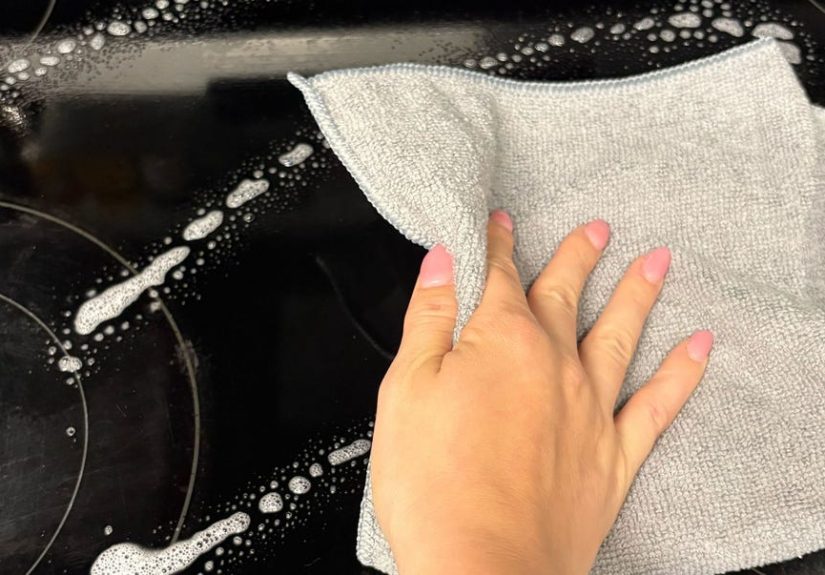
- Microfiber cloths and one good scrub brush.
- A vacuum and a simple broom/dustpan.
Fewer tools = fewer decisions = less mental friction. Grabbing what I need is effortless, so I’m more likely to do a quick reset
instead of putting it off.
5. Engage Your Senses on Purpose
This is where it starts to feel truly “Zen.” I try to treat each cleaning session as a little ritual for my senses:
- Sight: Notice before-and-after, not perfection.
- Smell: Use a lightly scented cleaner or open a window for fresh air.
- Touch: Feel the weight of the broom, the texture of a freshly wiped surface.
- Sound: Sometimes I play calm music; sometimes I let the quiet be the soundtrack.
Instead of numbing out and rushing, I lean into the details. It’s oddly satisfying like ASMR, but practical.
How I Rebuilt My Daily Routine the Zen Way
Okay, philosophy is great, but what does this actually look like in a day? Here’s how my routine shifted once I embraced
Zen-inspired cleaning.
My Old Routine
- Ignore clutter all week.
- Feel mysteriously stressed and tired.
- Have a cleaning meltdown on Saturday.
- Promise myself I’ll “keep up with it this time.” (Reader, I did not.)
My Zen-Inspired Routine Now
Morning: 10-Minute Grounding Reset
Before I dive into emails or social media, I give myself 10 minutes to reset one or two small areas:
- Make the bed slowly, smoothing the sheets instead of just yanking them up.
- Open the blinds or curtains to let in light.
- Clear and wipe the kitchen counter where I make coffee.
I focus on my breath, the light, and the feeling of creating order. It’s like a physical version of “closing all background apps”
in my brain.
Midday: Micro-Cleans as Transitions
Instead of doom-scrolling between tasks, I’ll:
- Wash a few dishes.
- Fold one load of laundry (not seven).
- Reset my desk: stack papers, put pens back, wipe the surface.
These micro-cleaning breaks help mark the end of one task and the beginning of another. They’re mental palate cleansers
plus my future self never walks into a tragic desk situation.
Evening: Gentle Wind-Down Ritual
At night, instead of collapsing straight into bed, I spend 10–15 minutes doing what I call a “soft reset”:
- Clear the living room surfaces (remote, cups, random socks that appeared out of nowhere).
- Run the dishwasher or at least leave the sink empty.
- Put things back in their “homes” keys, bag, devices.
As I do this, I think, “I’m getting tomorrow morning’s self started on the right foot.” It feels like tucking my home in for the
night and my brain follows.
Weekly: One Deeper Session, No Drama
Once a week, I choose one larger task: vacuuming, mopping, bathroom deep-clean, fridge reset. I don’t try to do everything. I put
on calming music, open a window, and move at a steady, deliberate pace.
The goal isn’t to annihilate every speck of dirt; it’s to give my home a little extra care and create space where I feel relaxed
instead of overwhelmed.
Practical Tips to Try Zen-Inspired Cleaning at Home
Ready to try this without reinventing your entire life? Start small. Here are some concrete ways to bring Zen into your cleaning
routine:
- Pick one “anchor ritual.” For example, always make your bed slowly in the morning or always clear the sink before bed.
- Set a gentle time limit. Try 10–15 minutes instead of “I’m going to clean the whole house today.”
- Turn off multitasking mode. No TV show, no ten podcasts at once. Either play calm music or enjoy the quiet.
- Use products you actually like. A scent you enjoy can turn wiping counters from a drag into a little sensory treat.
- Focus on “homes” for things. Instead of mindlessly shoving items around, ask, “Where does this actually belong?”
- Celebrate completed zones. Take a few seconds just to stand and look at your finished space. Let yourself enjoy it.
The magic is not in doing everything perfectly. It’s in repeatedly choosing small, kind actions that support the way you want to
feel in your home.
Common Mistakes (So You Don’t Make Them)
Trying to Be “Minimalist” Overnight
Decluttering is powerful, but turning your life upside down in one weekend usually leads to regret and exhaustion. Start with one
drawer, one shelf, or one type of item. Zen cleaning is more about consistency than dramatic before-and-after photos.
Confusing “Zen” with “Perfect”
Perfectionism is the opposite of Zen. There will be laundry. There will be mail. Someone will absolutely leave crumbs on the
counter five minutes after you wipe it. The goal is not to freeze your home in a museum-grade state; it’s to keep gently guiding
it back to “livable and calming.”
Using Cleaning as Self-Punishment
If your inner voice says “You’re such a mess, you’re so lazy, how did you let it get this bad?” that’s not Zen. That’s just
bullying yourself with a Swiffer in hand. Swap the script: focus on care, not criticism. You’re not fixing a failure; you’re
offering yourself support.
My Personal Experience: How Zen Cleaning Shifted My Life
The first time I experimented with Zen-inspired cleaning, I started embarrassingly small: washing dishes. Normally, I’d throw
them in the sink, soak them, avoid eye contact for several hours, and then sprint-clean right before bed. This time, I decided
to do it differently.
I filled the sink with warm water and watched the steam rise. I noticed how the soap smelled a subtle citrus, not the usual
chemical punch in the nose. Instead of stacking dishes aggressively, I picked each one up, felt its weight, and gave it my full
attention. Wash. Rinse. Place on the rack. Repeat.
Somewhere around the third plate I realized I wasn’t mentally drafting angry emails, replaying awkward conversations, or scrolling
imaginary drama in my head. I was just…washing a plate. And it was oddly peaceful. When I finished, the kitchen looked better,
sure but I also felt lighter.
That little moment became my gateway. Next, I tried folding laundry mindfully. Instead of racing through the pile, I slowed down,
smoothed each shirt, and folded it the same way every time. I noticed which clothes I genuinely loved wearing and which I always
avoided a subtle nudge that helped me declutter later. I wasn’t just folding fabric; I was reconnecting with my daily life.
Over a few weeks, this approach started to spill into other areas:
-
My mornings felt calmer. Making the bed and clearing my nightstand became a ritual that signaled, “Okay, today
has officially started.” -
Work felt more focused. A quick desk reset before I sat down made it easier to stay on task and not feel
mentally cluttered. -
Evenings became softer. Doing a gentle kitchen reset before bed meant I stopped waking up to chaos and my
mornings stopped feeling like damage control.
The most surprising change wasn’t my home; it was my relationship with it. Before, I saw cleaning as a battle I could never fully
win. There would always be more dust, more crumbs, more laundry. Now, I see it as an ongoing conversation with my space. Some days
I have time for a long, thoughtful chat (hello, deep-cleaning Sunday). Other days it’s just a quick check-in (a wiped counter, a
made bed). But either way, I’m showing up consistently.
Zen-inspired cleaning also helped me notice how my environment affects my choices. When the kitchen is clear, I’m more likely to
cook something simple and healthy instead of ordering takeout. When my desk is tidy, I’m more inclined to actually start that
project I’ve been avoiding. When the living room is reset at night, I’m more likely to relax, read, or talk with someone instead
of mindlessly scrolling my phone.
Do I still have messy days? Absolutely. Sometimes life explodes and the house looks like a “before” picture. The difference now is
that I don’t feel stuck there. I know that I can pick one small area, take a breath, and begin again not from frustration, but
from care. That, more than anything, is what Zen-inspired cleaning gave me: permission to reset, gently, as many times as I need.
Final Thoughts: A Calmer Home, A Calmer You
Zen-inspired cleaning won’t magically erase your to-do list or teleport your laundry into neat, folded stacks. But it can change
how you experience the time you already spend caring for your home. When you treat cleaning as a chance to slow down,
breathe, and be present, your chores stop being just chores. They become tiny anchors of calm in the middle of busy days.
You don’t need to overhaul your entire life to start. Choose one ritual, one corner, one small habit to approach with intention
and pay attention to how you feel afterward. If your shoulders drop a little, your mind feels quieter, and your home feels just
a bit more like a sanctuary, you’ll know you’re on the right track.