Table of Contents >> Show >> Hide
- 1. It’s Incredibly Cold… All Year Round
- 2. You Can Go Months Without Seeing the Sun
- 3. The South Pole Is Not Actually on Land
- 4. There Are No Permanent Residents
- 5. You Need to Be Physically Fit to Live There
- 6. There Are No Roads, Only Runways
- 7. Your Oxygen Levels Are Lower Than at Sea Level
- 8. Life Support Systems Are Vital
- 9. It’s the Best Place to Study Climate Change
- 10. The South Pole Has Its Own Time Zone
- Conclusion
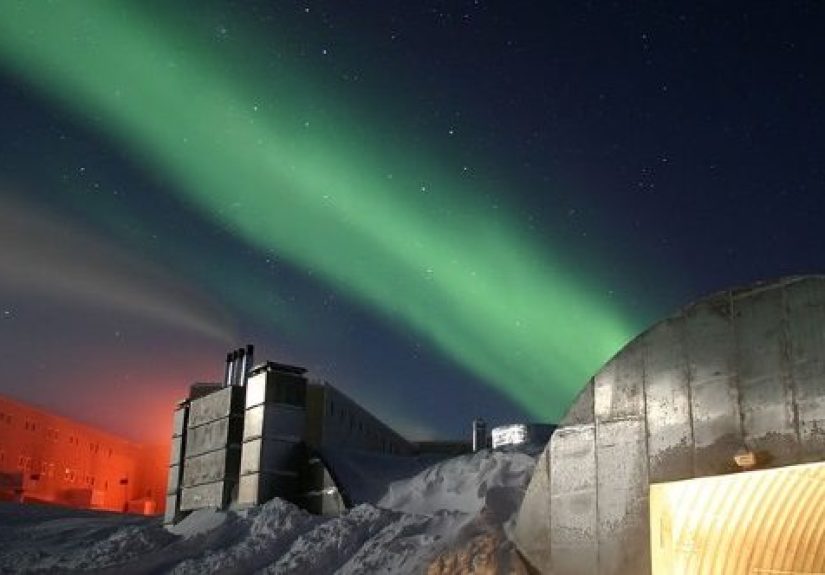
Living at the South Pole isn’t your average experience. It’s not just about the cold, the endless daylight in summer, and the darkness in winter. The South Pole is home to some of the most extreme living conditions on Earth, and while it may sound like a place reserved for adventure seekers and scientists, it’s also where people work, live, and survive under bizarre and often shocking circumstances. In this article, we’re going to look at 10 crazy facts about life in one of the most remote places on Earth!
1. It’s Incredibly Cold… All Year Round
The South Pole is infamous for its extreme cold, but did you know it stays cold all year long? Even in the middle of summer, temperatures can plummet below freezing. On average, temperatures hover around minus 40°F (-40°C), with winters that can drop to as low as minus 100°F (-73°C). The cold is one of the most defining features of life at the South Pole, and it’s not just uncomfortableit’s life-threatening without the proper gear.
2. You Can Go Months Without Seeing the Sun
Living at the South Pole means dealing with polar day and polar night. In the summer months, the sun never sets, meaning you can enjoy 24 hours of daylight. But come winter, the sun doesn’t rise at all. This means a complete lack of sunlight for about six months. Imagine living in a place where the sun is completely absent for half the year. The psychological toll on residents is immense, making artificial lighting and the ability to adapt to these extreme conditions essential for survival.
3. The South Pole Is Not Actually on Land
While the South Pole is often thought of as being on solid ground, it’s actually located on top of an ice sheet. This ice sheet is constantly moving and shifting, and the exact geographic location of the South Pole can change slightly every year. It’s like trying to live on a moving mattressexcept that mattress is 2 miles (3.2 kilometers) thick and sitting on top of the Antarctic continent, which itself is slowly sliding northward.
4. There Are No Permanent Residents
Unlike most places on Earth, the South Pole doesn’t have a permanent population. The only people who live there are researchers, scientists, and support staff who work at the Amundsen-Scott South Pole Station. They usually stay for a few months to a year before rotating out. It’s a transient lifestyle, and while it may sound fascinating, it’s also isolated and intense.
5. You Need to Be Physically Fit to Live There
The environment at the South Pole is not forgiving. Due to the extreme cold, the lack of daylight, and the harsh winds, anyone planning to live there has to undergo rigorous physical training. Only those who are in good physical health and can handle the stress of the environment are allowed to work at the station. For instance, people living and working there must be prepared to carry out physically demanding tasks, from snow shoveling to emergency evacuations, all while being fully suited up in extreme cold-weather gear.
6. There Are No Roads, Only Runways
At the South Pole, there’s no need for traditional roads. Instead, runways are used to transport supplies and people in and out of the area. Planes like the LC-130 Hercules are specially designed to land on packed snow and ice runways, which are crucial for bringing in food, equipment, and personnel. This means that getting in and out of the South Pole is a logistical nightmare that requires careful planning, and delays are common.
7. Your Oxygen Levels Are Lower Than at Sea Level
Despite being at the South Pole, which is closer to the Earth’s surface than the highest mountains, oxygen levels are lower than they are at sea level. This is because the station sits at an elevation of about 9,000 feet (2,750 meters), which is high enough to make breathing more difficult. The combination of high altitude and cold air makes it harder to perform physically demanding tasks, and respiratory issues are more common among those who stay there for extended periods.
8. Life Support Systems Are Vital
Living at the South Pole is a delicate balance between survival and innovation. Life support systems are absolutely essential for keeping people alive. These include things like heated buildings, refrigerated storage for food, water purification systems, and power sources that run 24/7. The infrastructure at the South Pole has been built to withstand extreme cold and constant use, ensuring that life continues even when the conditions are life-threatening outside.
9. It’s the Best Place to Study Climate Change
The South Pole is considered one of the best locations on Earth to study climate change. Due to its pristine, untouched environment and the fact that it’s located in one of the world’s most stable areas, scientists can track long-term changes in the Earth’s climate with a level of precision not available elsewhere. Instruments set up at the pole can measure shifts in global temperatures, atmospheric gases, and the health of the ozone layerdata that’s critical for understanding the planet’s health.
10. The South Pole Has Its Own Time Zone
Because the South Pole doesn’t have any natural time zone, researchers have adopted New Zealand Standard Time (NZST) to synchronize with supply flights and the researchers’ needs. This means that the locals live in a time zone that has no direct relationship to the day-night cycle they experience, adding another layer of strangeness to life on the frozen continent.
Personal Experiences: Living at the South Pole
For those who choose to live and work at the South Pole, the experience is truly one-of-a-kind. Imagine a life surrounded by constant snow and ice, with the only sound being the howl of the wind. For many people, the isolation is both mentally and physically challenging. However, for the passionate few who make the journey, it’s an unforgettable adventure. Some talk about the overwhelming beauty of the Antarctic landscape, the extreme quiet, and the profound sense of connection to the planet’s most untouched areas.
One experience that many residents share is the sensation of being completely cut off from the outside world. With limited communication methods, most people at the South Pole don’t hear from their families and friends for months. This isolation often leads to strong bonds between coworkers, as the people there rely on each other to make it through the grueling conditions. Despite the difficulty of the environment, many find that the experience leads to a greater appreciation for the simpler things in lifelike a warm meal, a hot shower, or the occasional glimpse of the sun.
Another common experience is the intense feeling of awe and gratitude that comes with living in such a remote, untouched place. The South Pole is not a place for the faint of heart, but those who live there often feel like they are part of something much larger than themselvesworking in harmony with nature to better understand the planet’s climate and ecosystems.
Conclusion
The South Pole may sound like a place of extremes, and it certainly is. However, those who live and work there are not just surviving; they are thriving in one of the most unique environments on Earth. The experience of living at the South Pole offers a combination of physical challenges, mental endurance, and a deep connection to the planet that few people ever get to experience.
meta_title: “10 Crazy Facts About Living At The South Pole – Listverse”
meta_description: “Discover 10 insane facts about life at the South Pole, from extreme cold to the psychological challenges of living in total darkness for months.”
sapo: “The South Pole is home to some of the most bizarre and extreme living conditions on Earth. From months without sunlight to extreme cold, here’s what it’s really like living in the world’s most remote location!”
keywords: “South Pole, living at the South Pole, extreme cold, polar day, Amundsen-Scott station, South Pole facts, climate research, Antarctica living conditions, South Pole experiences, living in isolation, Antarctica time zone”