Table of Contents >> Show >> Hide
- What “damage from acid reflux” actually means
- 13 proven at-home remedies to help heal acid reflux damage
- 1. Lose weight if you are carrying extra abdominal weight
- 2. Eat smaller meals instead of giant “celebration stomach” meals
- 3. Slow down while you eat
- 4. Stop eating at least three hours before bed
- 5. Elevate the head of your bed
- 6. Sleep on your left side
- 7. Identify and limit your personal trigger foods
- 8. Build meals around reflux-friendlier foods
- 9. Cut back on alcohol
- 10. Quit smoking
- 11. Wear loose-fitting clothing around your waist
- 12. Stay upright after meals and avoid bending or intense exercise right away
- 13. Use over-the-counter medicine correctly when lifestyle changes are not enough
- How to make these remedies work together
- When home remedies may not be enough
- A few common mistakes that keep reflux going
- What healing from acid reflux often feels like in real life
- Final thoughts
- SEO Tags
If acid reflux has turned your chest into a part-time bonfire, you are not alone. In the United States, about 20% of people have gastroesophageal reflux disease, or GERD. And while occasional heartburn is common, repeated reflux can irritate the lining of the esophagus and lead to inflammation, soreness, regurgitation, cough, hoarseness, and that lovely “why does my throat feel like I swallowed a cactus” sensation. The good news is that many people can improve symptoms and support healing with smart home habits, especially when those habits reduce how often stomach acid splashes upward.
Let’s be clear about one thing: healing damage from acid reflux is not about finding one magical kitchen hack. It is about lowering acid exposure again and again, day after day, until your irritated esophagus finally gets a break. Think of it as canceling a very rude guest who keeps showing up uninvited. The best at-home remedies are not glamorous, but they are practical, evidence-based, and recommended again and again by major digestive health experts.
This guide walks through 13 proven at-home remedies that can help calm reflux, reduce irritation, and give your esophagus a better chance to recover. You will also learn when home care is enough, when medication may help, and when it is time to stop Googling and call a medical professional.
What “damage from acid reflux” actually means
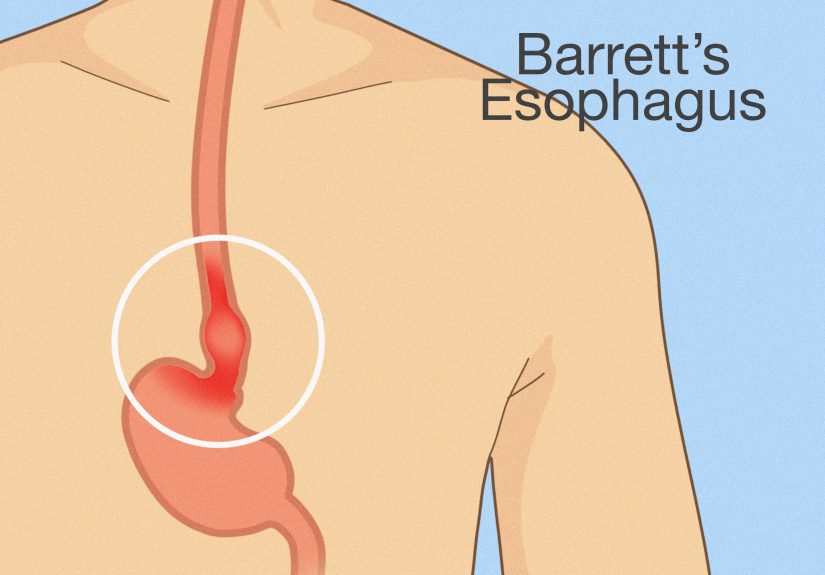
Acid reflux happens when stomach contents wash back into the esophagus. If that backflow becomes frequent, it can cause GERD. Over time, repeated exposure can inflame the esophagus, a condition often called reflux esophagitis. In more serious cases, untreated GERD can contribute to ulcers, bleeding, narrowing of the esophagus, and Barrett’s esophagus, a condition linked to long-term reflux.
That sounds dramatic because, well, it can be. But it also explains why random remedies do not cut it. If your goal is to heal reflux damage, the mission is simple: reduce the amount of acid and pressure working against your lower esophageal sphincter, the valve that is supposed to keep stomach contents in the stomach where they belong.
Some people feel better with home changes alone. Others need over-the-counter medication or prescription treatment, especially if symptoms are frequent or the esophagus is already inflamed. Home care still matters either way because it reduces the daily triggers that keep reflux going.
13 proven at-home remedies to help heal acid reflux damage
1. Lose weight if you are carrying extra abdominal weight
Of all lifestyle changes, weight loss is one of the most consistently recommended for reflux relief. Extra weight around the abdomen increases pressure on the stomach, which makes it easier for acid to move upward into the esophagus. Even modest weight loss can make a noticeable difference for some people.
This does not mean crash dieting, surviving on sadness, or pretending plain celery is a personality. It means aiming for steady, sustainable habits: smaller portions, more fiber, regular movement, and meals that do not trigger reflux in the first place. If reflux and weight are connected for you, this remedy often gives the biggest return.
2. Eat smaller meals instead of giant “celebration stomach” meals
Large meals stretch the stomach and increase pressure against the lower esophageal sphincter. That makes reflux more likely, especially after dinner. Smaller meals are easier on digestion and are less likely to trigger that familiar post-meal burn.
A practical fix is to split big meals into smaller ones across the day. Instead of a huge lunch followed by regret, try balanced, moderate meals with room to breathe. Your stomach likes that. Your esophagus definitely likes that.
3. Slow down while you eat
Fast eating often goes hand in hand with overeating, swallowing extra air, and feeling uncomfortably full. Slowing down helps you notice fullness sooner and may reduce the digestive chaos that follows rushed meals.
Chew thoroughly. Put your fork down between bites. Give your brain time to catch up with your stomach. It is not flashy advice, but it is the kind of boring wisdom that actually works.
4. Stop eating at least three hours before bed
Late-night eating is one of reflux’s favorite hobbies. When you lie down with a full stomach, gravity is no longer helping keep contents where they belong. That makes nighttime reflux more likely and may leave you waking up with heartburn, cough, throat irritation, or a sour taste in your mouth.
Try to finish dinner at least three hours before lying down. This is one of the simplest changes you can make, and for people with nighttime symptoms, it can be one of the most effective.
5. Elevate the head of your bed
If reflux hits hardest at night, bed elevation can help. Raising the head of the bed keeps gravity on your side and may reduce how easily acid flows back into the esophagus while you sleep.
Bed risers or a wedge are often the most practical ways to do this. The goal is not to sleep like a vampire in a dramatic incline. It is simply to create enough elevation to reduce nighttime backflow and help the esophagus rest.
6. Sleep on your left side
Body position matters more than many people realize. Left-side sleeping is often recommended because it can make reflux less likely than lying flat on your back or starting the night on your right side.
This tip is especially useful for people whose symptoms flare when they lie down. If nighttime heartburn is part of your routine, switching sides may be one of the easiest experiments you can try tonight.
7. Identify and limit your personal trigger foods
There is no universal villain food that ruins everyone’s evening. Some people react to coffee, others to alcohol, chocolate, peppermint, tomato products, citrus, fried foods, spicy dishes, or high-fat meals. The trick is to find your own repeat offenders.
Notice the pattern rather than declaring war on your entire kitchen. If salsa, wings, and two iced coffees reliably turn your chest into a chemistry project, you have data. Use it. The goal is not a joyless diet. It is a smarter one.
8. Build meals around reflux-friendlier foods
Many experts recommend leaning toward foods that are less likely to trigger reflux and that support a healthier eating pattern overall. Good examples include oatmeal, whole grains, vegetables, beans, lean proteins, low-fat meals, and non-citrus fruits like bananas or melons.
A reflux-friendlier plate might look like grilled chicken, brown rice, and roasted vegetables instead of a double cheeseburger with fries and a carbonated chaser. One meal will not rewrite your life, but repeated calmer meals can lower symptom frequency and help your esophagus stop filing complaints.
9. Cut back on alcohol
Alcohol is a common reflux trigger. For some people it increases symptoms directly, and for others it becomes a problem when it shows up with late meals, rich foods, and bedtime snacking in one very inconvenient social package.
If you suspect alcohol is part of the problem, try reducing it or taking a break and watching what happens. You may find that reflux improves not because you became a saint, but because your esophagus finally got a weekend off.
10. Quit smoking
Smoking is strongly associated with reflux and is also a risk factor for more serious esophageal disease. Tobacco can make reflux worse and undermine the healing process. If you smoke, quitting is one of the smartest things you can do for both digestive health and overall health.
This is not an easy change, and nobody needs fake cheerleading about it. But it is a powerful one. If quitting feels overwhelming, getting support from a healthcare professional or a smoking cessation program can make a real difference.
11. Wear loose-fitting clothing around your waist
Tight waistbands, shapewear, belts, and snug clothing can increase abdominal pressure and aggravate reflux. If heartburn tends to show up after meals while you are wearing tight pants, your wardrobe may be contributing more than you think.
This remedy will not solve severe GERD on its own, but it is a surprisingly helpful adjustment for people who notice symptoms after sitting for long periods or after eating in fitted clothes. Fashion is great. Breathing room is also great.
12. Stay upright after meals and avoid bending or intense exercise right away
Movement is healthy, but timing matters. Lying down, slouching hard, or bending over right after eating can make reflux more likely. Some people also notice symptoms if they do vigorous exercise too soon after a meal.
After eating, stay upright for a while. A gentle walk is often fine, but save the deep forward bends, ab work, or collapsing on the couch like a Victorian poet until digestion has had a little time to get started.
13. Use over-the-counter medicine correctly when lifestyle changes are not enough
Home remedies are important, but sometimes you need backup. Antacids can give quick, short-term relief. H2 blockers reduce acid production. Proton pump inhibitors, or PPIs, reduce acid more powerfully and are often better at healing the esophageal lining in people with GERD.
The key is using these medicines correctly and not treating frequent symptoms like a casual inconvenience forever. If you are taking nonprescription heartburn medicine more than twice a week, or symptoms keep coming back, it is time to talk to a clinician. Home treatment can help calm reflux, but persistent reflux deserves an actual plan.
How to make these remedies work together
The biggest mistake people make is trying one change for two days, deciding their esophagus is personally against them, and going back to late pizza at 11:30 p.m. Reflux usually improves when several habits work together. Earlier dinners, smaller meals, left-side sleeping, bed elevation, fewer trigger foods, and weight loss if needed create a combined effect.
A simple routine might look like this: eat dinner earlier, keep portions moderate, skip the nightly alcohol, take a short walk after eating, stay upright, and sleep on your left side with the head of the bed elevated. That is not a miracle cure. It is just the kind of consistency healing often requires.
When home remedies may not be enough
At-home remedies are excellent for mild or occasional reflux and are still valuable for chronic reflux. But they are not a substitute for medical evaluation when symptoms are severe, frequent, or complicated. You should reach out to a healthcare professional if you have trouble swallowing, pain with swallowing, food getting stuck, vomiting, bleeding, black stools, unexplained weight loss, chronic cough, or ongoing hoarseness.
You should also get evaluated if you have severe or frequent symptoms, or if you rely on nonprescription medication more than twice a week. And because chest pain can sometimes be heart-related, do not assume every burning feeling is reflux if the symptoms are unusual or intense.
A few common mistakes that keep reflux going
One common mistake is focusing only on food and ignoring meal timing. Another is switching to “healthy” foods that are still personal triggers, like citrus smoothies or tomato-heavy meals. Another is eating smaller dinners but then replacing them with midnight snacks, which, congratulations, is still late eating in a different costume.
People also forget that some medicines can worsen reflux or irritate the esophagus. If you regularly use aspirin, ibuprofen, or naproxen, or if symptoms changed after starting a new medication, mention that to your clinician. Sometimes the issue is not just what you ate, but what else is in the picture.
What healing from acid reflux often feels like in real life
Real-life reflux recovery is usually less dramatic than people expect. It often starts with small wins. The first sign is not always “my reflux is gone forever.” Sometimes it is simply waking up without a sour taste in your mouth. Sometimes it is getting through a work meeting without throat clearing every five minutes. Sometimes it is eating dinner and not immediately feeling like a tiny dragon has moved into your chest.
A lot of people notice that their worst symptoms show up in patterns. One person learns that coffee on an empty stomach is fine exactly never. Another realizes that tomato sauce is manageable at lunch but disastrous at 10 p.m. Someone else finds out that reflux was never just about spicy food; it was the combination of a huge meal, alcohol, and lying down too soon. That is why keeping track of timing, portion size, and triggers can be so useful. Reflux is often a puzzle, and your own routine provides most of the clues.
There is also the experience of thinking the problem is only heartburn, when it is actually showing up in sneakier ways. Some people deal with chronic cough, hoarseness, throat irritation, burping, or the feeling that food moves down a little too slowly. They may not even call it reflux at first. Then they adjust dinner time, reduce trigger foods, elevate the bed, and suddenly the morning cough improves. That is often the moment reflux goes from “random annoyance” to “oh, this actually connects.”
Another common experience is frustration with how ordinary the advice sounds. Eat smaller meals. Lose weight if needed. Stop eating late. Sleep on your left side. None of that feels exciting. Nobody wants to hear that the path to feeling better may involve fewer giant restaurant dinners and less couch time after tacos. But ordinary advice becomes powerful when the ordinary habits were part of the problem in the first place.
People also learn that healing is rarely perfect from day one. A better week can be followed by one rough weekend. A business dinner, vacation food, holiday desserts, or a stressful stretch can bring symptoms roaring back. That does not mean the plan failed. It usually means reflux responds to patterns, not perfection. The people who improve most are often the ones who stop looking for a magic fix and start building a repeatable routine.
And then there is the most important real-world lesson: sometimes lifestyle changes help a lot, but not enough. That is not a personal failure. It just means the esophagus may need stronger acid control or a proper medical workup. For some people, the real turning point is pairing good home habits with the right medication and finally giving the irritated tissue a real chance to heal.
Final thoughts
If you want to heal damage from acid reflux, the best at-home remedies are the ones that reduce pressure, reduce acid exposure, and reduce repeat irritation. That means smaller meals, earlier dinners, better sleep positioning, less alcohol, no smoking, smarter food choices, weight loss if needed, and correct use of over-the-counter medication when appropriate.
In other words, reflux recovery is usually less about one trendy remedy and more about giving your esophagus a calmer daily routine. Fancy? Not especially. Effective? Very often, yes. And if symptoms keep pushing through despite your best efforts, that is your cue to bring in a professional and get a more targeted treatment plan.